Author: Malema Seroba

  • DaVinci’s DBL Candidate Is Rethinking Digital Transformation In Municipalities

    DaVinci’s DBL Candidate Is Rethinking Digital Transformation In Municipalities

    In South Africa, conversations about transformation often begin with policy. Strategies are drafted, frameworks are approved, and ambitions are clearly articulated. Yet, as many citizens experience daily, the gap between intention and execution remains wide, especially at the level where it matters most, local government.

    This gap is not new. What is changing is how it is being understood and addressed. Increasingly, it is being approached not only as a policy or technical challenge, but as a systems and leadership question. This shift sits at the heart of the Doctor of Business Leadership offered by The DaVinci Institute, where the focus extends beyond academic achievement toward real-world impact.

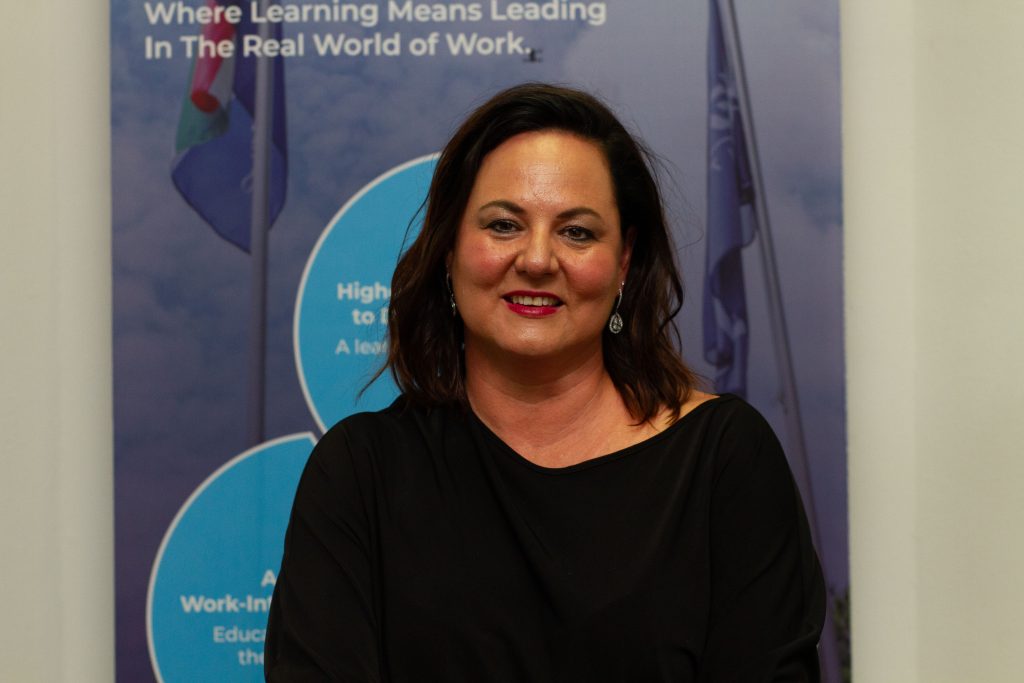
    For Tshegofatso Gama, a DBL candidate and business development professional in the higher education sector, this is not an abstract idea. It is the foundation of her work.

    Her journey into doctoral studies began at a deeply personal moment. Fresh from maternity leave, with a three-month-old baby, she decided many would consider it unconventional.

    “I wanted a better life for myself and for my child. I knew this was the time. It was a challenge, but I am someone who rises to challenges,” she explains.

    That decision has evolved into a research journey that reflects the DaVinci philosophy of linking learning to impact, and personal ambition to societal contribution.

    From Academic Study to Systemic Impact

    Gama’s work moves beyond traditional academic boundaries. Rather than producing a narrow case study, her research is focused on developing a scalable framework for digital public service transformation. In response, the study proposes the Leadership-Centred Municipal Digital Readiness and Public Value Model as an integrative explanatory framework. The model reframes digital transformation from a linear technology implementation sequence to a leadership-mediated decision process shaping capability development, adoption behaviour, and governance outcomes across municipalities.

    Her study currently examines five municipalities, including Bela-Bela, Mossel Bay, Dr Beyers Naudé, eThekwini, and Midvaal. However, these serve as entry points into a broader question of how governments can strengthen digital readiness in ways that are practical, transferable, and context sensitive.

    “My intention is not to produce a case study. It is to develop a transferable model, one that can help governments improve digital readiness and service delivery in real, practical ways,” she says.

    This approach reflects a core principle of the DBL, where research is expected to contribute beyond the individual and speak to industry, society, and national development.

    Reframing the Digital Transformation Challenge

    A central insight emerging from Gama’s work is that digital transformation is often misunderstood.

    “It is not primarily a technology problem. It is a leadership and systems problem,” she explains.  Transformation does not fail because systems are absent, but because they are not led, integrated, or sustained.

    This perspective underpins the Leadership-Centred Municipal Digital Readiness and Public Value Model, which positions leadership as the central coordinating mechanism in digital transformation efforts.

    Many municipalities already have access to digital tools. Yet these tools are frequently underutilised, poorly integrated, or disconnected from decision-making processes. The result is not a lack of systems, but systems that fail to produce value.

    “We do not lack policies or frameworks. We struggle with implementation, alignment, and accountability,” she says.

    This reframing shifts attention away from simply introducing new technologies toward building the institutional conditions that allow those technologies to function effectively.

    Building the Competencies That Enable Change

    Through her research, Gama identifies three critical areas that determine whether digital transformation efforts succeed or fail. These dimensions are conceptualised within the Leadership-Centred Municipal Digital Readiness and Public Value Model, which integrates leadership, institutional capability, and data governance as mutually reinforcing drivers of transformation.

    Leadership and Strategic Alignment

    Policies often remain disconnected from execution. Without coordinated leadership and alignment across departments, initiatives struggle to gain traction.

    Institutional and Technical Capability

    Access to digital tools is not enough. Municipalities require the skills, governance structures, and operational systems needed to implement and sustain these tools.

    Data-Driven Decision-Making

    While data is generated, it is not consistently used to inform planning or monitor performance in real time. This limits responsiveness and weakens accountability.

    “When these competencies are not aligned, transformation becomes fragmented. When they are integrated, we begin to see meaningful change,” she notes.

    This integrated perspective reflects a systems thinking approach that is central to the DaVinci model of leadership development.

    A Systems View of Public Value

    Gama’s doctoral journey has reshaped how she understands the relationship between institutions and outcomes.

    “What we experience as citizens is often a consequence of internal institutional failures. If the internal system is broken, the output will always be poor,” she reflects.

    This insight points to a deeper structural reality. Improving service delivery is not only about external interventions but about strengthening the internal capabilities, processes, and alignment within institutions.

    At the same time, she recognises a growing shift.

    “There is increasing pressure to modernise and more conversations about digital transformation. The opportunity now is to move from isolated initiatives to coordinated, system-wide transformation,” she says.

    Value Creation as a Guiding Principle

    At the core of Gama’s work is a strong orientation toward value creation. This perspective, shaped during her earlier studies, continues to inform how she approaches both research and practice.

    “If the value you create is greater than the reward you receive, then you are doing something meaningful. I want to make an impact wherever I go,” she says.

    This mindset reflects a broader shift from qualification-driven learning toward contribution-driven leadership. It aligns with a DaVinci ethos that views knowledge not as an endpoint, but as a tool for enabling impact.

    While her research is still in progress, she is already exploring ways to translate her insights into practical solutions that can operate within real institutional environments.

    A New Expression of Leadership

    Gama represents a new generation of scholar-practitioners who are redefining what it means to pursue doctoral study. Her work is not centred on academic recognition alone, but on building systems that function, institutions that deliver, and solutions that scale.

    “I do not just want to study the problem. I want to be part of solving it,” she says.

    This orientation reflects the intent of the DBL to develop leaders who can operate across boundaries, integrate knowledge, and contribute meaningfully to complex societal challenges.

    From Research to Execution

    South Africa does not lack ideas or frameworks. The persistent challenge lies in execution that is aligned, accountable, and effective. What Gama’s work represents is a shift in how this challenge is approached. It moves the conversation from designing solutions to enabling systems that can deliver those solutions consistently.

    If realised, her contribution has the potential to influence not only how municipalities approach digital transformation, but how public value is created in an increasingly digital society.

    By advancing the Leadership-Centred Municipal Digital Readiness and Public Value Model, her work offers a structured pathway for municipalities to move beyond fragmented initiatives toward coordinated, value-driven digital transformation.

    Her work not only interrogates the challenges of digital transformation, but it also provides a model for how municipalities can lead, implement, and sustain it.

  • tt100 Project Manager Reflection: Structured Incubated Entrepreneurial Development Programme Success

    tt100 Project Manager Reflection: Structured Incubated Entrepreneurial Development Programme Success

    Early in 2025, the tt100 Business Innovation Awards Programme, in partnership with The DaVinci Institute and key stakeholders from government and the banking sector, initiated the Structured Incubated Entrepreneurial Development Programme. The programme focused on developing youth in the agricultural sector across four provinces: North West, Free State, Gauteng, and KwaZulu-Natal.

    According to the tt100 Project Manager, Tebogo Thabethe, the programme created moments of reflection that extended far beyond the formal learning activities.

    During the closing celebration of a recent youth leadership programme, Thabethe found himself making an unexpected remark while serving as Programme Director.

    “Standing before participants and community members in the North West, I said that the community should consider adopting me,” he said.

    The statement was not intended as humour. It was a sincere reflection of the connection he felt after spending time engaging with participants and communities throughout the programme. Their warmth, openness and strong sense of community left an impression on him.

    As the tt100 Project Manager, Thabethe has been involved in numerous initiatives aimed at developing leaders, contributing to innovation and organisational excellence. However, this programme provided an experience that shifted his understanding of the agricultural sector and its importance to South Africa’s future.

    Understanding the purpose of the programme

    Tebogo Thabethe

    The initiative was designed as a youth leadership programme aimed at broadening young South Africans’ understanding of agriculture and its role within the national economy. Rather than focusing only on farming activities, the programme exposed participants to the wider systemic view that shapes the sector, including agricultural communities, supply chains, technological innovation, sustainability, and economic development. Through this approach, participants were encouraged to see agriculture not simply as production, but as a complex industry with opportunities across entrepreneurship, logistics, food security and innovation.

    Participants were drawn from different regions across the country, bringing with them diverse experiences and perspectives. This diversity enriched the learning environment and created opportunities for meaningful dialogue about the challenges and opportunities facing the sector.

    The relevance of such initiatives must also be understood within the broader socio-economic context of South Africa. Youth unemployment remains one of the country’s most pressing challenges, with the official rate estimated at approximately 45.5%. This statistic represents a significant portion of the population whose potential remains underutilised.

    At the same time, agriculture continues to present opportunities for growth and employment. Yet the average age of farmers in South Africa is estimated to be around 57 years, highlighting the need to cultivate a new generation of individuals who understand the complexities of the industry and are prepared to contribute to its development.

    Learning through direct engagement

    From a project management perspective, coordinating and leading this programme presented both rewarding and challenging moments. The initiative required careful planning, stakeholder engagement and the ability to adapt to the dynamics of different communities and regions.

    Throughout the programme, participants travelled across several provinces, engaging with diverse agricultural environments and community contexts. These experiences allowed them to see firsthand how agriculture operates within different local realities.

    While the programme included presentations, discussions and structured learning activities, many of the most valuable insights emerged from direct engagement with community members and practitioners working within the sector.

    “Observing the dedication of individuals involved in agriculture, listening to local experiences, and understanding the realities faced by farming communities provided participants with perspectives that cannot easily be replicated in a classroom environment,” said Thabethe.

    These engagements highlighted the resilience, commitment and innovation that exist within the agricultural sector, often in circumstances that require individuals to adapt continuously to economic and environmental pressures.

    The importance of challenging young people

    According to Thabethe, one of the most significant lessons from the experience is the value of exposing young people to environments that challenge their thinking and expand their perspectives.

    Young leaders often develop the most when they are presented with opportunities that push them beyond familiar surroundings and require them to engage with complex, real-world issues.

    Programmes of this nature create spaces where participants can explore industries they may not previously have considered, while also gaining a deeper appreciation for the role these sectors play in the national economy.

    Such exposure is essential if young people are to see themselves as future contributors to sectors that are vital to national development.

    The need to expand such initiatives

    The experience also highlighted the importance of expanding programmes that combine leadership development with practical exposure to industry environments.

    While initiatives such as this one have demonstrated their value, their reach remains limited. If South Africa is to address both youth unemployment and the long-term sustainability of key sectors such as agriculture, greater efforts must be made to scale these opportunities.

    Providing young people with access to structured leadership and industry exposure programmes should be viewed not as an optional intervention, but as a strategic investment in the country’s future workforce.

    A role for industry and institutions

    Achieving this objective will require collaboration between educational institutions, industry stakeholders and community organisations. Educational initiatives can provide the framework for leadership development, but industry participation is essential in ensuring that learning remains connected to real-world challenges and opportunities.

    Organisations operating within the agricultural value chain have an opportunity to contribute by supporting programmes that expose young people to the realities of the sector. Such collaboration can help bridge the gap between education and industry while creating pathways for the next generation of leaders.

    Looking ahead to the future

    “This programme reinforced an important insight for me as a tt100 Project Manager: the leadership potential South Africa requires already exists within its communities,” said Thabethe.

    Young people across the country possess the curiosity, determination and capacity to contribute meaningfully to sectors that are critical to national development. What they require are platforms that allow them to learn, engage and develop their capabilities within real-world environments.

    Programmes that combine leadership development with practical exposure can play a vital role in creating those opportunities.

    “For me personally, this initiative did more than deliver a successful programme. It provided a renewed appreciation for the agricultural sector and for the communities that sustain it,” he said.

    It also reaffirmed a simple but important truth: meaningful leadership development occurs when learning moves beyond theory and connects directly with people, industries and the realities of everyday life.

  • Free State Programme Close-Out: South Africa’s Breadbasket Is Growing Something New

    Free State Programme Close-Out: South Africa’s Breadbasket Is Growing Something New

    Congratulations to the Free State group for completing the Structured Incubated Entrepreneurial Development Programme. Their achievement marks not only the end of a demanding developmental journey, but also the beginning of a new chapter as emerging and established entrepreneurs within South Africa’s agricultural economy.

    The Free State has long been recognised as the agricultural heartland of South Africa. Producing a significant share of the country’s maize and wheat, and contributing strongly to sunflower seed, sorghum, and soybean output, the province has earned its reputation as the nation’s breadbasket.

    Yet the true value of this agricultural powerhouse lies not only in its land and production capacity, but also in the opportunity it presents to develop the next generation of agricultural entrepreneurs.

    As South Africa’s agricultural sector evolves, the need for the youth who can participate meaningfully in the value chain has become increasingly urgent. The future of the sector will not only depend on those who work on the land, but on those who can build sustainable agricultural enterprises, manage costs, ensure quality, and develop businesses that compete in modern markets.

    With its rich farming heritage and productive landscape, the Free State provides the ideal environment to cultivate this next generation of agripreneurs.

    Why the Free State, Why Now

    From the outset, the need in the Free State was clear: young people involved in agriculture require structured development, not unstructured support.

    The programme, therefore, focused deliberately on Food Production and Food Manufacturing, recognising that meaningful economic participation in agriculture extends beyond primary farming. The ability to recognise value through processing, packaging, and market positioning is increasingly central to building profitable agricultural enterprises.

    A key partner in the delivery of the programme was the Free State Department of Agriculture and Rural Development (FSDARD). Their support enabled the programme to be hosted at Glen College of Agriculture, a historic institution with deep roots in farmer development.

    The partnership carried both practical and symbolic importance. Glen College has long served as a training ground for agricultural excellence, and its use as the programme venue reinforced the broader vision of revitalising the institution as a hub for developing future agricultural leaders.

    During the close-out ceremony, Tshepo Mabilo, Head of Department for Agriculture, Rural Development and Environmental Affairs in the Free State, encouraged participants to pursue entrepreneurship as a pathway to job creation and economic participation. He emphasised the importance of resilience in building businesses and navigating the inevitable challenges of entrepreneurship.

    His message reinforced the central aim of the programme: not merely to train participants, but to shift how young people see themselves, from aspiring farmers to entrepreneurs capable of building sustainable enterprises.

    Building Entrepreneurs, Not Just Producers

    The Structured Incubated Entrepreneurial Development Programme is designed to move participants beyond informal trading into structured leadership business development.

    The programme integrates practical and academic learning to equip agribusiness owners with the tools required to operate competitively within agricultural economy.

    Its delivery is built on seven interconnected components:

    • Academic Modules: Five modules from a Higher Certificate at NQF Level 5
    • Business Simulation: Practical exercises that mirror real-world business decisions
    • Masterclasses: Sessions with industry experts across the agri-food ecosystem
    • Trend Workshops: Exposure to evolving consumer markets and emerging opportunities
    • Value Chain Workshops: Understanding how value is created, captured, and lost within agricultural systems
    • Business Coaching: Individualised support tailored to each participant’s enterprise journey
    • Business Proposal Development and Food Festival: A culminating showcase where participants present their products and business concepts to stakeholders and potential partners

    The objective is clear: participants must leave the programme with the ability to operate sustainable businesses that trade consistently, grow profitably, and participate confidently in agricultural markets.

    The Close-Out: Proof of Progress

    The Structured Incubator programme concluded with a graduation and food festival that demonstrated the tangible progress made by participants.

    Entrepreneurs showcased their products and business ideas to a room filled with government representatives, industry stakeholders, and community partners. The event provided both recognition of individual achievement and evidence of the programme’s impact.

    More importantly, it demonstrated the potential for structured entrepreneurial development to strengthen agricultural participation among youth. The event also generated interest from new partners who recognise the importance of building a pipeline of capable young agripreneurs.

    One such organisation, Farmers Lovers, has expressed interest in exploring collaboration with tt100 and The DaVinci Institute to expand the reach and impact of the initiative. This alignment reflects a growing recognition that the future of South African agriculture will depend on coordinated efforts across government, industry, and educational institutions.

    The Work Continues

    While the close-out marked an important milestone, it is not the end of the journey. The work now shifts toward deepening partnerships, strengthening market access, and expanding opportunities for youth to build sustainable businesses within the agricultural economy.

    Developing capable agripreneurs is not a short-term project. It is a long-term investment in the economic resilience of rural communities and the productive capacity of South Africa’s agricultural regions.

    The Free State has always fed the nation. Now, a new generation is emerging, one that will not simply inherit this legacy but build on it, innovate within it, and expand it. The breadbasket is growing something new, and the harvest is only just beginning.

  • Successful Completion Of DSV’s Higher Certificate Cohort

    Successful Completion Of DSV’s Higher Certificate Cohort

    On 25 February 2026, a DSV cohort completed the Higher Certificate in Management of Technology and Innovation at The DaVinci Institute. Their completion represents not only the final months of academic work, but also the beginning of a new phase of professional growth where learning is translated directly into organisational impact.

    Applied Learning Through Work-Based Challenges

    The programme concluded with participants presenting their work-based challenges, a core component of the DaVinci learning model. These projects required students to identify real operational opportunities within their own working environments and develop practical, evidence-based solutions that could contribute to improved performance.

    The presentations demonstrated how applied learning can translate into tangible organisational value. Participants explored initiatives aimed at improving operational efficiency, identifying potential cost savings, strengthening workplace collaboration, and enhancing the conditions that enable employees to perform at their best. By addressing real business challenges, the projects highlighted how education can produce measurable return on investment when organisations actively support the development of their people.

    Integrating Theory With Workplace Application

    For The DaVinci Institute, this approach reflects a broader philosophy of learning that goes beyond academic completion. Programmes are designed to integrate theory with workplace application, ensuring that every student is able to contribute meaningfully to their organisation while building the strategic and leadership capabilities required in an increasingly complex business environment.

    Throughout the presentations, the DSV cohort demonstrated strong analytical thinking, practical problem-solving skills, and a clear understanding of how innovation can support organisational growth. Their work reflected not only the knowledge gained during the programme, but also the commitment of employees who are motivated to improve the environments in which they work.

    Organisational Insights And Industry Collaboration

    Representatives from DSV expressed their appreciation for the insights presented during the challenge sessions. The research and recommendations shared by the participants offered valuable perspectives that could inform operational improvements and support the organisation’s continued development. In many cases, the ideas presented have the potential to be implemented within existing systems and processes, allowing the organisation to benefit directly from the learning journey of its employees.

    This collaboration highlights the growing recognition among forward-thinking organisations that investing in employee development is a strategic priority. As industries evolve and new technologies reshape the way businesses operate, organisations increasingly require individuals who are able to think critically, adapt to change, and contribute innovative solutions to complex problems.

    Leadership And Innovation In A Transforming Logistics Sector

    Nowhere is this more relevant than in the transport and logistics sector. Global supply chains, digital transformation, automation, and shifting customer expectations are rapidly reshaping the industry. Organisations operating in this environment must continually strengthen their leadership and innovation capabilities to remain competitive and resilient.

    Educational frameworks that integrate systems thinking, innovation, and strategic leadership, therefore, play an important role in preparing employees to navigate these changes. At The DaVinci Institute, the TIPS™ Framework underpins this approach, equipping participants with competencies that support integrative thinking, problem-solving, and responsible decision-making in complex organisational contexts.

    From Academic Completion To Workplace Impact

    By applying these capabilities to real workplace challenges, students develop the confidence and insight required to influence positive change within their organisations. The result is a learning experience that benefits both the individual and the institution they serve.

    While the DSV cohort now looks forward to their formal graduation in May 2026, the real impact of the programme will be measured in what happens next. The ideas generated during their work-based challenges have the potential to shape operational improvements, inspire innovation, and strengthen collaboration within their teams.

    More importantly, the graduates return to their workplaces equipped with a mindset that values continuous learning, critical thinking, and responsible leadership. These are the qualities that organisations increasingly need as they navigate uncertainty and transformation.

    Investing In People To Strengthen Organisational Capability

    For DSV, supporting employees through programmes such as the Higher Certificate in Management of Technology and Innovation reflects a commitment to building long-term organisational capability. By investing in the development of its people, the organisation strengthens its ability to respond to emerging challenges and to identify new opportunities for growth.

    The journey of this cohort demonstrates that when organisations create space for learning and innovation, the benefits extend far beyond the classroom. Purposeful investment in people has the power to unlock new ideas, strengthen organisational performance, and build the leadership capacity required for the future.

  • The DaVinci Institute Statement On The 2026 Budget Speech

    The DaVinci Institute Statement On The 2026 Budget Speech

    26 February 2026, Johannesburg: The DaVinci Institute notes that the 2026 Budget Speech delivered by Finance Minister Enoch Godongwana marks a clear shift in South Africa’s fiscal trajectory from crisis management toward stabilisation, structural reform and long-term growth. South Africa has spent recent years grappling with fiscal stress, energy instability, and high debt-to-GDP ratios. The 2026 Budget Speech emphasizes measures aimed at reducing fiscal deficits and containing public debt growth.

    Gross Government Debt

    The budget projects gross government debt stabilising at 78.9% of GDP in 2025/26 before gradually declining, while the consolidated budget deficit narrows to 4.5% of GDP and is expected to fall to 3.1% over the medium term. These indicators signal a clear transition from fiscal repair toward an execution phase focused on growth.

    The Institute acknowledges the government’s commitment to stabilising debt, accelerating infrastructure investment, improving spending efficiency and strengthening state capability, which reflects a more disciplined and reform-oriented fiscal approach.

    With more than R1 trillion in public infrastructure investment planned over the medium term, the Institute notes that South Africa’s growth outlook will depend heavily on execution capacity across national, provincial and municipal institutions.

    South Africa’s Biggest Constraint

    “The 2026 Budget confirms that South Africa’s biggest constraint is no longer policy design, but execution capacity. Developing leaders who can translate reform into delivery is now an economic priority.”

    The Institute further notes that the budget reinforces the central role of education and skills development in enabling economic reform. In a constrained fiscal environment, the focus must shift from access alone to measurable outcomes. This requires stronger alignment between higher education, industry and the evolving demands of the economy, ensuring that graduates are equipped not only with knowledge, but with the capability to lead, innovate and deliver impact within complex organisational and societal contexts. Education must therefore be understood not as a social expenditure, but as a critical driver of economic productivity, institutional effectiveness and long-term growth. This places increased importance on applied, work-integrated learning approaches that translate knowledge into measurable value within organisations and society.

    The Budget’s Total Spending

    The budget’s total spending of R2.67 trillion, with the social wage accounting for more than 60% of non-interest expenditure and supporting approximately 26.5 million grant beneficiaries, reinforces the state’s redistributive role while highlighting the importance of institutional effectiveness.

    At the same time, capability pressures remain significant. The budget notes that 63% of municipalities are in financial distress, alongside major infrastructure backlogs, such as the estimated R64 billion water investment gaps in Johannesburg. These realities show the need for leadership, governance reform and stronger operational capacity across the public sector.

    The Skills Ecosystem

    The Institute further notes that reforms to the skills ecosystem, digital infrastructure, payments modernisation and regional trade integration point to a future economy that will require leaders able to navigate the complexity we face ahead, work across sectors and implement large-scale change.

    DaVinci commends the continued performance of the South African Revenue Service (SARS), whose revenue administration improvements remain central to fiscal sustainability and the state’s ability to fund development priorities.

    The Institute believes the 2026 Budget reinforces three realities for South Africa:

    • Economic reform is inseparable from leadership and skills development.
    • Infrastructure investment requires innovation capability and systems thinking.
    • Fiscal sustainability depends on institutional effectiveness.

    As South Africa enters a phase where implementation will determine economic and societal outcomes, collaboration between government, industry, higher education institutions and other key stakeholders is critical. As a higher education institution, The DaVinci Institute contributes through applied research, executive and leadership education, and industry partnerships that build leadership capability, strengthen innovation ecosystems and enable the translation of policy into measurable impact within organisations and society.
    Furthermore, it is worrisome that there is high social spending against weak capital expenditure execution; this reduces future growth capacity and increases long-run fiscal risk. 

    “The speech then points to fiscal management as the mechanism to close the gap between budgets and outcomes. Municipal infrastructure grants are being reformed due to persistent underspending, misuse of funds and capacity constraints,” said Dr Tinaye Mahohoma, a Discipline Lead.

    The 2026 Budget hints that the foundation for growth is being rebuilt. The defining question for South Africa is no longer whether reform is required, but whether we have the leadership capability to implement it at scale. Strengthening that capability will determine the country’s ability to translate policy into measurable economic and societal impact.

  • From HR Function To Strategic Sense-Maker: Activating Adaptive Leadership At Krones

    From HR Function To Strategic Sense-Maker: Activating Adaptive Leadership At Krones

    In an era defined by complexity, ambiguity, and accelerating change, the role of Human Resources (HR) is undergoing a fundamental shift. No longer confined to policy, process, or compliance only, HR is increasingly called upon to act as a strategic sense-maker within the organisations, connecting people, purpose, performance, and ecosystem dynamics.

    This was the central premise of a recent leadership activation session facilitated by The DaVinci Institute’s Chief Executive Officer, Prof Ben Anderson, delivered to Krones HR professionals. Rather than offering prescriptive models or best-practice checklists, the session created a reflective space for HR leaders to interrogate how they think, decide, and lead within a complex organisational system.

    Self-Leadership as the Starting Point

    The workshop opened with a deliberate focus on self-leadership activation, positioning HR professionals not merely as service providers but as strategic business partners. Prof Anderson challenged participants to reflect on their prevailing thinking patterns and leadership posture, asking a critical question: Are we merely collecting dots, or are we meaningfully connecting them?

    This distinction proved pivotal. Collecting dots speaks to data accumulation, policies, metrics, and reports. Connecting dots, by contrast, requires interpretation, judgement, and courage, the ability to see patterns, relationships, and implications across the organisation. For HR, this marks the transition from operational responsiveness to intentional, strategic leadership.

    He further challenged the participants to decide whether they want to identify as nine dots or nine dots plus professional, who will go out of their way and beyond what is known to resolve complex challenges. 

    Sense-Making as a Strategic HR Capability

    Building on this foundation, the session explored sense-making as a core HR capability. In complex organisations like Krones, workforce realities are rarely linear or self-explanatory. Data alone does not equal insight.

    Prof Anderson emphasised that HR’s strategic value lies in its ability to interpret human and organisational signals, engagement trends, leadership behaviours, cultural tensions, and capability gaps and translate them into coherent strategic meaning. Sense-making enables HR leaders to move beyond reacting to symptoms and instead address underlying systemic dynamics.

    Whole-Brain Decision Performance: Cynefin Framework

    A critical element of the session focused on whole-brain decision performance. Participants examined how different modes of brain functioning, cognitive, emotional, and intuitive, shape decision-making and influence stakeholder outcomes.

    The insight here was not about choosing emotion over logic, or vice versa, but about integration. HR decisions that ignore emotional and relational dimensions risk resistance and disengagement; decisions that neglect analytical rigour risk misalignment and inefficiency. Optimising performance, therefore, requires conscious awareness of how decisions are formed and experienced across the organisation.

    Navigating Agreement, Disagreement, and Tension

    As the session progressed, attention turned to social engagement dynamics, particularly the role of agreement and disagreement in organisational life. Rather than treating conflict as a dysfunction, Prof Anderson reframed it as a natural and often productive feature of adaptive systems.

    HR leaders were encouraged to build capacity for managing tension, holding divergent views, and facilitating alignment without forcing consensus. This capability is increasingly critical in environments where transformation, restructuring, and innovation place pressure on relationships and trust.

    Participants were urged to embrace the shadow and know themselves and whether their strengths are. 

    Thinking Ecosystemically at Krones

    A key shift occurred as participants began mapping HR’s influence across the Krones ecosystem. Moving beyond functional boundaries, the discussion explored how energy, decision-making, and cultural signals flow across roles, teams, leadership layers, and geographies.

    This ecosystemic perspective reframed HR as a systemic enabler, shaping conditions for performance, learning, and adaptation rather than controlling outcomes. It reinforced the idea that HR’s impact is often indirect but deeply influential.

    Adaptive Leadership and Mode 2 Thinking

    The session culminated in a deep dive into adaptive leadership in complexity, drawing on Mode 2 thinking, a way of engaging challenges where problems are ill-defined, solutions are emergent, and cause-and-effect relationships are unclear.

    For HR professionals, this means resisting the urge to prematurely simplify complexity or default to familiar tools. Instead, adaptive leadership requires experimentation, reflection, dialogue, and the capacity to act without full certainty. It is less about having the right answers and more about asking better questions.

    A Strategic Repositioning of HR

    Taken together, the session facilitated by Prof Ben Anderson represented more than a leadership workshop. It marked a strategic repositioning of HR, from function to sense-maker, from administrator to adaptive leader, and from siloed expertise to ecosystemic influence.

    For Krones HR professionals, the session reinforced a critical truth: in complex organisational environments, the future of HR lies not in doing more, but in seeing more clearly, thinking more deeply, and leading more consciously.

  • North West Close-Out Marks Success For Structured Incubated Entrepreneurial Development Programme

    North West Close-Out Marks Success For Structured Incubated Entrepreneurial Development Programme

    As part of the tt 100 Business Innovation Awards, the Structured Incubated Entrepreneurial Development Programme for Food Producers and Food Manufacturers has reached its close-out phase in the North West province, marking a meaningful milestone in strengthening youth-led agribusiness across Tswaing Local Municipality and Ratlou Local Municipality.

    More than a programme conclusion, the close-out represents a shift in how emerging food producers understand and operate their businesses, moving from project activity to structured enterprise thinking.

    A Programme Designed For Real Business Growth

    Across South Africa’s agricultural sector, many emerging farmers face a familiar challenge. Progress is often limited not by effort or technical ability, but by gaps in strategic thinking, business literacy and confidence. Entrepreneurs frequently begin with strongly underfunded agreements, yet struggle to sustain operations beyond the first year.

    This programme was intentionally designed to close that gap.

    Through a structured, execution-focused approach, participants developed stronger strategic thinking, clearer business positioning, improved financial and operational discipline, and deeper systems awareness across agricultural value chains. Rather than relying on theory alone, the programme encouraged entrepreneurs to run their ventures such as real businesses, building structure, decision-making capability and long-term sustainability.

    Evidence Of A Mindset Shift

    During the North West close-out engagement, participants presented their agribusinesses with noticeably stronger clarity, structure and confidence. Product showcases and business presentations reflected measurable progress in how entrepreneurs position, communicate and manage their enterprises.

    Participant reflections highlighted this transformation.

    “I see things differently now. Engaging with other students and teachers made me realise that we learn every day. Some things I have been doing are wrong compared to what others do in their business,” said Puseletso Joyce Lipali, working across crop production, livestock and poultry.

    For many participants, the shift was not only technical, but it was also cognitive.

    “The programme has been a total mindset shift for me. I am more strategic, confident, and aware of my strengths. It pushed me out of my comfort zone, and I am seeing the results in my business and personal life,” said Teboho Mofolo, an emerging crop and livestock farmer.

    The close-out demonstrated that structured entrepreneurship development can change how entrepreneurs think, not just what they know.

    Partnership-Driven Delivery

    The programme’s impact was strengthened through coordinated collaboration between municipal, provincial, academic and community stakeholders. Key partners included student business coach JP Le Roux, the North West Department of Agriculture, the Department of Agriculture, Land Reform and Rural Development, the African Farmers’ Association of South Africa (AFASA), North-West University (Animal Science), the North West Department of Health (Ratlou Sub-District), and Khunwana Community Library.

    The engagement took place at Setlagole Farm Guest House, reinforcing the programme’s community-embedded and practical learning approach.

    From Learning To Market Visibility

    Running since March, the programme concludes in February with a Food Festival and Graduation, a market-facing milestone connecting entrepreneurs to buyers, development partners and support networks.

    This final phase converts learning into visible business evidence. It shows enterprises that are trading more consistently, refining their pricing strategies, strengthening their market positioning, and building customer relationships. The close-out, therefore, signals a clear transition from training to execution.

    Strengthening Rural Economies Through Structured Entrepreneurship

    The Structured Incubated Entrepreneurial Development Programme contributes to broader rural development priorities by supporting businesses capable of consistent participation in local and regional food systems.

    It strengthens youth entrepreneurship pathways, stimulates local economic activity, supports sustainable agribusiness development and contributes to community food security. The North West close-out ultimately demonstrates what becomes possible when entrepreneurship development is structured, collaborative, and execution focused.

    It reflects a growing recognition that rural enterprise ecosystems are strengthened not only through funding or skills training, but through disciplined business thinking, enabling emerging food producers to build enterprises that endure, grow and contribute meaningfully to their communities.

  • Academic Opening 2026: Co-Creating For The Greater Good At The DaVinci Institute

    Academic Opening 2026: Co-Creating For The Greater Good At The DaVinci Institute

    On 19 February 2026, the academic community of The DaVinci Institute gathered for its formal Academic Opening, marking the start of the 2026 academic year under the theme “Co-Creating for the Greater Good.” The ceremony signaled a collective commitment to purpose-driven education, collaborative leadership, and the ongoing evolution of the institution’s academic, research and technological agenda.

    Tradition and Purpose

    The morning began with the academic procession, accompanied by Jozi Opera, setting a tone of reflection and anticipation. The ceremony included the flag hoisting, symbolising institutional identity, national responsibility and the shared values underpinning DaVinci’s learning community.

    The congregation was formally constituted by Dr Gavin Isaacs, acting in his capacity as Chairperson of Senate, establishing the gathering as a lawful academic congregation of the Institute.

    Leadership voices frame the year ahead

    Programme Director Prof Benjamin Anderson guided the ceremony, introducing institutional leaders, governance structures and the wider learning ecosystem, including Board members, Senate, faculty, students, industry partners and convocation.

    Institutional leadership, including President Edward Kieswetter and Board Chair Ndumiso Khubeka, reinforced the Institute’s strategic focus on responsible leadership and societal contribution.

    Articulating the meaning of the Greater Good

    The central moment of the ceremony was the keynote address delivered by Ndumiso Khubeka, which explored the underlying principles of the Greater Good, positioning education not only as capability development but as a platform for impact.

    The address highlighted:

    • Leadership as stewardship
    • Innovation as a societal responsibility
    • Collaboration as the foundation of complex problem-solving
    • The role of higher education in shaping ethical decision-makers

    This framing aligned closely with DaVinci’s long-standing emphasis on systems thinking, transdisciplinary learning and organisational transformation.

    Institutional achievements unveiled

    The Academic Opening also served as a platform for key institutional launches. The Unified Technology Upgrade, introduced by Executive: Information Technology Riaan van Niekerk, highlighted continued investment in the digital learning environment and infrastructure supporting hybrid, practice-based education. The launch of the DaVinci song further strengthened institutional identity and community culture.

    In addition, the research report launch, presented by Executive Dean Dr Gavin Isaacs, reflected the Institute’s growing postgraduate scholarship footprint and its commitment to applied, industry-relevant research.

    Setting the tone for 2026

    The Academic Opening reaffirmed The DaVinci Institute’s positioning as a learning institution oriented toward purpose, partnership and impact.

    Under the theme Co-Creating for the Greater Good, the ceremony did more than open an academic calendar. It established a shared intention: that education, research and leadership development must actively contribute to organisations, communities and society. In this way, the event marked both a beginning and a reaffirmation of a continuing institutional journey.

  • Research Report 2025: Advancing Transdisciplinary Scholarship For Real-World Impact

    Research Report 2025: Advancing Transdisciplinary Scholarship For Real-World Impact

    The DaVinci Institute is pleased to announce the release of its Research Report 2025, a comprehensive reflection of the Institute’s scholarly output, intellectual direction, and continued commitment to research that creates meaningful impact across organisations, industries, and society.

    The report presents a rich body of postgraduate research conducted across doctoral, master’s, postgraduate diploma, and undergraduate levels. It highlights how research at DaVinci is intentionally positioned as applied, transdisciplinary, and work-based, designed not only to contribute to academic knowledge but to resolve real challenges faced by professionals, organisations, and broader ecosystems.

    A Comprehensive Overview of DaVinci’s Applied, Work-Based, and Transdisciplinary Research

    Central to the Research Report 2025 is the Institute’s research philosophy: enabling leaders and managers to develop advanced research capability while producing innovative, practical, and contextually relevant solutions. Across programmes, students explore complex issues such as digital transformation, employability, entrepreneurship, knowledge management, infrastructure delivery, cybersecurity, township economic development, sector skills planning, and leadership development. These research contributions demonstrate the growing importance of scholarship that bridges theory and practice in an increasingly uncertain and rapidly evolving world.

    Doctoral Research: Advancing Frameworks, Models, and Methodologies

    The report documents significant doctoral research that advances new frameworks, models, and methodologies addressing systemic challenges. From innovation management measurement and integrated business analytics frameworks for infrastructure projects to employability design, entrepreneurial behaviour in resource-constrained environments, and knowledge management in the context of the Fourth Industrial Revolution, the doctoral portfolio illustrates the Institute’s focus on research that generates original contributions with practical value.

    Master’s, Postgraduate Diploma, and Undergraduate Research in Action

    Master’s research further expands this impact by examining workplace productivity, digital fraud investigation, service quality, organisational adaptation, learning transfer, and performance management. At the postgraduate diploma level, work-based research projects provide direct organisational insight, tackling challenges ranging from digital transformation and customer experience to project delivery, leadership practice, skills gaps, and emerging technology integration. Undergraduate research continues this trajectory by addressing real workplace challenges, reinforcing the Institute’s long-standing commitment to applied learning.

    Strengthening the Research Ecosystem

    Beyond individual studies, the Research Report 2025 reflects the strength of the Institute’s research ecosystem. The report highlights publications in accredited journals, scholarly book contributions, peer-reviewed activities, and structured research development workshops supporting master’s and doctoral candidates. These initiatives ensure academic rigour while strengthening student progression, research quality, and scholarly engagement.

    Institutional Growth and Strategic Partnerships

    The year also marked important institutional developments. Enhancements within the Research Office strengthened research processes, supported improved student experience, and contributed to successful graduation outcomes across programmes. The Institute also continued its engagement with key academic and professional networks, including the South African Business Schools Association, the African Association of Business Schools, and the South African Private Higher Education Association, reinforcing its commitment to advancing scholarly dialogue across South Africa and the continent.

    The Research Report 2025 ultimately stands as more than an annual record of outputs. It represents a collective intellectual journey involving students, supervisors, alumni, industry partners, and academic leadership. It captures the evolving role of research in enabling professionals to rethink assumptions, challenge existing paradigms, and co-create new possibilities in contexts defined by disruption and transformation.

    Through this report, The DaVinci Institute reaffirms its commitment to research that is relevant, rigorous, and impactful, research that strengthens leadership, advances innovation, and contributes to the greater good.

  • SAPHE Research Workshop Strengthens Postgraduate Scholarship Across Member Institutions

    SAPHE Research Workshop Strengthens Postgraduate Scholarship Across Member Institutions

    Postgraduate research is often treated as a technical exercise, a proposal to submit, a thesis or a dissertation to defend, or a qualification to complete. Yet as the room settled on the first morning at DaVinci House, it became clear that this gathering would challenge that assumption.

    “Are you writing to pass or are you writing to influence?” asked Prof Ben Anderson, CEO of The DaVinci Institute.

    The silence that followed was not uncertainty; it was recognition.

    The two-day research workshop, convened by South African Private Higher Education (SAPHE) and proudly sponsored by ETDP SETA, brought together postgraduate scholars and academic leaders from across SAPHE member institutions. Present in the room were representatives from The Independent Institute of Education, INSCAPE, Foundation for Professional Development, IMM Graduate School, Eduvos, and The DaVinci Institute.

    What unfolded over the two days was less a technical seminar and more an intellectual reset.

    Day One: Confronting the Researcher Within

    Day One opened with energy, curiosity, and at times, discomfort. Participants were invited to interrogate how they approach postgraduate research.

    Some indicated that they realised they have been writing cautiously. One participant reflected during a roundtable exchange: “Almost as if I am asking permission to have a perspective.”

    Another added, “I start from my professional practice, but I often struggle to translate that lived experience into scholarly argument.”

    The discussion revealed a shared tension: many researchers approach postgraduate study with deep professional insight, yet hesitate to claim authority in academic spaces.

    Prof Anderson challenged the group to move beyond compliance-driven research. Finding one’s scholarly voice, he argued, requires intellectual courage, the willingness to position oneself clearly within theory, methodology, and argument.

    The room was animated, notebooks open, ideas crossing tables, debates forming and reforming. By mid-afternoon, conversations had shifted from “How do I complete this?” to “What am I really trying to change?”

    Research Across Systems: From Micro to Macro Influence

    SAPHE Research Workshop At DaVinci

    A defining moment of the workshop came as the conversation expanded beyond individual theses to systemic influence. Participants mapped their potential impact across interconnected systems:

    • Microsystem: their immediate classrooms, teams, and professional environments.
    • Mesosystem: their institutions and collaborative networks.
    • Exosystem: sector bodies and professional communities.
    • Macrosystem: national policy and societal transformation.

    The shift was refined but powerful: research was no longer framed as an endpoint, but as an intervention.

    Day Two: From Concept to Completion

    While Day One focused on identity and positioning, Day Two turned to craft and coherence. The workshop moved deliberately through the full research lifecycle, refining research questions, aligning methodology, interrogating theoretical frameworks, ensuring ethical integrity, and strengthening the logical progression from data to argument.

    “Everything must speak to everything else. Your research problem, your theory, your method, they must form a coherent conversation,” Prof Anderson emphasised.

    Participants worked through real examples, challenging one another’s assumptions, refining questions, and testing methodological fit. The energy had shifted from uncertainty to clarity. By the close of the second day, the tone in the room had changed. What began as a cautious inquest had evolved into confident articulation.

    A Collective Commitment to Research Maturity

    As organiser, SAPHE demonstrated the power of convening diverse private higher education institutions around a shared commitment to research excellence. The presence of multiple member institutions reinforced a broader message: postgraduate scholarship within the private higher education sector is deepening in maturity and influence.

    The sponsorship by ETDP SETA further highlighted the strategic importance of building research capability within South Africa’s education and training ecosystem.

    Beyond Compliance, Towards Influence

    By the end of the workshop, one message stood out clearly: postgraduate research within SAPHE institutions is not peripheral; it is central to shaping practice, informing policy, and strengthening the credibility of private higher education.

    As one participant concluded:

    “We are not just producing dissertations or theses. We are producing knowledge that can move systems.”

    Through initiatives such as this workshop, SAPHE continues to cultivate scholars who are not only academically rigorous but systemically aware, researchers prepared to contribute meaningfully at micro, meso, exo, and macro levels of influence.