On 25 February 2026, a DSV cohort completed the Higher Certificate in Management of Technology and Innovation at The DaVinci Institute. Their completion represents not only the final months of academic work, but also the beginning of a new phase of professional growth where learning is translated directly into organisational impact.
Applied Learning Through Work-Based Challenges
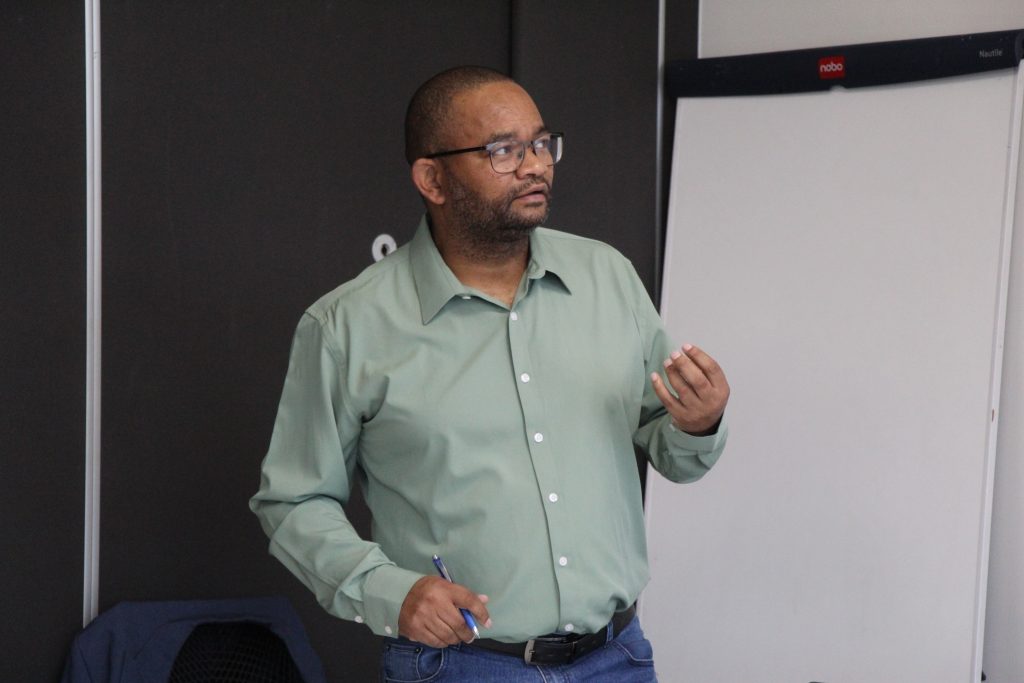
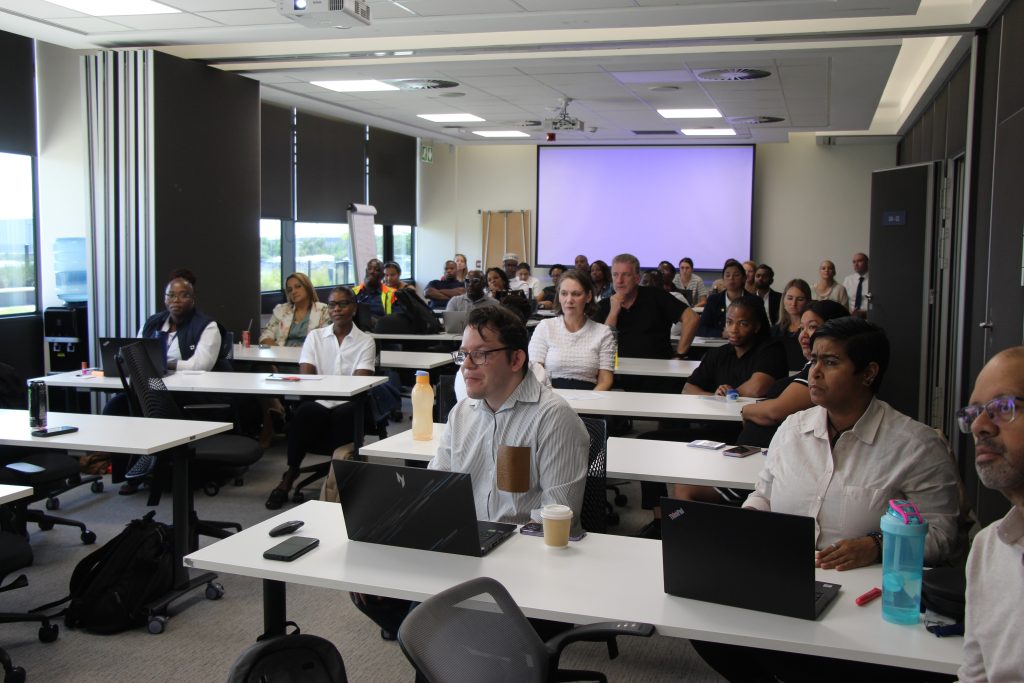
The programme concluded with participants presenting their work-based challenges, a core component of the DaVinci learning model. These projects required students to identify real operational opportunities within their own working environments and develop practical, evidence-based solutions that could contribute to improved performance.
The presentations demonstrated how applied learning can translate into tangible organisational value. Participants explored initiatives aimed at improving operational efficiency, identifying potential cost savings, strengthening workplace collaboration, and enhancing the conditions that enable employees to perform at their best. By addressing real business challenges, the projects highlighted how education can produce measurable return on investment when organisations actively support the development of their people.
Integrating Theory With Workplace Application
For The DaVinci Institute, this approach reflects a broader philosophy of learning that goes beyond academic completion. Programmes are designed to integrate theory with workplace application, ensuring that every student is able to contribute meaningfully to their organisation while building the strategic and leadership capabilities required in an increasingly complex business environment.
Throughout the presentations, the DSV cohort demonstrated strong analytical thinking, practical problem-solving skills, and a clear understanding of how innovation can support organisational growth. Their work reflected not only the knowledge gained during the programme, but also the commitment of employees who are motivated to improve the environments in which they work.
Organisational Insights And Industry Collaboration
Representatives from DSV expressed their appreciation for the insights presented during the challenge sessions. The research and recommendations shared by the participants offered valuable perspectives that could inform operational improvements and support the organisation’s continued development. In many cases, the ideas presented have the potential to be implemented within existing systems and processes, allowing the organisation to benefit directly from the learning journey of its employees.
This collaboration highlights the growing recognition among forward-thinking organisations that investing in employee development is a strategic priority. As industries evolve and new technologies reshape the way businesses operate, organisations increasingly require individuals who are able to think critically, adapt to change, and contribute innovative solutions to complex problems.
Leadership And Innovation In A Transforming Logistics Sector
Nowhere is this more relevant than in the transport and logistics sector. Global supply chains, digital transformation, automation, and shifting customer expectations are rapidly reshaping the industry. Organisations operating in this environment must continually strengthen their leadership and innovation capabilities to remain competitive and resilient.
Educational frameworks that integrate systems thinking, innovation, and strategic leadership, therefore, play an important role in preparing employees to navigate these changes. At The DaVinci Institute, the TIPS™ Framework underpins this approach, equipping participants with competencies that support integrative thinking, problem-solving, and responsible decision-making in complex organisational contexts.
From Academic Completion To Workplace Impact
By applying these capabilities to real workplace challenges, students develop the confidence and insight required to influence positive change within their organisations. The result is a learning experience that benefits both the individual and the institution they serve.
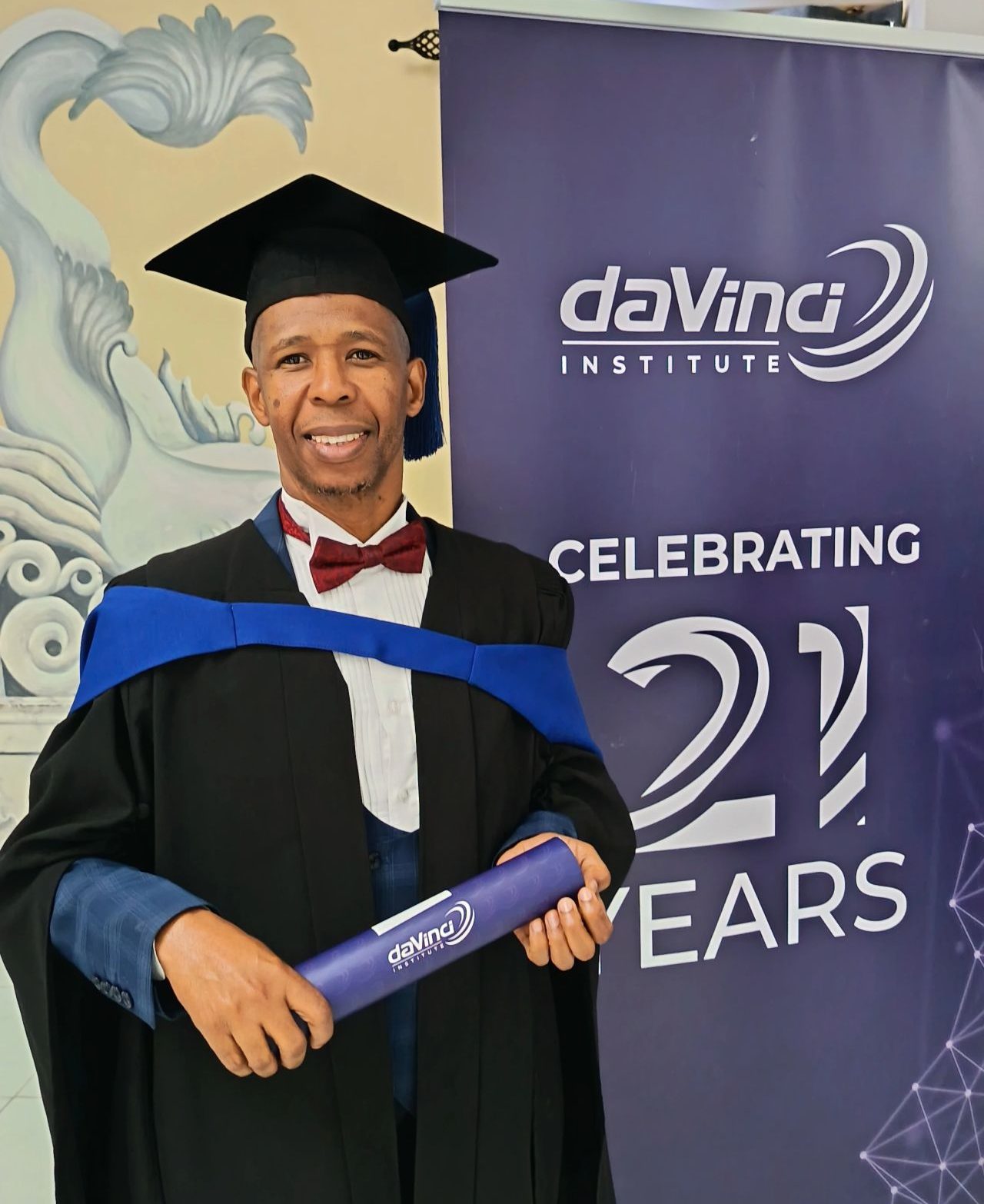
While the DSV cohort now looks forward to their formal graduation in May 2026, the real impact of the programme will be measured in what happens next. The ideas generated during their work-based challenges have the potential to shape operational improvements, inspire innovation, and strengthen collaboration within their teams.
More importantly, the graduates return to their workplaces equipped with a mindset that values continuous learning, critical thinking, and responsible leadership. These are the qualities that organisations increasingly need as they navigate uncertainty and transformation.
Investing In People To Strengthen Organisational Capability
For DSV, supporting employees through programmes such as the Higher Certificate in Management of Technology and Innovation reflects a commitment to building long-term organisational capability. By investing in the development of its people, the organisation strengthens its ability to respond to emerging challenges and to identify new opportunities for growth.
The journey of this cohort demonstrates that when organisations create space for learning and innovation, the benefits extend far beyond the classroom. Purposeful investment in people has the power to unlock new ideas, strengthen organisational performance, and build the leadership capacity required for the future.


Leave a Reply