
Congratulations to the Free State group for completing the Structured Incubated Entrepreneurial Development Programme. Their achievement marks not only the end of a demanding developmental journey, but also the beginning of a new chapter as emerging and established entrepreneurs within South Africa’s agricultural economy.
The Free State has long been recognised as the agricultural heartland of South Africa. Producing a significant share of the country’s maize and wheat, and contributing strongly to sunflower seed, sorghum, and soybean output, the province has earned its reputation as the nation’s breadbasket.
Yet the true value of this agricultural powerhouse lies not only in its land and production capacity, but also in the opportunity it presents to develop the next generation of agricultural entrepreneurs.
As South Africa’s agricultural sector evolves, the need for the youth who can participate meaningfully in the value chain has become increasingly urgent. The future of the sector will not only depend on those who work on the land, but on those who can build sustainable agricultural enterprises, manage costs, ensure quality, and develop businesses that compete in modern markets.
With its rich farming heritage and productive landscape, the Free State provides the ideal environment to cultivate this next generation of agripreneurs.
Why the Free State, Why Now

From the outset, the need in the Free State was clear: young people involved in agriculture require structured development, not unstructured support.
The programme, therefore, focused deliberately on Food Production and Food Manufacturing, recognising that meaningful economic participation in agriculture extends beyond primary farming. The ability to recognise value through processing, packaging, and market positioning is increasingly central to building profitable agricultural enterprises.
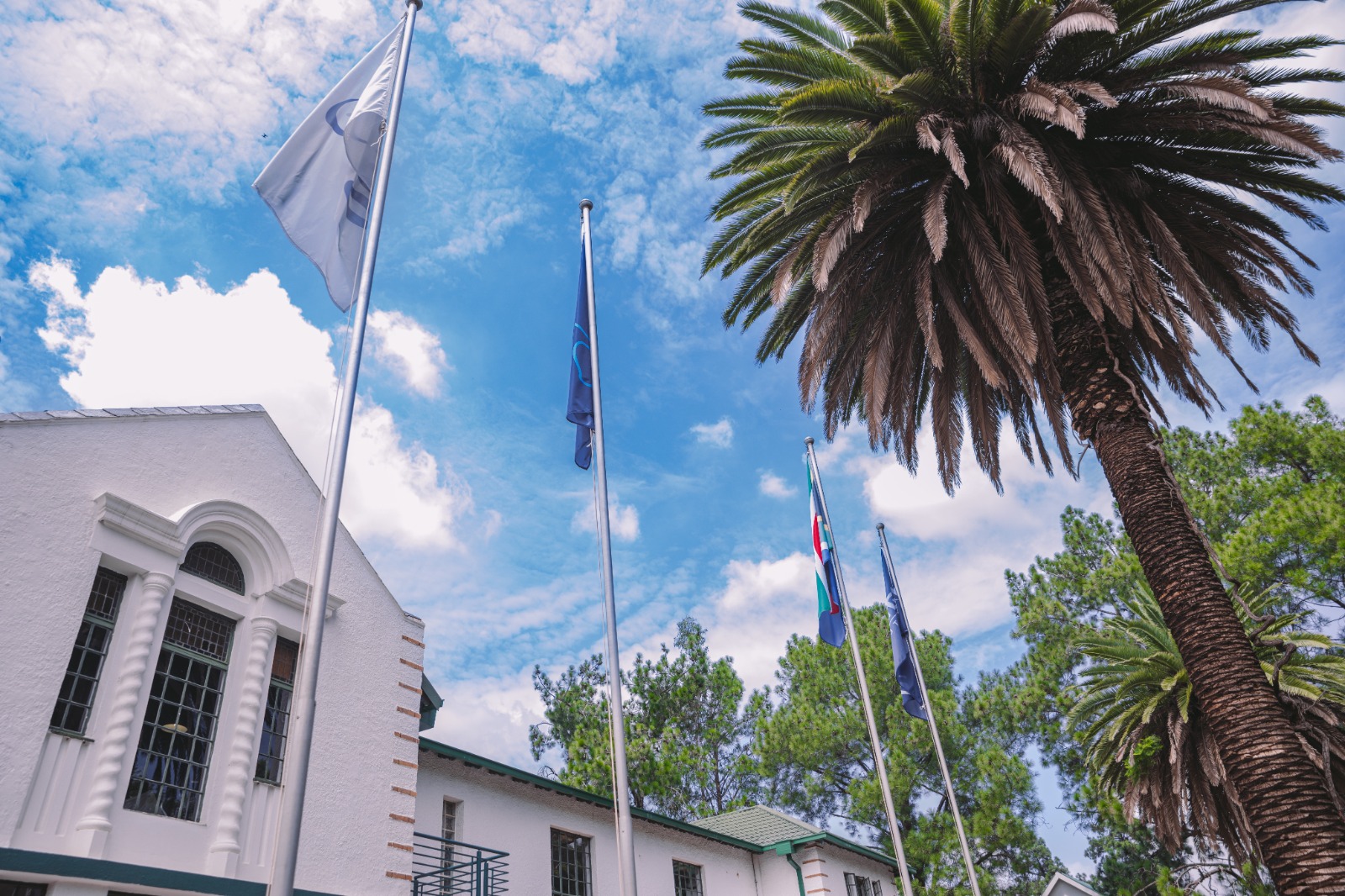
A key partner in the delivery of the programme was the Free State Department of Agriculture and Rural Development (FSDARD). Their support enabled the programme to be hosted at Glen College of Agriculture, a historic institution with deep roots in farmer development.
The partnership carried both practical and symbolic importance. Glen College has long served as a training ground for agricultural excellence, and its use as the programme venue reinforced the broader vision of revitalising the institution as a hub for developing future agricultural leaders.
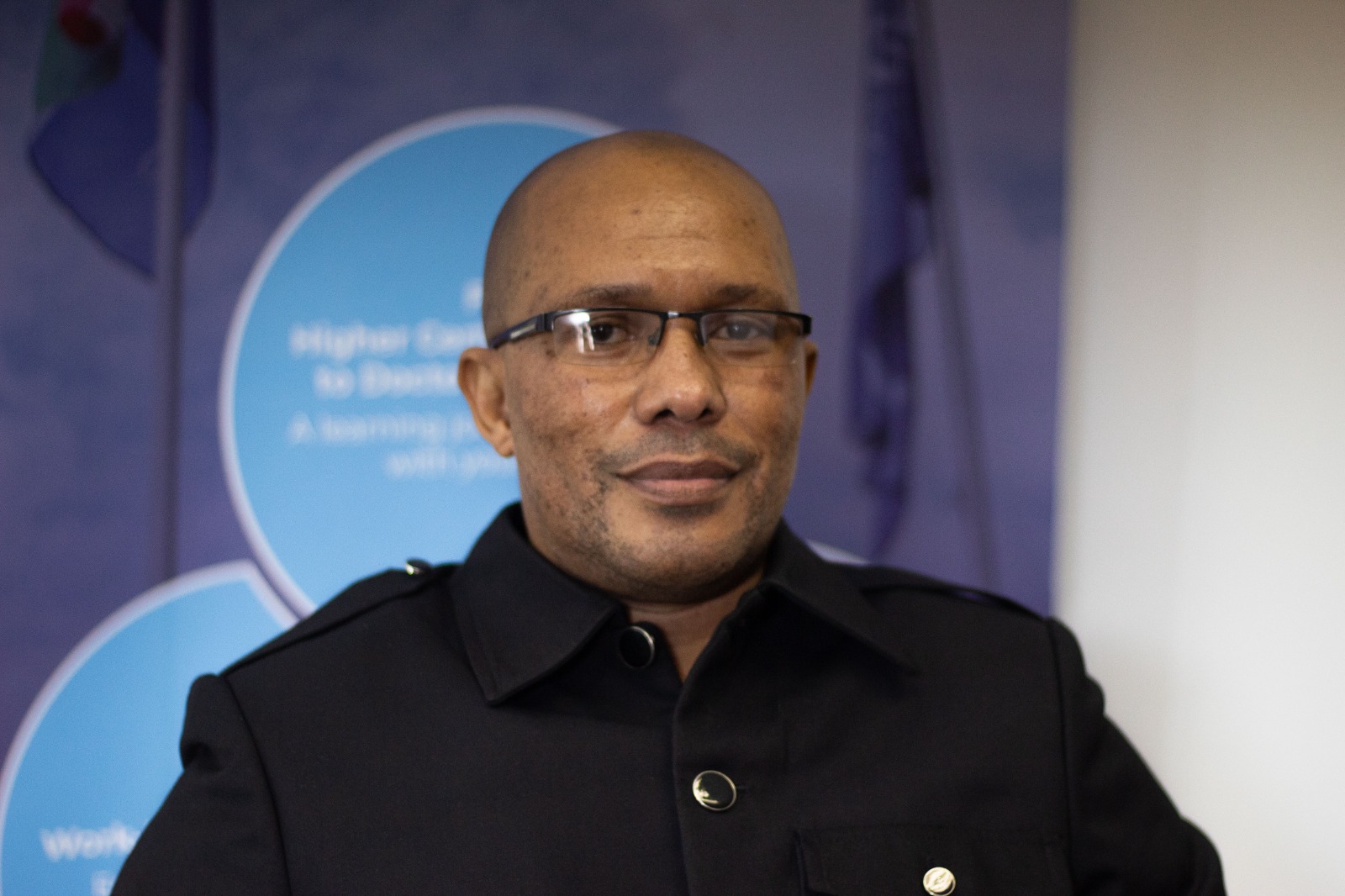
During the close-out ceremony, Tshepo Mabilo, Head of Department for Agriculture, Rural Development and Environmental Affairs in the Free State, encouraged participants to pursue entrepreneurship as a pathway to job creation and economic participation. He emphasised the importance of resilience in building businesses and navigating the inevitable challenges of entrepreneurship.
His message reinforced the central aim of the programme: not merely to train participants, but to shift how young people see themselves, from aspiring farmers to entrepreneurs capable of building sustainable enterprises.
Building Entrepreneurs, Not Just Producers
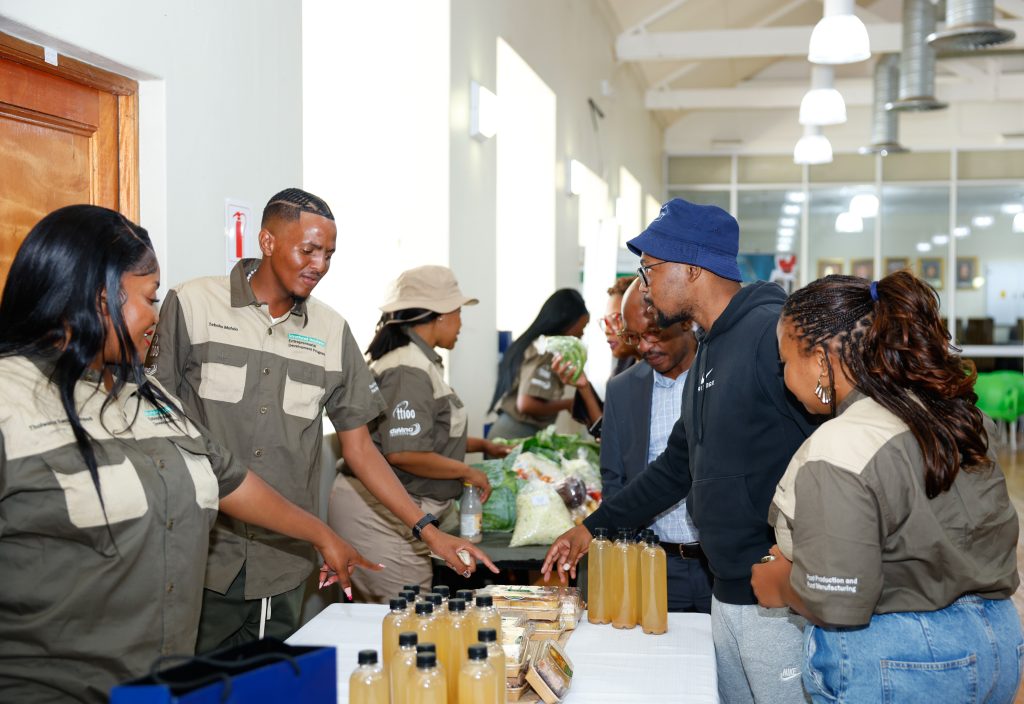
The Structured Incubated Entrepreneurial Development Programme is designed to move participants beyond informal trading into structured leadership business development.
The programme integrates practical and academic learning to equip agribusiness owners with the tools required to operate competitively within agricultural economy.
Its delivery is built on seven interconnected components:
- Academic Modules: Five modules from a Higher Certificate at NQF Level 5
- Business Simulation: Practical exercises that mirror real-world business decisions
- Masterclasses: Sessions with industry experts across the agri-food ecosystem
- Trend Workshops: Exposure to evolving consumer markets and emerging opportunities
- Value Chain Workshops: Understanding how value is created, captured, and lost within agricultural systems
- Business Coaching: Individualised support tailored to each participant’s enterprise journey
- Business Proposal Development and Food Festival: A culminating showcase where participants present their products and business concepts to stakeholders and potential partners
The objective is clear: participants must leave the programme with the ability to operate sustainable businesses that trade consistently, grow profitably, and participate confidently in agricultural markets.
The Close-Out: Proof of Progress
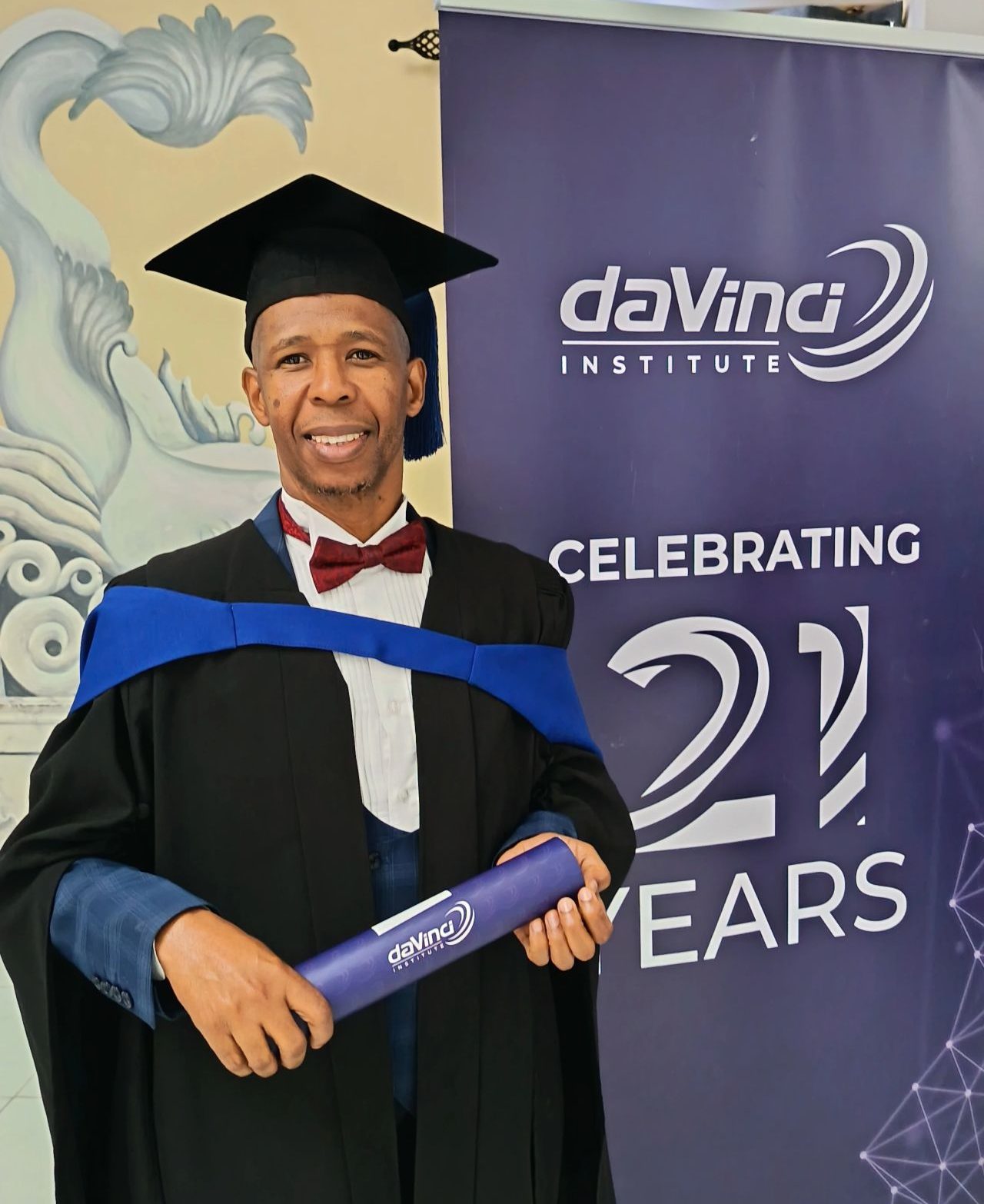
The Structured Incubator programme concluded with a graduation and food festival that demonstrated the tangible progress made by participants.
Entrepreneurs showcased their products and business ideas to a room filled with government representatives, industry stakeholders, and community partners. The event provided both recognition of individual achievement and evidence of the programme’s impact.
More importantly, it demonstrated the potential for structured entrepreneurial development to strengthen agricultural participation among youth. The event also generated interest from new partners who recognise the importance of building a pipeline of capable young agripreneurs.
One such organisation, Farmers Lovers, has expressed interest in exploring collaboration with tt100 and The DaVinci Institute to expand the reach and impact of the initiative. This alignment reflects a growing recognition that the future of South African agriculture will depend on coordinated efforts across government, industry, and educational institutions.
The Work Continues
While the close-out marked an important milestone, it is not the end of the journey. The work now shifts toward deepening partnerships, strengthening market access, and expanding opportunities for youth to build sustainable businesses within the agricultural economy.
Developing capable agripreneurs is not a short-term project. It is a long-term investment in the economic resilience of rural communities and the productive capacity of South Africa’s agricultural regions.
The Free State has always fed the nation. Now, a new generation is emerging, one that will not simply inherit this legacy but build on it, innovate within it, and expand it. The breadbasket is growing something new, and the harvest is only just beginning.
Leave a Reply