I write this as a reflection of my learning journey through the Postgraduate Diploma in Business Leadership, and how it has shaped my current view of project management as a leadership and enabling discipline in modern organisations.
There is a quiet misconception about project management that persists across industries. When delivery flows smoothly, the work often fades into the background because it appears uncomplicated. Yet when pressure emerges in the form of tightened deadlines, unrealistic stakeholder expectations, slipping delivery commitments, and competing priorities, it is then that project management suddenly becomes highly visible. In those moments, it becomes clear that project management is not simply a role, but a form of leadership that has been carrying more weight than most realise.
That realisation was sparked for me by a recent discussion on LinkedIn about the unseen pressure project managers carry. It resonated because it gave words to something many practitioners feel instinctively, but seldom articulate. It is for this reason that I have titled this piece Holding the Structure. In my experience, project managers often hold the structure that keeps change moving, particularly in environments that are fragmented, uncertain, or stretched.
The deeper I progressed through my postgraduate studies, the clearer this pattern became to me. In practice, project management is far less about schedules and artefacts, and far more about absorbing complexity, enabling people, managing uncertainty, and providing clarity so that progress can continue and intended outcomes can be realised.
Why the pressure feels heavier now
Across industries, organisations are operating in environments that are defined by constant change. Strategies shift rapidly, regulatory demands intensify, technology cycles accelerate, and delivery teams juggle more concurrent initiatives than ever before. In this context, pressure isn’t caused by effort alone; it is caused by how work is introduced, sequenced, and governed.
A recurring leadership challenge today is that demand often exceeds real capacity, but that reality is rarely shaped upfront. Work enters execution in pieces, rather than as a coherent flow from start to finish.
Dependencies are discovered late. Critical skills are assumed to be available when needed. When those assumptions break, someone has to hold the consequences. Very often, that someone is the project manager. This is not a failure of project management, but rather a consequence of systems that rely on individual roles to compensate for structural gaps.
What my learning clarified
One of the most important shifts in my thinking through formal study and research was moving away from viewing delivery problems as isolated execution issues. Instead, I began to see them as systemic patterns.
Pressure usually surfaces at execution, but it is created much earlier, when work is approved without realistic sequencing, when priorities are unclear, or when constraints are invisible until they are already under strain. Once execution begins, project managers are expected to keep momentum, manage expectations, and make trade-offs often with incomplete or vague information.
This learning reframed how I see the role. Project management is not about controlling uncertainty out of existence. It is about navigating uncertainty without allowing the system to collapse, by holding enough structure, clarity of outcomes, sequencing of work, decision accountability, and transparency around constraints so that uncertainty does not turn into chaos.
Project management as leadership, not administration
At its core, project management is an enabling discipline. It sits between strategic intent and operational reality. It translates direction into action and protects that action from becoming fragmented.
In practice, this means project managers routinely do the following:
• Align conflicting priorities without losing the outcome.
• Identify risks early, even when they are uncomfortable.
• Make decisions or recommendations when information is incomplete.
• Keep stakeholders informed and expectations realistic.
• Maintain calm when pressure is high.
None of this is administrative. All of it is leadership!
The challenge is that much of this work is invisible when it is done well. The structure holds, the system flows, and no one notices the amount of effort required to keep it that way.
Why structure matters more than heroics
Modern delivery environments do not reward heroics for long. Constant firefighting creates the illusion of progress while undermining sustainability. What actually improves outcomes is structure that is designed intentionally and not imposed bureaucratically.
This includes demand shaping before execution, clarifying decision rights early, sequencing work realistically, and making constraints visible. When these elements are in place, project managers are freed to lead rather than compensate. When they are absent, project managers absorb organisational stress on behalf of the system. This is where project management intersects with leadership most clearly as it is the point at which structure becomes protection.
A future-ready view of the discipline
Looking ahead, I believe that project management will continue to shift away from rigid plan-tracking and towards flow-based leadership. The emphasis will be less on perfect forecasts and more on intelligent sequencing, focus, and decision quality. This will increasingly require a more integrated and holistic way of thinking, where complexity is not managed in isolated parts, but understood as an interconnected system that must remain aligned under pressure. In many ways, that ability to hold alignment across many parts may become one of the discipline’s most important leadership responsibilities.
Technology and analytics will increasingly support this shift by improving visibility and reducing administrative load. But no tool will replace the human responsibility of judgement such as deciding what to start, what to defer, and how to communicate trade-offs clearly and honestly. In that future, successful project managers will not be defined by how closely they follow a methodology, but by how effectively they hold structure when pressure rises.
Holding the structure
What I keep coming back to is this: when project management works, it looks simple, but when it’s absent, everything starts to feel fragile. Project managers don’t just manage timelines. They hold the structure that allows change to happen without falling apart. That structure is often invisible, but its absence is immediately felt.
Understanding that has fundamentally reshaped how I view the discipline and my role within it. Project management, at its best, is not about enforcing process; it is about enabling progress under pressure, with clarity and integrity. In a world where change is constant and demand continues to exceed capacity, project management is no longer just a delivery function but a critical leadership capability that determines whether organisations move forward with clarity or struggle under pressure.
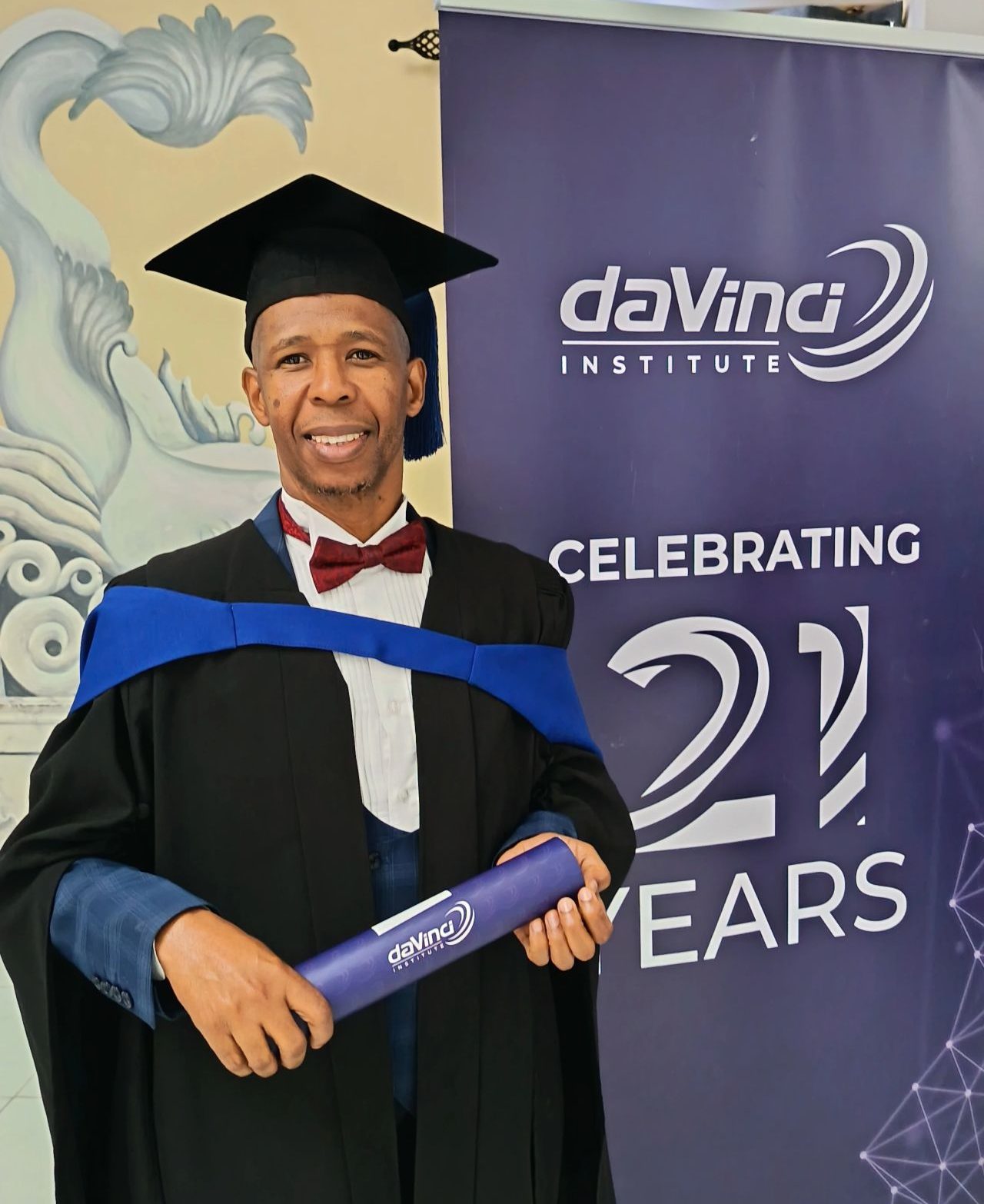
In closing, I would also like to acknowledge The DaVinci Institute for a truly enriching learning journey, spanning both my BCom in Business Management degree and the Postgraduate Diploma in Business Leadership. I am deeply grateful to the lecturers and learning coordinators for their continued guidance, support, and for creating an environment that encouraged growth and gave me a voice.
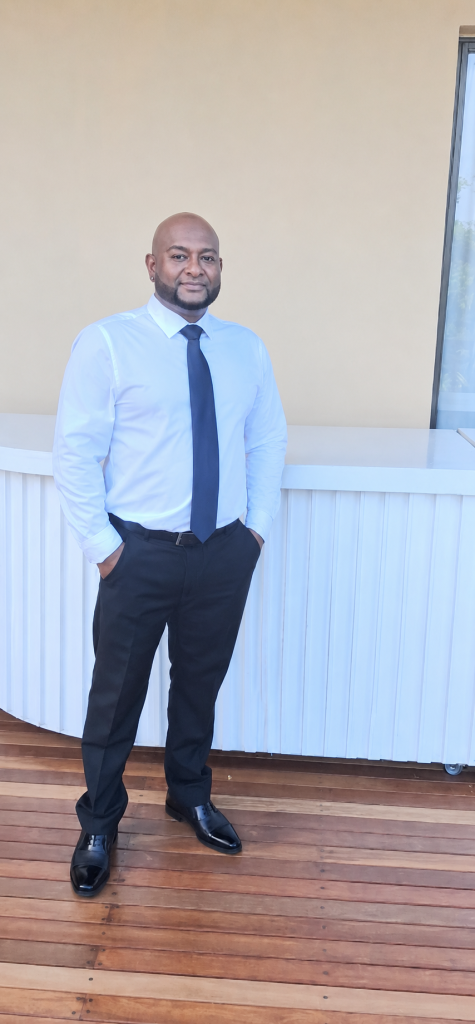
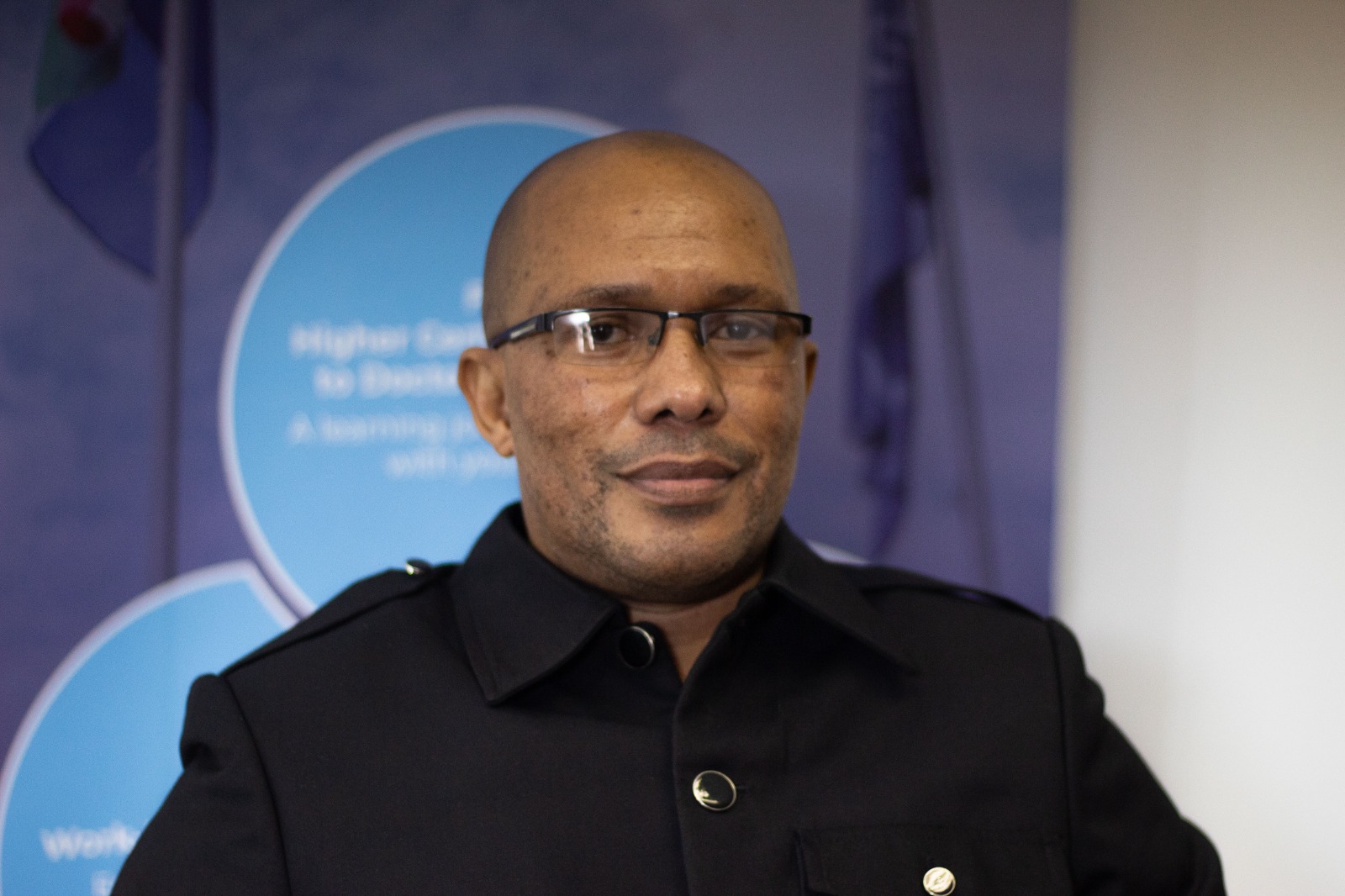
Delen Moodley is the alumnus of The DaVinci Institute, he is currently a Programme Manager at a bank.
Leave a Reply