Author: Malema Seroba

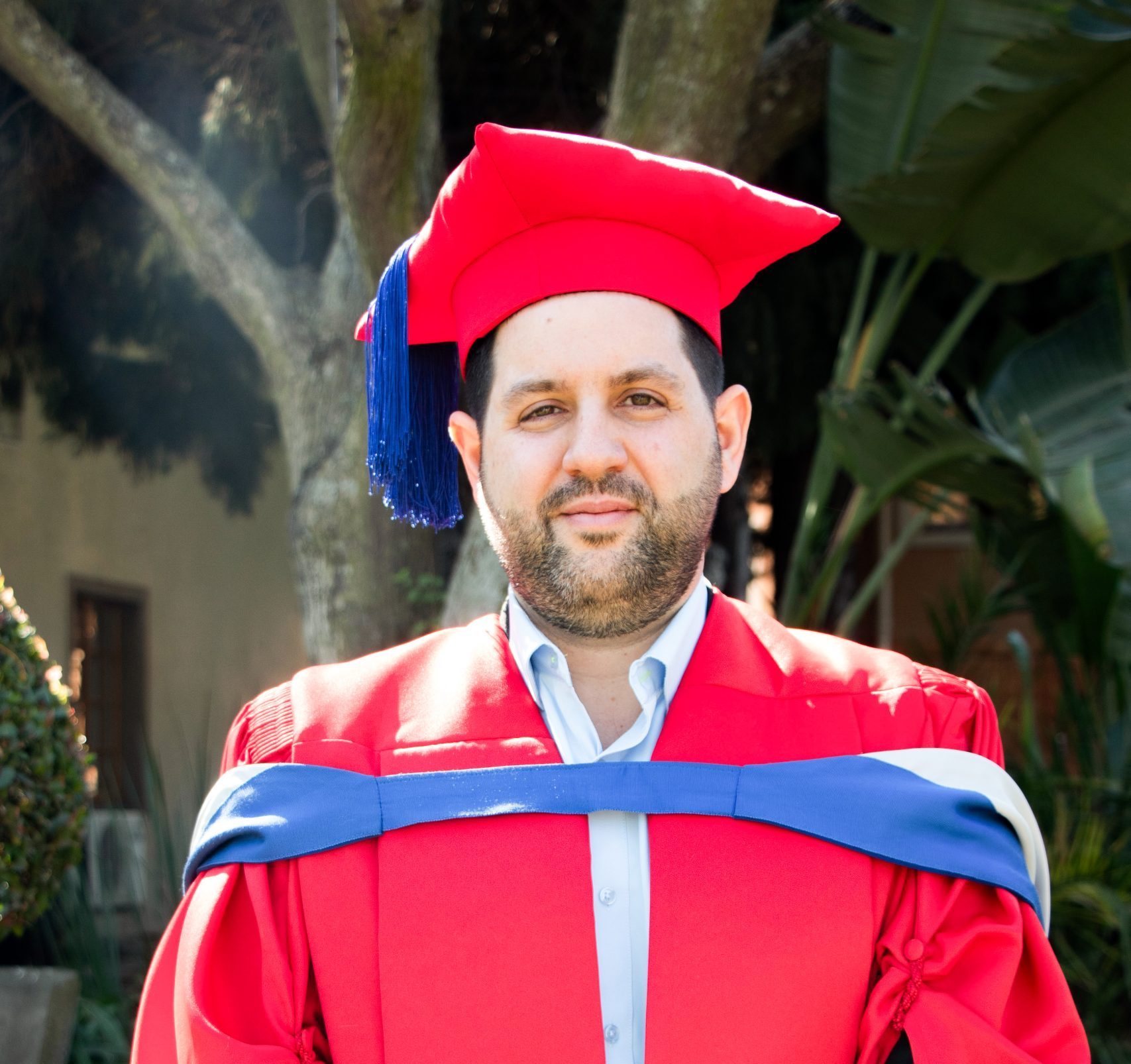
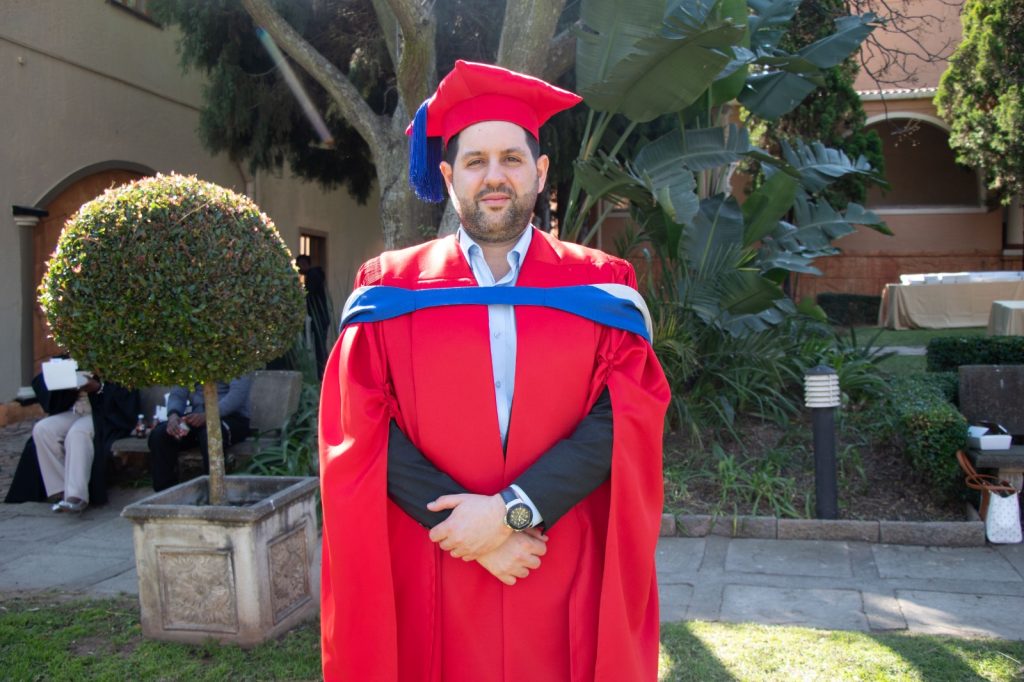
  • Profiling The Remarkable – Dr Vincent Blennies

    Profiling The Remarkable – Dr Vincent Blennies

    Dr Vincent Blennies, what was your most significant challenge that you faced doing a doctoral degree and how did you overcome it? 

    Yeah, I think one of the most challenging things I faced was the preconceived idea or notion that I can do my doctorate within a record time. That is normally the kind of challenge that I believe we as students do face, and that opened my thinking towards the idea that, well, it is not a qualification that you should do within record time. The aim is to understand how a qualification can shape your thinking. That, for me, was one of the most challenging things I faced in my initial journey. 

    Considering your work experience, do you think there was a need for you to study for a PhD? 

    You know, PhD to me is like a comrade. It is a marathon. It is a journey that you, as an individual, must embark on. It is a lifetime achievement. I think one of the most challenging things one faces on this journey is getting that injury from your Achilles heel, as an example.

    Because on this journey, it is not, you know, it is a literal, like, emotional roller coaster. There are days when you feel that you would like to finish this thing, and there are days when you just leave your books. I think for me, from a career perspective, this journey was important. It is a needed journey, as well as based on my past, being from banking, telecommunications, as well as healthcare.

    And currently, I am the CEO of the National Film and Video Foundation of South Africa. I think this has benefited me a lot. 

    What advice would you give to an incoming doctoral student at The DaVinci Institute based on your experience?

    For me, one of the critical things I will give from an advisory perspective is that I will recommend that you give yourself time, you allow yourself the opportunity to grow. Give yourself the latitude or the palatability for you to embrace other information or knowledge and do not be afraid to ask. And something critical that I have learned on this journey is that this journey will shape your thinking and it will humble you. You get to discover how little you know. 

    Dr Vincent Blennies, in a few words, can you describe your journey to completing your qualification? 

    In a few words, my journey has been interesting. When I embarked on my journey, my biological mom was still alive. And today is an opportunity for me to celebrate this lifetime achievement in her absence, but also to dedicate this day to her and these qualifications to her. There is now a complete focus and appreciation for the journey that I have embarked on and what it will mean for our family, because in my family, I will be the first to earn a doctoral degree.

    Dr Vincent Blennies, the world is evolving quickly. Do you find the TIPS™ Framework relevant?

    I think TIPS™ plays a critical role from a technology, innovation, people, and systems perspective because organisations need to innovate. Organisations need to embrace the new change. When we look at the year 2030 and beyond, what is relevant or what was relevant five years ago will not be relevant 10 years from today. I believe TIPS™ plays a critical role from a technology perspective, innovation, people, and systems.

    Because you cannot operate an effective or manage an effective organisation without understanding the TIPS™ framework. By embracing the TIPS™ framework, I believe listed companies globally, regionally, or even nationally, will be able to enhance their current processes, be it processes, financial modeling, or even from a profitability perspective. Technology plays a critical role because that is where the systems come in.

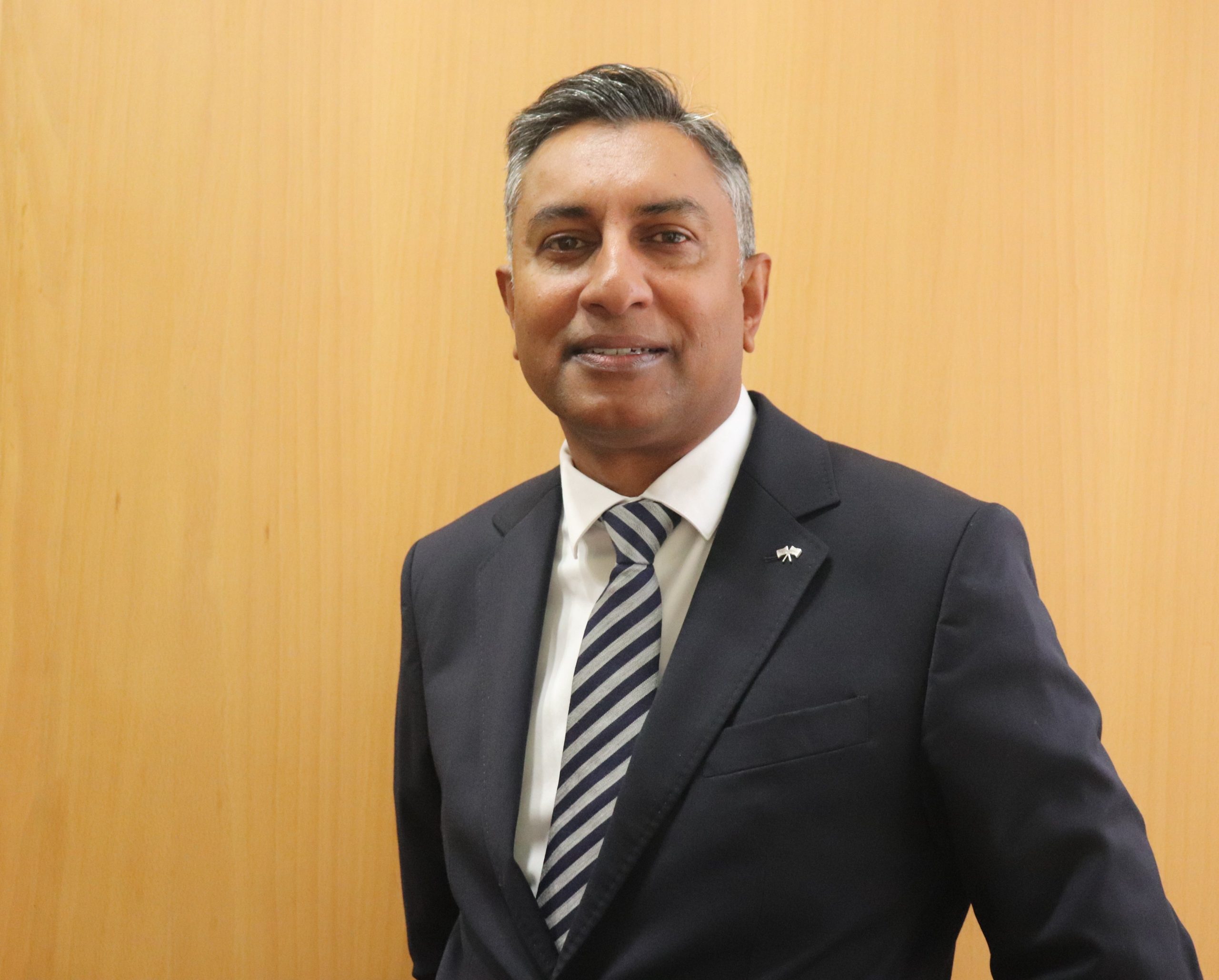
  • PROFILING THE REMARKABLE – Dr Skhumbuzo Clement Mtetwa

    PROFILING THE REMARKABLE – Dr Skhumbuzo Clement Mtetwa

    Dr Skhumbuzo Clement Mtetwa, please give us a brief overview of your career to date and whether the studies will be able to assist in terms of the development of your career or bring solutions to what you are seeking to achieve?

    After my primary and secondary education. I pursued a diploma in Information Technology at the Bahá’í University of Technology. My academic journey continued as I obtained an MBA from MANCOSA and participated in several executive programs at the University of Pretoria and GIBS.

    These educational experiences have significantly shaped my professional path, particularly in my collaborations with scientists and technology professionals. I am deeply passionate about empowering young people, especially those from rural backgrounds to access quality education. Education is the key to transforming lives.

    As I embark on my PhD journey, I am committed to leveraging my knowledge and experiences to give back to my community. My goal is to inspire and support the next generation, ensuring that young individuals can pursue their studies and improve their circumstances.

    What is the most significant challenge you have faced during your doctoral journey at The DaVinci Institute and how did you overcome it?

    One of the most significant challenges I faced was achieving a work-life balance. This task can be particularly demanding, especially for someone who is a family person and a husband. Balancing work responsibilities, parenting, and academic pursuits can be exceedingly difficult. Initially, I struggled to adjust and find balance in my life.

    However, a conversation with a friend proved enlightening. He advised me that even dedicating just one page a day to my studies would be sufficient. Inspired by this advice, I began waking up each day at 2:00 am and dedicating the two hours from 2:00 am to 4:00 am to my academic work. By committing to this routine, I realised that focusing on just one page a day could enable me to complete my PhD within three to four years. This approach not only made my goals more manageable but also instilled a sense of accomplishment in my daily life.

    Dr Skhumbuzo Mtetwa, how did your journey impact the way you think as you were starting your PhD?

    Well, it has changed a lot from just engaging with your peers. A simple thing is responding to a question in a meeting. People can tell that this guy has an incredibly good knowledge, your opinion matters, especially when you speak with empirical evidence, people can listen to you. You are also able to pay more attention to detail. You can be able to substantiate your answers with evidence. It changes the way you do things, the way you talk, and the way you address people. 

    It changes a lot, and the respect that you get from your peers as well, because when you are doing a PhD, it is no child’s play. Yes, of course. I mean, doing a PhD in management of technology and innovation,

    One of the key frameworks there is TIPS™, because it is the management of technology. You are not only producing innovative ways, but you also need to understand how technology can be managed. My study was about the implementation of the different technologies in the higher education sector. Looking at the current challenges that the higher education sector is facing in terms of intake, and just to adopt these technologies, we have quite a bit of them. The TIPS™ framework must be implemented as part of the studies so that the management of technology is well taken care of, so that the students and the lecturers, going forward, including the institutions, can be able to implement these technologies.

    Dr Skhumbuzo Mtetwa, what advice would you give to someone or incoming doctoral students who are embarking on this journey, based on the experience that you have gained from your studies?

    I know studying for a PhD sounds like a big thing, or that now you must stop your life, focus on studying. No, you can still do everything else that you do while you are studying for a PhD. You just need to dedicate an hour per day to your studies. That is enough. You will be able to finish. So, you can still balance your life. You do not have to stop everything. Balance your life but just dedicate some time. Every day, just dedicate one hour to take the minutes, to read, to get in the journal, all that again. You will be able to accomplish your studies. 

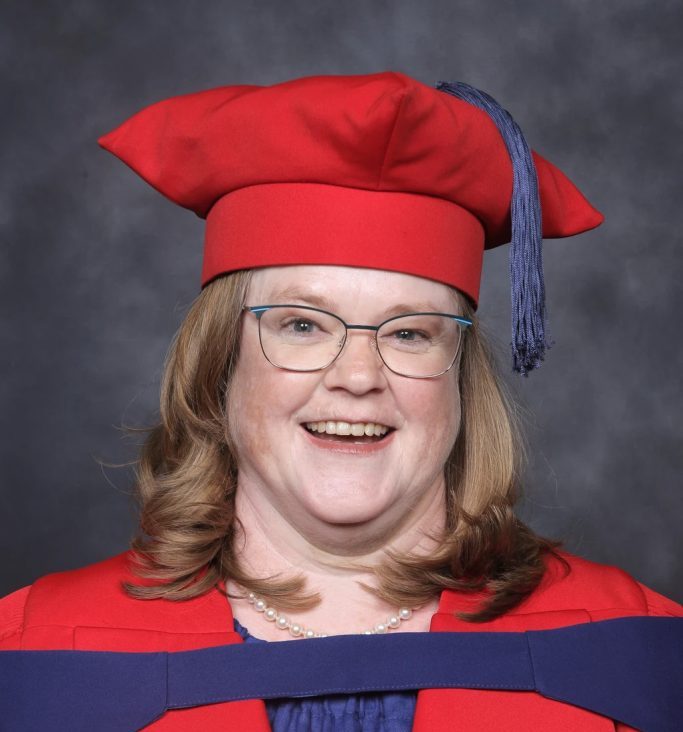
  • DaVinci Alumna Shaping Africa’s Education Future

    DaVinci Alumna Shaping Africa’s Education Future

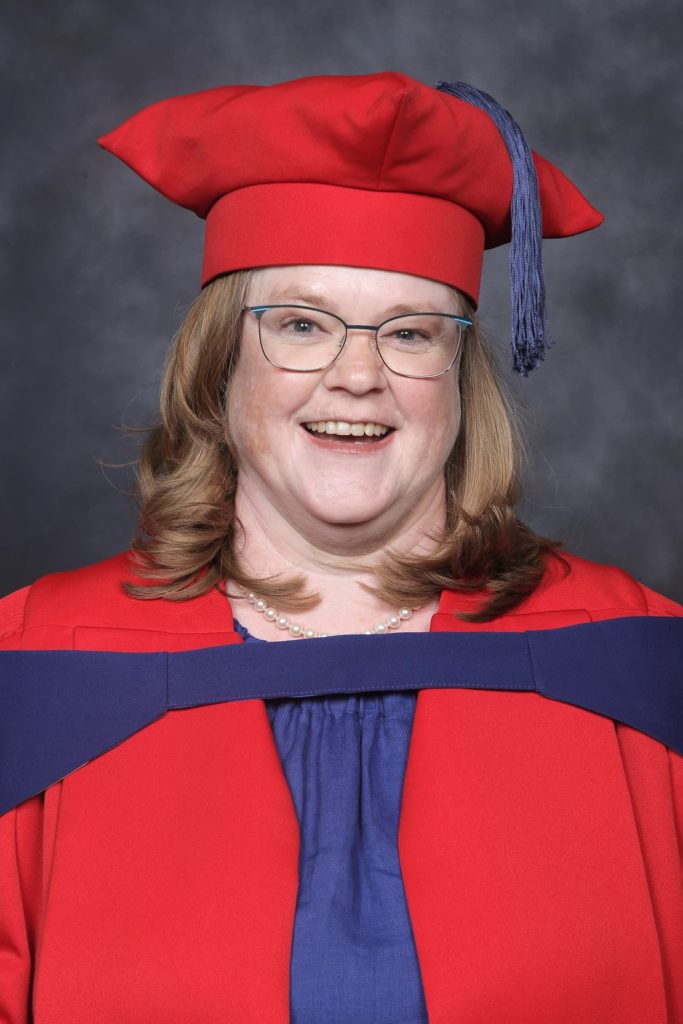
    The DaVinci Institute celebrates its 20 years of remarkability and co-creation. Since 2004, the institute has produced quality leaders who are transforming industries and societies, one of the spotlights is Dr Linda Meyer, the current Managing Director at IIE Rosebank.

    She studied for her Doctor of Philosophy doctorate in Management of Technology and Innovation from The DaVinci Institute., with her thesis focused on Discussions in education: A post-modern approach.

    20-Year Celebration Message

    “Congratulations to The DaVinci Institute on this remarkable 20-year milestone. Your commitment to cultivating purpose-driven leadership and pioneering the integration of technology, innovation, people, and systems thinking has positioned the Institute as a global exemplar of transdisciplinary education. At a time when the world is confronting unprecedented social, economic, and environmental challenges, DaVinci’s model stands out as a beacon of relevance and resilience. May this celebration be both a moment of reflection and a launchpad for an even more profound impact on global education and human development.”

    DaVinci’s Leadership Empowerment

    Dr Meyer said her doctoral experience at DaVinci was transformative. It empowered her to interrogate systems, challenge orthodoxy, and implement evidence-based strategies across complex educational and organisational landscapes.

    “The Institute’s emphasis on contextualised research and applied knowledge strengthened my capacity to lead institutional reform and develop sustainable education ecosystems across South Africa and beyond,” stated Dr Meyer.

    The intellectual journey drawn from the institute has enriched Dr Meyer’s contributions to policy, academic leadership, and enterprise development across the African continent and in international forums focused on education and innovation.

    Impact of TIPS™ Framework and Mode 2 Knowledge Production

    What makes The DaVinci Institute unique, according to Dr Meyer, is its defining example of the TIPS™ Framework in action was during the implementation of a multi-institutional turnaround strategy. Applying Mode 2 knowledge production, she leveraged insights from staff, students, policymakers, and industry partners to co-create a responsive governance and performance model.

    “This dynamic, participative approach, so central to DaVinci’s ethos, ensured that solutions were not only academically robust but also socially attuned and practically executable. It demonstrated that knowledge, when co-created and applied systemically, can produce sustainable organisational transformation,” stated Dr Meyer.

    Significance of Co-Creation

    DaVinci’s emphasis on co-creation has deeply informed Dr Meyer’s approach to leadership in education. She alluded that by embracing collaborative innovation and rejecting siloed thinking, she has been able to drive strategies that are responsive to market shifts and community needs.

    “Whether engaging with industry to shape curricula or working with government to improve skills pipelines, the foundation laid by DaVinci has enabled me to foster cross-sector partnerships that prioritise both employability and societal advancement. This approach is increasingly critical in preparing graduates to be globally competent, ethically grounded changemakers,” stated Dr Meyer.

    Advice to Students

    Dr Meyer advised and encouraged current students and emerging scholars to remain intellectually agile, socially conscious, and relentlessly curious.

    “The world needs professionals who can traverse disciplines, engage with complexity, and lead with integrity. Use the TIPS™ Framework not just as an academic tool but as a life philosophy—one that embraces innovation, human-centred leadership, and systemic insight,” stated Dr Linda.

    Adding that journey will not be linear, but it will be gratifying if anchored in purpose and contribution. Students should learn to embrace both failure and learning as part of the path toward meaningful impact.

    Envisioning DaVinci’s Potential

    “Moving forward, I see DaVinci playing a pivotal role in shaping globally conscious, system-literate leaders who are equipped to drive inclusive development. In an era defined by artificial intelligence, climate crisis, and socio-political flux, institutions like DaVinci must continue to cultivate leaders who can navigate complexity with ethical clarity and strategic vision,” stated Dr Meyer.

    Dr Meyer, in closing, indicated that by expanding its DaVinci’s international footprint, deepening its research agenda, and continuing to foreground co-creation and innovation, DaVinci can remain a vital contributor to both African and global progress, empowering leaders who not only adapt to change but shape it.

  • Dr Ntombi Mhangwani: A DaVinci Success

    Dr Ntombi Mhangwani: A DaVinci Success

    What does it take to stay ahead when the world of work is changing so fast? As the DaVinci Institute marks its 20th anniversary, we continue to be a place where many of South Africa’s top leaders have come to grow. With industries evolving and traditional roles shifting, more and more experienced professionals are choosing to return to the classroom, not just to keep up, but to lead the way forward.

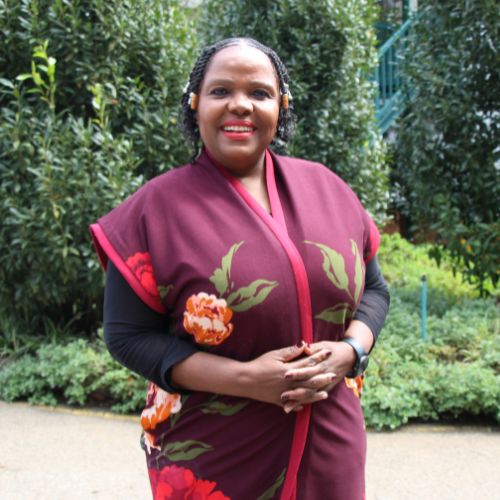
    One example is Dr. Ntombi Mhangwani‘s story. She studied for a doctorate at DaVinci Institute, with her thesis focusing on “Developing a leadership model for fundamental change in the fourth industrial revolution.” Her story is a testament to the power of determination and resilience. As a Head of Marketing at Vodacom Business and an alumnus of the DaVinci Institute, she has inspired many with her journey.

    Curiosity Sparked a Doctoral Journey

    From her early days as a marketing director at Accenture to pursuing her Doctorate Of Philosophy In Management Of Technology and Innovation, her path has been marked by a passion for learning and growth. Driven by curiosity about the future, Dr Mhangwani began to reflect on whether her role would evolve or remain unchanged in the years ahead. Rather than wait for the answer, she chose to deepen her knowledge through further study. Her decision to pursue a doctorate was shaped by her experience at Accenture, where she had worked closely with the DaVinci Institute on innovation awards. That collaboration sparked a lasting interest in expanding her academic journey.

    Dr Ntombi Mhangwani met Prof Ben Anderson, who introduced her to the DaVinci Institute’s unique approach to learning. At the time, it was the only institution offering master’s and doctoral programmes aligned with her academic aspirations. Today, the Institute’s TIPS™ framework continues to shape her professional journey.

    Dr Ntombi Mhangwani, A Transformative Leader

    Dr. Mhangwani’s experience at the DaVinci Institute was transformative. She credits the institute’s focus on real-world challenges and its cooperative framework for helping her develop a deeper understanding of complex technological concepts. Her education empowered her to engage meaningfully with executives and drive innovation professionally.

    One key benefit of DaVinci Institute’s approach is its ability to bridge the gap between theoretical knowledge and practical application. Dr. Mhangwani highlights the disparity between those well-versed in innovation and technology and those in corporate environments who may not fully grasp these concepts.

    “The importance of applying theoretical knowledge to practical situations makes the DaVinci Institute’s approach particularly beneficial for experienced leaders,” stated Dr Mhangwani.

    Equity Empowerment

    As an equality champion, Dr. Mhangwani has been instrumental in promoting diversity and inclusion in the workplace. She believes in the significance of sharing personal stories to inspire others and the need for diverse voices in organisations. She believes women must avail themselves and be at the forefront and lead in their respective fields of interest. Dr. Mhangwani remains committed to empowering more women to actively participate and drive meaningful change across industries.

    Advice to Struggling Students

    For students struggling to balance studies with personal responsibilities, she offered valuable advice on establishing a routine, managing expectations with family, and focusing on goals.

    She encourages students to embrace challenges as part of their growth and believes that success is achievable regardless of past academic performance.

    Dr. Mhangwani stated that if you feel like it is just too hard to focus and complete your studies as a woman, just know it is doable. Sooner or later, you will realise it was worth it after all.

    “To make it work, I had to tell my friends and family that in the next four years, I will be focused on my studies. At the time, I was already a mother and a wife; there were times I felt like it was impossible to complete, but I kept going every day,” she stated.

    When asked if she could do a doctorate, she stated that she will embark on the journey again if there is an opportunity and time.

    Mode 2 Knowledge Production

    The institute’s approach is particularly beneficial for experienced professionals like Dr Mhangwani, who can apply theoretical knowledge to practical situations and drive innovation in their professional lives. The institute’s focus on real-world challenges and its cooperative framework makes it suitable for advanced degrees like a doctorate.

    Dr. Mhangwani’s story inspires many, and her journey with the DaVinci Institute reminds us that with determination and the right support, anyone can achieve their goals and make a meaningful impact in their profession and community.