
Author: Malema Seroba

  • Women Emancipation As A Catalyst for Jordan’s Future

    Women Emancipation As A Catalyst for Jordan’s Future

    Women emancipation in Jordan faces a striking paradox. While the nation boasts one of the highest female literacy rates in the Middle East, it continues to record one of the lowest female economic participation rates. This gap stems from entrenched patriarchal structures, cultural expectations, and legal barriers that constrain women’s agency. In response, Dr Mayyada Haidar Abu Jaber’s doctoral research introduced the Integral Framework for a Regenerative Ecofeminist Economy (IFREE), a model that unites feminist empowerment with environmental stewardship.

    The Problem: Women’s Emancipation

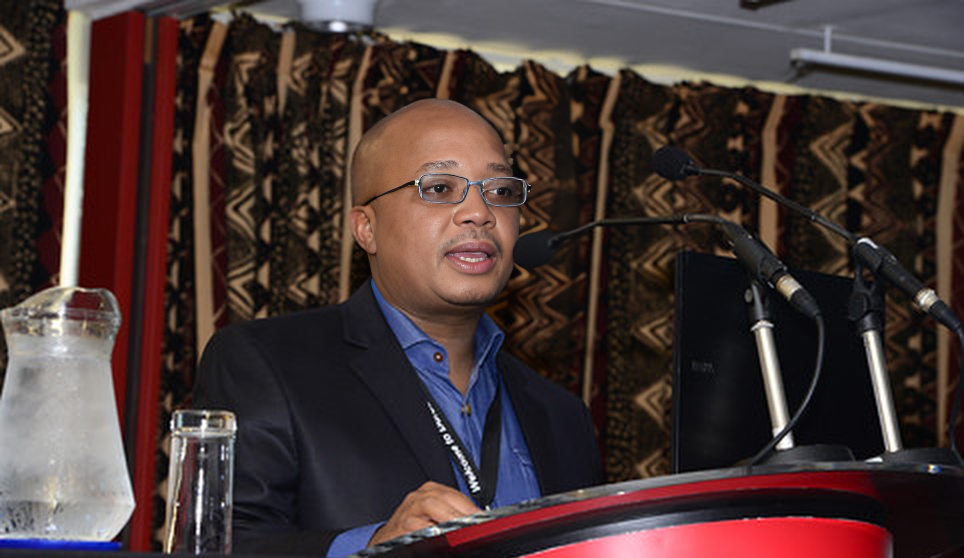
    Dr Mayyada Abu Jaber
    Dr Mayyada Abu Jaber

    Jordan’s modernisation has been superficial, retaining a neo-patriarchal core that marginalises women. Legal codes, societal attitudes, and workplace discrimination combine to keep women in domestic roles despite their education. Employment opportunities are further limited by cultural restrictions, guardianship laws, and stereotypes that favour male breadwinners. This gender gap mirrors global patterns of inequality but is particularly entrenched in the MENA region.

    Cultural Roots and Lost Balance

    Historically, Bedouin society valued both women and nature. Women were active in governance, agriculture, and even warfare. This harmony eroded as masculine systems took over, reducing women’s public roles and degrading the environment. Traditional concepts like Hima (land conservation zones), Diwan (community gatherings), and Ficr (thought and inquiry) were once central to a balanced society and serve as pillars in the proposed solution.

    Research Approach

    The study follows an Integral Worlds framework, blending descriptive research, phenomenology, feminist critique, and cooperative inquiry. Dr Abu Jaber’s methodology integrates:

    • Grounding in community heritage (Southern realm: nature & community)
    • Emergence of cultural and spiritual renewal (Eastern realm)
    • Navigation through knowledge systems (Northern realm)
    • Effecting change through practical action (Western realm)
    • The journey mirrors the formation of a desert rose, building transformative change layer by layer.

    The IFREE Model

    The Integral Framework for a Regenerative Ecofeminist Economy seeks to:

    • Empower women economically through co-created, culturally grounded enterprises.
    • Restore respect for nature via revived conservation traditions like Hima.
    • Foster inclusive decision-making through gender-integrated Diwan gatherings.
    • Promote critical thinking and knowledge-sharing inspired by Arab philosophical heritage (Ficr).

    Central to the model is FICRI (Feminist Integral Centre for Research and Innovation), a hub for community engagement, policy advocacy, and regenerative enterprise development.

    Community Activation: Women’s Emancipation

    In Southern Shouneh, near the Dead Sea, the research facilitated Ficr circles involving women, youth, tribal leaders, religious authorities, and policymakers. These circles became spaces for co-creating feminist economic solutions, from ecological farming cooperatives to tourism initiatives.

    Validation and Outcomes

    Through cooperative inquiry, the IFREE model was assessed and refined. The research demonstrated:

    • Increased community awareness of women’s economic potential.
    • New enterprises aligned with ecological and cultural values.
    • Stronger local networks supporting women’s leadership.
    • A replicable model adaptable across Jordan and the wider Arab world.

    Conclusion

    Dr Abu Jaber’s work reframes women’s emancipation in Jordan as inseparable from ecological regeneration and cultural revival. The IFREE model stands as a holistic, indigenous, and sustainable approach to dismantling patriarchal systems, restoring environmental balance, and ensuring that women, like the desert rose, can flourish in even the harshest conditions.

  • Implementing BBBEE In The South African Banking Sector – A Leadership Lens

    Implementing BBBEE In The South African Banking Sector – A Leadership Lens

    Thembekile Myeni, an alumna at The DaVinci Institute, embarked on a study on post-apartheid South Africa. Broad-Based Black Economic Empowerment (BBBEE) has been a cornerstone policy aimed at addressing historical inequities and promoting socio-economic inclusion. Myeni’s master’s dissertation explored a critical yet under-researched area, the lived experiences of senior leaders implementing Affirmative Action as part of BBBEE strategies in the South African banking sector.

    Thembekile Myeni

    Context and Purpose

    While BBBEE policies are often assessed through metrics like representation and procurement spend, Myeni’s study shifted the focus to leadership, the people driving transformation from within. Recognising the emotionally charged and politically complex nature of BBBEE, the research examined how executive leaders tasked with implementation perceive, experience, and make sense of this responsibility.

    The study narrowed in on the “management control” element of the Financial Sector Scorecard, which includes Employment Equity. This focus is particularly relevant in the banking industry, where transformation efforts have shown measurable but uneven progress, especially at senior levels.

    Research Approach

    Adopting a qualitative, phenomenological methodology within an interpretivist paradigm, Myeni conducted in-depth, semi-structured interviews with 10 senior leaders (Black and white, male and female) from a large South African retail bank. The study aimed to surface nuanced insights into their perceptions, emotional responses, sense-making, and leadership development needs.

    Key Findings

    Three major themes emerged:

    Mixed Perceptions of Affirmative Action

    Leaders held diverse views; some saw Affirmative Action as necessary for redress and inclusion, while others expressed concerns about reverse discrimination or felt ill-equipped to drive meaningful transformation. Both white and Black leaders acknowledged the tension between transformation mandates and operational performance goals.

    Emotional and Psychological Impact

    The leaders often experienced emotional strain, uncertainty, and fatigue due to the complexity and sensitivity of implementing equity measures. Mental wellness emerged as a critical but overlooked factor influencing leadership effectiveness during transformational change.

    Skills and Support Gaps

    Many participants felt they lacked the necessary skills to lead transformation successfully, such as emotional intelligence, conflict resolution, change management, and strategic communication. Leadership development initiatives often failed to address these gaps, leaving leaders to navigate complex racial dynamics without sufficient guidance.

    Contribution and Implications

    The study offered leadership practice and development guidelines aimed at supporting more effective implementation of BBBEE strategies. It suggests that transformational change leadership must be intentional, values-driven, and supported by tailored leadership development that includes wellness, emotional resilience, and systems thinking.

    From a theoretical standpoint, the research expanded the body of knowledge on transformational change and leadership within socio-politically complex environments. Practically, it called for a shift from compliance-based transformation to authentic, inclusive leadership that fosters belonging and drives systemic change.

    Conclusion

    The success of BBBEE, particularly in high-impact sectors like banking, relies not just on policies and scorecards but on the people leading these efforts. Myeni’s research underscores the importance of listening to those voices, leaders navigating the frontlines of transformation and equipping them to lead with empathy, strategy, and courage.

  • DaVinci Institute Partners With Thinc Foundation To Advance Transformative Education

    DaVinci Institute Partners With Thinc Foundation To Advance Transformative Education

    The DaVinci Institute has partnered with the Thinc Foundation, marking a significant step forward in advancing transformative, future-focused education in South Africa and beyond.

    A Strategic Partnership for Future-Focused Learning

    This collaboration brings together the innovation-driven ethos of the DaVinci Institute and the developmental vision of the Thinc Foundation to co-create, facilitate, and promote accredited education programmes under the DaVinci brand.

    Shared Commitment to Empowerment

    With a shared commitment to empowering individuals and communities through learning, the partnership is poised to deliver programmes that are not only academically rigorous but also deeply responsive to the evolving social and economic landscape.

    Combining Strengths for Impact

    This association will leverage the unique strengths of both organisations:

    • DaVinci Institute’s expertise in designing human-centric, systems-thinking-based learning journeys
    • Thinc Foundation’s commitment to innovation, social impact, and entrepreneurial development

    Together, the partners aim to offer transformative educational experiences through their facilities, including programmes in Economic Transformation, Local Government, and Public Administration, among others.

    Addressing South Africa’s Key Challenges

    Mandla Letlape
    Mandla Letlape – CEO of Thinc Foundation

    “This collaboration is aimed at developing long-term thinking to address South Africa’s key challenges, using evidence-based research and academic rigour to frame and understand the issues the country faces,” said Thinc Foundation CEO, Mandla Letlape.

    Enhancing Student Learning

    Through this strategic collaboration, students can expect enriched learning experiences that integrate:

    • Real-world relevance
    • Practical insights
    • Visionary thinking

    These are all hallmarks of the DaVinci approach to education.

    Enhancing Public Sector Leadership

    Prof Ben Anderson

    “This partnership will focus on developing business leaders, using DaVinci’s TIPS™ framework to enhance the public sector through rigorous research. Furthermore, it aims to improve the state of local government in South Africa,” stated DaVinci Institute CEO, Prof Ben Anderson.

    Looking Ahead

    The DaVinci Institute and Thinc Foundation look forward to launching their first joint initiatives in the coming months. They invite all prospective students, stakeholders, and partners to join this exciting journey toward educational transformation and innovation.

  • Leadership Characteristics And Styles Of Heads In Private Schools In South Africa

    Leadership Characteristics And Styles Of Heads In Private Schools In South Africa

    Dr Ronél Burger’s doctoral research investigated the leadership characteristics and styles of Heads (principals) in private schools in South Africa. The motivation stemmed from her extensive career in education and her personal experience in establishing new private schools. She observed that successful leadership in private schools demands a unique blend of educational expertise and business acumen, unlike public schools, where financial viability is not a key concern for principals. 

    With private schooling expanding rapidly post the 2008 global financial crisis, identifying the right leaders became critical for sustainable success. This study sought to define traits and leadership styles that would increase the likelihood of success for Heads of private institutions..

    Problem Statement and Objectives

    The central problem identified was the absence of clear criteria or tools to assess and predict the success potential of school Heads in the private sector. Many initial appointments failed due to mismatched leadership qualities, leading to significant financial and educational consequences. The study aimed to discover whether certain common traits or leadership styles exist among successful Heads and whether these could inform a potential decision-making tool for recruitment.

    The Main Objectives

    • Examining leadership theories and constructs related to traits, characteristics, and styles.
    • Identifying which traits or styles are common to successful private school Heads.
    • Compiling a list of criteria that can predict successful leadership.
    • Exploring the development of an assessment tool for employers.
    • Determining how these leadership characteristics influence school success.

    Theoretical Framework

    Dr Ronél Burger
    A research paper on: Leadership Characteristics And Styles Of Heads In Private Schools In South Africa

    Dr Ronel Burger: Assessing leadership characteristics and styles of heads in private schools in SA

    The research was framed using the Head, Heart and Hands model, which integrates cognitive, emotional, and practical aspects of leadership. The Head represents strategic thinking and vision-setting; the Heart relates to emotional intelligence, interpersonal relationships, and inspiring others, while the Hands focus on execution and implementation. This framework was chosen for its comprehensive applicability in assessing leaders beyond traditional management competencies.

    Additionally, the study reviewed a broad spectrum of leadership theories, including Transformational Leadership, Servant Leadership, Trait Theory, Situational Leadership, and Emotional Intelligence. It noted that leadership remains a complex and often contested domain, with no universal agreement on what defines success.

    Research Methodology

    A qualitative research design was employed, given the exploratory nature of the study. Nine participants, all successful Heads of private schools with proven track records, were purposefully selected through a combination of stratified and judgmental sampling. Data collection was multi-faceted, including psychometric assessments (Herrmann Brain Dominance Instrument – HBDI and Gibson Cognitive Test) and personality questionnaires.

    The Grounded Theory approach guided data analysis, allowing themes and patterns to emerge inductively from the data. Responses were analysed through the lens of the Head, Heart and Hands framework, and participant insights were coded and color-coded accordingly.

    Findings

    The analysis revealed a dominant reliance on both the Head and the Heart aspects of leadership among the participants. Strategic thinking, emotional intelligence, and inspirational motivation emerged as significant contributors to successful school leadership. However, there was no singular or universal combination of traits that guaranteed success. Each leader brought a unique mix of qualities suited to their context, suggesting that adaptability and self-awareness are as important as any fixed set of traits.

    Despite the variation, the importance of authenticity, emotional intelligence, and purpose-driven leadership was repeatedly underscored. The study concluded that although a decision-making tool may not produce definitive predictions, it could still aid employers in making more informed leadership appointments.

    Conclusion and Recommendations

    The study affirmed that successful private school Heads exhibit a blend of strategic (Head) and emotional (Heart) competencies, supported by a strong ethical foundation and the ability to inspire teams.

    While it was not possible to isolate a fixed set of traits that guarantee success, several recommendations were made:

    • Institutions should include psychometric and personality assessments during recruitment.
    • Employers should prioritise emotional intelligence and strategic thinking in their criteria.
    • Leadership development in private schools should focus on cultivating authentic, purpose-driven leaders.
    • Burger recommended further research to expand the data pool and possibly refine an evidence-based decision-making tool. She also highlighted the need for leadership frameworks that are context-sensitive and adaptable to the unique challenges of private education in South Africa.
  • HRD Practices’ Influence Performance Of Public Sector Organisations

    HRD Practices’ Influence Performance Of Public Sector Organisations

    The DaVinci Institute master’s alumnus Naledi Kgofelo embarked on a study to explore how Human Resource Development (HRD) practices influence the performance of public sector organisations. The study focused specifically on the Media, Information and Communications Technology Sector Education and Training Authority (MICT SETA), a South African public institution mandated to promote skills development within the media and ICT sector.

    The Study Objectives

    The primary aim of the research was to assess the extent to which HRD practices contribute to employee and organisational performance. It sought to determine the relationship between these practices and employee output, examine how aware employees were of HRD efforts within their organisation, and evaluate the implementation and effectiveness of existing HRD strategies.

    Research Approach 

    Quantitative research design was employed, supported by some qualitative elements to provide additional context. Data collection was conducted through questionnaires and focus group discussions involving 86 employees out of the 96 staff members at MICT SETA. 

    Statistical analysis tools such as SPSS and STATA were used to ensure the reliability of the findings, with Cronbach’s Alpha employed to measure internal consistency.

    The Key Findings 

    The study found that although performance appraisal mechanisms were in place, they were not always perceived as fair or effective by employees. While the organisation had made some effort to recognise and reward high performance, issues such as limited transparency, lack of follow-up, and inadequate alignment between appraisal results and rewards were noted. 

    Training and development were acknowledged as essential but were hindered by insufficient structuring and underfunding. Furthermore, career and organisational development strategies were either weak or not clearly communicated, leading to a sense of disconnection and low motivation among staff.

    Another critical finding was that employees’ understanding of HRD practices varied significantly, indicating a gap in communication or training around the importance and role of HRD. Additionally, there appeared to be a lack of commitment from management in ensuring that performance management systems were applied consistently and meaningfully. Overall, the HRD practices at MICT SETA were found to have potential but were not optimally executed.

    From a theoretical perspective, the findings reinforce the importance of HRD as a strategic function within organisations. The study suggested that HRD can drive performance and service delivery when aligned with broader organisational objectives. Practically, the research highlighted the need for public institutions to adopt inclusive and transparent HRD strategies that empower employees through training, career progression, and fair performance assessments.

    Recommendations

    To address the identified challenges, the study recommended that MICT SETA strengthen its HRD systems by recruiting capable human resources personnel, conducting regular skills audits, improving systems for training and compliance, and ensuring proper linkages between performance and reward. 

    These efforts should be part of a long-term strategic plan that treats HRD not as an administrative function but as a critical driver of organisational excellence.

    In conclusion, the study provided valuable insights into how HRD practices affect performance in the public sector. It called for a more structured, well-resourced, and employee-centred approach to human resource development, one that can contribute to better service delivery, improved staff morale, and stronger organisational outcomes in public institutions like MICT SETA.

  • DaVinci’s Students’ Well-Being Our Top Priority – SRC President Patrick Mugumo

    DaVinci’s Students’ Well-Being Our Top Priority – SRC President Patrick Mugumo

    The voice of students at The DaVinci Institute is a key priority. Through the Student Representative Council (SRC), the students at DaVinci can voice their issues and make contributions to the development of the institute. The mandate of the committee is clear, to advocate for students’ rights and to remain their voice throughout their academic journey.

    Speaking to SRC President, Partrick Mugumo, he indicated that when their term started in 2024, their mandate was clear and ambitious: to advocate for students’ rights, foster a culture of inclusivity and transparency, and enhance the overall student experience at The DaVinci Institute. 

    “We were tasked with bridging the gap between students and institutional leadership, ensuring effective communication, and addressing concerns promptly and constructively,” stated the SRC President.

    Challenges SRC Faced

    Mugumo stated that there have been challenges managed by the SRC office since their term started. Students faced several challenges, notably financial constraints, academic pressures, mental health concerns, and limited access to resources. 

    “Our office addressed these issues by reaching out to the institution to prioritise accessible channels for academic support,” stated Mugumo. 

    The DaVinci’s SRC is in the process of strategic development to transition from a reactive to an initiative-taking approach, including finding ways to provide financial support to students and implementing a mental health awareness programme. This is a positive direction to prioritise the needs of the students at DaVinci. 

    Mugumo’s Reflection on the Term

    Patrick Mugumo (Student Representative)
    Patrick Mugumo

    Reflecting on his term thus far, serving as the SRC President has been profoundly rewarding and insightful for Mugumo. It is not easy to be the voice of a diverse student community; however, this experience has taught him the importance of empathy, active listening, and decisive action. It has also underscored the crucial role of collaboration and open dialogue in fostering positive change.

    Before concluding their term, as SRC, they aim to enhance student wellness programmes, implement comprehensive financial aid structures and advocate for policy improvements to support academic excellence and inclusivity. 

    “We aim to strengthen alumni-student networks to foster long-term engagement and mentorship,” stated Mugumo. 

    Policies Driven By Current SRC

    Reflecting on the policies driven by the current SRC team, since the election, they have advocated for and influenced several policies, including enhanced learning and teaching, expanded mental health services, and improved guidelines for online and hybrid learning environments. 

    “These policies are designed to address student needs and directly improve academic outcomes,” stated SRC President. 

    Mugumo indicated that student well-being remains a top priority in our efforts. As SRC, they are planning regular feedback loops, including surveys, focus groups, and Class rap meetings, to ensure that students’ voices inform their actions. In addition, he elaborated that feedback indicates significant improvements in support services, although continuous efforts are still needed to address persistent challenges, such as financial stress and academic workload pressures.

    Message for 20th Anniversary

    In closing remarks, President Mugumo has wished the institute a happy 20 years of remarkable work.

    “We commend the bold visionaries who laid the foundation for this journey, the resolute academics who guided it with passion and wisdom, and the inspiring students whose commitment and curiosity continue to drive meaningful change in our society,” he stated. 

  • The Importance Of Framing In A Chaotic Structured Environment

    The Importance Of Framing In A Chaotic Structured Environment

    In the dynamic and often unpredictable world we live in, particularly within a chaotic structure environment, the need for structured thinking has never been greater. During the session for Economics, held on 22 July 2025, The DaVinci Institute’s students were encouraged to look beyond rote learning and begin forming a coherent, interconnected understanding of their academic content.

    The facilitator, Dr Chris Harmse, encouraged students during the session to begin a deeper journey, one that situated theoretical knowledge within real-world complexities.

    Key Takeaway

    A key takeaway was that structure is not a luxury, it is a necessity. Yet, the act of structuring knowledge itself can be seen as a form of privilege in an uncertain and fragmented world. This idea was deliberately provocative, inviting students to explore not just what they are learning, but why and how they are learning it.

    Thematic Integration and Real-World Application

    Students were challenged to draw links between macroeconomic theory and present-day realities, including pressing issues such as inequality, unemployment, and institutional reform. The conversation touched on South Africa’s economic landscape and extended to broader African and global contexts.

    Students were reminded that economics is not just an academic discipline; it is a lens through which we can understand and possibly shape the world around us. With this mindset, themes such as economic systems, policy interventions, and global integration were no longer abstract topics but part of a live conversation about development, justice, and sustainability.

    Shifting the Role of the Student

    DaVinci students

    Central to the session was a shift in learning philosophy. DaVinci students are not viewed as passive recipients of content, but as co-creators of knowledge. The facilitator repeatedly underscored the idea that the real power of the tuition programme lies in student engagement, through questions, discussion, reflection, and the courage to challenge existing assumptions.

    This call for the agency went beyond lecture participation; it was also a prompt for students to take full responsibility for their academic journey. 

    A Structured Path Ahead

    The facilitator indicated to students that as the programme moves toward its final stages, the focus will now shift to a systematic breakdown of each of the seven themes. These will be explored using real-world case studies, past paper questions, and facilitated group discussions. Students were encouraged to prepare actively and contribute meaningfully to these sessions. 

    In DaVinci, we believe students are knowledge co-creators, not consumers; they are expected to challenge convention.

    The facilitator also invited students to begin drafting their thematic frameworks, personal maps that connect economic theories to contemporary issues they care about. This exercise is not only a form of revision but a way to personalise their academic journey and strengthen their ability to communicate complex ideas.

    Learning Approach At DaVinci

    Sessions like these are a significant turning point in how learning is approached within DaVinci’s programmes. With a blend of academic structure, reflective inquiry, and practical application, students are equipped to move forward with purpose. As facilitator, Dr Harmse reminded them, success will not come from memorising answers, but from developing a deep and structured understanding of the world around you. This message is particularly relevant in today’s fast-changing, often chaotic environment. 

  • Dr Regan Berry Explored The Systemic Challenges Facing Township Primary Schools

    Dr Regan Berry Explored The Systemic Challenges Facing Township Primary Schools

    The DaVinci Institute’s doctoral alumnus conducted a study exploring systemic challenges in township education, drawing on over a decade of practitioner experience with a primary school in Alexandra Township, Johannesburg, referred to pseudonymously as “Sekolo.” Despite post-apartheid reforms aimed at educational equity, these schools remain deeply disadvantaged due to ongoing systemic, infrastructural, and psychosocial issues. The thesis unpacks these complexities and offers a practical, holistic solution.

    Research Methodology

    The study used a constructivist grounded theory approach with a constructivist ontology and interpretivist epistemology. It combines multiple qualitative methods:

    • 18 semi-structured interviews
    • Autoethnography
    • Document analysis
    • Two listening posts

    Theoretical Framework

    Three key theories shape the study’s analytical lens:

    • Ecological Systems Theory (Bronfenbrenner) – to understand the layers of influence (microsystem to macrosystem) affecting township schools.
    • Spiral Dynamics Theory – to explore the worldviews and collective value systems of school stakeholders.
    • Systems Psychodynamic Theory – to examine unconscious group behaviours and social defences that protect communities from trauma and anxiety.

    Key Findings and Themes

    The research identified nine key areas impacting the core task of learning and teaching:

    School Leadership and Governance, Vision and Strategy, Boundaries, Policies, Processes, and Systems, Equipping and Empowerment, Supportive Networks, Infrastructure and Resources, Containment (providing emotional safety) and Organisational Culture.

    These were synthesised into a practical transformation framework guiding how township schools can transition from dysfunction to hope and resilience. The framework includes both the “what” and the “how” of change, integrating psychosocial, organisational, and educational dimensions.

    Impact of COVID-19

    A significant portion of the thesis also reflects on how the pandemic exacerbated existing inequalities and strained every domain of school functioning, leadership, infrastructure, culture, and emotional well-being.

    Autoethnographic Insights

    Dr Regan Berry
    Dr Regan Berry explored the systemic challenges facing township primary Sschools In South Africa.

    The researcher weaves in her own emotional, ethical, and professional journey throughout the transformation process. Her reflections lend depth to the theoretical and practical discussions, particularly on the psychological toll of transformation and the importance of hope and relational leadership.

    Contributions of the Study

    • Theoretical: Offers a novel integration of systems psychodynamics, Spiral Dynamics, and ecological theory in an educational context.
    • Practical: Provides a usable framework for school leaders, policymakers, and NGOs working in education.
    • Personal/Reflective: Highlights the importance of practitioner reflexivity and relational engagement in transformative work.

    The study asserted that transformation in township schools is possible but requires deep systemic understanding, psychological safety (containment), and long-term commitment. It ends with a hopeful message, encouraging educators and leaders to act with resilience and relational wisdom.

  • Karl Tischlhauser Investigated The Effectiveness Of E-learning In Africa

    Karl Tischlhauser Investigated The Effectiveness Of E-learning In Africa

    The DaVinci Institute’s alumnus in Master of Management in Technology and Innovation, Karl Tischlhauser, embarked on a study to investigate the effectiveness of e-learning in Africa using data from the Google IYF soft skills development programme, implemented in Kenya, Nigeria, and South Africa through Coursera. The programme aimed to equip unemployed young people with skills in Project Management, IT Support, and UX Design. 

    Karl Tischlhauser MMTI Alumni

    The research focused on understanding how five key factors, study context, tools, language, time, and learner experience, affect learner performance.

    Key Findings

    • Significant Correlation: The study finds statistically significant relationships between learner performance and the identified independent variables (context, tools, language, time, experience).
    • Digital Divide Impact: Rural learners, particularly in South Africa, struggled more due to infrastructure and digital access, which impacted success rates.
    • Language & Communication: Language barriers and digital literacy were critical issues, especially in multilingual and under-resourced regions.
    • Time Allocation & Routine: Structured time management and consistent routines improved learning outcomes.
    • Positive vs Negative Experiences: Positive learning experiences lead to improved future engagement, while negative ones require corrective strategies.

    Research Design

    • Approach: Quantitative, mono-method study using secondary data from the programme.
    • Methodology: Regression and correlation analysis across datasets from 2021–2023.
    • Sample Size: Targeted 1,500 learners annually (500 per country), with analysis based on actual participation data.

    Conceptual & Theoretical Framework

    The study drew on learning theories (classical, operant, cognitive, social), andragogy, and adult learning principles. It also used Illeris’s learning dimensions (cognition, emotion, sociality) and DaVinci’s TIPS™ framework (Technology, Innovation, People, Systems) to contextualise findings and recommendations.

    Recommendations:

    • Customised Learning Approaches: Programmes must be tailored to learners’ linguistic, cultural, and technological contexts.
    • Technology Access & Support: Invest in infrastructure and low-data-use platforms to close the digital divide.
    • Flexible Learning Structures: Provide time-flexible learning modules to accommodate different paces.
    • Language Inclusivity: Offer multilingual support and consider mother-tongue education strategies.
    • Experience Enhancement: Design programmes that build positive, motivating experiences.

    Outcome

    The research culminated in a framework for improving similar future e-learning programmes in Africa. It highlighted the need for context-sensitive, inclusive, and empirically informed digital education models.

  • Navigating Complexity With The Cynefin Framework

    Navigating Complexity With The Cynefin Framework

    The Cynefin Framework is a critical framework that helps in navigating complexities. The DaVinci Institute’s Head of Faculty, Management of Innovation and Head of Programmes, Bachelor of Commerce and Postgraduate Diploma, Dr Mamohau Sekgaphane, shared with Higher Certificate students, during an onboarding session, by grounding participants in the metaphor of music and energy, highlighting how internal states influence group dynamics. She introduced the Cynefin Framework by Snowden and Kurtz as a powerful sense-making tool designed at IBM during a time of uncertainty. 

    The Framework Domains

    The framework has four domains: Simple, Complicated, Complex, and Chaotic, with a central space of Disorder.

    • In the Simple domain, things are known and repeatable, often leading to overconfidence. Dr Sekgaphane cautioned that being stuck in simplicity can result in stagnation, particularly when the context has shifted. 
    • The Complicated domain demands analysis and expertise, encouraging questioning and deliberate decision-making. 
    • In contrast, the Complex domain requires probing and curiosity, accepting that outcomes emerge rather than being predictable. 
    • The Chaotic domain, though seemingly disruptive, can spark innovation if harnessed intentionally.

    She urged participants to examine where they and their organisations operate within this framework, reminding them that equilibrium and agility are achieved by navigating all domains rather than being trapped in one. Mastery, she noted, lies in fluidity, knowing when to sense, analyses, probe, or act decisively.

    The Role of Energy and Team Dynamics

    Dr Mamohau Sekgaphane - Head of Faculty: Innovation Management

    Dr Sekgaphane further introduced Harold Jarche’s energy matrix, which explores how team functionality is shaped by the interaction between agreement levels and social interaction. She illustrated three types of team structures:

    • Coordinated: Low agreement and low social interaction; characterised by rigid top-down control and limited innovation.
    • Collaborative: Moderate interaction and growing trust; still leader-led but allowing some autonomy.
    • Cooperative: High agreement and high interaction; self-directed teams that embody systems thinking and agility.

    She challenged participants to reflect on their organisational cultures and ask: Where do I sit? and How do I facilitate movement towards a more self-guided, collaborative structure?

    TIPS Managerial Framework and Holistic Leadership

    Linking back to the TIPS (Tools, Integration, People, Systems) managerial framework, Dr Sekgaphane reflected on the integration of belief systems and diverse worldviews in shaping inclusive leadership. She emphasised the importance of transdisciplinarity, heterogeneity, and embracing multiple truths, encouraging leaders to create safe spaces where team members can show up authentically.

    In the context of religious and cultural diversity, she used the metaphor of integrating various belief systems under a common organisational framework. By doing so, systems become more inclusive and innovative. She challenged the idea of singular truth and stressed that heterogeneity strengthens system agility when diversity is embraced, not resisted.

    Fifth Industrial Revolution (5IR) and the Human Imperative

    The DaVinci Institute’s Head of Faculty, Management of People and Head of Programmes, Higher Certificate, Advanced Certificate and Advanced Diploma, Prof Lucky Mathebula, transitioned the conversation to the Fifth Industrial Revolution, drawing on historical perspectives of prior revolutions. From mechanisation (1IR) to automation (3IR) and robotisation (4IR), each phase aimed to improve human productivity. However, 4IR increasingly displaced humans from the centre of value creation.

    In 5IR, humanity is returning to focus, technology with empathy. Prof Mathebula explained that 5IR is the age of high cognition, requiring humans to think more and do less. As machines and AI take over routine tasks, humans must refine their creative, ethical, and emotional intelligence.

    Technological Convergence and the 5IR Landscape

    5IR is characterised by the convergence of technologies (AI, biotechnology, blockchain, IoT, etc.) and disciplines. This fusion gives rise to man-machine synergy, bioconvergence, and innovations such as designer babies and drone-operated warfare. He drew parallels between past pandemics, such as the 1918 Spanish Flu and COVID-19, as accelerators of technological adoption, explaining how crises often push latent innovations into mainstream usage (e.g., assembly lines and remote working technologies like Zoom or MS Teams).

    Prof Mathebula warned that 5IR will fracture routine-based jobs, demanding that professionals reinvent their value propositions. Fields like insurance, healthcare, logistics, and education must adapt rapidly to automation, blockchain security, and data intelligence. Blended learning and transdisciplinary thinking are now essential tools for survival and innovation.

    Future of Work and Ethical Reflections

    Dr Sekgaphane and Prof Mathebula addressed the urgent need for ethical frameworks in technology and leadership. Prof Mathebula raised critical questions about biotechnology and AI, who defines what is ethical in a world of designer genetics and automated warfare? As face recognition and autonomous systems rise, privacy, autonomy, and identity must be reconsidered.

    They called on participants to take full responsibility for their development. With 90% of modern learning occurring outside formal structures, through self-directed digital learning and life experience, the onus is on individuals to cultivate self-awareness, curiosity, and agility.

    Rise, Reflect, Reframe

    Closing with a nod to Andra Day’s song “Rise Up,” Dr Sekgaphane and Prof Mathebula reminded participants that the greatest revolution is internal. Leaders must reflect daily, observe their mental models, question assumptions, and commit to ongoing personal reinvention. In a world of converging crises and complexity, thinking frameworks like Cynefin, TIPS, and Jarche’s models provide tools to navigate uncertainty, but their power lies in active application and contextual adaptation.