Author: Malema Seroba

  • Enablers And Barriers To Learning Transfer Into The Workplace: An Exploration of Company-Sponsored Graduates

    Enablers And Barriers To Learning Transfer Into The Workplace: An Exploration of Company-Sponsored Graduates

    What are the enablers and barriers to learning transfer into the workplace? Organisations in South Africa invest heavily in employee education. Through legislated skills development frameworks, companies sponsor employees to complete formal qualifications, often through higher education institutions. In return, organisations expect improved capability, performance, and competitive advantage.

    Yet, despite these investments, learning does not consistently translate into changed behaviour, improved practice, or organisational value. This gap between learning and learning transfer formed the focus of a recent qualitative study conducted among company-sponsored graduates.

    The DaVinci Institute’s alumna, Meggie Siddiah W Muthee study has explored a critical question: What enables or prevents employees from transferring what they learn into their workplaces after completing a sponsored qualification?

    Learning transfer is not automatic

    A central finding of the study is that learning transfer is not guaranteed. While learning almost always occurs, its transfer into the workplace is often:

    • Unintentional
    • Inconsistent
    • Informal
    • Unmeasured
    • Dependent on individual initiative

    As a result, learning transfer is largely serendipitous rather than strategically designed or supported by organisations.

    This means organisations are often not fully realising the return on their investment in employee education, even when qualifications are completed.

    Enablers and barriers exist on three levels

    The study identified that learning transfer is shaped by the interaction of three systems:

    • The individual (the graduate)
    • The organisation (the workplace)
    • The qualification provider (the education institution)

    Each system can either enable or inhibit transfer.

    Key Enablers Include:

    • Supportive line managers and peers
    • Organisational cultures that value learning and experimentation
    • Roles that allow space to apply new knowledge
    • Relevant, practical, and applied curricula
    • Opportunities to reflect, share, and experiment with learning
    • Recognition and feedback when learning is applied

    Key Barriers Include:

    • Heavy workloads and lack of time
    • Lack of organisational ownership for learning transfer
    • No shared understanding of what “learning transfer” means
    • Learning is seen as separate from “real work.”
    • Rigid roles with no room for innovation or experimentation
    • Poor alignment between what is taught and workplace realities

    Interestingly, many factors were found to be dual in nature, capable of acting as either enablers or barriers depending on how they are enacted. For example, organisational culture, leadership, and performance management can either stimulate learning transfer or suppress it.

    Organisations play the strongest influencing role

    Although the decision to transfer learning is ultimately individual, the study found that organisations exert the strongest influence over whether transfer occurs.

    Employees are more willing and able to transfer learning when:

    • Learning is explicitly valued by the organisation
    • Managers show interest in what employees are learning
    • Space is created to apply, test, and refine new ideas
    • Learning is connected to organisational goals and challenges
    • Transfer is expected, discussed, and supported

    When organisations fail to create these conditions, even highly motivated graduates struggle to apply what they have learned.

    Graduates use their own strategies to transfer learning

    In the absence of formal organisational processes, graduates often rely on personal strategies, such as:

    • Actively seeking managerial buy-in
    • Informally involving colleagues
    • Translating theory into small practical experiments
    • Being self-directed and reflective
    • Sharing insights through conversations rather than formal channels

    While these strategies sometimes succeed, they place the burden of learning transfer almost entirely on the individual, making transfer fragile, uneven, and dependent on personal resilience.

    Learning has value even when it is not transferred

    The study also highlights that learning creates value beyond immediate organisational application. Graduates reported:

    • Increased confidence and professional identity
    • Improved problem-solving ability
    • Greater strategic and systems thinking
    • Enhanced personal growth and career mobility

    However, when this learning is not absorbed into the organisation, its full collective value is lost and may even benefit competitors when employees move on.

    From Serendipity to Strategy

    The study concludes that learning transfer should not be left to chance. Instead, it should be:

    • Designed intentionally
    • Supported structurally
    • Aligned strategically
    • Owned collectively

    Recommendations

    It recommends that organisations, qualification providers, and learners work together as a learning transfer system rather than as separate actors.

    In practical terms, this means:

    • Organisations embedding learning into the purpose of work
    • Managers are being developed as learning facilitators, not just performance supervisors
    • Qualifications are being designed with application and workplace relevance in mind
    • Graduates are being supported as active agents of change, not passive recipients of knowledge

    Conclusion

    This research reframes learning transfer not as an individual responsibility alone, but as a systemic organisational capability. If organisations want education investments to deliver real value, they must move beyond compliance and completion and begin designing environments where learning can live, grow, and be used. Learning changes people. Only learning transfer changes organisations.

  • Announcement Of New Qualifications For 2026 Enrolment

    Announcement Of New Qualifications For 2026 Enrolment

    At The DaVinci Institute, we believe that learning is not merely about acquiring knowledge; it is about co-creating a new reality. In a world defined by uncertainty, complexity, and continuous transformation, education must enable individuals to think differently, act with purpose, and innovate responsibly.

    Introducing New Qualifications for 2026

    It is in this spirit that The DaVinci Institute is proud to announce the launch of two new qualifications available for enrolment from 2026:

    Designed for Emerging Leaders and Innovators

    These qualifications are designed for emerging leaders, entrepreneurs, and professionals who seek to navigate and shape the evolving landscapes of business and society. They offer a distinctive journey that integrates theory with practice, reflection with action, and individual purpose with organisational value creation.

    A Human-Centric Approach to Innovation and Systems Thinking

    Rooted in the institute’s human-centric approach to innovation, both programmes explore how systems thinking, strategic foresight, and design-driven innovation can open new possibilities. Students will engage deeply with contemporary models of organisational agility, ethical leadership, and creativity, aligned with the principles of the Fifth Industrial Revolution (5IR), where technology and humanity converge to create a meaningful impact.

    An Invitation to Join a Community of Change Agents

    The DaVinci House entrace
    The DaVinci Institute’s headquarters building.

    Whether you are advancing your career, building your enterprise, or reimagining your contribution to the future economy, these qualifications invite you to become part of a dynamic community of thinkers, creators, and change agents.

    Shaping Sustainable Futures Through Curiosity and Collaboration

    The institute invites you to shape sustainable futures, not through compliance, but through curiosity, collaboration, and innovation.

    More details to follow on these new qualifications. The DaVinci Institute, co-creating sustainable futures through innovation.

  • Journeys Intersected Twice: The Story Of Dr Mdakane & Dr Fourie

    Journeys Intersected Twice: The Story Of Dr Mdakane & Dr Fourie

    Every graduation at The DaVinci Institute tells a story. But sometimes, two journeys converge so profoundly that they redefine what learning truly means. Such is the remarkable path of Dr Bheki Mdakane and Dr Juliette Fourie, two alumni whose lives intersected twice, grounded in respect and curiosity, and culminating in an achievement few ever experience together: completing both their Master’s (2016) and Doctoral degrees (2025) side by side.

    Different Worlds, Shared Purpose

    When they first arrived at The DaVinci Institute, they came from different professional worlds, each facing unique leadership challenges and personal ambitions. What they shared, however, was a hunger to deepen their impact and a willingness to be stretched, intellectually and personally.

    Learning as a Relational Practice

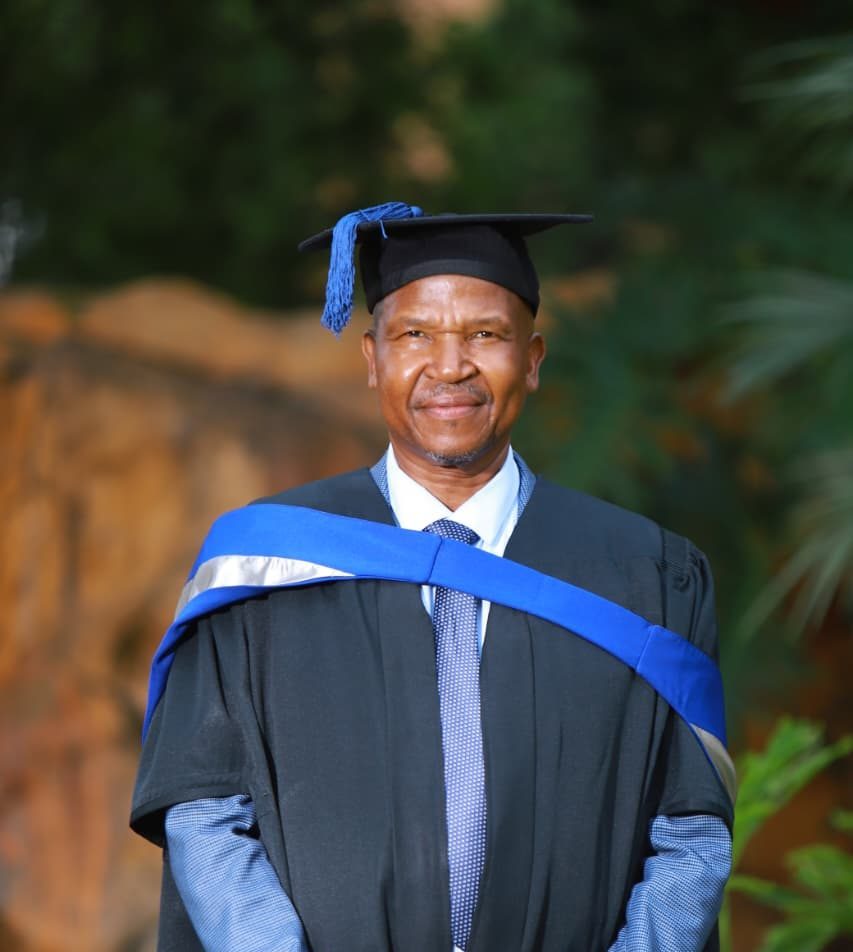
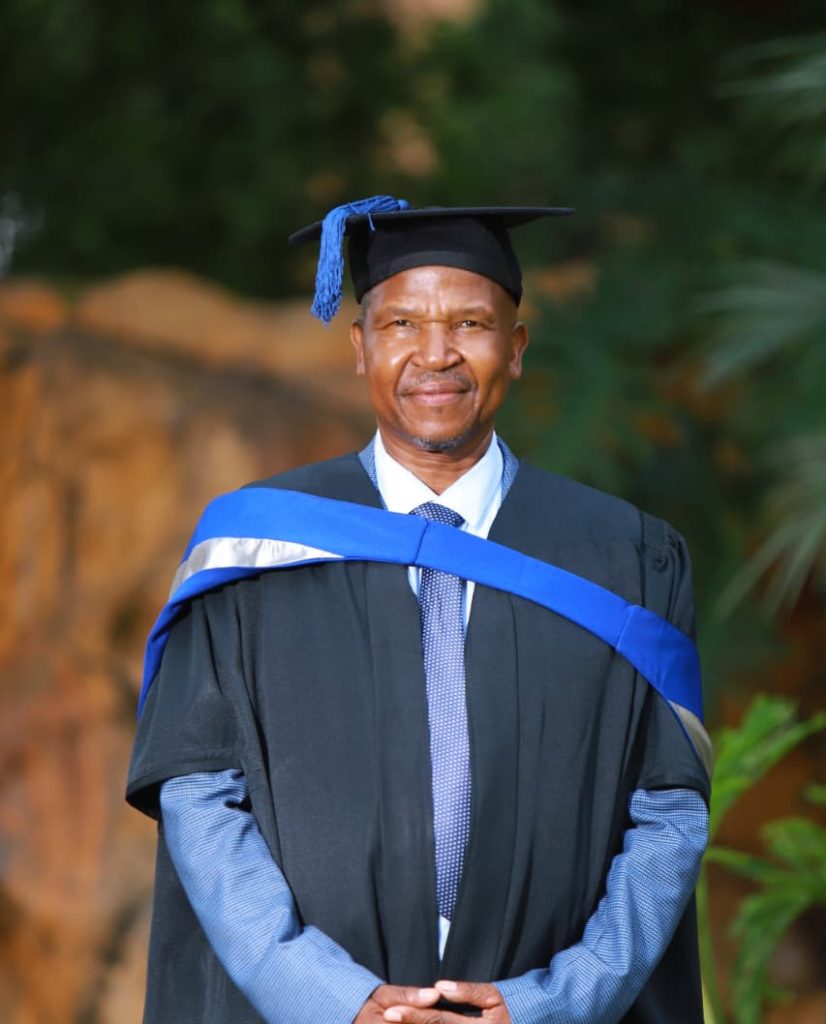
    Dr Bheki Mdakane

    At DaVinci, learning is never a solo act. It is relational, contextual, and deeply reflective. Dr Mdakane and Dr Fourie fully embraced this philosophy, weaving systems thinking, organisational transformation, and human-centric innovation into their work and leadership. As they progressed from coursework to research, their collaboration evolved into something rare: two independent scholars, each producing their own research, yet continually elevating each other’s thinking.

    Research Driven by Shared Values

    Although their dissertations explored different issues, their research was animated by a shared commitment to create better organisations, better communities, and better futures.

    Facing the Hardest Moments

    On the eve of their graduation, they reflected on the toughest challenges they had faced and how they had overcome them.

    “Losing my data could easily have broken me. That experience has completely changed my perspective. I told myself to relax because things would not end well if I insisted on doing everything according to my own timeline. You are not in control of the universe. My thinking shifted, and I became more grounded. Do not rush. Take things as they come,” shared Dr Mdakane.

    Balancing Rigor, Reality, and Resilience

    Dr Juliet Fourie

    For Dr Fourie, the challenge was different but equally profound.

    “Balancing academic depth with business realities was my greatest challenge, along with maintaining a healthy personal and professional balance. The examination feedback at DaVinci is rigorous, and while it is not always easy to receive, it pushes you closer to excellence. I overcame these challenges by leaning into the DaVinci community of practice, which provided both intellectual guidance and emotional grounding. I also learned to view challenges as data; every obstacle became a system to understand, not merely to survive,” she explained.

    A Graduation Beyond Ceremony

    Graduation day became more than academic recognition. It was a celebration of learning, perseverance, and vision. Completing a Master’s degree is an achievement. Completing a Doctorate is a triumph. Completing both together, with unwavering support and a shared belief in possibility, makes their story truly exceptional.

    What They Represent at DaVinci

    For DaVinci Institute, alumni like Dr Mdakane and Dr Fourie embody what the institution stands for:

    • Collaborative learning
    • Contextual problem-solving
    • Leadership through partnership
    • Innovation grounded in humanity

    The Legacy They Leave Behind

    Today, both leaders are not only experts in their fields, but they are also role models for what can happen when people are determined to achieve their goals. Their story encourages current students to seek community, lean into collaboration, and remember that transformative journeys are rarely walked alone.

    As the institute continues to shape agile, conscious leaders for a rapidly changing world, the story of Dr Mdakane and Dr Fourie stands as a powerful reminder: Learning is not just an academic process; it is a shared human experience. And when people learn together, they do more than graduate. They grow, they inspire, and they create legacies.

  • Congratulations To The Matric Class Of 2025

    Congratulations To The Matric Class Of 2025

    The DaVinci Institute wishes to congratulate the Class of 2025 on the release of their National Senior Certificate (NSC) results and commends every learner for this achievement. Completing matric is not only a personal achievement; it represents resilience, discipline and hope for South Africa’s future.

    We acknowledge the parents, teachers, school leaders and communities whose commitment has supported these learners through an increasingly complex educational and social environment.

    A Systemic Capacity Challenge in Higher Education

    However, as we celebrate this moment, we must also confront a persistent structural challenge in South Africa’s higher education system: the growing mismatch between the number of qualified school leavers and the limited capacity of public higher education institutions. Each year, hundreds of thousands of capable young people meet the academic requirements for further study. Still, many are unable to secure places at universities and TVET colleges due to space, funding and infrastructure constraints.

    This is not a failure of learners; it is a systemic capacity challenge.

    A Shared National Responsibility

    If South Africa is to realise its developmental ambitions, we must view post-school education as a shared national responsibility, requiring coordinated contribution from public institutions, private providers and industry.

    Institutions such as The DaVinci Institute play a complementary and important role in this ecosystem.

    The Role of The DaVinci Institute

    As a private higher education institution focused on innovation, leadership, and applied knowledge, DaVinci can:
    · Expand access to quality, accredited higher education through flexible learning models.
    · Provide alternative entry pathways for students who may not follow traditional academic routes.
    · Offer programmes that are closely aligned to industry needs, entrepreneurship, and societal challenges.
    · Support lifelong learning and upskilling for young people and working professionals alike.

    Private institutions do not replace the public system; they relieve pressure on it, extend its reach, and diversify the forms of learning available to South Africans.

    A Message to Learners Still Seeking Placement

    To the learners who did not secure a place at a public institution this year: your future has not been closed, it has simply taken a different route. There are credible, quality, and empowering pathways available and what matters most is not where you start, but how you grow, learn, and contribute.

    Our Ongoing Commitment

    The DaVinci Institute remains committed to being part of a higher education system that is inclusive, innovative, and responsive to the needs of our society and economy. We congratulate the Class of 2026 once again and look forward to walking alongside those who choose to continue their learning journey with us.Matriculants who meet the minimum requirements are invited to enrol for either aHigher Certificate in Management of Technology and Innovation or a Bachelor of Commerce in Business Management. To request more information, please complete this enquiry form.

  • DaVinci Doctoral Alumna Is Transforming Organisational Culture

    DaVinci Doctoral Alumna Is Transforming Organisational Culture

    Why is holistic and sustainable leadership development such an essential building block in today’s organisations? For Dr Sharon King Gabrielides, this question became the foundation of a journey that continues to shape leaders, teams and organisational culture across South Africa and beyond.

    When she began her doctoral studies at The DaVinci Institute, her goal was clear. She wanted to create value for her business, her clients and society at large. What drew her to DaVinci was its emphasis on applied learning, a philosophy that links academic insight with meaningful, practical impact.

    “The reason I chose DaVinci was because of the applied nature of the learning. I wanted to be able to say, ‘This is the benefit to me, my business and my clients.’ Otherwise, I would not have invested the time and energy. It was never about the title; it was about creating something that truly adds value,” she explains.

    Her research demanded depth and rigour. By the end of her studies, she had engaged two data analysts to process and triangulate extensive datasets, a commitment that added significant robustness to her findings. “It was demanding, but it was worth it,” she recalls.

    From Learning to Practice

    DaVinci’s doctoral programmes are built on the expectation that research should solve real organisational challenges. For Dr King Gabrielides, this principle has defined her professional path.

    Soon after completing her studies, she was approached by a leading South African Bank to assist with the principles of holistic and sustainable development to support a company-wide culture transformation initiative. Her doctoral research was the perfect foundation.

    “They knew my doctorate focused on holistic and sustainable development. I’d shared my framework, which was published in the International Journal of Management and Business by Rutgers University, deemed the gold standard in leadership, and they came back saying, ‘Can you workshop this with us?’”

    The resulting engagement drew heavily on her DaVinci research and the holistic and sustainable development model she created. Seeing her work shift mindsets and practices in a large organisation affirmed exactly what Dr King Gabrielides had set out to achieve.

    “It was so fulfilling to see how the research added such value and translated into real change. That is what I did my doctorate for. It is something I use every single day,” she says.

    Living the DaVinci Philosophy

    Dr King Gabrielides’ experience reflects DaVinci’s core educational philosophy: research should not remain on paper. It should transform systems, organisations and communities.

    At DaVinci, the doctoral journey is designed to be personal, purposeful and practical, producing scholar-practitioners who apply knowledge meaningfully in their own contexts. Sharon believes a doctorate should be pursued not for prestige, but for its potential to drive systemic, sustainable change.

    “It is disheartening when people see a doctorate as just another credential. I was attracted to DaVinci because the expectation is to resolve challenges systemically and holistically, to make a meaningful difference,” she reflects.

    Co-Creating Sustainable Change

    Today, Dr King Gabrielides continues to work passionately in the fields of leadership development, culture transformation and holistic growth strategy.

    “I am excited because I love what I do. The doctorate gave me the tools to show the return on investment that our work at Key Steps provides for our clients and how we partner to tangibly make a difference. And that is what I plan to keep doing,” she adds.

    Her journey stands as a powerful reminder of how DaVinci alumni transform research into living practice, creating sustainable value for individuals, organisations and society.

  • The Identification Of Future Technological Operational Business Needs For Sustainable Competitive Advantage

    The Identification Of Future Technological Operational Business Needs For Sustainable Competitive Advantage

    What does the identification of future technological operations in ICT and ISP look like? BCX’s Head: Field Operations and Logistics and The DaVinci Institute’s master’s alumnus, Frederik Raath’s study explored how organisations in the ICT and ISP sectors can identify the operational success criteria required to maintain a sustainable competitive advantage in an environment shaped by rapid technological evolution, shifting customer expectations, and increasing market competition. Using a qualitative research approach, the study focuses on understanding lived experiences, operational challenges, and cultural dynamics within organisations undergoing technological transformation.

    The central research question investigated what kind of framework would ensure continuous operational success and customer value within ICT and ISP environments. Through extensive literature review and interviews with experienced industry leaders, the research concludes that culture forms the foundation of operational excellence. A strong, aligned organisational culture enables more effective change management, which in turn supports improved customer-centric operations.

    Scope and Nature of the Study

    The DaVinci Institute at Modderfontein

    The ICT and ISP sectors are characterised by high-speed technological innovation and escalating customer expectations. As customers become more informed and demand greater value at lower cost, organisations face increasing pressure to modernise their operations. Traditional models, designed for standardised services, struggle to keep pace with new, complex solutions such as IoT and customer-specific solutions (CSS).

    Research Problem

    The study identifies three primary operational challenges:

    • Execution and fulfilment barriers leading to customer dissatisfaction and unexpected costs.
    • Ineffective change management, with teams struggling to adapt outdated processes to new technologies.
    • Cultural misalignment, where employees resist change or lack the skills and mindset for future-oriented operations.

    Aims and Objectives

    The research aims to identify operational success criteria that enable organisations to continuously add value to existing and future customers. Objectives include:

    • Determining performance criteria for ongoing operational success.
    • Identifying organisational features that support effective change management.
    • Understanding the cultural elements required to sustain future operations.

    Primary and Secondary Research Questions

    The guiding question asks what framework ensures continuous operational success and customer value. Secondary questions explore performance criteria, change management characteristics, and cultural elements essential for organisational fit.

    Theoretical Foundation and Literature Review

    Current operational models used in ICT and ISP environments often rely on outdated, sequential business process frameworks that do not accommodate modern product diversity, such as IoT solutions. Traditional “cookie-cutter” execution approaches no longer work in environments where each customer may require a unique solution.

    Key gaps identified include:

    • Lack of proactive customer visibility.
    • Insufficient operational readiness criteria.
    • Rigid opportunity-evaluation processes that slow down responsiveness.
    • Misalignment between market-leadership strategies and customer-experience expectations.

    Change Management

    Successful transformation requires seamless alignment between business functions, technical systems, and staff capabilities. The literature reveals that change-management failures often arise from siloed operations, limited staff buy-in, and inadequate support structures. Future change models must integrate mindset shifts, process redesign, and skills development.

    Culture

    Culture emerges as a dominant factor influencing both operational success and the ability to innovate. A winning culture requires clarity of purpose, psychological safety, accountability, and continuous learning. Organisations with stagnant or risk-averse cultures struggle to embrace new technologies or adapt to evolving customer needs.

    Research Design and Methodology

    A qualitative, phenomenological approach was used to capture leaders’ lived experiences in managing technological and operational transitions. Purposive sampling targeted experts such as CTOs and COOs with more than 15 years of industry experience. Semi-structured interviews provided rich insights into operational challenges, cultural barriers, and success factors.

    Presentation of Findings

    Theme A: Best Performance Criteria

    Interview findings emphasise:

    • Clear customer visibility.
    • Flexible and responsive operations.
    • Defined operational readiness requirements.
    • Continuous review of fulfilment quality and cost structures.

    Theme B: Effective Change Management

    Key success criteria include:

    • Transparent communication across business units.
    • Clear ownership of processes.
    • Skills alignment for emerging technologies.
    • Metrics and tools to track change progress.

    Theme C: Cultural Elements for Success

    Participants identified the need for:

    • A culture of accountability.
    • Openness to learning and innovation.
    • Employee empowerment and ownership.
    • Breaking comfort-zone behaviours to adapt to new markets.

    Recommendations and Action Plans

    Culture

    Building a winning culture is the foundation for operational transformation. Leadership must nurture psychological safety, support continuous learning, and create an environment where employees see themselves as contributors to future success.

    Change Management

    Change management should be an embedded, ongoing organisational function rather than a periodic project. Structures must support faster decision-making, skills development, and cross-functional collaboration.

    Delighting Future Customers

    Organisations must shift toward customer-centric delivery by:

    • Leveraging real-time data and predictive insights.
    • Redesigning business processes for agility.
    • Continuously redefining “customer value” in line with technology trends.

    Further Research

    Continuous research is needed into emerging customer-experience expectations and how technology innovations reshape operational success criteria.

  • The DaVinci Institute celebrated Academic Excellence At Its President’s Dinner And October Graduation Ceremony

    The DaVinci Institute celebrated Academic Excellence At Its President’s Dinner And October Graduation Ceremony

    On the 29-30 October 2025, The DaVinci Institute hosted its bi-annual President’s Dinner at The DaVinci House in Modderfontein and held its October graduation ceremony at the Midrand Conference Centre, celebrating the significant achievements of its graduates and marking 20 years of co-creative freedom in education.

    The President’s Dinner

    The President’s Dinner, hosted by the institute’s President, Edward Kieswetter, on the eve of graduation, served as a prestigious celebration of academic excellence and leadership. This year’s second dinner highlighted the achievements of 6 doctoral graduates, recognising the significance of their research contributions and innovative thinking in addressing real-world challenges within their professions, industries and communities. 

    The evening brought together members of the senate, faculty, partners, and industry leaders, reflecting DaVinci’s strategic intent, which is to strengthen the growth of agile, aligned, and engaged managerial leaders who co-create innovative ecosystems and sustainable transformational societies.

    Why are doctoral graduates important?

    In line with the National Development Plan (NDP), doctoral graduates are important to South Africa’s socio-economic development as they drive research, innovation, and the creation of new knowledge that fuels progress across industries. Given the state of the country and continent, doctoral graduates and their applied thinking expertise enable the country to address complex challenges, enhance productivity, and build globally competitive sectors. 

    The DaVinci Institute President’s words of encouragement 

    Speaking at the dinner, President Kieswetter congratulated the graduates for embodying the institute’s core principles and its dream of influencing the co-creation of humane, sustainable societies.

    “This dinner is an immense honour for me, and I will never try to miss this, to share this smaller, more intimate and private moment with you. Of course, tomorrow you will wear your gowns and caps. There will be many visible symbols of your academic excellence and achievement, demonstrating your hard work, scholarly commitment, and dedication,” said President Kieswetter.

    As the institute that dreams of influencing the co-creation of humane, sustainable societies, this contribution to increasing the number of the doctoral graduates is therefore cementing the value of strengthening South Africa’s innovation capacity, supporting evidence-based policymaking, and encouraging a knowledge-based economy that can sustain inclusive growth and development.

    Doctoral graduates for October 2025

    • Dr Arnoldus Daniel du Plooy. Thesis: Developing an integrated business analytics framework to enhance the performance of capital infrastructure projects.
    • Dr Juliette Fourie. Thesis: A strategic framework for sector skills planning in the freight forwarding and customs clearing sector: a South African perspective.
    • Dr Wenzel Christőfel Kotze. Thesis: Early identification of individuals most suitable for leadership development through habit analysis.
    • Dr Bheki Mdakane. Thesis: Enterprise and supplier development for SMMEs in South African mining host communities: socio-economic and political experiences in the Northern Cape.
    • Dr Jerimaya Mundondo. Thesis: Exploring the effect of entrepreneurial effectuation and bricolage on intentions, behaviours, and perceived success among entrepreneurs in resource-constrained environments.
    • Dr Gabapelo Phillip . Thesis: A knowledge management framework for competitive advantage in Botswana’s selected mobile network operators

    Graduations at the Midrand Conference Centre

    The day following the dinner, The DaVinci Institute conferred qualifications across its diverse programmes, which range from a Higher Certificate to Doctoral Degrees. Each graduate’s journey reflected the institute’s unique cooperative framework, which connects businesses and education through a practical and systems-thinking approach. Therefore, this framework helps businesses and industries understand how the management of technology, innovation, people, and systems work together to solve real-world challenges. By encouraging collaboration and measuring real impact, it ensures learning and projects create real value for individuals, businesses, and communities. 

    The DaVinci Institute Top Achiever Awards

    Undergraduate

    The DaVinci Institute recognises Higher Certificate in Management of Technology and Innovation students who have distinguished themselves amongst their peers in the following modules:

    1. Roan Fourie, Management Fundamentals: Technology, People and Innovation Management.
    2. Ashton Rampersad, Management and Leadership Development Problem-Solving, Creative Thinking and Decision-Making Development of a Personalised Learning Strategy.
    3. Lucille Starkey, Management of Technology

    The DaVinci Institute recognises Bachelor of Commerce in Business Management student who have distinguished themselves amongst their peers in the following module:

    1. Riaan Van Der Schyff, Business Management 3

    Postgraduate

    The DaVinci Institute recognises student who have distinguished themselves amongst their peers in the Postgraduate Diploma of Business Leadership:

    1. Jana Britz 
    Jana Britz

    The DaVinci Institute recognises Master of Management in Technology and Innovation students who have distinguished themselves amongst their peers in the following:

    1. Shayne John Mitchell, Management of Technology, Self, Other and Social Contexts.
    2. Meggie Siddiah Warimu Muthee, Managing Systems, Problem-Solving, Creative Thinking and Decision-Making.
    3. Christian Kalonji Nkangolo, Management of People.
    4. Aubrey Ramaphosa, Management and Leadership Development
    5. Thulile Pauline Tshabalala, Management of Innovation

    The DaVinci Institute recognises student who have distinguished themselves amongst their peers in the Master of Business Leadership:

    1. Samuel Lunga Mziwake

    The DaVinci Institute Senate Awards (2025)

    The DaVinci President’s Award Winner

    • Dr Regan Berry

    The DaVinci Community Engagement Award

    • Dr Sara Bint Moneer Khan

    The DaVinci Mandala Research Award Winner

    • Dr Isheunesu Amon Chaka

    Doctoral Academic Excellence Award Winner

    • Dr Hester Catarina Welman

    The Benjamin Anderson Award Winner

    • Ms Johani Liebenberg

    Postgraduate Diploma Top Achiever Award Winner

    • Ms Jenaine Reddy

    The 2025 October graduation ceremony marked another milestone in The DaVinci Institute’s ongoing pursuit of excellence in higher education and its commitment to shaping humane and sustainable societies by empowering leaders to co-create positive and lasting change.

  • Meet DaVinci Alumnus And New Convocation Executive Member – Bram Meyerson

    Meet DaVinci Alumnus And New Convocation Executive Member – Bram Meyerson

    The DaVinci Institute Alumnus and new Convocation Executive Member, Bram Meyerson’s professional career began in the late 1980s, when information technology was rapidly evolving. After studying Computer Science and Applied Mathematics at the University of the Witwatersrand, he began his career in 1987 at a consulting firm that operated at the interface between business and technology.

    Unlike traditional firms, the consultancy focused on IT strategy and systems design, helping organisations translate strategic intent into effective technology solutions. By 1992, Meyerson had gained enough confidence to start his own company, Quantimetrics, which brought a unique methodology to South Africa, quantitative measurement for software development projects, similar to quantity surveying in construction.

    Through this approach, he was able to measure software project size and complexity, benchmark software-delivery efficiency across companies, and help clients estimate costs and performance outcomes. Over time, his work expanded to include operational benchmarking across banks, asset managers, and insurance companies, enabling organisations to compare performance anonymously and identify efficiency gaps. 

    Measurement and Systems Thinking

    Meyerson’s interest in benchmarking evolved into a deeper curiosity about systems thinking, the understanding of cause-and-effect relationships within organisations. This curiosity led him to pursue a master’s degree at The DaVinci Institute, where his dissertation focused on “The Role and Relevance of Benchmarking in Information-Intensive Organisations.”

    “The key takeaway from my time at DaVinci was learning to think systemically. After completing a benchmarking study, I could facilitate a workshop and use systems thinking to show clients how different levers influence outcomes of operational strategies, what causes these outcomes, and where to intervene,” he recalls.

    This systems-based approach now underpins much of his work in IT management, cost evaluation, forensic analysis, and risk management, all disciplines that rely on quantifiable data and systemic insight. Meyerson’s mantra now is to help his clients ensure that they get “value” from their technology investments. 

    Governance, Risk, and Automation 

    Over the years, Meyerson’s professional interests have expanded to include corporate governance and risk management. He is a member of the Institute of Directors South Africa (IoDSA). His governance expertise includes serving as the independent Chairperson of the ITC Steering Committee within a government entity that forms part of the DTIC Group, the Department of Trade, Industry, and Competition.

    More recently, he has ventured into automation, leading a Pan-African distributorship for an Australian software company that automates complex finance processes. Unlike traditional Robotic Process Automation (RPA), which replaces low-skill manual tasks, this platform automates high-value processes managed by skilled professionals, reducing turnaround times from days to minutes while retaining human oversight.

    However, Meyerson is quick to emphasise a balanced approach to technology adoption.

    “We must be careful not to use technology to replace people. Automation should free people from repetitive work so they can focus on analysis, decision-making, and value creation,” he cautions.

    Technology and the Informal Economy

    Reflecting on South Africa’s socio-economic challenges, Meyerson acknowledges the limitations of current manual systems and the need for technology-driven insights. Yet, he warns against viewing automation solely as a tool for efficiency.

    “The challenge is not whether the technology exists, but how we use it responsibly. The solution lies in designing what he describes as “the capable enterprise”, which includes repurposing people into new roles. 

    For Meyerson, ethical technology management, a theme aligned with the new King V governance principles, must go hand-in-hand with people development. Without clear communication and proper change management, he warns, employees can feel threatened and even resist digital transformation.

    Balancing Industrialisation and the Creative Economy

    When asked about the tension between industrialisation and the creative economy, Meyerson points to the importance of attitude and education. He contrasts the digital appetite, based on his experience in automation adoption in Kenya, which he believes has an emerging innovation-driven mobile-first attitude. In South Africa, the supply of digital skills from formal education is not keeping pace with demand.

    “Governments need to provide educational pathways that match the skills required by the economy,” he alludes.

    Reimagining DaVinci’s Role and the Future of Learning

    As a newly appointed member of The DaVinci Institute’s Convocation Executive Committee, Meyerson is eager to contribute to strengthening the bridge between academia and industry. He praises the applied learning philosophy of DaVinci but believes the institute can go further in aligning student research with real-world industry challenges.

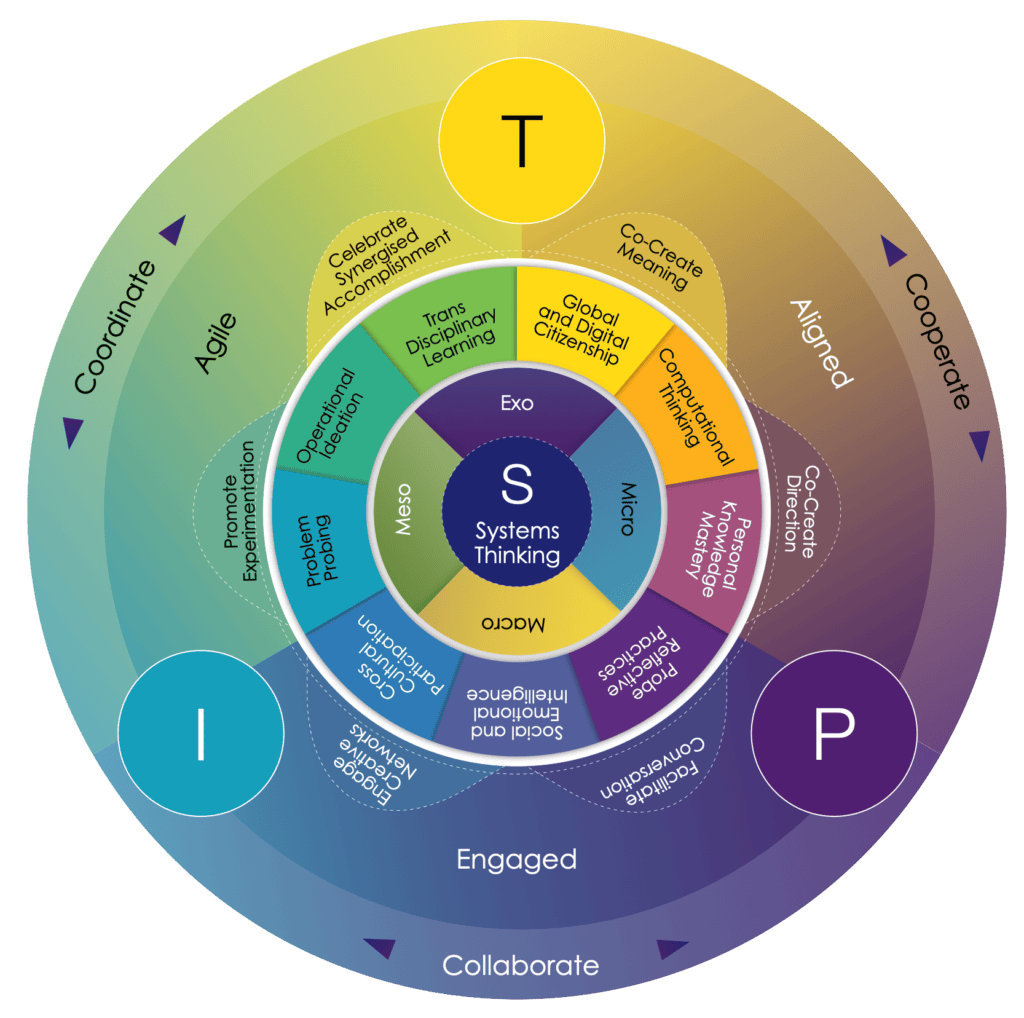
    He also sees opportunities to refresh the research methodology component, making it more engaging and practically oriented, and to embed governance and sustainability themes more deeply into the TIPS™ Framework.

    From Mode 1 to Mode 2 and Beyond

    Having studied in a Mode 1 (traditional) environment before experiencing Mode 2 (applied, transdisciplinary) learning at DaVinci, Meyerson appreciates the stark contrast and the need for both.He believes that schools and universities should promote STEM,  Science, Technology, Engineering, and Mathematics curriculum and that students should also have broader exposure to disciplines like psychology, economics, and politics, subjects that help students understand how the “world works,” he reflects. Many of South Africa’s skill challenges result from an overreliance on Mode 1 education, which prioritises theory over application. He advocates for a broader, more holistic approach to learning, one that equips graduates to think critically, adapt to change, and navigate complex systems.

    Closing Remarks

    Bram Meyerson’s journey has pivoted from the foundations of technology management to a future defined by systems thinking, ethical leadership, and responsible innovation. Bram views technology as a transformative enabler that empowers people, unlocks human potential, and propels organisations toward purposeful, sustainable growth

  • Public Funding Of The College Sector: A Social Return On Investment In Higher Education In South Africa

    Public Funding Of The College Sector: A Social Return On Investment In Higher Education In South Africa

    Is there a social return on investment in higher education? Dr Cornelia Carol September’s doctoral study examined whether South Africa’s substantial public investment in Technical and Vocational Education and Training (TVET) colleges yields tangible social and developmental benefits. The research is framed within the context of South Africa as a developmental state, one that uses education as a strategic tool for transformation, equality, and economic growth.

    Background and Rationale

    Despite substantial budgetary allocations, including over R10 billion to the TVET sector in 2018/19, questions persist about the efficiency, accountability, and outcomes of this investment. While access has increased through free tuition, transport, and allowances, challenges such as low completion rates, limited labour market absorption, and poor institutional prestige undermine social and economic returns.

    The study is motivated by the need for a Social Return on Investment (SROI) framework, an approach that goes beyond financial metrics to include social, economic, and community benefits derived from education.

    Theoretical Framework

    Grounded in Marxist dialectical materialism, the research views education as a mechanism for societal transformation rather than a mere economic tool. Marxist theory asserts that education should reproduce social equity and collective advancement, aligning with the aims of a developmental state.

    Research Aim and Objectives

    The study sought to:

    • Examine the rationale behind increasing TVET funding.
    • Analyse existing policy frameworks and their ability to demonstrate ROI.
    • Investigate the usefulness of SROI in shaping funding policies.
    • Develop a conceptual framework for measuring SROI in South Africa’s college sector.

    Research Methodology

    A qualitative, grounded theory approach was adopted. Nineteen participants, including government officials, TVET principals, policy experts, and international specialists, were interviewed. Data was collected through online platforms due to COVID-19 restrictions.

    The analysis was interpretive, relying on inductive reasoning and thematic categorisation to build theory from participant experiences and policy review.

    Key Themes and Findings

    Seven core themes emerged from the data:

    Aspiring Developmental State

    • South Africa’s investment in TVET should strengthen state capability and technical capacity. However, governance gaps and fragmented implementation hinder progress toward a mature developmental state.

    Finance for Responsive Change

    • Funding mechanisms are misaligned with social outcomes. Instead of focusing on enrolment numbers, financing should reward qualitative improvements such as employability and social inclusion.

    Judging TVET Policy in Real Life

    • Policy frameworks appear progressive but lack translation into practical, measurable outcomes at the institutional level.

    Comparators and Dimensions

    • International benchmarks (e.g., Korea and Singapore) highlight how coordinated policies, industry partnerships, and data-driven governance can yield higher returns.

    Agility and Efficiency towards Greater Quality

    • TVET institutions remain underfunded and struggle to adapt to economic changes. Participants emphasised the need for agility, flexibility, innovation, and responsiveness to enhance quality and prestige.

    Understanding Social Return on Investment

    SROI measures the broader value of education, including community well-being, civic participation, and equity, rather than just financial returns. Participants agreed that adopting this framework would strengthen accountability and evidence-based planning.

    International Approaches

    The study drew lessons from Russia’s and Australia’s models, which enforce shared responsibility between government, industry, and students through contractual commitments that ensure employability and reinvestment in education.

    Conclusions

    The research concluded that while public funding for TVET colleges has expanded, South Africa has not yet achieved measurable social returns proportional to the investment. A disjuncture exists between funding inputs and developmental outcomes, with limited data integration and weak monitoring systems.

    A Social Return on Investment (SROI) framework is proposed to:

    • Align financial expenditure with qualitative outcomes.
    • Promote shared accountability among stakeholders.
    • Embed social value in policy, planning, and evaluation.

    Recommendations

    • Develop an SROI-Based Funding Model: Shift from quantitative (enrolment-driven) to qualitative (impact-driven) financing.
    • Strengthen Partnerships: Establish formal agreements between government, industry, and students to ensure mutual accountability.
    • Enhance Data Systems: Integrate social, health, and employment data to evaluate real community impact.
    • Capacity Building: Equip TVET colleges with tools to measure and report social value effectively.

    Limitations and Future Research

    The study was limited to public colleges reporting to the Department of Higher Education and Training (DHET), excluding those under other departments. Future research should broaden the scope and test the proposed SROI framework through pilot projects in selected TVET institutions.

    Contribution to Knowledge: Higher Education

    This study contributed to policy and academic discourse by linking education financing, social justice, and developmental state theory. It offers a framework for measuring the social value of education investment, thereby shifting the national conversation from “how much money is spent” to “what difference the spending makes.”

  • Monitoring And Evaluation: A Governance Tool for Enhancing Accountability In The SETAs

    Monitoring And Evaluation: A Governance Tool for Enhancing Accountability In The SETAs

    How can monitoring and evaluation as a governance tool enhance accountability in SETAs? Dr Pheaga Jacob Moasa‘s study explored monitoring and evaluation (M&E) as a vital governance mechanism for enhancing accountability within South Africa’s Sector Education and Training Authorities (SETAs). SETAs are tasked with advancing skills development and contributing to national socioeconomic goals. 

    However, several have struggled with corruption, weak governance, and ineffective implementation of training initiatives. The research aimed to develop a framework that integrates M&E into governance structures to ensure transparency, accountability, and effective service delivery.

    Background and Rationale

    Despite significant public investment in skills development, SETAs have been marred by mismanagement, maladministration, and poor oversight. Billions in training levies are disbursed annually, yet the return on investment in terms of skills outcomes remains limited. The researcher identified the lack of structured and credible M&E systems as a key factor undermining accountability. Consequently, this study sought to determine how M&E can function as a governance tool to improve decision-making and reduce corruption within SETAs such as the BankSETA, INSETA, and W&RSETA.

    Theoretical Framework

    • The study is grounded in governance theory and the Theory of Change, linking effective oversight to outcomes and impact. Key concepts discussed include:
    • Return on Investment (ROI) and Social Return on Investment (SROI) – assessing the value derived from training interventions.
    • Value for Money (VfM) – balancing economy, efficiency, and effectiveness.
    • Results-Based Management (RBM) – ensuring activities produce measurable outcomes aligned with strategic goals.

    Methodology

    A qualitative research approach was adopted. Data were collected through document analysis and semi-structured interviews with executives and staff members from three SETAs. The sample of 14 participants provided rich, in-depth insights into the institutionalisation of M&E practices.

    Key Findings

    1. Weak M&E Implementation

    M&E practices across the SETAs were fragmented and underdeveloped. Only W&RSETA had a dedicated M&E division, while others embedded M&E within project management structures. There was limited automation and data reliability, constraining meaningful reporting.

    2. Link Between M&E and Governance

    The study confirmed a strong relationship between effective M&E and good governance. Where M&E systems were active, they improved oversight, accountability, and financial management. M&E also helped detect corruption risks and ensure proper use of discretionary grants and learner stipends.

    3. Governance Challenges

    Common governance weaknesses included:

    • Inadequate consequence management
    • Poor communication and policy enforcement
    • Lack of compliance culture
    • Weak risk management and record-keeping
    • Minimal collaboration between governance structures

    These issues hindered accountability and reduced SETAs’ capacity to deliver skills effectively.

    4. Willingness but Low Capacity

    While SETA leadership showed a willingness to adopt results-based systems, technical and human resource limitations delayed implementation. The absence of automated tools and trained personnel further constrained progress.

    Proposed M&E Governance Framework

    Moasa introduced a Tailored Integrated Performance and Skills (TIPS) Framework, designed to align M&E with strategic, operational, and accountability processes in SETAs. The framework emphasises:

    • Continuous monitoring through all project stages
    • Integration of M&E with risk management and auditing functions
    • Building M&E capacity and institutional culture
    • Using M&E findings to inform strategic planning and policy refinement

    Conclusions: Monitoring And Evaluation

    The research concludes that M&E is indispensable for credible governance in SETAs. When applied systematically, it enhances transparency, reduces corruption risks, and ensures that public funds for skills development yield tangible socioeconomic outcomes. The study recommends:

    • Strengthening institutional M&E capacity
    • Automating monitoring tools for accuracy and consistency
    • Embedding M&E within governance and accountability frameworks
    • Regular auditing of performance data to uphold reliability

    Contribution

    The study contributed a practical governance-oriented M&E framework tailored for South Africa’s skills development sector. It provided actionable insights for policymakers, SETA boards, and management to embed accountability and performance measurement within the skills ecosystem, thereby advancing the broader goals of the National Development Plan (NDP) and National Skills Development Plan (NSDP).