Author: Dumisani Hlatswayo

  • Advanced Diploma In Innovation Management Practices (NQF Level 7)

    Advanced Diploma In Innovation Management Practices (NQF Level 7)

    Advance your innovation leadership with an NQF Level 7 Advanced Diploma. Designed for working professionals leading change in complex organisations. For many experienced professionals, innovation has quietly become part of the job description. You are expected to lead initiatives, manage uncertainty, balance sustainability with performance, and make decisions that shape long-term outcomes. Yet these responsibilities often arrive without structured development, leaving capable leaders to rely on instinct, experience, and trial and error.

    This is not a failure of ability. It is a gap in formal innovation leadership capability.

    The Advanced Diploma in Innovation Management Practices is designed for professionals who have moved beyond operational problem-solving and now operate at a level where innovation must be managed, governed, and sustained across teams, systems, and organisations.

    Innovation Leadership in Complex Organisations 

    In earlier career stages, innovation often means contributing ideas or improving isolated processes. At more senior levels, innovation becomes a leadership function. Decisions carry wider consequences, resources are limited, and change must be aligned to strategy, policy, and long-term sustainability.

    Leaders are expected to:

    • Drive innovation that supports organisational objectives
    • Balance creativity with governance and risk management
    • Embed innovation into systems rather than treating it as a project
    • Influence people and culture, not just outcomes

    Without advanced innovation management capability, even well-intentioned initiatives can stall or fail to scale.

    Why Formal Innovation Management Qualifications Matter 

    Experience provides context, judgment, and credibility. However, innovation in complex environments is no longer intuitive or informal. It is increasingly recognised as a structured, research-informed management discipline.

    Organisations now look for leaders who can demonstrate:

    • Advanced innovation frameworks and models
    • Systems thinking and strategic problem-solving
    • Research literacy and evidence-based decision-making
    • The ability to lead innovation under constraint

    The absence of formal development at this level often results in capable professionals being overlooked for senior roles, not because they lack competence, but because their innovation capability is not formally recognised.

    Advanced Diploma in Innovation Management for Working Professionals 

    The Advanced Diploma in Innovation Management Practices is not intended for full-time students or early-career entrants. It is designed for professionals who are already embedded in organisations and cannot afford to step away from their responsibilities.

    The qualification allows you to:

    • Study while working full-time
    • Apply learning directly to real organisational challenges
    • Develop advanced leadership and innovation capability
    • Strengthen your strategic influence without pausing your career

    At The DaVinci Institute, learning is work-integrated. Assessments are grounded in your professional context, ensuring immediate relevance and tangible workplace value.

    Advanced Diploma in Innovation Management Practices (NQF Level 7) 
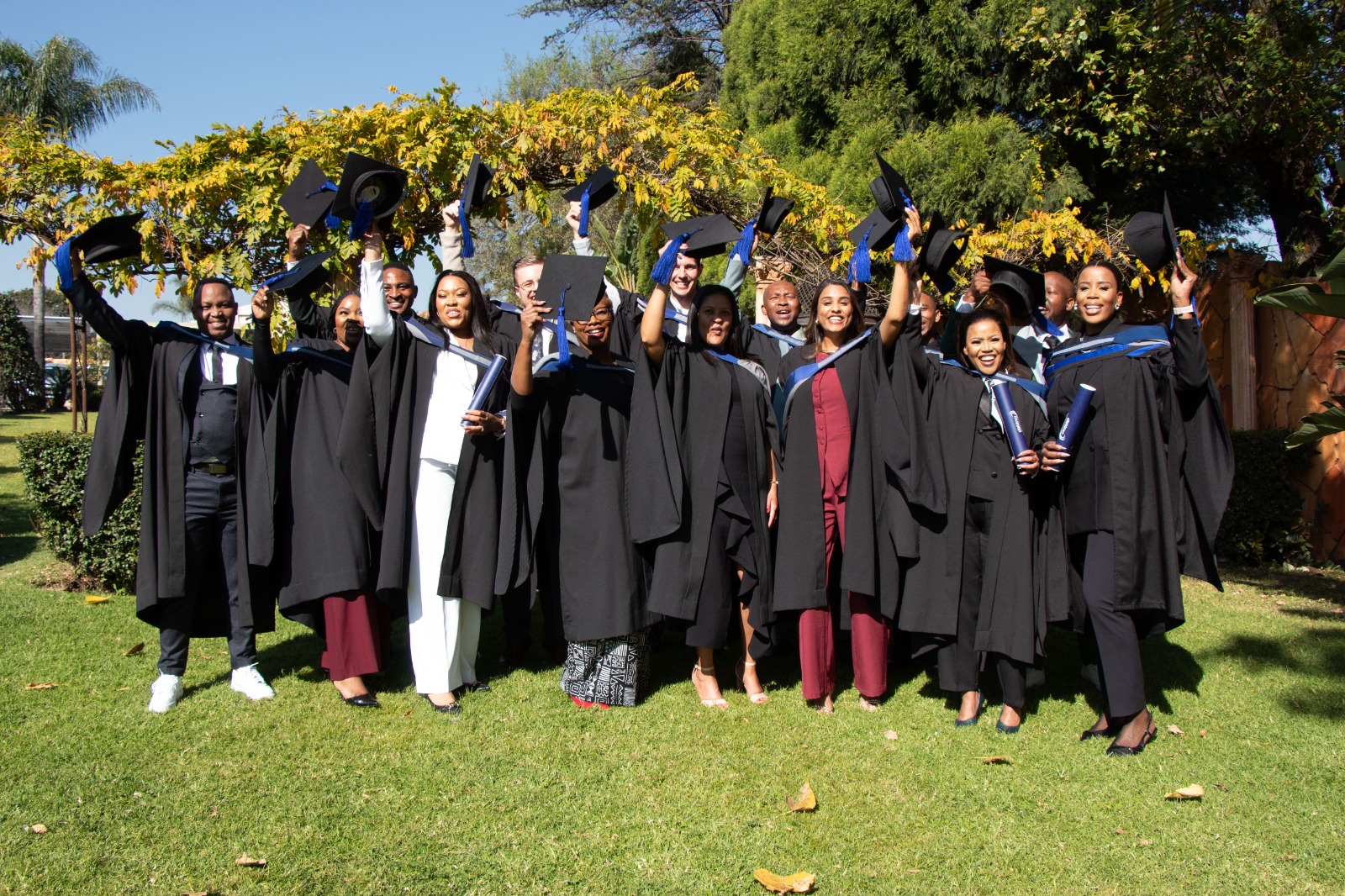
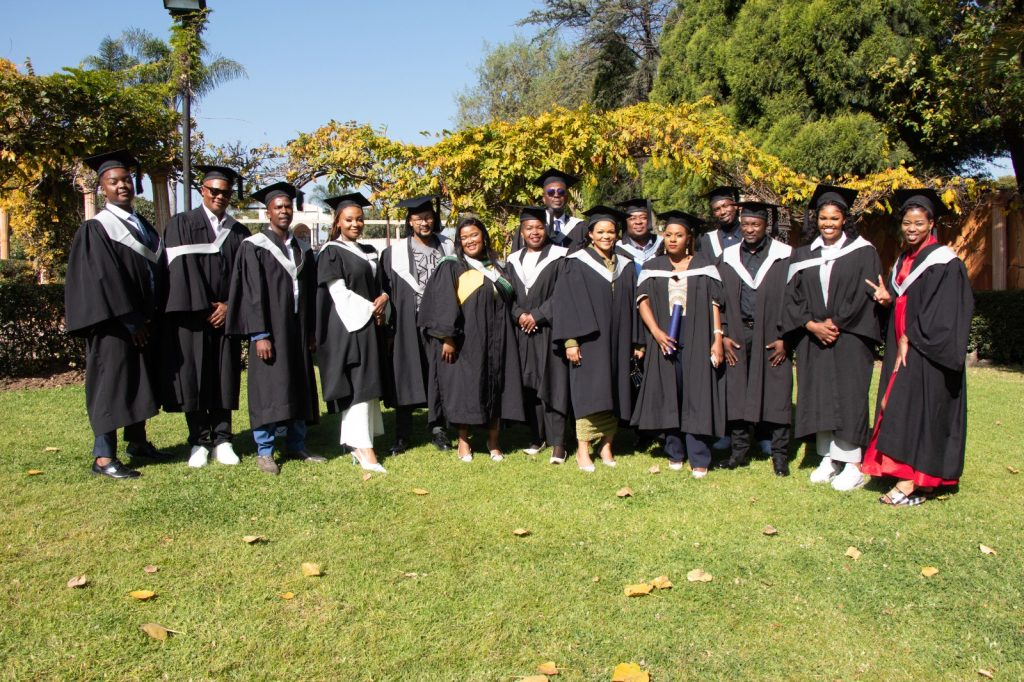
    Statement On Class Of 2025

    An Advanced Diploma is a recognised higher education qualification positioned at NQF Level 7, representing postgraduate-level learning with an emphasis on application, analysis, and research-informed practice.

    Key characteristics include:

    • Advanced theoretical and practical integration
    • Formal assessment and national recognition
    • Strong emphasis on leadership and strategic capability
    • A pathway to further postgraduate study

    This positions graduates to operate with greater confidence, credibility, and authority in innovation-related leadership roles.

    What You Will Study

    The programme consists of 120 credits, with all modules compulsory:

    • Innovation-Driven Business Efficiency (30 Credits)
    • Innovation Management for Entrepreneurial Success (30 Credits)
    • Innovation Leadership for Competitive Success (30 Credits)
    • Innovation Practice: Business Research Report (30 Credits)

    Together, these modules develop your ability to lead innovation initiatives, evaluate impact, and produce research-informed solutions relevant to your organisation.

    Skills You Will Develop

    Through this qualification, you will strengthen your ability to:

    • Lead and manage innovation across organisational systems
    • Apply systems thinking to complex problems
    • Align innovation initiatives with strategy and sustainability
    • Conduct applied research to inform decision-making
    • Influence people and processes in uncertain environments

    These capabilities are increasingly critical for leaders operating in both public and private sector contexts.

    Who This Qualification Is For

    This qualification is ideal if:

    • You are already leading or coordinating innovation initiatives
    • You operate in complex, constrained, or regulated environments
    • You seek formal recognition for advanced innovation capability
    • You want to strengthen your leadership credibility and influence
    • You are preparing for senior or strategic roles

    If innovation is already part of your responsibility, this qualification helps you lead it with intention and confidence.

    Why Now Matters

    Innovation pressures are not easing. Digital transformation, sustainability imperatives, and organisational reform are accelerating. Leaders who wait to formalise their capability often find themselves reacting rather than shaping outcomes.

    The professionals who progress are those who:

    • Invest in leadership capability before they are forced to
    • Use learning as a strategic advantage, not a recovery tool
    • Strengthen resilience through structured, applied development

    Take the Next Step

    You do not need more responsibility.
    You need deeper capability, structure, and recognition.

    The Advanced Diploma in Innovation Management Practices allows you to consolidate what you already do and lead innovation with greater clarity, credibility, and impact.Click here to enrol for the Advanced Diploma in Innovation Management Practices or book a consultation with a DaVincian today.

  • Dr Ntokozo Mahlangu On Africa Building Its Own Voice In Global Credit Ratings

    Dr Ntokozo Mahlangu On Africa Building Its Own Voice In Global Credit Ratings

    A thought-provoking new Op-ed by Dr Ntokozo Mahlangu, member of the Strategic Advisory Board at The DaVinci Institute, reflects on the launch of the African Credit Ratings Association (Acra) and what it means for Africa’s position in global capital markets. Writing at a time when African sovereign and corporate debt exceeds $1 trillion and the price of risk is increasingly sensitive to perception, Dr Mahlangu argues that credit ratings have become a decisive factor in shaping the continent’s economic future.

    From Being Rated to Participating in Rating

    In his article, “Africa is rating itself through building an institutional voice in global capital markets,” he explores how Acra represents more than a new institution. It signals a shift from Africa being merely assessed by global agencies to actively participating in how risk, value, and opportunity are understood and priced in international markets.

    DaVinci Alumni

    Strengthening Governance and Credibility

    He notes that while international rating agencies operate with established and rigorous frameworks, these models were largely developed in advanced economies and do not always fully reflect African economic realities. By contributing local expertise, contextual understanding, and stronger data practices, an African-led ratings initiative has the potential to strengthen governance, transparency, and the credibility of financial reporting across the continent.

    Rewriting Africa’s Financial Narrative

    Ultimately, his piece highlights that institution-building in finance is not about symbolism, but about shaping fairer, more accurate, and more sustainable pathways for development. Africa, he suggests, is beginning to move from being narrated by global markets to helping write its own financial story. Read the full article on Business Day: Africa is rating itself through building an institutional voice in global capital markets

  • Advanced Certificate In Business Innovation Management: Skills For The Next Stage Of Your Career

    Advanced Certificate In Business Innovation Management: Skills For The Next Stage Of Your Career

    You are not short on experience. You are short on time.

    Between meetings, deadlines, family responsibilities, and the daily pressure to keep things running, the idea of sitting in a classroom full-time is simply unrealistic. Yet at the same time, your role is demanding more from you than ever. You are expected to innovate, improve systems, adopt new technologies, and lead change, often without formal authority or recognition.

    This is the reality for many experienced professionals. You are already doing innovative work, but you cannot afford to pause your career to study, and you cannot afford to fall behind either.

    The Advanced Certificate in Business Innovation Management is designed precisely for this moment. It is a qualification that fits around your working life, formalises what you already do, and equips you with the tools to stay relevant in a rapidly changing environment.

    The Innovation Pressure Is Accelerating

    The pace of change in organisations is no longer gradual. It is constant.

    According to the OECD Skills Outlook, organisations globally are experiencing a growing skills mismatch, where roles are changing faster than formal job titles and qualifications can keep up. Employees are increasingly expected to redesign processes, respond to digital disruption, and solve complex problems without having been formally trained to do so.

    Closer to home, South African employers are feeling this pressure acutely. Public sector reform, digital transformation initiatives, and private sector competitiveness all rely on people who can innovate within constraints. Yet many professionals are promoted into these responsibilities without the frameworks, language, or confidence that formal innovation training provides.

    The result? Capable professionals plateau, not because they lack ability, but because they lack recognised innovation capability.

    Why Experience Alone Is No Longer Enough

    Experience remains valuable, but it is no longer sufficient on its own.

    Research by McKinsey & Company shows that organisations that actively build innovation capability are significantly more likely to sustain performance during periods of disruption. However, innovation is no longer seen as instinctive or informal. It is increasingly treated as a structured, learnable discipline.

    For individuals, this means that being “good at problem-solving” is no longer enough. Employers want to see:

    • Structured thinking
    • Innovation frameworks
    • Evidence of applied learning
    • Formal credentials that validate capability

    Without this, experienced professionals risk being overlooked, even while carrying the weight of change on their shoulders.

    A Qualification Designed for Working Adults

    The Advanced Certificate in Business Innovation Management is not aimed at school leavers or full-time students. It is designed for professionals who are already in the system and cannot afford to step out of it.

    This qualification allows you to:

    • Study while working full-time
    • Apply learning directly to your current role
    • Build formal innovation capability without pausing your career

    At The DaVinci Institute, learning is work-integrated and practical. Assignments are not hypothetical. They are based on challenges in your organisation, ensuring that your study time immediately translates into workplace value.

    What Is an Advanced Certificate in Business Innovation Management?

    An Advanced Certificate is a nationally recognised higher education qualification that sits between short courses and diplomas.

    Key features include:

    • NQF Level 6 positioning
    • Formal assessment and recognition
    • Strong applied and workplace focus
    • A clear pathway to further study

    Unlike short courses, which often lack depth and recognition, this qualification provides structured learning that strengthens credibility and supports long-term career progression.

    Why Choose the DaVinci Advanced Certificate?

    The DaVinci Institute’s approach is intentionally different:

    • CHE and SAQA accredited, ensuring national recognition
    • Flexible online delivery, built for time-constrained professionals
    • Work-based assessments, linked to your role and organisation
    • Immediate relevance, with tools you can use from the first module
    • A strong emphasis on innovation, systems thinking, and real-world application

    This is not academic theory for its own sake. It is learning designed to help you perform better now.

    Who Is This Qualification For?

    This qualification is ideal if:

    • You are already responsible for improvement, innovation, or change
    • You cannot commit to full-time, classroom-based study
    • You want formal recognition for work you are already doing
    • You are seeking career progression without stepping away from employment
    • You work in complex public or private sector environments

    If your role is changing faster than your job title, this qualification helps you keep up and move forward.

    Key Skills You Will Gain

    Through the programme, you will develop skills in:

    • Structured innovation problem-solving
    • Systems thinking and organisational analysis
    • Business model and process innovation
    • Technology-enabled improvement
    • Leading change in uncertain environments

    These skills are increasingly essential as organisations navigate digitalisation, resource constraints, and transformation.

    Career Paths After an Advanced Certificate in Business Innovation Management

    Graduates typically move into or strengthen roles such as:

    • Innovation Coordinator
    • Business Improvement Manager
    • Process Improvement Specialist
    • Project or Change Manager

    These roles exist across government, corporates, NGOs, and entrepreneurial environments, wherever organisations need people who can improve how things work.

    Why Now Matters

    Artificial intelligence, automation, and digital reform are already reshaping jobs. Waiting for “the right time” to formalise your skills often means waiting too long.

    The professionals who progress are those who:

    • Act before change forces their hand
    • Formalise capability while they are still employed
    • Use learning as a tool for resilience, not recovery

    The Advanced Certificate in Business Innovation Management allows you to do exactly that, without putting your life or career on hold.

    Take the Next Step

    You do not need more experience.
    You need recognition, structure, and momentum.

    Turn what you already do into recognised innovation capability with the Advanced Certificate in Business Innovation Management at The DaVinci Institute.

    Visit www.davinci.ac.za to apply or book a conversation with one of our DaVincians today.

  • DaVinci Alumnus Advances Safety, Systems Thinking And Innovation In Port Operations

    DaVinci Alumnus Advances Safety, Systems Thinking And Innovation In Port Operations

    It is not often that academic research speaks directly to the heartbeat of national infrastructure. For Themba Joseph Sithole, a graduate of The DaVinci Institute’s Master of Management in Technology and Innovation, that intersection between theory and real-world impact became the defining feature of his journey.

    With a Diploma in the Management of Technology and Innovation completed in 2014, Sithole’s return to DaVinci was not about starting over, but about advancing with intention.

    “As part of my professional growth, I enrolled for the Master’s programme because it equipped me with the knowledge, theory and action learning competence required to align business leadership with agility and engagement,” he explains.

    At the centre of this learning journey was DaVinci’s distinctive TIPS™ framework, integrating Technology, Innovation, People and Systems Thinking. For Sithole, this was not abstract theory, but a practical leadership lens that reshaped how he approached organisational challenges.

    Research with Purpose: Health and Safety at the Port of Richards Bay

    Themba Sithole

    Sithole’s dissertation, Exploring Health and Safety Compliance at the Port of Richards Bay, South Africa, was inspired by a persistent and pressing reality.

    “The continued occurrence of safety-related incidents highlighted the need to critically assess whether existing frameworks are sufficient. I wanted to understand where the gaps were, and how leadership and managerial practices influence compliance,” he says.

    His research explored the effectiveness of health and safety enforcement, the roles of SHE professionals and senior management, and the broader challenge of cultivating a sustainable safety culture within port operations.

    The findings pointed to clear priorities:

    • Stronger and more visible management commitment
    • Improved training and safety awareness
    • Addressing operational risk factors such as defective equipment and poor lighting
    • Clear accountability mechanisms across organisational levels

    By combining systemic thinking with continuous improvement and technological advancement, Sithole believes South African ports can build more resilient, compliant and people-centred safety systems.

    Navigating the Demands of a Master’s Degree

    Like many working professionals, Sithole’s journey was not without obstacles. Resource constraints, time pressure and the complexity of managing large research datasets assessed both his discipline and resilience.

    “Balancing heavy workloads, deadlines and research demands was challenging. Data management and qualitative analysis required patience, focus and the willingness to learn new tools,” he reflects.

    What helped him push through was a combination of structure and support. Proactive engagement with his supervisor, participation in institutional workshops, peer collaboration, and effective use of DaVinci’s academic and IT resources all played a crucial role. Support from his employer, through bursary funding, further enabled him to stay the course.

    Lessons in Growth, Discipline and Resilience

    Looking back, Sithole says the most powerful lessons were not only academic.

    “Embracing the process was key. I learned to focus on progress rather than perfection. Developing discipline, maintaining consistency, and bouncing back from setbacks shaped me as much as the qualification itself,” he shares.

    Cultivating a growth mindset allowed him to see challenges as opportunities, not barriers. Submitting work imperfectly, receiving feedback, and refining his thinking became part of a continuous learning rhythm.

    Leadership, Teaching and Transformation

    As he steps into the next chapter, he shares is energised by possibility. His ambitions span industry transition, entrepreneurship, teaching as an adjunct lecturer, and community transformation through sustainable development initiatives.

    “I want to integrate systemic principles into organisational problem-solving, support meaningful change, and contribute to innovation-driven planning processes,” he says.

    Words of Encouragement for Future DaVinci Students

    For students who may be doubting their ability to complete their qualification, Themba offers grounded and compassionate advice.

    “Shift your mindset. You are here to learn, not to prove that you already know everything. Reframe failure as data. One setback does not define you,” he says.

    He encourages students to act, even in small steps, seek support, stop comparing themselves to others, and reconnect with their ‘why’ during difficult moments.

    “You are braver than you believe, stronger than you seem, and smarter than you think. The only real failure is not trying,” he adds.

    Through his journey, Themba Sithole exemplifies the DaVinci graduate in action: thoughtful, resilient, systems-oriented, and committed to applying knowledge where it matters most.

  • King V And The Digital Boardroom

    King V And The Digital Boardroom

    A thought-provoking new Op-ed by Bram Meyerson, CEO of Quantimetrics and Executive Member of the Convocation at The DaVinci Institute, was recently published in TechFinancials, calling on South African boards to urgently rethink how they govern data, artificial intelligence, and digital technologies under King V.

    King V Signals a Shift in Governance Expectations

    Bram Meyerson
    The DaVinci Institute’s Convocation Executive Member, Bram Meyerson.

    In his article, “The Boardroom Challenge: Governing AI, Data and Digital”, Meyerson reflects on how King V represents more than an incremental update to King IV. It marks a decisive shift in governance thinking, positioning data, information, and technology as central to organisational integrity, sustainability, and long-term value creation.

    The Growing Gap Between Boards and Digital Reality

    He notes that while technology has long powered organisations, many boards remain ill-equipped to oversee its strategic, ethical, and financial implications. Limited digital capability at board level, immature technology reporting, and weak oversight leave organisations increasingly exposed to cyber threats, unethical AI use, data breaches, and declining public trust.

    From Compliance to Value-Driven Digital Governance

    Meyerson highlights that King V challenges organisations to treat digital governance as a value discipline rather than a compliance exercise. Governing AI, data, and emerging technologies demands new skills, clearer measurement of digital investment returns, and stronger alignment between technology decisions and business outcomes.

    Digital Governance as a Foundation for Sustainability

    Ultimately, his piece reminds us that in a rapidly digitising economy, digital governance is no longer optional or peripheral. It is fundamental to organisational sustainability, national competitiveness, and ethical leadership. King V has set a clear expectation. The responsibility now lies with South African boards to ensure their governance frameworks are fit for a digitally accelerated future.

    Read the full article on Tech Financials:
    The Boardroom Challenge: Governing AI, Data and Digital
    https://techfinancials.co.za/2026/01/20/the-boardroom-challenge-governing-ai-data-and-digital/

  • How Neritha Pillay Turned Ambition Into Academic Excellence

    How Neritha Pillay Turned Ambition Into Academic Excellence

    Some journeys demand bold choices, unwavering commitment, and the courage to step into the unknown. For Neritha Pillay, the decision to pursue a Postgraduate Diploma in Business Leadership at The DaVinci Institute was more than an academic milestone, it was a strategic move to advance her career, expand her horizons, and create lasting impact. From her early beginnings in South Africa to an international career with SKF, Pillay’s story is a testament to what’s possible when ambition meets opportunity and perseverance becomes a guiding principle.

    From Humble Beginnings to Bold Decisions

    Pillay grew up in a challenging environment and transitioned directly from school into employment without any formal qualifications. She reflects on her journey with pride on her LinkedIn profile: “Creating a career from humble beginnings called for grit, perseverance, and resilience to keep moving forward no matter the obstacles, giving up was never an option!”

    Nearly 20 months ago, she took one of the boldest steps of her life, relocating from SKF South Africa to SKF UK to pursue new professional opportunities. Despite the challenges of adjusting to a foreign country and a new work environment, Pillay remained steadfast in her goals. She attributes her growth to the support of mentors, colleagues, and loved ones: “I deeply appreciate everyone who stood by me and believed in my potential, you know who you are. Thank you for being part of this journey!”

    Achieving Academic Excellence While Advancing Professionally

    Neritha Pillay - Post Graduate Diploma in Business Leadership
    Neritha Pillay’s journey proves that determination and ambition can turn challenges into triumphs.

    Pillay graduated Cum Laude on 30 October 2025 with her Postgraduate Diploma in Business Leadership. Her project, “Exploring the strategic integration of Lincoln Lubrication South Africa by SKF South Africa,” applied practical business insight to a real organisational challenge, demonstrating the impact of postgraduate study on professional performance.

    Her achievement shows that virtual learning offers a powerful platform for ambitious professionals. Through The DaVinci Institute’s flexible online model, students can pursue advanced qualifications from anywhere in the world, gaining knowledge and skills that directly enhance their careers.

    Lessons in Resilience, Courage, and Growth

    Pillay’s journey has been defined by determination and adaptability. She shares, “It’s been a period of triumphs and trials, but also immense growth and learning. Backed by a fantastic team, I have emerged more brave, courageous, confident, and determined.”

    For prospective students, her experience highlights an important principle: obstacles are stepping stones when paired with perseverance, strategic planning, and a clear vision.

    Inspiration for the Next Generation of Leaders

    Neritha Pillay’s story illustrates the transformative power of postgraduate study and the potential of virtual learning. Her journey demonstrates that professional ambition and academic excellence can go hand in hand, creating tangible impact both in the workplace and beyond.

    “To anyone chasing their dreams: keep going, even when the road feels impossible. Your persistence will turn obstacles into stepping stones,” Pillay advises.

    Her achievement is more than a personal milestone, it is a beacon for all professionals considering further education. With ambition, resilience, and access to flexible learning, success is possible without pausing life or career.

  • Leadership Spotlight: Adele Hartdegen’s Vision For Elevating South Africa’s MICE Industry

    Leadership Spotlight: Adele Hartdegen’s Vision For Elevating South Africa’s MICE Industry

    Balancing executive leadership with academic rigour is no small feat. For Adele Hartdegen, CEO of Dogan Exhibitions and the Johannesburg Expo Centre, her Postgraduate Diploma journey at The DaVinci Institute became both a strategic lens and a catalyst for deeper impact. With more than a decade of experience in the MICE industry, her academic work reflects a commitment to growth, clarity, and national economic contribution.

    Adele’s journey speaks to purposeful leadership, grounded research, and the ability to translate insight into action within one of South Africa’s most influential industries.

    A Career Rooted in Strategy and Transformation

    Hartdegen’s professional expertise lies in strategic development, with a strong focus on sales growth, brand enhancement, operational efficiency, and business turnaround. Leading two major entities at the heart of South Africa’s business events ecosystem, she has consistently leveraged sales, marketing, and operational best practices to drive measurable results and sustainable success.

    Her decision to pursue further academic development was driven by a desire to sharpen her strategic thinking while applying theory directly to complex, real-world environments.

    Unlocking the Economic Power of the MICE Industry

    Hartdegen’s research, titled “The utilisation of the South African MICE industry as a catalyst for economic growth,” was inspired by a recurring realisation throughout her career.

    “I have spent the last 12 years in the MICE industry, and I realised that the industry is still widely misunderstood, particularly its economic impact and potential,” Hartdegen explained.

    She noted that while the MICE industry has a far-reaching global economic footprint, South Africa lacks standardised data collection and economic impact assessments, resulting in underrepresentation of the industry’s true contribution.

    Her study revealed several critical insights:

    • The MICE industry has a significant and far-reaching economic impact globally, with strong potential locally
    • South Africa is well-positioned to capitalise on this potential if supported by credible, standardised data
    • There is a pressing need for consistent economic impact assessments to quantify contribution
    • Stronger alignment between public and private sector stakeholders is essential
    • Multiple areas of structural improvement are required to unlock greater economic value

    “These findings confirm that while the opportunity is substantial, strategic coordination and further focused research are needed to fully unlock the industry’s contribution,” Hartdegen explained.

    Leading at the Centre of Global Events: The G20 Experience

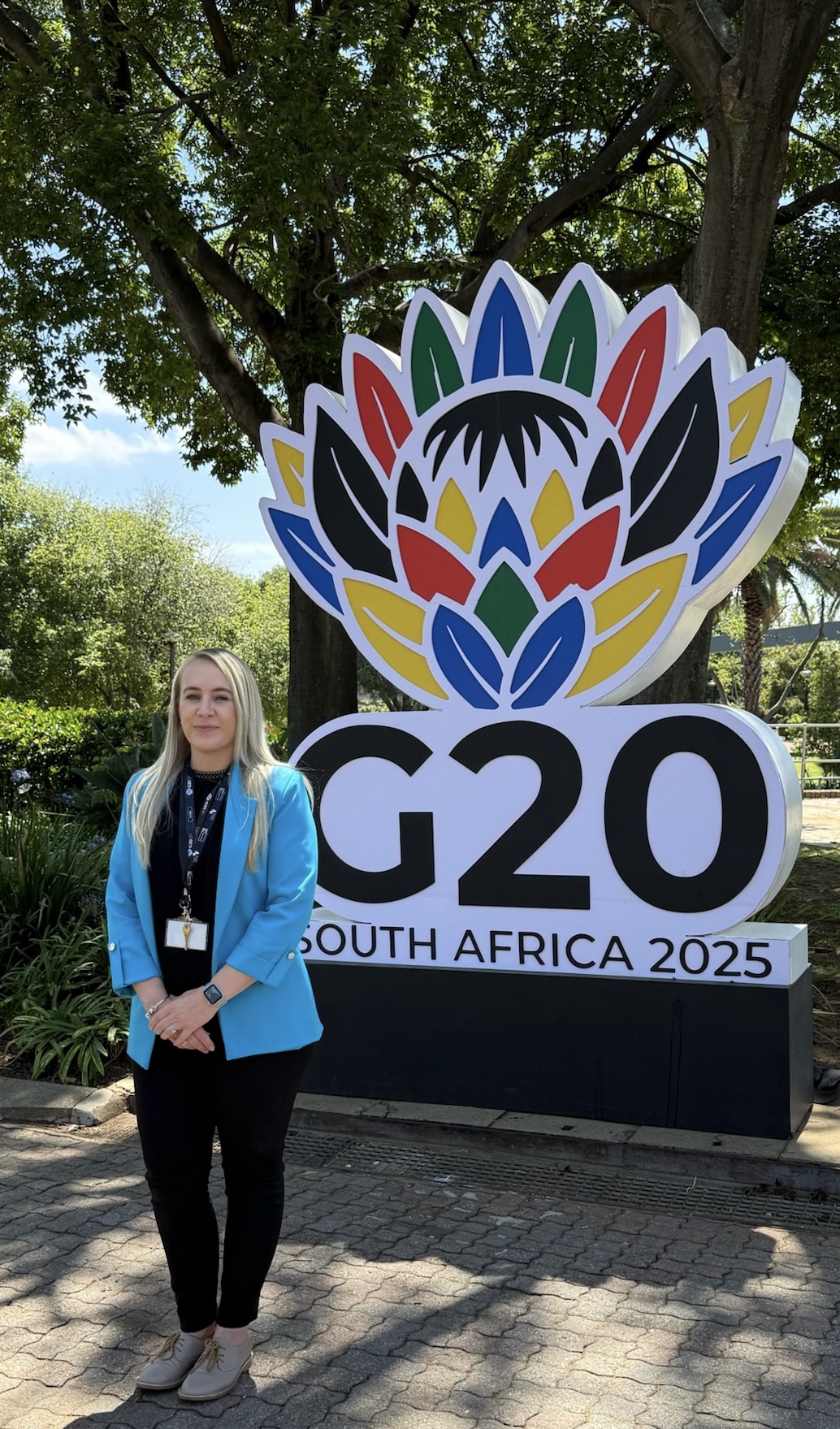
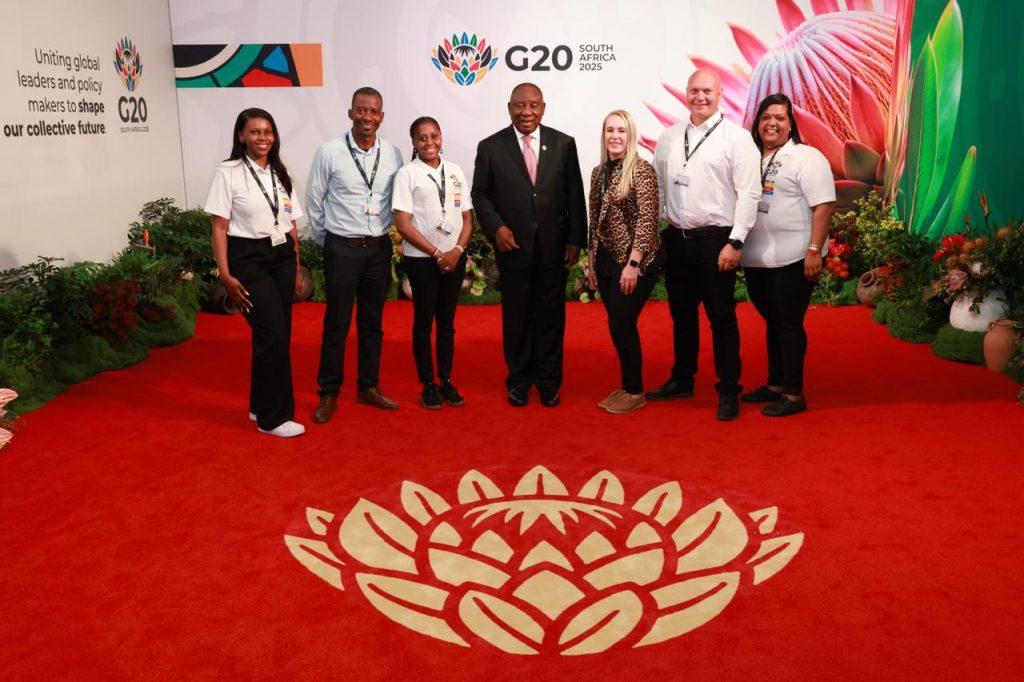
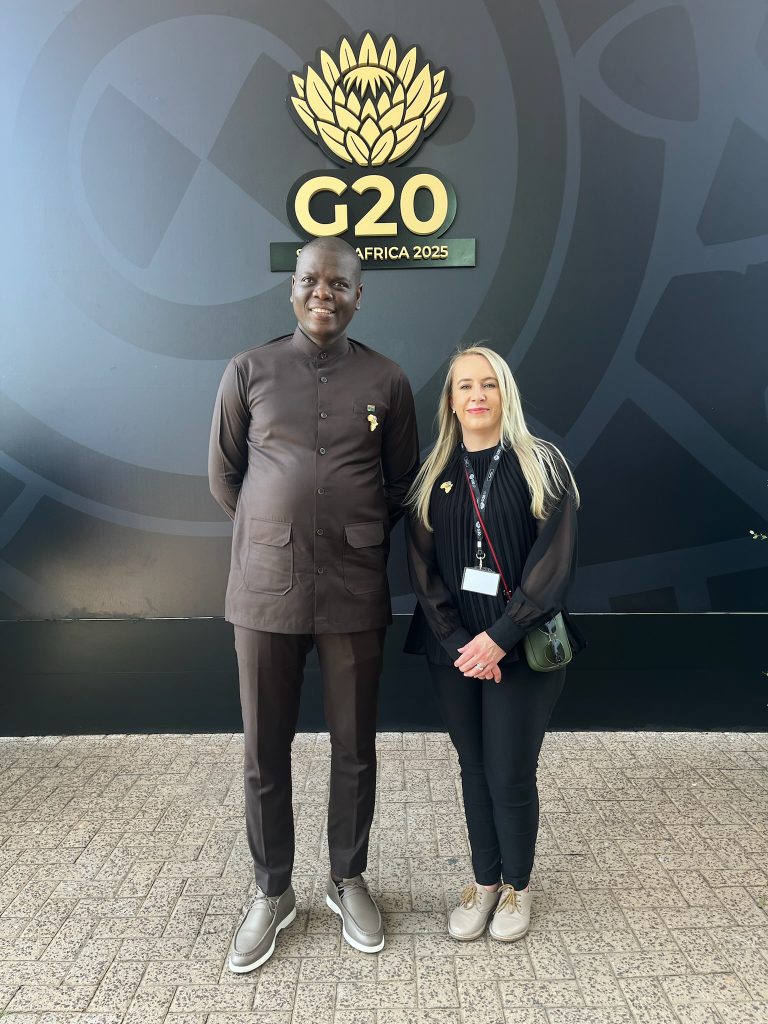
    During 2025, Hartdegen played a pivotal leadership role as the Johannesburg Expo Centre hosted both the G20 Ministerial Summit and the G20 Heads of State Summit. The venue’s unique position as both host and full turnkey service provider placed her team at the epicentre of one of the most complex event projects in the country.

    “The venue team is responsible for the full design, planning, and execution through an extensive network of partners. Managing multiple stakeholders across government departments, suppliers, and contractors was one of the most challenging aspects,” Hartdegen shared.

    An uncompromising six-month planning process guided every detail, from aesthetics and functionality to budgeting and risk management. Leadership, she noted, came down to assembling the right team, assigning roles based on strengths, and contracting industry experts where needed.

    “Leading the project meant remaining calm under pressure to keep the team focused. Being described as the ‘voice of calm in the storm’ was a proud moment, as it showed leadership by example,” Hartdegen reflected.

    Positioning South Africa as a Global Business Events Destination

    Hartdegen believes that high-profile international events are among South Africa’s strongest strategic tools for destination positioning.

    “Projects such as the G20 offer first-hand experience of the country to global decision-makers. Delegates commented on the authenticity of our culture and hospitality, saying it felt genuine rather than rehearsed,” Hartdegen said.

    She emphasised that these events should be leveraged as case studies to support future bids, demonstrating South Africa’s capability to host events of international significance while generating far-reaching economic returns.

    Innovation, Technology, and the Future of MICE

    While hybrid events have become synonymous with post-COVID innovation, Hartdegen believes the next wave of transformation lies deeper within operations.

    “The real opportunity lies in improving operational software systems such as CRM, ERP, and AI-based design tools. These systems enhance customer service and efficiency, creating capacity to deliver and host more prominent events,” she explained.

    For Hartdegen, technology is not just about experience, but about scalability, efficiency, and sustainability.

    Navigating Leadership Challenges With Resilience

    Reflecting on her career, Hartdegen identifies one recurring challenge.

    “Having started in senior management at the age of 22, navigating perceptions about the capability of younger females in male-dominated industries has been significant,” Hartdegen shared.

    Her response has been rooted in focus and self-belief.

    “I’ve learnt to take emotion out of business and let results speak for themselves. Self-development and self-motivation are critical, and it’s important not to let external opinions distract you from your end goal,” she said.

    Academic Insight Applied to Real Organisations

    Hartdegen credits her Postgraduate Diploma with strengthening her approach to leadership and strategic decision-making.

    “Using both entities as case studies throughout the programme allowed me to take an objective, critical perspective. The assessments now serve as blueprints for my teams to execute strategies that improve efficiency and ensure growth,” Hartdegen explained.

    This integration of theory and practice has enabled immediate organisational impact across Dogan Exhibitions and the Johannesburg Expo Centre.

    Looking Ahead: Growth, Legacy, and National Impact

    Hartdegen is particularly excited about the evolving perception of the NASREC precinct, following the successful hosting of the G20.

    “The Johannesburg Expo Centre remains the largest venue on the African continent and plays a critical role in economic stability and job creation for the Soweto precinct,” Hartdegen said.

    She also highlighted the revival of The Rand Show as a legacy consumer brand, noting consistent year-on-year growth and renewed national relevance.

    Looking ahead, Hartdegen is optimistic about the future of the MICE industry, particularly with renewed momentum within SA Tourism to secure more international events through strategic bidding.

    A Vision Anchored in Purpose and Progress

    Adele Hartdegen’s journey reflects the essence of DaVinci leadership: strategic thinking, evidence-based decision-making, and purposeful impact. Through her academic work, executive leadership, and unwavering focus on growth, she continues to shape not only organisations, but the broader economic landscape of South Africa’s MICE industry.

    Her story stands as a powerful example of how learning, leadership, and lived experience can intersect to create lasting national value.

  • Start Your 2026 Post-Matric Journey With The DaVinci Institute

    Start Your 2026 Post-Matric Journey With The DaVinci Institute

    Finishing matric is a milestone worth celebrating, but it also comes with major decisions about the future. Every year, thousands of learners qualify for university studies, yet available spaces fall far short. For example, in 2024, approximately 337,158 learners achieved a bachelor’s pass, but only around 202,000 university seats were open.

    If you did not secure a spot at a public institution for 2026, or if you are looking for a more practical, entrepreneurial, and flexible study pathway, your journey is far from over. In fact, it may be just the beginning.

    There are alternative routes that prepare you for real opportunities, and The DaVinci Institute is leading the way with accessible, high-quality programmes designed for the world you are stepping into.

    Learning that fits your life

    At DaVinci, education is more than passing modules or memorising theory. It is about building capabilities and skills that you can apply immediately, whether you want to start a business, grow an existing project, or open doors to further study.

    Our programmes are:

    • Fully distance learning so that you can study from anywhere
    • Flexible, allowing you to learn at your own pace
    • Practical, grounded in real-world problem-solving
    • Future-focused, equipping you with relevant tools and mindsets

    From Higher Certificates to Bachelor’s Degree, Advanced Diploma, and Postgraduate Diploma, each qualification is designed to empower you to think critically, innovate boldly, and work with confidence.

    Real students, real impact

    At DaVinci, success is measured by what students do with their learning. Two remarkable young people show what is possible when education meets opportunity.

    Israel Thekiso: Turning a setback into a new future

    Israel Thekiso

    After a workplace injury in the construction sector, Thekiso had to rethink his career path. But he did not give up; he adapted instead.

    Through his Higher Certificate in the Management of Technology and Innovation, he discovered tools like the TIPS™ Framework and practical approaches to innovation. These helped him identify gaps in workplace safety and ultimately launch his own company, Generis Omnivision (Pty) Ltd.

    What began as a setback became a stepping stone toward entrepreneurship and meaningful social impact.

    Ziphozakhe Tshambo: Turning learning into Business Solutions

    Ziphozakhe Tshambo

    As a fellow Higher Certificate student, Tshambo demonstrated the power of applied learning during a Work-Based Challenge at Axalta Plascon.

    Tasked with auditing project management processes, he used DaVinci’s frameworks to identify improvement opportunities and propose actionable solutions. His work was not theoretical; it directly strengthened a real organisation’s operations.

    These stories show what makes DaVinci different: students do not just earn qualifications, they transform themselves, build confidence, and apply their knowledge in meaningful ways.

    Why private higher education is the right way

    If a public institution is not an option, private institutions are not a “backup plan.” They are an essential part of South Africa’s education ecosystem, giving students access to personalised support, innovative teaching methods, and industry-aligned content.

    At The DaVinci Institute, students benefit from:

    • Individual support through our learning coordinators and student support
    • Curricula aligned to real-world needs
    • The TIPS™ Framework, integrating Technology, Innovation, People, and Systems
    • Flexible payment options and funding pathways
    • Direct links between learning and work-based challenges

    Private education is an investment that helps you grow your capabilities, build confidence, and prepare for the future you want to create.

    Find your path

    Every matriculant moves differently through life. You might be:

    • An exploratory shifter discovering new interests
    • A passion-driven shifter guided by what you love
    • A skill-based shifter building practical expertise
    • An opportunity-driven shifter responding to what’s possible
    • A trial-and-error shifter learning through experience

    No matter your path, DaVinci’s approach meets you where you are and supports where you want to go.

    Start co-creating your future with us

    Your next chapter does not depend on a single institution’s acceptance letter. It depends on your willingness to explore, learn, innovate, and take ownership of your story. With flexible study options, supportive faculty, practical learning, and inspiring student role models, you can turn uncertainty into opportunity and shape a meaningful, future-ready career.

    Explore our undergraduate qualifications today. Your future is yours to design; DaVinci simply helps you build it.

  • Graduate Spotlight: Nazlee Van De Rhede’s Journey To Exploring Internal Mobility At Capitec

    Graduate Spotlight: Nazlee Van De Rhede’s Journey To Exploring Internal Mobility At Capitec

    Earning a qualification while navigating the complexities of work, life, and personal aspirations is no small achievement. For Nazlee Van De Rhede, a recent Bachelor of Commerce in Business Management graduate at The DaVinci Institute, this journey became a profound chapter of self-development, resilience, and leadership growth. Her story reflects not only academic accomplishment but also the inner transformation that comes with perseverance and purpose.

    A Passion for Business and a Drive to Lead

    Van De Rhede’s inspiration to pursue her BCom in Business Management stemmed from a longstanding curiosity about how organisations operate, grow, and create value, especially within the dynamic world of financial services.

    “I’ve always had a strong interest in understanding how businesses build efficiency and deliver value. I wanted a qualification that gave me both strategic insight and practical skills I could apply in real workplaces like Capitec,” she shared.

    Her studies shaped her on multiple levels. Personally, she grew in discipline, resilience, and confidence. Professionally, the programme deepened her understanding of financial principles, leadership, decision-making, and operational excellence.

    “Overall, the degree helped me become more capable, structured, and purpose-driven in how I approach work and leadership,” Van De Rhede added.

    Exploring Internal Mobility at Capitec

    Van De Rhede’s Work-Based Challenge, “Scaling internal mobility challenges to enhance workforce agility at Capitec Bank,” was inspired by her keen interest in people development and organisational agility.

    Having observed the need for structured career pathways in high-performance environments, she wanted to understand why some employees struggle to transition into new roles and how organisations can support growth more effectively.

    “I’ve seen how important internal opportunities are for both employees and the business. When mobility is well supported, it strengthens career development and builds a future-ready workforce,” Van De Rhede explained.

    Her research uncovered key insights:

    • Employees often have the capability to move into new roles but face barriers such as low visibility of opportunities and inconsistent coaching.
    • Supportive leadership and clear development pathways significantly enhance internal movement.
    • Organisations benefit from transparent communication, structured upskilling, and tools that give employees access to internal roles.

    “These findings show that mobility is not just about creating opportunities, but removing blockers and supporting people through transitions,” she said.

    Balancing Pressure With Purpose

    Like many working students, Van De Rhede faced the demanding task of balancing academic deadlines with professional responsibilities and personal life. Research required deep thinking, time management, and emotional endurance.

    “There were moments where I questioned whether my findings were strong enough or if my approach was correct. Staying committed meant sacrificing weekends, seeking guidance from a life coach, and breaking my work into manageable tasks,” she recalls.

    Her resilience, strong values, and commitment to growth carried her through.

    Lessons That Shaped Her Future

    Reflecting on her journey, several lessons stand out for Van De Rhede:

    • Discipline and consistency remain essential to managing pressure.
    • Critical thinking transformed how she approaches challenges and decisions.
    • Perseverance through difficult moments-built confidence and mental strength.
    • Business knowledge broadened her understanding of people, processes, and organisational development.

    “These experiences shaped not just my academic success, but the professional I am becoming, disciplined, analytical, values-driven, and hungry to learn,” Van De Rhede said.

    Support That Made the Journey Possible

    Van De Rhede attributes her success to a strong support system: her family, who encouraged her through overwhelming periods, and DaVinci lecturers who guided her with constructive feedback. This combination of emotional and academic support kept her motivated and grounded.

    A Future Built on Purpose and Impact

    As she celebrates her achievement, Van De Rhede is excited about stepping into roles where she can meaningfully apply her knowledge. Her passion lies in leadership, business operations, and people development, spaces where she can grow, guide others, and contribute strategically.

    “I’m entering the next chapter with purpose and confidence. I want to build a career that aligns with my values, develop people, and take on greater responsibility,” Van De Rhede said.

    Advice to Students on Their Own Journey

    Her message to other students is one of encouragement and truth:

    “Growth happens in the moments that feel the toughest. You don’t need to be perfect; you just need to stay consistent. Break the work into smaller goals, lean on your support system, and believe in your potential. Challenges prepare you for future opportunities. Keep going, you are capable of far more than you think.”

    A Journey Worth Celebrating

    Nazlee Van De Rhede joins the growing community of DaVinci alumni who continue to rise in leadership, resilience, and purpose. Her journey embodies the spirit of determination and the transformative power of education. Through her commitment, insight, and unwavering values, she stands as an inspiring example of what it means to learn, grow, and lead.

  • Dr Ntokozo Mahlangu Reflects On South Africa’s G20 Presidency And Its Potential For Lasting Impact

    Dr Ntokozo Mahlangu Reflects On South Africa’s G20 Presidency And Its Potential For Lasting Impact

    A thought-provoking new op-ed by Dr Ntokozo Mahlangu, a member of Strategic Advisory Board at The DaVinci Institute, was recently published in IOL, urging South Africa to ensure that its historic G20 Presidency leads to meaningful economic and social outcomes beyond the summit.

    In his article, “South Africa’s G20 Moment Must Continue Beyond November,” Dr Mahlangu reflects on how the Presidency represents more than a ceremonial milestone. It is an opportunity for the country to shape global economic conversations, advocate for inclusive growth, and strengthen Africa’s position in the world.

    Dr Ntokozo Mahlangu - The DaVinci Institute Discipline Lead


    He notes that while South Africa has held leadership roles in global forums before, the G20 Presidency offers a unique chance to translate international influence into domestic impact. By focusing on sustainable infrastructure, digital access, and equitable economic development, the country can leverage the Presidency to boost investor confidence, strengthen governance, and advance regional priorities.

    Ultimately, his piece reminds us that global leadership is meaningful only when it translates into tangible benefits for citizens. The G20 Presidency is an invitation to turn international visibility into local transformation, ensuring that South Africa’s influence on the world stage strengthens the economy, institutions, and everyday lives of its people.

    Read the full article on IOL: South Africa’s G20 Moment Must Continue Beyond November