
Author: Dumisani Hlatswayo

  • Celebrating The Remarkable – Dr Bheki Mdakane

    Celebrating The Remarkable – Dr Bheki Mdakane

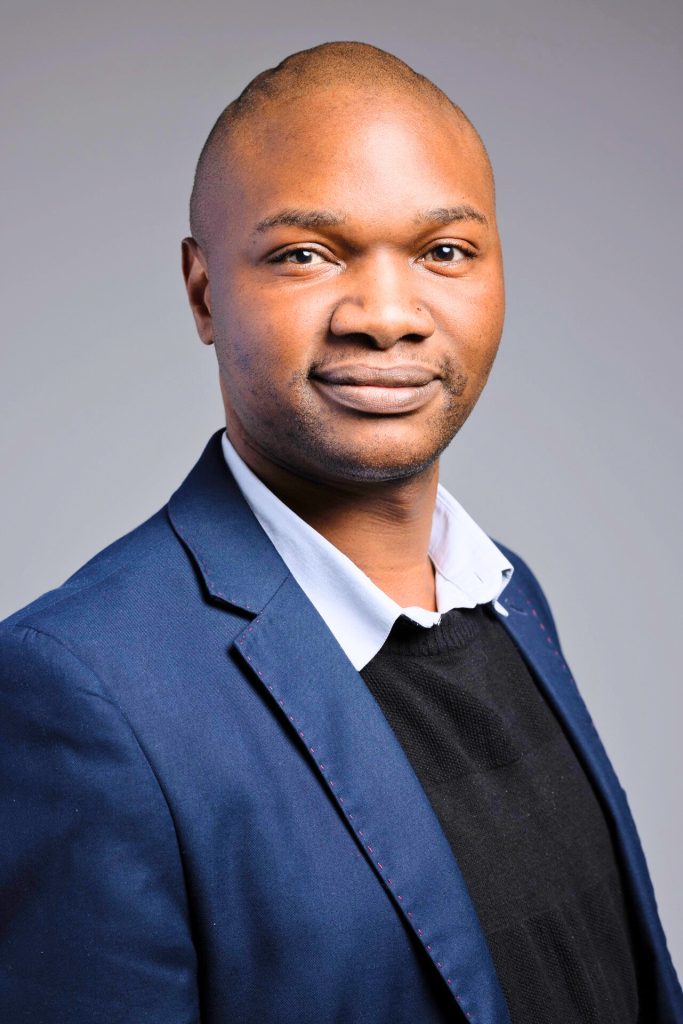
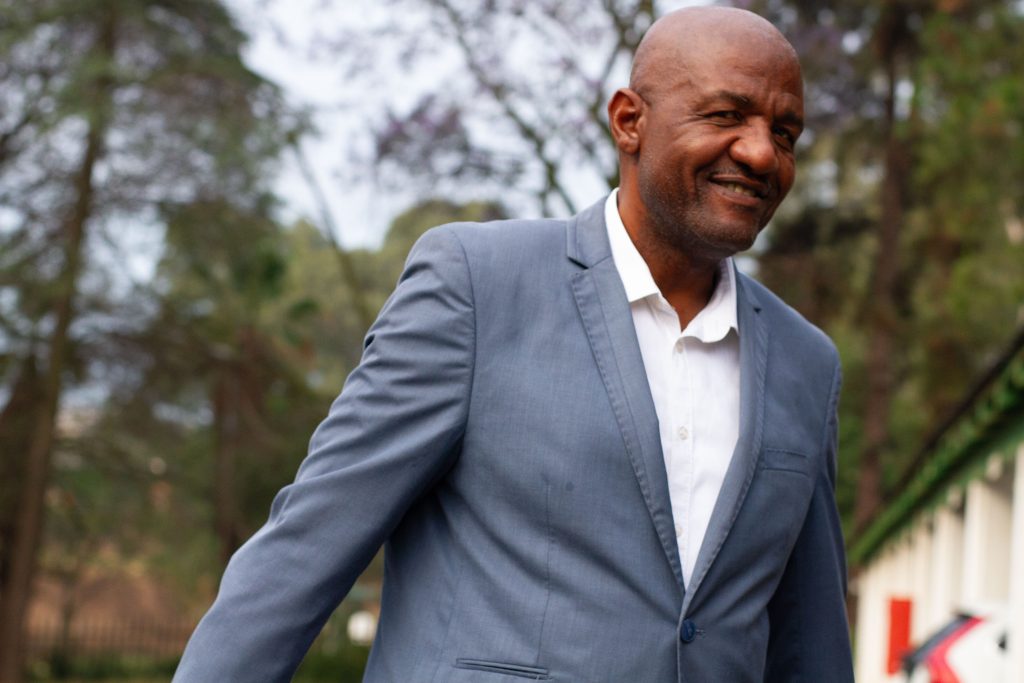
    Dr Bheki Mdakane, could you please give us a brief overview of your career to date?

    My career is quite interesting in the sense that I started as a clerk in the mines and I ended up in an executive position. I began in 1987 as a junior administrative clerk. I was later promoted to senior clerk, then I found myself taking on responsibilities that led me to become a supervisor, a superintendent and eventually a manager. I even served on some executive committees within the mining sector and I am also a teacher. That means I have had two careers running side by side.

    There was also a legal aspect to my development because I completed my master’s with DaVinci in the domain of labour law in 2016. After COVID, my career took a dip but I now find myself in a new chapter.

    In a few words, how would you describe your journey to completing your doctorate?

    A mixed bag. The journey to completing the doctorate was truly a mixed experience. I started in 2018 and thought I would be done by 2021. Then COVID struck. I lost my data, including terabytes stored on Microsoft 360 cloud, because of load shedding.

    The last document I retrieved after the data loss was not as updated as I believed it was. I took a sabbatical. I wanted to give up, but something inside me insisted I could not.

    My first submission in 2023 felt correct because I picked up the work from where I thought I had left off, but behind the scenes many things were not up to standard. I only discovered this after I submitted. I was angry, of course, but I had to let it go and tell myself to take it on the chin and relax. I realised that trying to finish within my preferred timeline was only going to compromise the quality of the work.

    When you consider that I submitted in 2023 and only graduated in 2025, you can see how much time it took. But I am glad it happened that way because I needed to step back, review everything and identify new angles, since things had changed. That kept me going because I reminded myself that I was not chasing a qualification, I was chasing education. I wanted to grow from the process rather than simply end up with a qualification that means nothing.

    Can you share a moment or experience during your doctoral studies that changed your thinking, your approach to research or the way you resolve problems in your organisation?
     

    Losing my data, as I mentioned, could easily have broken me. That experience shifted my entire paradigm. I told myself to relax because things would not end well if I insisted on doing everything according to my own timeline. You are not in control of the universe.

    My thinking shifted and I became more grounded. Do not rush. Take things as they come. You may have a goal, but the universe might not allow you to reach it when you want to because you still need to be tested.

    Another thing that changed me was the examination process, the back and forth between examiner one and examiner two. There is no way we can all think the same. It was painful to receive a “not proceed” because one examiner did not see the work the same way the other did or perhaps did not read it with the level of familiarity required.

    Nevertheless, I had to take it on the chin and remind myself that this is academic rigour. I had to trust the process until we found a point of convergence. Eventually, we did and here I am today, having reached that point of alignment with all the examiners.

    Let us talk about the Da Vinci Institute’s TIPS framework. Do you find it helpful?

    Yes. The TIPS framework is very interesting because my study focused mainly on the P, the people aspect. My research explored the mining host community’s perspectives and experiences, and the P relates directly to stakeholder engagement in my thesis.

    The framework I developed for my study was built from the TIPS model, so integrating it was both relevant and exciting.

    What advice would you give to incoming doctoral students who will be studying with us?

    Unfortunately, no two journeys are ever the same. We may travel together to the garage, but we are not necessarily travelling the same road. It may look like the same road, but you might have more steps to take than I do. Someone else might have fewer steps even though we left the same place at the same time. There is no one size fits all.

    We are all different and we all have different archetypes. My advice is that every prospective PhD student needs to understand themselves. You need to know what makes you tick, what you are made of and the character you bring into the process.

    As you progress, there will be examination processes and feedback that may not align with what you expected. If you do not know yourself, that kind of feedback could make you give up. That is why I say, there is never the same journey for anyone.

    The key is self understanding. The research you undertake is your study. A professor, whether an examiner or supervisor, is a guide. At the end of the day, it is your work. It is not about the professor because you are the one who conceptualised everything in your own mind. Therefore, you need to stand your ground.

  • Profiling The Remarkable – Dr Arnoldus Daniel du Plooy

    Profiling The Remarkable – Dr Arnoldus Daniel du Plooy

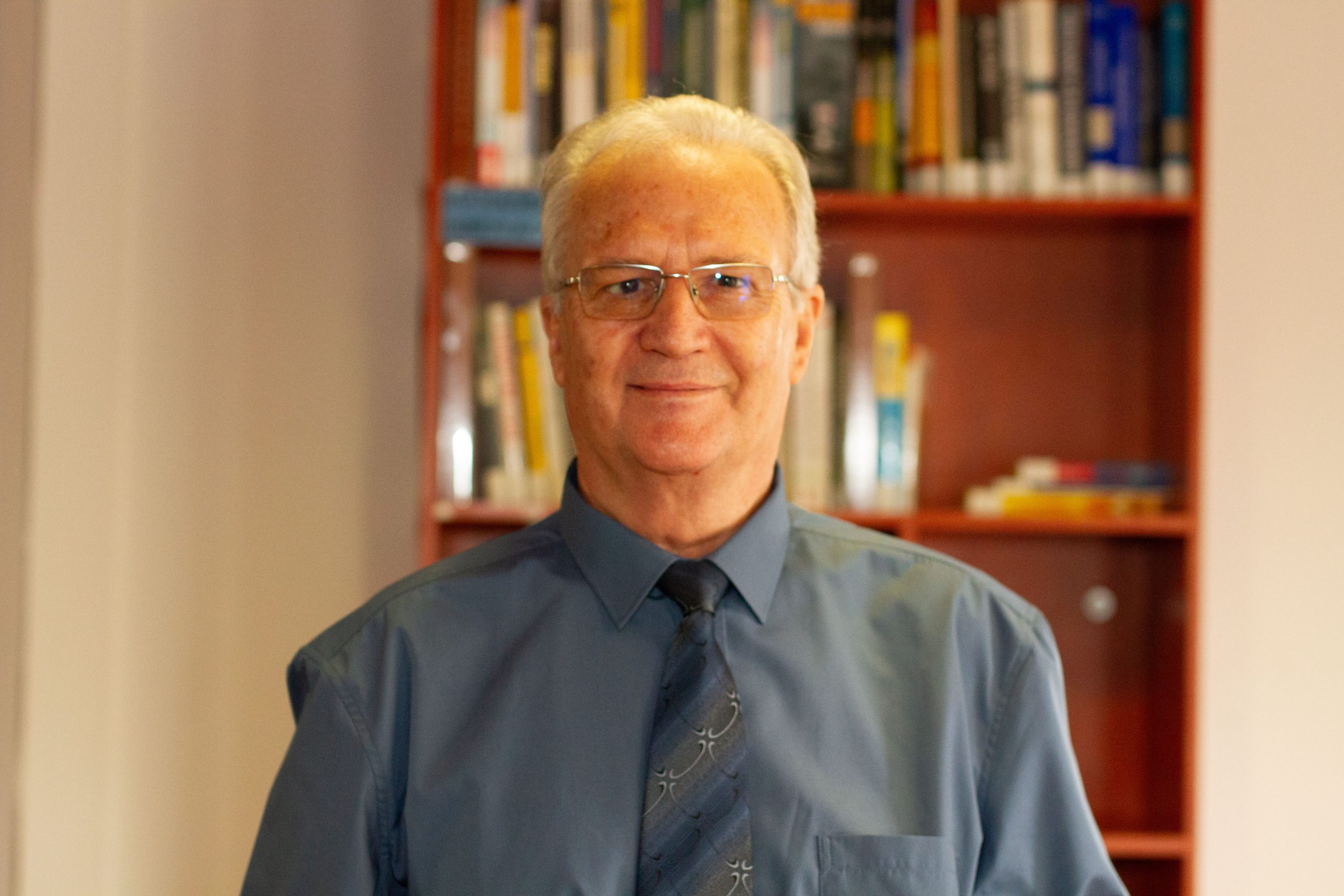
    Dr  Arnoldus Daniel du Plooy, Could you please give us a brief overview of your career to date?

    I began my career with Eskom in 1980 at Matla Power Station, which was still under construction at the time. I started as a chemical analyst in the chemical environment. From there, I moved to Eskom Research Investigation, where I conducted research within the water environment, working on several projects, including Morepule Power Station.

    Later, I transitioned to the Primary Energy Division, which is responsible for coal supply to power stations. During this period, I was asked to assist the Human Resources Department, an unexpected move since my background is in chemical engineering. However, that experience opened my eyes to one of the organisation’s biggest challenges: a shortage of skills.

    It was during this time that I engaged with Professor Roy Marcus, and together we initiated and helped fund the start-up capital for what would become The DaVinci Institute. From a corporate and organisational perspective, I was instrumental in helping establish the institution, sourcing students, contributing to curriculum development, and supporting the design of courses to be presented.

    In a few words, how would you describe your journey to completing your qualification?

    To be honest, it was a challenging journey, primarily because of the immense workload I carried. At Eskom, I was responsible for assessing capital projects. I was also involved in several international collaborations and presentations in countries such as Wales, the United Kingdom, and Canada.

    Balancing these responsibilities left little time for academic work. However, during the COVID period, I finally had the opportunity to focus. I put my head down and committed to completing my doctorate.

    One of the main challenges I faced was limited interaction during my doctoral journey compared to earlier degrees. The PhD experience is different, it requires far more self-direction. I also faced challenges with supervisory alignment, as my topic was deeply technical and my supervisor had a demanding schedule. Still, we worked through it, and the experience taught me the value of perseverance and patience.

    Can you share a moment or experience during your doctoral studies that had a profound impact on your thinking or approach to your research?

    Absolutely. Having been part of The DaVinci Institute from its early days, I’ve witnessed how it challenges traditional ways of thinking. My experience as both a practitioner and scholar changed how I approached research, it moved me away from narrow academic thinking to a broader, systems-based view of the world.

    At DaVinci, learning is not confined to handbooks or linear thinking. It’s about breaking boundaries, questioning assumptions, and understanding systems as interconnected. This mindset shaped both my research and my professional approach. It encouraged me to look beyond technical frameworks and see how theory, technology, and people interact in a real-world context.

    How did you incorporate The DaVinci Institute’s TIPS™ Framework into your study, and what value did it add?

    The TIPS™ Framework, which stands for Technology, Innovation, People, and Systems, was central to my research. It allowed me to approach my work holistically, connecting the technological and human aspects of organisational systems.

    Technology evolves at an incredible pace, and my thesis was built on the backbone of Artificial Intelligence (AI). The TIPS™ approach gave me the structure to explore how technological and process changes can support decision-making and innovation within large organisations.

    My model combines four types of analytics, diagnostic, descriptive, predictive, and preventative, into one integrated system. This was the first time these dimensions had been combined into a single model. The system identifies what went wrong, why it happened, and how best to prevent it from recurring. It acts as both a learning and assessment tool, guiding project teams in real time and during post-project evaluations.

    Working with a software development team in Europe, I’m now in the process of automating this model, which demonstrates how academic research can translate directly into practical business innovation. The framework also highlights inclusivity and access, ensuring that even those from rural or under-resourced backgrounds can benefit from tools that guide learning and problem-solving.

    What advice would you give to incoming doctoral students?

    Read, read, and read some more. Spend more time reading than writing, because reading gives you the depth of knowledge and perspective you’ll need. Before you begin your doctoral journey, decide what you want to achieve, have clarity on your purpose.

    You must also understand the challenge you’re addressing. Be able to distinguish between a genuine research problem and a perceived one. That distinction will guide your work. My own research drew from over 227 academic sources, which gave me the lens to see things differently, to look at systems from a core fractal perspective. That ability to see patterns, connections, and deeper meaning is what truly defines a scholar.

  • Profiling The Remarkable – Dr Jerimaya Mundondo

    Profiling The Remarkable – Dr Jerimaya Mundondo

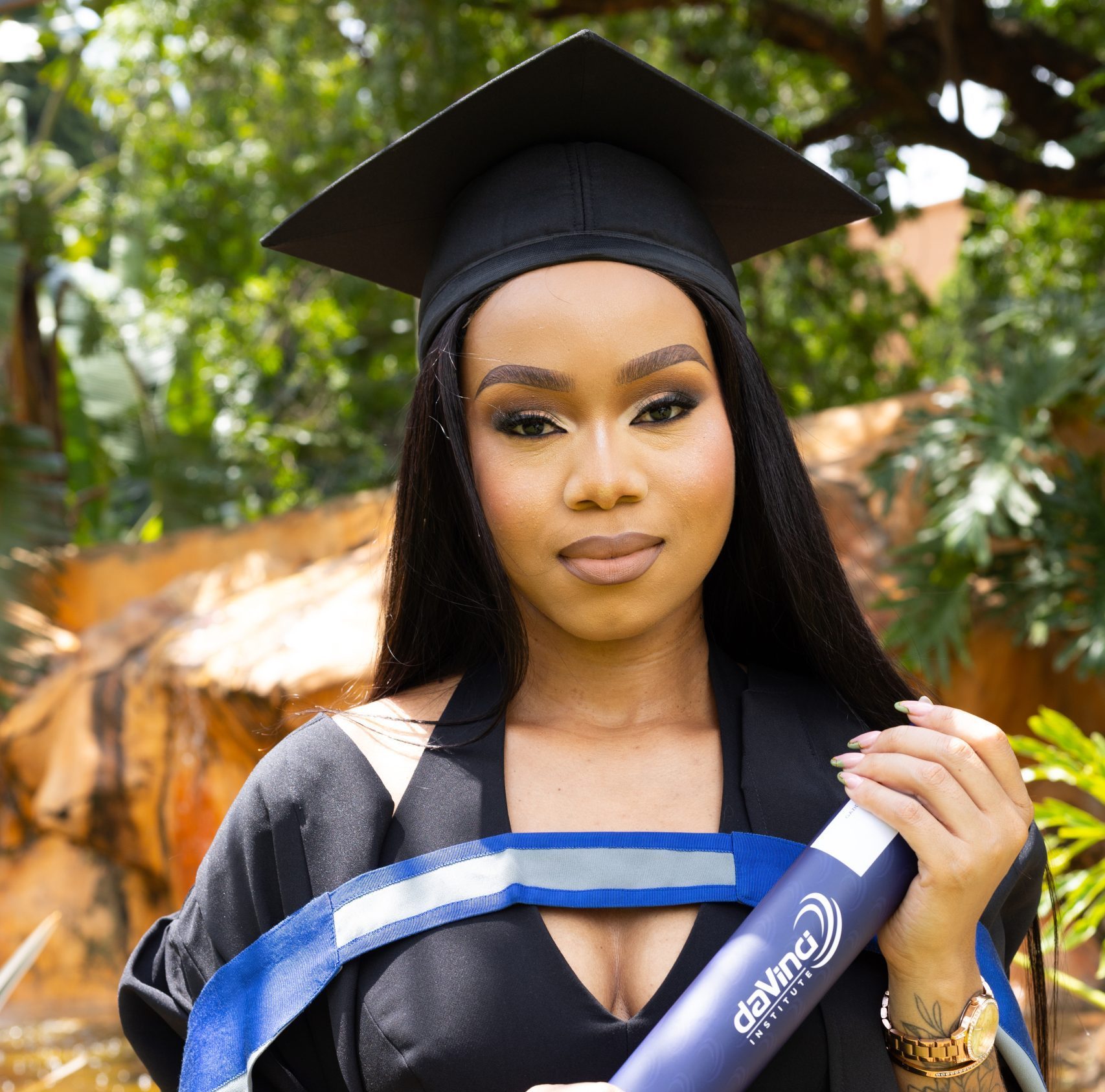
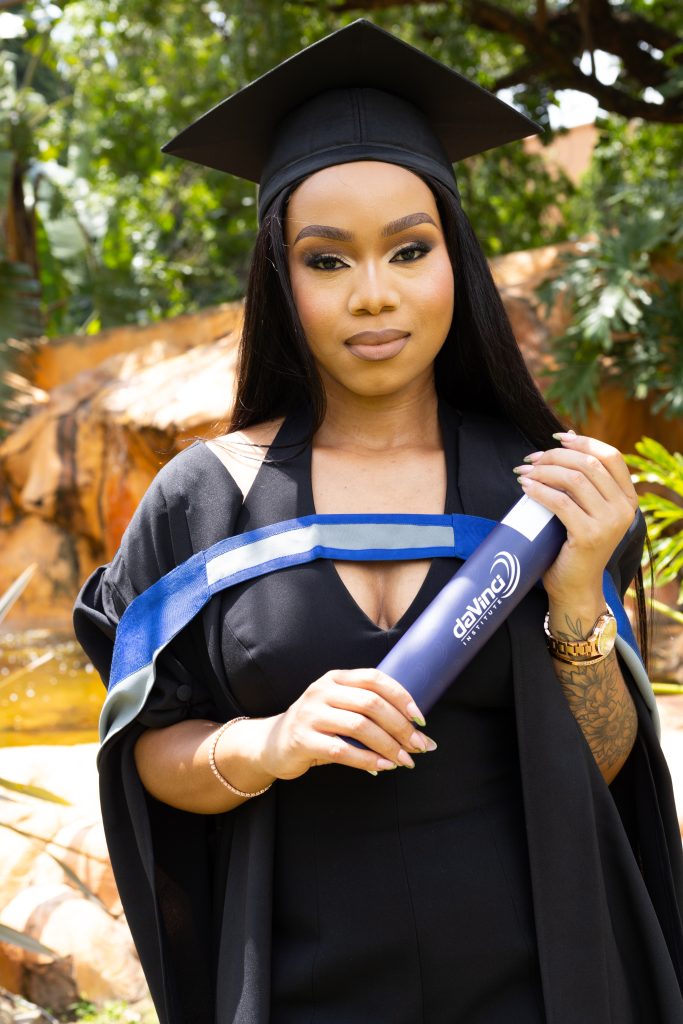
    Dr Jerimaya Mundondo, could you please give us a brief overview of your career to date?

    My career began as a factory chemist with a chemical manufacturing company, where I worked for about four years. I then moved into quality auditing and quality systems. After that, I joined an international beverage company as a quality assurance chemist and quality systems auditor, which allowed me to travel widely.

    As the organisation focused strongly on marketing, I eventually shifted into the marketing department and became a marketing development manager. I later progressed to country manager, overseeing operations in two countries.

    After leaving that company, I joined a local organisation in my home country, first in supply chain and later as head of the commercial division. In 2021, I decided to leave corporate work and start my own company. The economic turbulence at the time sparked my interest in understanding how entrepreneurs survive and start businesses in resource constrained environments, which ultimately became the basis of my research.

    How would you describe your journey towards completing your doctorate?
     

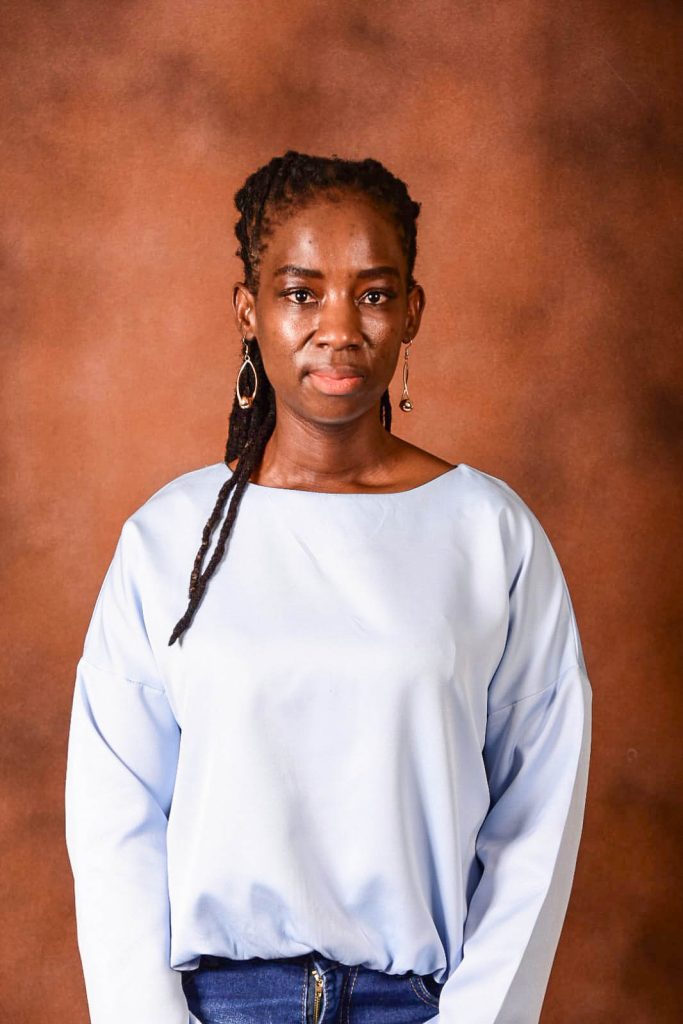
    Dr Jerimaya Mundondo

    The journey was arduous, and it required a great deal of grit and determination. It was challenging, but also deeply rewarding and fulfilling. I enjoyed it, I learned a great deal, and I am grateful that I pursued it.

    What was the most significant challenge you faced during your doctoral studies?

     I began my programme in 2019, just before the impact of the COVID 19 pandemic. The uncertainty at the time was disheartening. However, the institution, my supervisor, and fellow students remained in contact, which kept me encouraged. It was a difficult period, and some students did not continue because of those challenges.

    Was there a moment during your research that had a profound impact on your thinking or approach?

     Yes. After completing my research and submitting my thesis, I encountered difficulties during the defence. It did not go smoothly at first, but the feedback I received proved invaluable. I used it to expand and strengthen my thesis considerably, particularly by adding statistical elements that had not been included previously.

    Engaging more deeply with the faculty and the panel enriched my understanding. Had everything gone smoothly the first time, I do not think I would have gained that level of insight into their approaches, expectations, and values.

    Dr Jerimaya Mundondo, did you find the DaVinci TIPS™ Framework helpful?

     Very much so. It integrates technology, innovation, people, and systems, which aligned well with the managerial framework I developed. My study looked at resourceful behaviour in constrained environments, and capability, innovation, and people all played important roles. The framework helped me situate my study and make it more practical.

    What is your advice for incoming doctoral students?

    First, be clear from the beginning about the problem you are researching. It helps if the topic is practical and connected to something you are passionate about, because that passion will sustain you through difficult moments. Solving a real problem makes the journey far more rewarding.

    Second, engage actively with the faculty. Attend seminars, make presentations, and take every opportunity to share your work. Even feedback that feels negative is still valuable. It helps you correct your direction early, rather than discovering issues when it is too late to address them effectively.

    My research taught me that entrepreneurs can overcome almost any challenge with the right tools and mindset. Working in a resource constrained environment is possible, and I am excited to implement the managerial framework I developed, particularly with innovation hubs and similar organisations that support emerging entrepreneurs.

  • Profiling The Remarkable – Dr Juliette Fourie

    Profiling The Remarkable – Dr Juliette Fourie

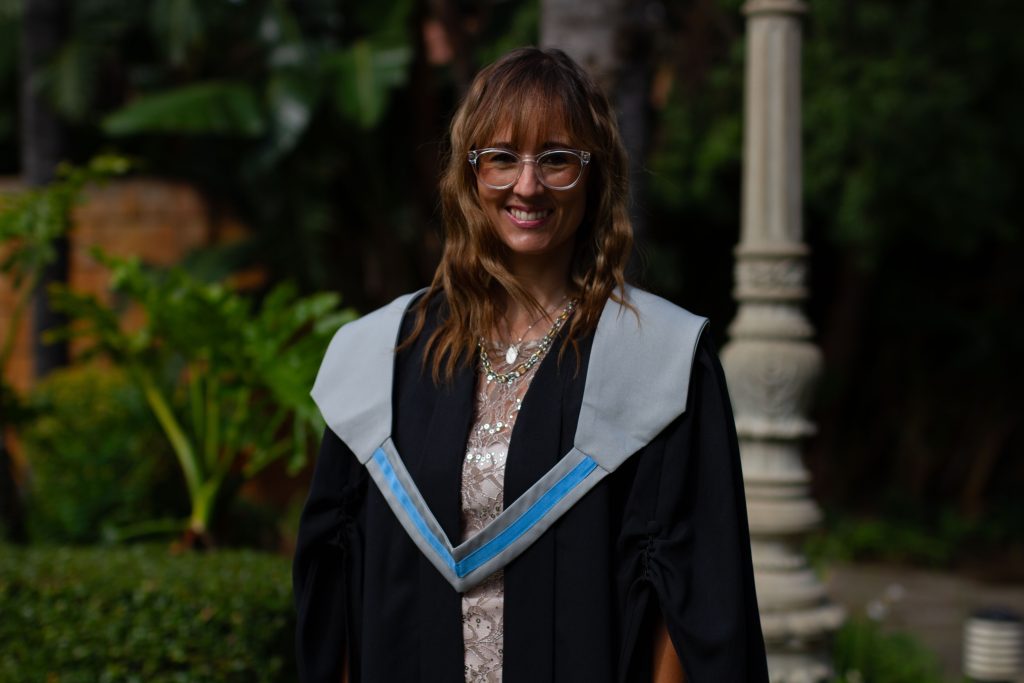
    Dr Juliette Fourie, could your please provide a brief overview of your career to date?

    I began my academic journey in 1996 when I enrolled for a BCom in Industrial Psychology, driven by a fascination with how people behave, perform, and succeed in their professional lives. This interest led to my first job in the freight forwarding industry, where I gained a practical understanding of operations, international trade, and the complexities of freight forwarding and customs.

    After completing my Honours degree, I developed a deep passion for skills development. By 2006, I founded Metro Minds, a training and development company focused on building skills within the logistics and freight sector. This venture allowed me to bridge industry practice with education and to witness first-hand the challenges organisations face in developing talent.

    In 2016, I completed my Master of Science (Cum Laude), applying my research through workplace simulators to help many candidates perform better, particularly first-time job entrants. This hands-on approach not only shaped future leaders but also earned recognition through multiple innovation awards and a place among the Top 100 Most Influential Women in Supply Chain in Africa.

    In 2022, I embarked on my PhD journey, the culmination of years of dedication to education, skills development, and the professionalisation of the freight forwarding and customs clearing sector. Throughout this journey, I have worked at the intersection of business, education, and leadership, guided by a belief that skills form the foundation of both personal growth and national competitiveness.

    In a few words, how would you describe your journey to completing your qualification?

    It has been transformative, disruptive, and deeply personal. The experience taught me resilience and intellectual humility. Completing my doctorate was not just an academic exercise, it was a process of unlearning, reframing, and integrating. It pushed me to connect theory with lived experience and to turn disruption into innovation.

    What was the most significant challenge you faced during your doctorate at The DaVinci Institute, and how did you overcome it?

    Balancing academic depth with business realities was my greatest challenge, along with maintaining a healthy personal and professional balance. The examination feedback at DaVinci is rigorous, and while it is not always easy to receive, it pushes you closer to excellence.

    I overcame these challenges by leaning into the DaVinci community of practice, which provided both intellectual guidance and emotional grounding. I also learned to view challenges as data, every obstacle became a system to understand, not merely to survive.

    Can you share a moment or experience during your doctoral studies that had a profound impact on your thinking or approach to your research?

    A defining moment came during the data analysis phase, when I began coding interview transcripts through a systems-thinking lens. I realised how fragmented the sector’s approach to skills planning was, as stakeholders often operated in silos while speaking about integration.

    That realisation crystallised my understanding that alignment is not an event, but an ecosystem. It shifted my focus from studying problems to designing frameworks for sustainable solutions. The key insight was that continually asking “why” leads to the truest form of evidence.

    How did you incorporate The DaVinci Institute’s TIPS™ Framework into your study, and what value did it add?

    The TIPS™ Framework: Technology, Innovation, People, and Systems, was not just an add-on, it became the backbone of my research. I used it to structure a strategic framework for sector skills planning, ensuring that the study addressed current gaps while preparing the industry for future technological and social shifts.

    Each TIPS™ dimension strengthened the study’s relevance, ensuring it was both diagnostic and forward-looking. It addressed digitalisation, innovation, and sustainability as integral parts of the sector’s evolution.

    By combining interpretivism, systems thinking, and the TIPS™ Framework, my research introduced a new way of conceptualising sector skills planning, one that is holistic, participatory, and future-focused. This integration represents a novel contribution to both theory and practice, moving the conversation beyond compliance towards a strategic, systemic, and future-oriented approach to skills development.

  • Dr Ntokozo Mahlangu Reflects on King V and the Boardroom’s Role in Shaping the Future

    Dr Ntokozo Mahlangu Reflects on King V and the Boardroom’s Role in Shaping the Future

    A thought-provoking new Op-ed by Dr Ntokozo Mahlangu, Strategic Board Advisor at The DaVinci Institute, was recently published in IOL, calling on South Africa’s leaders to rediscover the nation’s moral compass as the country prepares for the launch of King V, the next stage in corporate governance.

    In his article, “Reclaiming SA’s moral leadership: Reflecting on King V and the boardroom’s role in shaping the future,” Dr Mahlangu considers how King V could mark a turning point for governance in South Africa, not as another checklist of rules, but as an invitation to place Ubuntu and moral imagination at the centre of leadership.

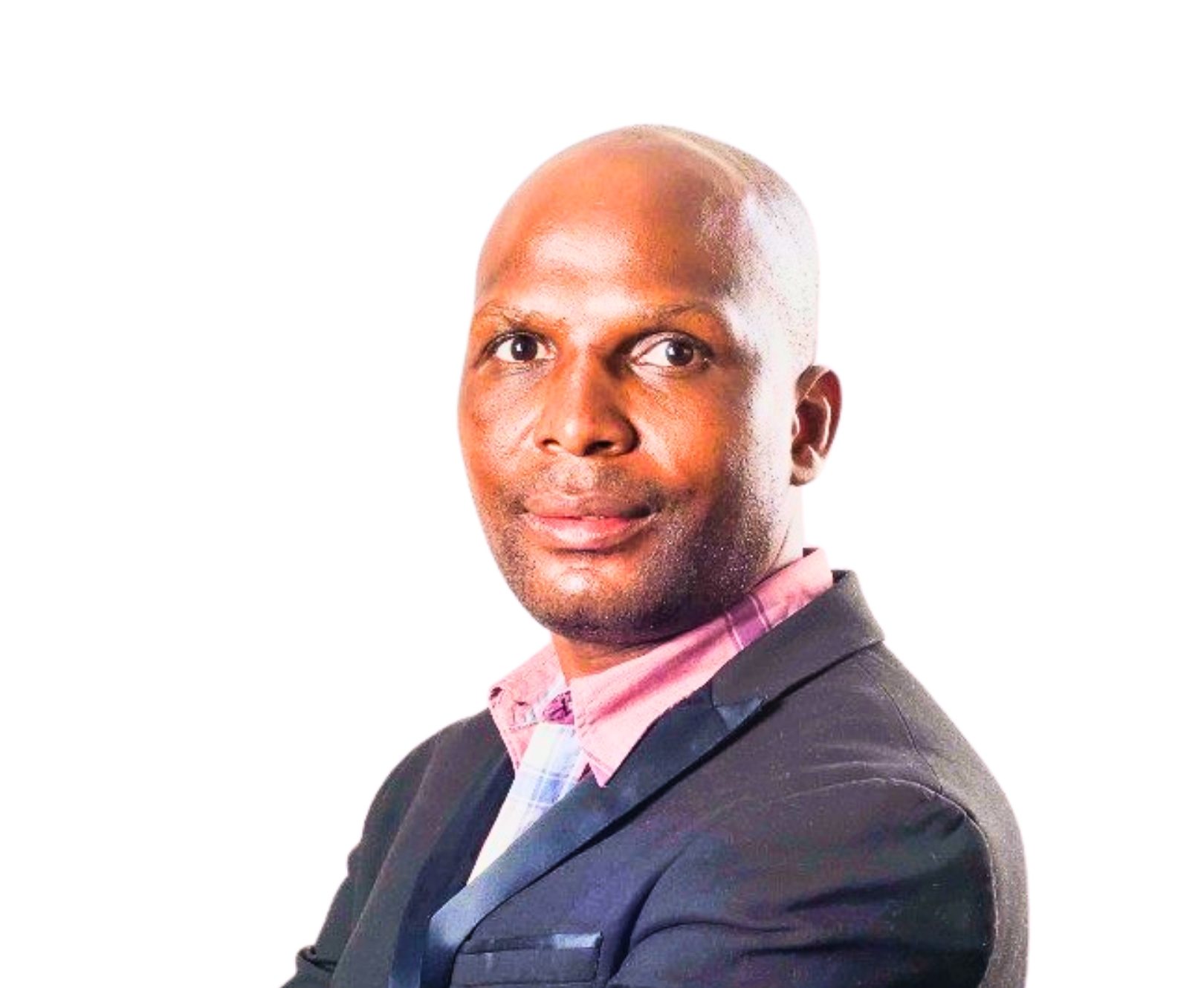
    Dr Ntokozo Mahlangu - The DaVinci Institute Discipline Lead

    He notes that while governance frameworks have not always prevented scandals or the erosion of public trust, King V offers a chance to rebuild integrity by grounding leadership in human values and social responsibility. The inclusion of Ubuntu in the draft code reflects a distinctly South African approach, one that emphasises community, accountability, and empathy as essential elements of sustainable business practice.

    Dr Mahlangu also points out that higher education has a crucial role to play in shaping how these principles are lived out. Universities and business schools do more than teach governance theory; they help develop the ethical habits and sense of purpose that future leaders will bring into the boardroom.

    Ultimately, his piece reminds us that governance extends beyond policies and profit. It begins with people, with how we lead, how we decide, and how we hold ourselves accountable.

    Read the full article on IOL: Reclaiming SA’s moral leadership: Reflecting on King V and the boardroom’s role in shaping the future

  • Rand Manipulation: Defending South Africa’s Sovereignty In Global Finance

    Rand Manipulation: Defending South Africa’s Sovereignty In Global Finance

    Rand manipulation takes centre stage in a powerful recent Op-ed by Dr Ntokozo Mahlangu, Strategic Board Advisor at The DaVinci Institute, published in IOL. In the piece, Dr Mahlangu examines how the manipulation of the rand impacts South Africa’s economic sovereignty and explores the legal and financial implications of holding foreign banks accountable.

    In his article, “Manipulation of the rand, the banks, and the test of our sovereignty,” Dr Mahlangu unpacks the high-stakes Constitutional Court case that will determine whether foreign banks can be prosecuted for influencing the rand’s value.

    He highlights how currency manipulation affects everyday South Africans — from rising fuel and food prices to the erosion of savings, and argues that foreign financial institutions must be held to South African law when their actions impact local markets.

    This critical piece raises pressing questions about jurisdiction, accountability, and the integrity of the financial sector in a globalised economy.

    Read the full article here: IOL

  • From Defence To Triumph: Juliette Fourie’s PhD Journey At DaVinci

    From Defence To Triumph: Juliette Fourie’s PhD Journey At DaVinci

    On the 27th of August, The DaVinci Institute’s doctoral candidate, Juliette Fourie, stood before her examiners, heart racing and mind focused, as she defended her PhD thesis. Just a few days later, the email she had long been waiting for arrived. 

    “Dear Juliette, Congratulations! I am pleased to inform you that there was unanimous support for the awarding of a Doctorate to you.”

    For Fourie, those words carried the weight of years of dedication, sacrifice, and resilience. As she shared on social media, “To describe what I am feeling is overwhelming.”

    Her story is not just about academic achievement; it is about community, family, and the power of perseverance.

    Acknowledging the Journey

    True to her character, Fourie insists that this milestone was never a solo accomplishment. She turned the spotlight on those who supported her from the very beginning. 

    “I cannot take praise for this alone, so here is my full acknowledgement as it appears in my thesis,” she explained.

    In her words of gratitude, she highlighted the role of The DaVinci Institute. 

    “There is no greater pleasure than giving thanks and appreciation to all those who supported me through this humbling and enjoyable journey. To The DaVinci Institute, which continues to be remarkable, it is an honour to be associated with you as a student and soon as an alumna. Your support has been instrumental in my journey, and I am proud to be part of a community that values and nurtures its students. You are undoubtedly carrying the flag of remarkability high and proud,” she shared.

    Transforming the Transport Sector

    Fourie’s research was not only academically rigorous, but it was also deeply impactful. Supported by the South African Express and Parcel Association, through the Transport Sector Education Authority, her work tackled pressing challenges in South Africa’s transport sector.

    “Thank you to the South African Express and Parcel Association, through the funding of the Transport Sector Education Authority, for providing me with a bursary to publish such vital research. Your support has been crucial in better aligning skills in South Africa’s transport sector, and I am grateful for the opportunity to contribute to this important field. Sponsoring someone is one thing, believing they can complete a PhD is another,” she says.

    Her gratitude speaks to the importance of collaboration between education, industry, and research.

    Guided by Mentorship

    Every doctoral journey requires a steady hand to guide the process, and for Fourie, this came in the form of her supervisor, Dr Shirley Lloyd. 

    “To my supervisor, Dr Shirley Lloyd, for your unwavering support and words of wisdom. Your passion for education greatly assisted in achieving the final words of this thesis. Your insight and incredible support helped me think differently and enjoy the research journey more than I ever anticipated,” she says. 

    This mentorship shaped her research into more than just an academic exercise; it became an enriching and transformative experience.

    The Pillars of Support

    Behind Juliette Fourie’s academic triumph is a web of family and friends who carried her through the most challenging times. 

    “My friends, family, and colleagues, thank you for always supporting me. Your presence has made this journey more enjoyable and meaningful. Even though you did not always understand why I would take on such enormous projects during challenging times, you still stood by me, and for that, I am truly grateful,” she acknowledges.

    She reserved a special tribute for her mother, Christie Louw, and her brothers, Rudolph and Pieter, who also played their part in her journey.  

    “To both my late father, Boeta, and father-in-law, Thys, I know you would have been proud, and I longed for you to read all my work and ask me random questions about it,” says Fourie.

    Family as the Foundation

    Fourie’s deepest gratitude belongs to the three people closest to her heart: her husband and children. “To the other three members of the fabulous Fourie’s: my husband, Cobus Fourie, my daughter, Colette Fourie, and my son, Julian Fourie. You are my whole life. With your support, help, and encouragement, you always turned the impossible into the easy, and you are my biggest cheerleader. This journey never felt lonely with you by my side. May you always be the best you can be, have fun while doing it and go beyond your limits.”

    Her acknowledgement captures the essence of what sustains many scholars: love, encouragement, and the belief of those they hold dearest.

    A Journey of Faith

    For Juliette, this was more than an academic pursuit, it was also a spiritual journey. She concluded her reflections with a heartfelt note: “May God bless you as He has blessed me.”

    A Legacy of Remarkability

    Juliette’s achievement is not just personal, it reflects the mission of The DaVinci Institute to empower leaders who will shape industries and communities. Her story is a reminder that research is not only about knowledge creation, but also about building futures, transforming sectors, and inspiring others to pursue their dreams, no matter how impossible they may seem.

    Her words echo with humility and joy, and her journey stands as a beacon for future DaVinci graduates.

  • The DaVinci Institute Celebrates President
Edward Kieswetter’s Technology Leader
Award

    The DaVinci Institute Celebrates President Edward Kieswetter’s Technology Leader Award

    The President of The DaVinci Institute, Edward Kieswetter, has been recognised with the Technology Leader Award at the Digital Public Service Awards. This honour is not only a celebration of his leadership, but also a moment of pride for our entire institution.

    At The DaVinci Institute, we see this recognition as proof of what is possible when bold thinking meets purpose. It is a story about innovation, courage, and the power of education to shape futures.

    Recognising Excellence in Digital Leadership

    President Kieswetter

    Hosted alongside the State Information Technology Agency’s GovTech 2025 Conference, the Digital Public Service Awards highlight excellence in technology and governance across South Africa. President Edward Kieswetter was honoured for guiding one of the country’s most complex organisations into a modern, data-driven era.

    The DaVinci Institute celebrates this as more than an award. It is a signal of the kind of leadership that can transform not just systems, but lives.

    Alignment with DaVinci’s Purpose

    For two decades, The DaVinci Institute has prepared leaders who think differently. Our approach integrates Technology, Innovation, People, and Systems (TIPS), equipping managers and leaders to thrive in a complex environment. President Kieswetter’s recognition is closely aligned with our purpose. It shows that leadership rooted in innovation is leadership that lasts.

    More than Recognition

    While the award acknowledges digital progress at the South African Revenue Service (SARS), its meaning stretches even further. It represents a commitment to transformation, resilience and forward-thinking leadership. At the institute, we are proud to share in this achievement, knowing that it resonates deeply with our mission to co-create sustainable futures.

    Looking to the Future

    As the institute celebrates 20 years of empowering remarkable leaders, this award reminds us of the road ahead. Leadership is not about titles alone. It is about vision, action and impact.

    We congratulate President Edward Kieswetter on this outstanding honour. His example inspires our students, alumni and partners to embrace change and create meaningful impact in the world.

  • South Africa’s Path To Economy Revival and Industrial Growth

    South Africa’s Path To Economy Revival and Industrial Growth

    The DaVinci Institute is proud to announce that Sinikiwe Matsa, Business Development Manager: Corporate Education, has published a thought leadership article in Business Day on revitalising South Africa’s economy.

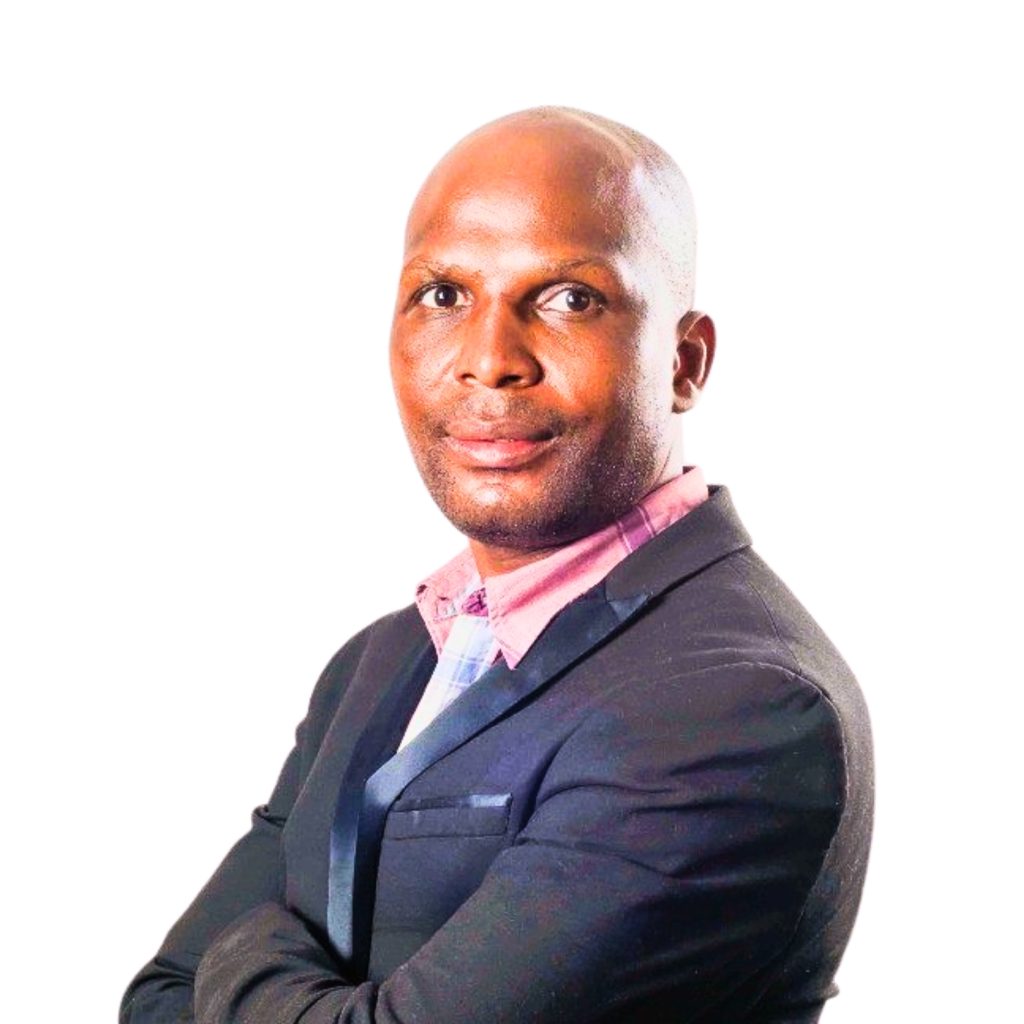
    Sinikiwe Matsa

    Her piece, “South Africa needs reindustrialisation to revive the economy,” addresses the critical decline in South Africa’s industrial sector and its impact on jobs and growth. Matsa calls for urgent action to rebuild industries through better infrastructure, skills development, and stronger partnerships between government, business, and education.

    This article sparks a vital discussion on revitalising South Africa’s economy for a more inclusive future.

    Read the full article here: Business Day.

  • Youth Unemployment Demands Urgency

    Youth Unemployment Demands Urgency

    The DaVinci Institute is pleased to share that Tebogo Thabethe, Project Manager for the tt100 Business Innovation Awards Programme (a DaVinci Institute NPO), has published an op-ed in the Times Live.

    His piece, “Time for joint action to resolve youth unemployment”, highlights South Africa’s youth unemployment crisis and stresses the need for government, business, and education providers to work together in tackling this challenge.

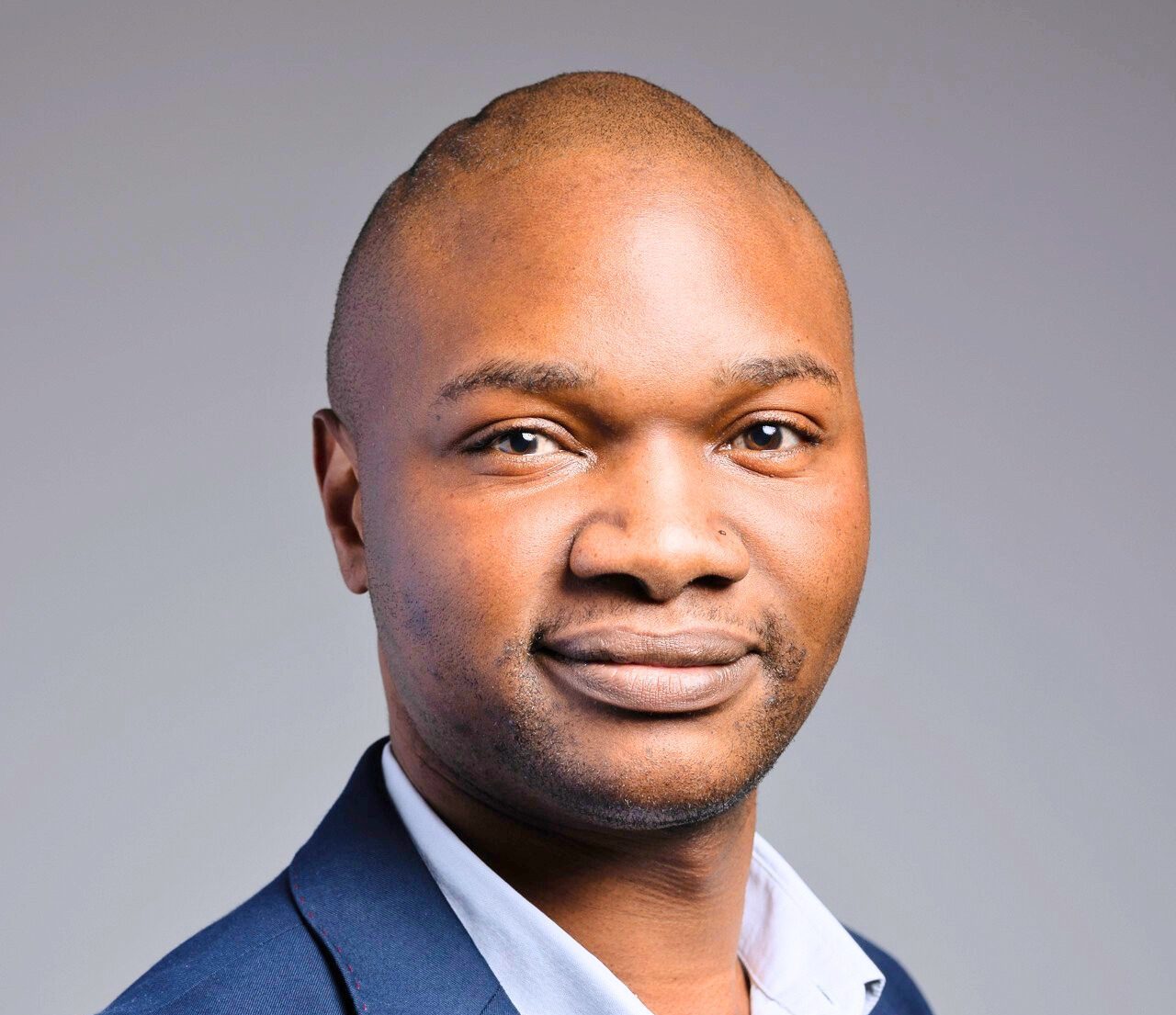
    Tebogo Thabethe
    Meet tt100, Project Manager, Tebogo Thabethe.

    The article draws lessons from successful approaches in other African countries and points to local initiatives that show what’s possible when collaboration takes centre stage.

    This is an important contribution to a national conversation that cannot be ignored.

    Read the full op-ed here: QuickView :: Gate5 alternatively you can read it here: Sunday Times – Time for joint action to resolve youth unemployment