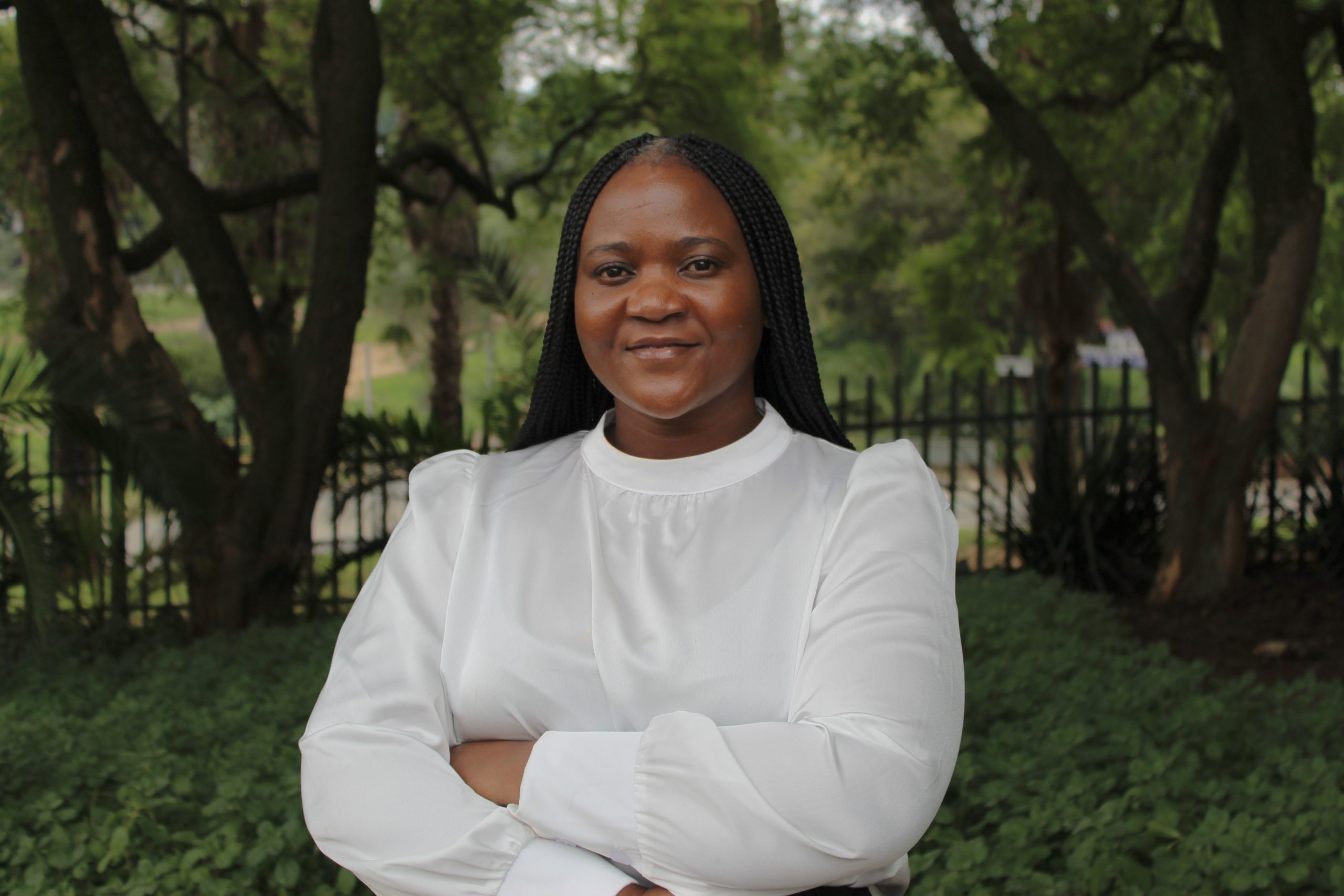
A thought-provoking new Op-ed by Dr Ntokozo Mahlangu, Strategic Board Advisor at The DaVinci Institute, was recently published in IOL, calling on South Africa’s leaders to rediscover the nation’s moral compass as the country prepares for the launch of King V, the next stage in corporate governance.
In his article, “Reclaiming SA’s moral leadership: Reflecting on King V and the boardroom’s role in shaping the future,” Dr Mahlangu considers how King V could mark a turning point for governance in South Africa, not as another checklist of rules, but as an invitation to place Ubuntu and moral imagination at the centre of leadership.
He notes that while governance frameworks have not always prevented scandals or the erosion of public trust, King V offers a chance to rebuild integrity by grounding leadership in human values and social responsibility. The inclusion of Ubuntu in the draft code reflects a distinctly South African approach, one that emphasises community, accountability, and empathy as essential elements of sustainable business practice.
Dr Mahlangu also points out that higher education has a crucial role to play in shaping how these principles are lived out. Universities and business schools do more than teach governance theory; they help develop the ethical habits and sense of purpose that future leaders will bring into the boardroom.
Ultimately, his piece reminds us that governance extends beyond policies and profit. It begins with people, with how we lead, how we decide, and how we hold ourselves accountable.
Read the full article on IOL:Reclaiming SA’s moral leadership: Reflecting on King V and the boardroom’s role in shaping the future
Rand manipulation takes centre stage in a powerful recent Op-ed by Dr Ntokozo Mahlangu, Strategic Board Advisor at The DaVinci Institute, published in IOL. In the piece, Dr Mahlangu examines how the manipulation of the rand impacts South Africa’s economic sovereignty and explores the legal and financial implications of holding foreign banks accountable.
In his article, “Manipulation of the rand, the banks, and the test of our sovereignty,” Dr Mahlangu unpacks the high-stakes Constitutional Court case that will determine whether foreign banks can be prosecuted for influencing the rand’s value.
He highlights how currency manipulation affects everyday South Africans — from rising fuel and food prices to the erosion of savings, and argues that foreign financial institutions must be held to South African law when their actions impact local markets.
This critical piece raises pressing questions about jurisdiction, accountability, and the integrity of the financial sector in a globalised economy.
On the 27th of August, The DaVinci Institute’s doctoral candidate, Juliette Fourie, stood before her examiners, heart racing and mind focused, as she defended her PhD thesis. Just a few days later, the email she had long been waiting for arrived.
“Dear Juliette, Congratulations! I am pleased to inform you that there was unanimous support for the awarding of a Doctorate to you.”
For Fourie, those words carried the weight of years of dedication, sacrifice, and resilience. As she shared on social media, “To describe what I am feeling is overwhelming.”
Her story is not just about academic achievement; it is about community, family, and the power of perseverance.
Acknowledging the Journey
True to her character, Fourie insists that this milestone was never a solo accomplishment. She turned the spotlight on those who supported her from the very beginning.
“I cannot take praise for this alone, so here is my full acknowledgement as it appears in my thesis,” she explained.
In her words of gratitude, she highlighted the role of The DaVinci Institute.
“There is no greater pleasure than giving thanks and appreciation to all those who supported me through this humbling and enjoyable journey. To The DaVinci Institute, which continues to be remarkable, it is an honour to be associated with you as a student and soon as an alumna. Your support has been instrumental in my journey, and I am proud to be part of a community that values and nurtures its students. You are undoubtedly carrying the flag of remarkability high and proud,” she shared.
Transforming the Transport Sector
Fourie’s research was not only academically rigorous, but it was also deeply impactful. Supported by the South African Express and Parcel Association, through the Transport Sector Education Authority, her work tackled pressing challenges in South Africa’s transport sector.
“Thank you to the South African Express and Parcel Association, through the funding of the Transport Sector Education Authority, for providing me with a bursary to publish such vital research. Your support has been crucial in better aligning skills in South Africa’s transport sector, and I am grateful for the opportunity to contribute to this important field. Sponsoring someone is one thing, believing they can complete a PhD is another,” she says.
Her gratitude speaks to the importance of collaboration between education, industry, and research.
Guided by Mentorship
Every doctoral journey requires a steady hand to guide the process, and for Fourie, this came in the form of her supervisor, Dr Shirley Lloyd.
“To my supervisor, Dr Shirley Lloyd, for your unwavering support and words of wisdom. Your passion for education greatly assisted in achieving the final words of this thesis. Your insight and incredible support helped me think differently and enjoy the research journey more than I ever anticipated,” she says.
This mentorship shaped her research into more than just an academic exercise; it became an enriching and transformative experience.
The Pillars of Support
Behind Juliette Fourie’s academic triumph is a web of family and friends who carried her through the most challenging times.
“My friends, family, and colleagues, thank you for always supporting me. Your presence has made this journey more enjoyable and meaningful. Even though you did not always understand why I would take on such enormous projects during challenging times, you still stood by me, and for that, I am truly grateful,” she acknowledges.
She reserved a special tribute for her mother, Christie Louw, and her brothers, Rudolph and Pieter, who also played their part in her journey.
“To both my late father, Boeta, and father-in-law, Thys, I know you would have been proud, and I longed for you to read all my work and ask me random questions about it,” says Fourie.
Family as the Foundation
Fourie’s deepest gratitude belongs to the three people closest to her heart: her husband and children. “To the other three members of the fabulous Fourie’s: my husband, Cobus Fourie, my daughter, Colette Fourie, and my son, Julian Fourie. You are my whole life. With your support, help, and encouragement, you always turned the impossible into the easy, and you are my biggest cheerleader. This journey never felt lonely with you by my side. May you always be the best you can be, have fun while doing it and go beyond your limits.”
Her acknowledgement captures the essence of what sustains many scholars: love, encouragement, and the belief of those they hold dearest.
A Journey of Faith
For Juliette, this was more than an academic pursuit, it was also a spiritual journey. She concluded her reflections with a heartfelt note: “May God bless you as He has blessed me.”
A Legacy of Remarkability
Juliette’s achievement is not just personal, it reflects the mission of The DaVinci Institute to empower leaders who will shape industries and communities. Her story is a reminder that research is not only about knowledge creation, but also about building futures, transforming sectors, and inspiring others to pursue their dreams, no matter how impossible they may seem.
Her words echo with humility and joy, and her journey stands as a beacon for future DaVinci graduates.
The President of The DaVinci Institute, Edward Kieswetter, has been recognised with the Technology Leader Award at the Digital Public Service Awards. This honour is not only a celebration of his leadership, but also a moment of pride for our entire institution.
At The DaVinci Institute, we see this recognition as proof of what is possible when bold thinking meets purpose. It is a story about innovation, courage, and the power of education to shape futures.
Recognising Excellence in Digital Leadership
Hosted alongside the State Information Technology Agency’s GovTech 2025 Conference, the Digital Public Service Awards highlight excellence in technology and governance across South Africa. President Edward Kieswetter was honoured for guiding one of the country’s most complex organisations into a modern, data-driven era.
The DaVinci Institute celebrates this as more than an award. It is a signal of the kind of leadership that can transform not just systems, but lives.
Alignment with DaVinci’s Purpose
For two decades, The DaVinci Institute has prepared leaders who think differently. Our approach integrates Technology, Innovation, People, and Systems (TIPS), equipping managers and leaders to thrive in a complex environment. President Kieswetter’s recognition is closely aligned with our purpose. It shows that leadership rooted in innovation is leadership that lasts.
More than Recognition
While the award acknowledges digital progress at the South African Revenue Service (SARS), its meaning stretches even further. It represents a commitment to transformation, resilience and forward-thinking leadership. At the institute, we are proud to share in this achievement, knowing that it resonates deeply with our mission to co-create sustainable futures.
Looking to the Future
As the institute celebrates 20 years of empowering remarkable leaders, this award reminds us of the road ahead. Leadership is not about titles alone. It is about vision, action and impact.
We congratulate President Edward Kieswetter on this outstanding honour. His example inspires our students, alumni and partners to embrace change and create meaningful impact in the world.
Her piece, “South Africa needs reindustrialisation to revive the economy,” addresses the critical decline in South Africa’s industrial sector and its impact on jobs and growth. Matsa calls for urgent action to rebuild industries through better infrastructure, skills development, and stronger partnerships between government, business, and education.
This article sparks a vital discussion on revitalising South Africa’s economy for a more inclusive future.
His piece, “Time for joint action to resolve youth unemployment”, highlights South Africa’s youth unemployment crisis and stresses the need for government, business, and education providers to work together in tackling this challenge.
Meet tt100, Project Manager, Tebogo Thabethe.
The article draws lessons from successful approaches in other African countries and points to local initiatives that show what’s possible when collaboration takes centre stage.
This is an important contribution to a national conversation that cannot be ignored.
A Postgraduate Diploma in Business Leadership is not just another qualification; it could be the catalyst that propels you from middle management into senior leadership. South Africa’s economic landscape, while rich with potential, is weighed down by persistent productivity challenges. According to the Organisation for Economic Co-operation and Development OECD, low public investment, high business costs, and structural bottlenecks are stifling growth, with unemployment remaining stubbornly high across South Africa.
In such a competitive and constrained environment, qualifications that strengthen leadership capability can make a decisive difference to your career trajectory. By equipping you with advanced strategic thinking, problem-solving skills, and the ability to navigate organisational complexity, a postgraduate diploma significantly increases your chances of securing that next promotion, not just immediately, but in the years ahead. It positions you to stand out in the talent pool, adapt to evolving business demands, and lead teams effectively, even when external conditions are challenging. Enquire here.
2. Understanding the Postgraduate Diploma in Business Leadership
You have an undergraduate qualification, but your sights are set on becoming a middle manager, a senior executive, or even the CEO. The question is, how do you get there? The Postgraduate Diploma in Business Leadership from DaVinci is designed to equip you with the skills, knowledge, and confidence to lead in today’s complex business environment.
Rather than following the traditional business school model, this programme blends cutting-edge leadership theory with real-world application. Furthermore, it ensures that what you learn can be applied immediately in your workplace. Wait there is more…You will also get to explore the constructs, tools, and concepts of business leadership while engaging with contemporary thinking and research methods. The focus is on reflection, problem-solving, and innovation, which enables you to adapt to diverse contexts and lead with impact.
As part of the qualification, you will conduct meaningful business research to deepen your understanding and strengthen your ability to tackle organisational challenges. When you graduate, you will have sharpened your leadership capabilities and be ready to make a measurable contribution to the personal, social, and economic development of your organisation and the country. The programme also provides access to related Master’s degrees, creating a clear pathway for continued growth.
3. Why Choose a Postgraduate Diploma at The DaVinci Institute?
Now that you understand what the Postgraduate Diploma from DaVinci offers, it is worth exploring why The DaVinci Institute is the ideal place to pursue it. Founded in 2004 at the request of Nelson Mandela, the Institute’s mission is to widen access to education and prepare leaders who can make a lasting difference. Rooted in the combined philosophies of Leonardo da Vinci, every programme is built around our proprietary TIPS™ framework: Technology, Innovation, People, and Systems Thinking, which ensures that as a graduate, you can lead with agility and insight in a fast-changing world.
Our approach blends academic rigour with practical relevance. You will not only study concepts, but also apply them through action learning, research, and problem-solving tied to real-world business and community challenges. DaVinci understands how busy you are as a professional, which is why our classes are scheduled in the evenings and offered online. You will not need to take annual leave or travel to campus every day. This allows you to balance your studies with your career and personal commitments. Flexible study options mean you can learn at your own pace, from anywhere, while our faculty, industry networks, and Mode 2 Knowledge Production model ensure your education is deeply connected to both local and global business realities.
At DaVinci, the focus is on producing agile, engaged leaders who can drive innovation and create sustainable, humane societies. This is not just a qualification, it is an investment in your ability to lead transformation in your organisation, industry, and community.
4. Key Benefits of a Postgraduate Diploma in Business Leadership
When you enrol in a business leadership postgraduate programme, you position yourself to reap several career benefits:
Enhanced Leadership Skills – Develop the ability to inspire, motivate, and guide teams to achieve business objectives.
Career Advancement – A business management postgraduate diploma often leads to promotions, salary increases, and greater responsibility.
Strategic Thinking – Gain the skills to analyse market trends, anticipate challenges, and make informed decisions.
Networking Opportunities – Connect with like-minded professionals and industry leaders.
Flexible Study Formats – Many institutions offer postgraduate diploma online options for busy professionals.
5. How This Qualification Differs from Others
Now that you are clear on what our Postgraduate Diploma in Business Leadership offers, let’s explore how pursuing it at The DaVinci Institute compares to the traditional business school route:
Feature
DaVinci Postgraduate Diploma in Business Leadership
Traditional University Postgraduate Diploma
Cost & Accessibility
More affordable, with evening and online classes so you don’t have to travel daily or take annual leave
Higher tuition fees on average, with a greater likelihood of on-campus attendance requirements
Curriculum Focus
Practical and industry-driven, integrates the proprietary TIPS™ framework (Technology, Innovation, People, and Systems Thinking) to prepare leaders for real-world challenges
Often more theoretical, with a heavier academic focus and less emphasis on applied, workplace-based projects
Assessment Style
No written exams, assessments are based on applied projects, research, and solving real business problems
Commonly includes formal written exams alongside coursework
Flexibility
Learn from anywhere with flexible scheduling, evening classes, and online delivery
Predominantly fixed schedules, limited flexibility for full-time professionals
Learning Approach
Mode 2 Knowledge Production—situated learning, decision-making, and problem-probing directly tied to your workplace or community
Traditional academic delivery, with limited integration of live workplace challenges
Networking & Industry Links
Direct access to faculty with both academic and industry expertise, plus global and local networks in business, government, and academia
May offer alumni networks and industry connections, but are less embedded into the learning process
Progression
NQF Level 8, enabling entry into related master’s programmes
Also, NQF Level 8, progression into master’s possible, though focus may differ
6. Who Should Apply?
A postgraduate diploma in business leadership is ideal for professionals who already have significant work experience but want to position themselves for higher leadership roles. This includes:
Middle Managers – Seeking to move into senior leadership positions.
Entrepreneurs – Looking to strengthen their strategic and operational knowledge.
Sector Leaders – In industries like finance, healthcare, manufacturing, and technology.
The post graduate management pathway is especially relevant for those who want to formalise their leadership capabilities without stepping away from their careers for extended study periods.
8. Why Choose a Postgraduate Diploma from The DaVinci Institute?
Choosing where to study is not just about ticking boxes on accreditation or convenience; it is about finding a place that understands you, your career ambitions, and the challenges you face every day. At The DaVinci Institute, we do not just offer a qualification; we offer a transformative learning experience designed for working professionals like you.
Accredited and Respected – Your Postgraduate Diploma will carry the weight of a qualification accredited by the Council on Higher Education and registered with SAQA. This means that when you present it to employers or business partners, they know you have met rigorous national and international standards.
Work-Based Learning – You will not be drowning in theory with no real-world application. Every assignment, every project, will be connected to your current role so you can solve real problems in your workplace while earning your qualification.
Flexible Online Delivery – Life does not pause for studies, and we know you have responsibilities. With our flexible online platform, you can study from anywhere, at a pace that fits your lifestyle, without sacrificing your job or family commitments.
Personalised Support – You are never just a number here. From day one, you will have one-on-one access to faculty who are invested in your success. They will guide, challenge, and mentor you every step of the way.
Industry Recognition – Imagine joining a network of peers from leading organisations like FNB, Santam, DHL, DSV, the South African Defence Force, Sibanye Stillwater, Kuene, ZIEGLER, and SAAFF. The people you meet here will inspire you, open doors, and become part of your professional journey long after graduation.
At The DaVinci Institute, your Postgraduate Diploma is more than a certificate on the wall, it is a turning point in your career and in how you see yourself as a leader.
What Will You Learn in the Postgraduate Diploma Programme?
When you join The DaVinci Institute’s Postgraduate Diploma in Business Leadership, you are not just signing up for classes, you are committing to transforming how you think and lead in your day-to-day work. This qualification is intentionally designed for people like you who are already navigating the demands of a professional environment, yet want to sharpen their edge and take on bigger challenges.
You will explore the constructs, theories, tools, and concepts that shape modern leadership, but here’s the difference: you will be applying them to real workplace scenarios from the moment you start.
Picture this: you are a mid-level manager in a logistics company facing rising operational costs. Through the Financial Management module, you will learn how to break down those numbers, identify inefficiencies, and present cost-saving strategies to the board, backed by solid data.
Or maybe you are a senior HR professional dealing with high staff turnover. In Strategic Management, you will discover frameworks to align talent retention strategies with long-term organisational goals, making you the go-to problem-solver in leadership meetings.
If you work in tech or manufacturing, the Technology and Innovation Management module will help you champion digital transformation projects. For example, implementing automation tools that cut processing times in half, while keeping your team engaged and adaptable.
And through Business Research, you will take a problem in your own work environment, investigate it systematically, and produce a practical, evidence-based solution that can be implemented immediately.
This programme is about developing leaders who do more than occupy positions. It equips you to contribute to South Africa’s personal, social, and economic development, and to advance the sustainability of the ventures you lead. Plus, when you graduate, you will have the option to progress into related master’s degrees, continuing your professional growth.
Compulsory Modules You Will Complete:
Business Leadership (20 credits) – Learn how to inspire, influence, and lead diverse teams in high-pressure environments.
Business Research (20 credits) – Conduct workplace-based studies that produce actionable, impactful recommendations.
Financial Management (20 credits) – Gain the financial insight to make strategic decisions that protect and grow your organisation.
Technology and Innovation Management (20 credits) – Drive innovation projects that keep your organisation ahead of industry trends.
By the time you complete this qualification, you will not only hold a respected credential, but you will have applied every skill to your real-world role, making an impact before you even graduate.
9. The DaVinci Institute’s Approach to Leadership Education
At The DaVinci Institute, leadership education goes beyond theory. Our Mode 2 learning model integrates real-world business challenges into your academic journey. This ensures that every concept you learn is immediately applicable to your work.
Whether you choose to study on campus or through our postgraduate diploma online platform, you will benefit from small class sizes, personalised mentorship, and a network of professionals who share your drive for growth. Many of our graduates have gone on to lead transformative projects in their industries, creating measurable impact.
10. FAQs
Q1: What’s the difference between a PGDip and an MBA? A PGDip is shorter, usually one year, and focuses on specific leadership and business management skills. An MBA is longer, more expensive, and covers a broader scope of subjects. Entry requirements also differ, with PGDip generally more accessible to working professionals.
Q2: Who should apply? This qualification is best suited for experienced professionals aiming for senior leadership roles, entrepreneurs seeking strategic growth, and managers ready to formalise and elevate their leadership skills.
11. Final Thoughts
A Postgraduate Diploma in Business Leadership is not just another qualification, it is a catalyst for professional transformation. It offers the skills, recognition, and network you need to excel in a fast-changing business world.
If you are ready to take the next step, enrol in The DaVinci Institute’s postgraduate diploma in management today and unlock your full leadership potential. Enrol Now!
A Bachelor of Commerce qualification could be the missing piece to your extensive experience in the boardroom, where you’ve been navigating budgets, leading teams, solving problems, and delivering results. You’re the person others turn to when things need to get done, but despite all of this, there’s still a gap to fill.
South Africa’s Competitive Job Market
South Africa’s job market is tough. Qualifications are no longer just a nice-to-have, they are becoming a baseline requirement. According to Stats SA (2025), people with tertiary education face an unemployment rate of just 10.1 percent, compared to the national average of over 32.9 percent. In Q1:2025, this rate for graduates with a degree increased slightly to 11.7 percent, but still remains far lower than the national average. That is a massive difference. It shows that having a degree doesn’t just look good on paper, it gives you a real edge.
If you have been in the workplace for years, this probably hits home. You are experienced, reliable, and already doing the work, but without a formal qualification, moving up isn’t always easy. You see others with less experience leap ahead, simply because they have the paperwork.
A study by the World Bank found that people with higher education are not only more likely to earn better salaries, they are also more likely to step into leadership roles and enjoy long-term career growth: World Bank, 2020.
That is where the DaVinci Bachelor of Commerce in Business Management comes in. This is not just about getting a degree. It is about unlocking new doors. It gives structure to what you already know, boosts your confidence, and opens the way for promotions, new opportunities, and greater earning potential, all without having to step away from your current job.
Whether you are heading up operations, running a team in the public sector, or managing client portfolios, this programme is built for you. It’s for professionals who’ve done the work, carried the responsibility, and just need the qualification to match.
In the rest of this blog, we’ll take a closer look at what the BCom covers, the kinds of careers it leads to, what you could earn, and how The DaVinci Institute stands out from the crowd.
What is a Bachelor of Commerce in Business Management?
A Bachelor of Commerce in Business Management is a three-year undergraduate degree focused on the core principles of business, strategy, and leadership. It equips students with the analytical, financial, and operational skills needed to thrive in complex organisational environments.
But here is the real value: it turns your real-world experience into a structured framework of knowledge, enhancing what you already know and showing you new angles to tackle old problems.
At The DaVinci Institute, our BCom degree is not just about theory. It is a practical qualification grounded in innovation, entrepreneurship, and systems thinking. That means everything you learn can be applied immediately in your workplace, even as you study.
Why Choose the DaVinci BCom?
Here is what sets the Bachelor of Commerce from The DaVinci Institute apart:
Accredited and Respected: Our BCom is accredited by the Council on Higher Education and registered with the South African Qualifications Authority (SAQA ID 84706).
Work-Based Learning: The programme is designed for working professionals. Assignments and projects are linked to your current role.
Flexible Online Delivery: Study from anywhere, at your own pace, while working full time.
Personalised Support: Receive one-on-one academic support and mentorship.
Industry Recognition: Our students come from leading brands such as FNB, Santam, DHL, DSV, South African Defence Force, Sibanye Stillwater, Kuene, ZIEGLER and SAAFF.
How DaVinci Compares to a Traditional Business School
Feature
The DaVinci Institute
Traditional Business School
Delivery Mode
Fully online, flexible learning
Mostly in-person or hybrid, with rigid schedules
Target Audience
Working professionals with experience but no formal degree. High school graduates are accommodated as well
Recent high school graduates or full-time students
Learning Approach
Work-based learning, real-time application of theory in the workplace
Mostly theoretical, with limited workplace integration
Academic Support
Personalised one-on-one academic mentoring and coaching
Standardised support through group sessions and general office hours
Recognition of Prior Experience
Strong emphasis on recognising workplace experience and existing skills
Limited consideration of work experience
Assessment Style
Practical, project-based assignments linked to your job
Exams and coursework, often unrelated to real work scenarios
Student Profile
Managers, entrepreneurs, government and corporate professionals from companies like FNB, DHL, Santam
Mostly early-career students or recent graduates
Accreditation
Accredited by CHE, SAQA (ID 84706), and registered with DHET
Also accredited, though focus is often on undergraduate students only
Learning Pace
Self-paced, designed to fit around a full-time job
Structured timetable with fixed terms and deadlines
Class Size and Interaction
Smaller groups, high engagement and peer networking with fellow professionals
Larger classes, less personal engagement
Institutional Philosophy
Focus on co-creation, innovation, and systems thinking
Traditional academic hierarchy and rigid curricula
Who Should Study a Bachelor of Commerce in Business Management?
This degree is tailored for professionals who already have years of experience but lack formal credentials. If any of the following resonate with you, then this programme is for you:
You want to grow within your company, but the next step requires a degree.
You are thinking of starting your own business and want to gain formal knowledge.
You have built your career from the ground up, and now it’s time to validate it.
The DaVinci BCom bridges your practical know-how with business theory, giving you the credentials to back up your expertise.
Key Skills You’ll Gain
The Bachelor of Commerce in Business Management programme is designed to sharpen your thinking and give you a solid foundation across all key business areas.
Strategic Management
You will learn how to lead long-term planning, evaluate organisational performance, and implement change effectively.
Financial Acumen
Gain the ability to read financial statements, manage budgets, and make data-driven business decisions.
Supply Chain and Operations
Learn how to optimise business operations, manage logistics, and reduce inefficiencies.
Leadership and People Management
Master the art of leading diverse teams, managing conflict, and developing talent.
Marketing and Sales
Understand branding, consumer behaviour, and how to drive growth through targeted campaigns.
Entrepreneurship
Develop your entrepreneurial mindset, and learn how to launch or scale a business with confidence.
Career Paths After a BCom in Business Management
A BCom opens doors across industries. Whether you’re in finance, retail, manufacturing, logistics, or the public sector, this qualification helps you move up or branch out.
Operations Manager
Oversees daily operations, improves efficiency, and manages departmental teams. Average salary: R540,000/year Source: Payscale
Business Analyst
Analyses business processes and makes recommendations for improvement. Average salary: R400,000/year Source: Glassdoor
Marketing Manager
Drives the company’s marketing strategy and oversees campaign execution. Average salary: R490,000/year Source: Indeed
Financial Manager
Manages budgets, forecasts, and financial risk for organisations. Average salary: R600,000/year Source: Careers24
Logistics or Supply Chain Manager
Coordinates the flow of goods and services across value chains. Average salary: R520,000/year Source: Payscale
Entrepreneur
Starts or scales a business, using the insights gained from the BCom. Earning potential: Varies, but scalable depending on the business model.
Leading Employers Who Value a DaVinci BCom
Our graduates are employed across a range of respected organisations:
ZIEGLER and Kuene – International freight and supply chain
These employers don’t just hire DaVinci graduates, they invest in them.
FAQ: What is the Difference Between a BCom and a BBA?
While both are business degrees, there are important distinctions:
BCom (Bachelor of Commerce)
Focuses on business operations, finance, economics, and quantitative analysis. It’s ideal for those looking to work in strategy, operations, or financial management.
BBA (Bachelor of Business Administration)
More focused on leadership, HR, and organisational behaviour. A good option for those heading into people management or administration roles.
At The DaVinci Institute, the BCom offers the perfect balance: technical business skills, leadership development, and entrepreneurial thinking.
FAQ: Is This Degree Accredited?
Yes. The DaVinci BCom is fully accredited and registered with the following bodies:
This ensures the degree is recognised both locally and internationally, and can serve as a pathway to postgraduate qualifications.
Why Now Is the Right Time to Study
The business world is changing. Automation, data, and innovation are redefining the way companies operate. Managers are expected to do more, and do it smarter. A BCom equips you with the skills to remain competitive, adapt to new demands, and lead with insight.
Whether you’re eyeing a promotion, shifting industries, or launching your own venture, the timing has never been better to invest in your future.
Real Stories, Real Impact
Behind every qualification is a story. At The DaVinci Institute, our students are not just ticking boxes, they are transforming their lives and workplaces through learning. Here are a few of the many DaVincians who’ve taken the BCom journey and made it their own.
A mother, radio host, event organiser, and Office Support Manager at FNB’s real estate division, Thuso pursued her BCom in Project Management while managing a schedule that would make most people pause. Her graduation in May 2025 was more than a milestone, it was a moment of personal validation. “Project management has always been part of what I do,” she said, “but this degree puts a name to it.” The TIPS™ framework and Mode 2 learning didn’t just add structure to her professional world, they helped her think in systems across everything she does, from concerts to corporate strategy.
Starting as a Planning and Costing Technician, Justin’s journey through DaVinci’s customised programme in Operational Risk Management sparked a transformation that saw him rise to Group CEO at IRCA Global. For Justin, the power of Mode 2 learning was in its relevance: every assignment mirrored a real challenge at work. “Focus on the end goal,” he says. “Apply what you learn and it will enhance your role and service delivery.”
Siphiwe Mngomezulu
Meet Siphiwe Mngomezulu, Premium Banker at FNB.
When Siphiwe, a Premium Banker at FNB, suffered a serious accident during his studies, he could have stepped away. Instead, he leaned in. His 2025 graduation was more than an academic win, it was a triumph of resilience. Supported by his family and workplace, Siphiwe applied the TIPS™ framework to drive innovation within his team. His advice? “Take it one day at a time. Progress isn’t always linear, but what matters is that you keep moving forward.”
These are just three examples, but they reflect a broader truth. The DaVinci BCom doesn’t just deliver a certificate, it equips individuals to lead with insight, adapt to complexity, and rise, personally and professionally.
Take the First Step
You have built your career through hard work. Now back it up with a qualification that opens doors, enhances your credibility, and builds on your experience.
The DaVinci Institute’s BCom in Business Management is the right degree, at the right time, for the right person: you. Are you ready to take your career to the next level? Click here to enrol.
The Free State launch of our agri-entrepreneurship programme with tt100 has been featured on TimesLIVE. The article explores how this agri-entrepreneurship initiative is tackling skills shortages in agriculture, supporting black-owned and women-led enterprises, and linking young farmers to real market opportunities. Read the TimesLive article here.
Turning Agri-Entrepreneurship into a Future-Ready Enterprise
This week marked an exciting milestone for The Da Vinci Institute and tt100, as we launched the Free State arm of our youth-focused agricultural entrepreneurship programme. In partnership with Bankseta and Glen Agricultural College, the initiative is designed to equip 15 emerging farmers with the tools to thrive in South Africa’s dynamic food production and manufacturing sectors.
Addressing a Critical Skills Gap
The programme goes beyond traditional training. It integrates education, business coaching and innovation management to develop agile, future-ready entrepreneurs. The emphasis is on technology, sustainability and linking participants with real market opportunities, research bodies and agri-entrepreneurship industry partners.
Championing Inclusive Growth
At its core, the initiative seeks to address one of the agricultural sector’s biggest challenges, the shortage of skilled individuals who can navigate the complexity of modern farming. Special focus is placed on supporting black-owned and women-led businesses, with an inclusive model that encourages collaboration, peer learning and social capital.
Scaling Impact Of Agri-Entrepreneurship Across Provinces
This is just the beginning. The programme will soon expand to Gauteng, KwaZulu-Natal and North West, creating an ecosystem of empowered agricultural leaders across the country in Agri-Entrepreneurship. Read the article here.
One of this week’s key highlights is the NYDA CEO appointment..The DaVinci Institute is proud to congratulate our esteemed Board Chair, Mr Ndumiso Kubheka, on his appointment as the new Chief Executive Officer of the National Youth Development Agency (NYDA). This significant milestone is a testament to Mr Kubheka’s unwavering commitment to youth development and strategic leadership. His appointment not only marks a proud moment for the DaVinci community but also signals a promising future for the NYDA under his guidance.
A Leader with Proven Expertise
Mr Kubheka is a distinguished economist and business executive with extensive experience in macroeconomics, corporate governance, and strategic leadership. His previous role as CEO of KH Equity Partners, along with his service on multiple boards, has equipped him with the insight and capability needed to take the NYDA to new heights. The NYDA CEO appointment reflects his proven track record and the confidence placed in his leadership to drive meaningful impact for South Africa’s youth.
A Timely Appointment for National Impact
Ndumiso Kubheka
The NYDA CEO appointment comes at the time when South Africa is at a critical point, facing economic pressures that disproportionately affect its youth. High unemployment, inequality and structural barriers persist. The NYDA’s mandate is to help address these challenges, and Mr Kubheka’s appointment signals a renewed commitment to transformation and inclusive development.
Guiding the Integrated Youth Development Strategy
With support from the Office of the Presidency, the NYDA is tasked with leading the implementation of the Integrated Youth Development Strategy. Under Mr Kubheka’s leadership, we anticipate a stronger alignment of government efforts, improved collaboration and impactful results for young South Africans.
A Proud Moment for DaVinci
As Chair of the DaVinci Board, Mr Kubheka has exemplified visionary leadership, strategic thinking and a deep commitment to developing future-focused solutions. His appointment is a reflection of his dedication and the respect he commands within both the public and private sectors.
Looking Ahead – NYDA CEO appointment
On behalf of the DaVinci Board, CEO, Executive and Management Committee, Senate, Convocation and the broader DaVinci community, we extend our warmest congratulations. We look forward to supporting Mr Kubheka and the NYDA in their mission to uplift and empower South Africa’s youth.