
Category: DaVinci Alumni

The DaVinci Institute Alumni Association is dedicated to co-creating with, and fostering connections between, our alumni community, ensuring alumni stay connected and continue with life-long learning.

  • DaVinci Maintains Its Unique Identity – Prof Neil Viljoen

    DaVinci Maintains Its Unique Identity – Prof Neil Viljoen

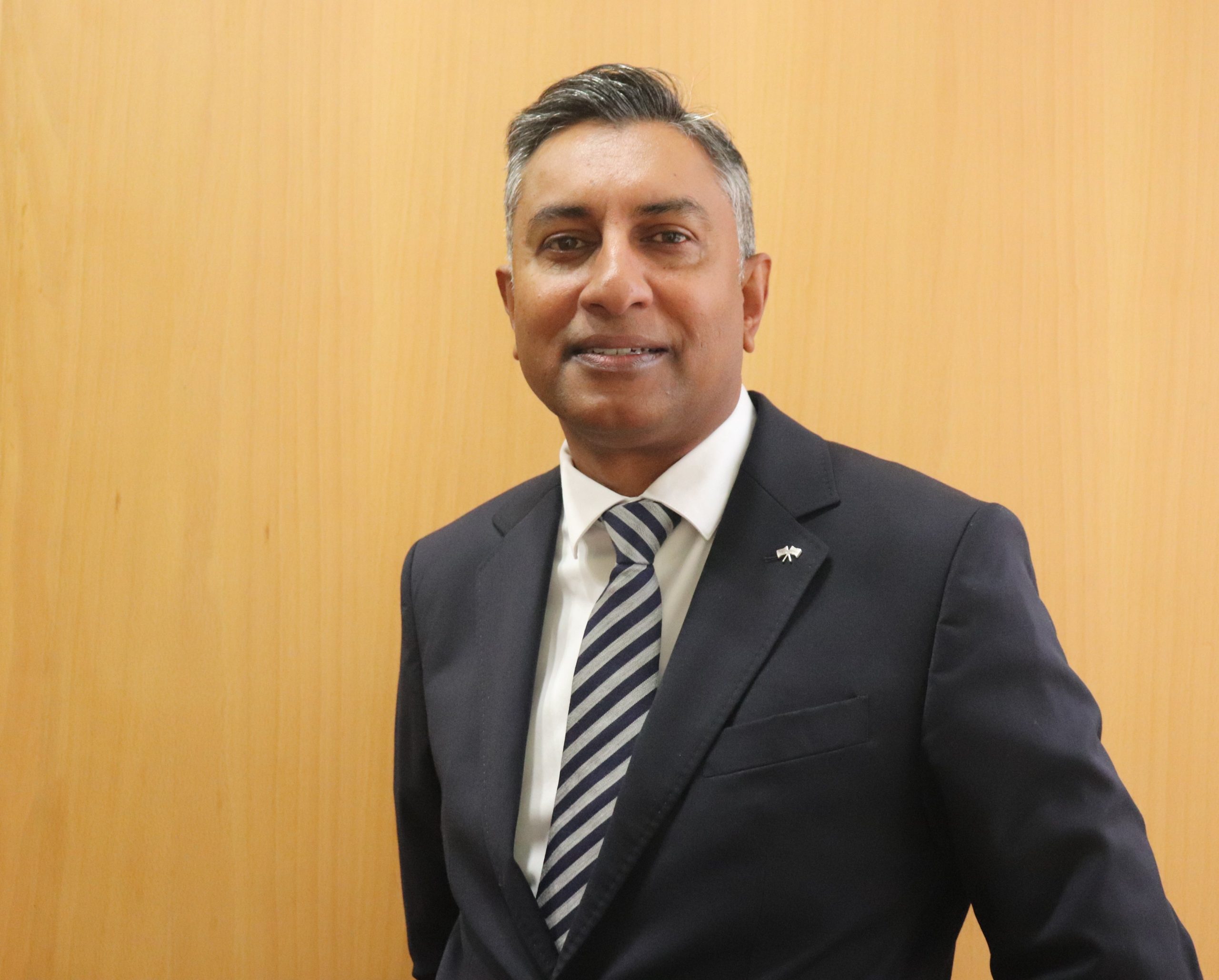
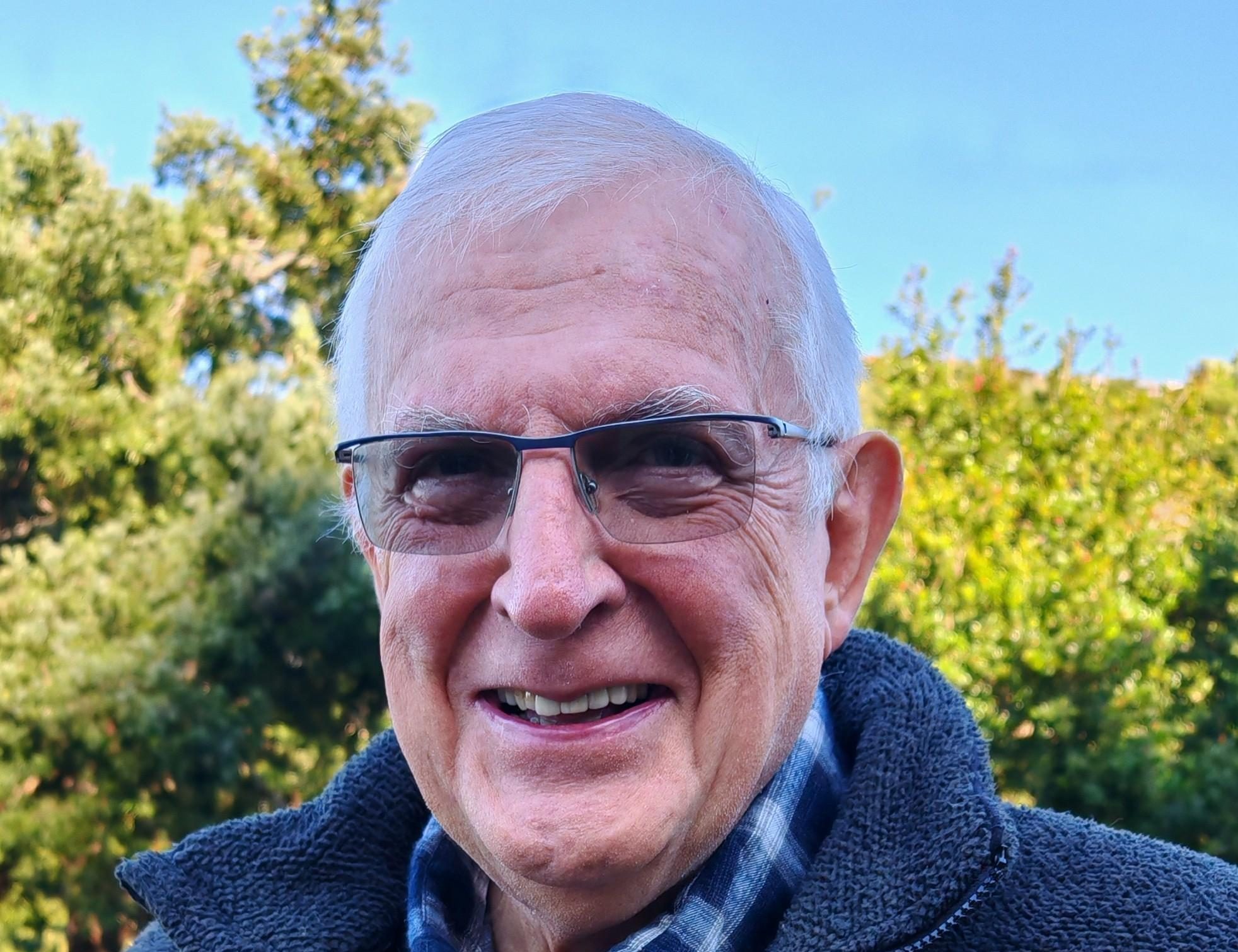
    The DaVinci Institute celebrates its 20th anniversary, a remarkable milestone in the domain of higher education. Sustaining an independent institution for over two decades without government funding has been challenging work. Prof Neil Viljoen, the strategic advisor to DaVinci and one of the long standing members of the institute, currently serves on the FAIR committee. He extends a heartfelt message of support to both the institute and its lively community.

    Prof Neil Viljoen said it has been his privilege to be associated with The DaVinci Institute for more than a decade. 

    “It has been a journey that I regard as one of the most gratifying and meaningful of my career,” he stated.

    20 Years Journey of Remarkability

    Giving a picture of DaVinci’s journey, he said, during the 20 years of its existence, the institute has developed from a small, unknown entity that, in the South African context, has a novice approach and is learning to be a significant role player that is internationally recognised. 

    Over the years, DaVinci has expanded in scope and depth, all while remaining true to its unique identity.

    “The fact that DaVinci could achieve this without any funding or assistance from the government speaks volumes for the quality of its offerings and the foresight, skill and determination of the leadership and colleagues involved,” stated Prof Viljoen. 

    Challenges In 20 Years

    Prof Viljoen said that during its existence, DaVinci had to deal with some serious challenges. Some of the more difficult challenges were educating the public to a better understanding of the process of learning, a hostile government, a tertiary environment and the COVID-19 epidemic. 

    All these challenges were successfully dealt with, never wavering from its founding principles.

    Agent Of Change

    Today, DaVinci is rightfully acknowledged as a respected change agent in the tertiary sector and their learning principles have found widespread application in other institutions of higher learning.

    The challenge for the DaVinci Institute will always be to remain faithful to its ethos, guiding each student on a unique path of discovery, learning, and insight, rather than simply teaching. 

    ”My very best wishes accompany DaVinci. I know you will continue to change students’ lives,” he stated. 

    Embracing Challenges

    Despite all the challenges faced during the last two decades, the institute will remain an agent of change to the industries and our society at large. There have been a lot of achievements the institute has achieved over the years. We are embarking on a renewed journey of co-creation with the next generations of innovators. 

  • PROFILING THE REMARKABLE – Dr Mohamed El Mongy

    PROFILING THE REMARKABLE – Dr Mohamed El Mongy

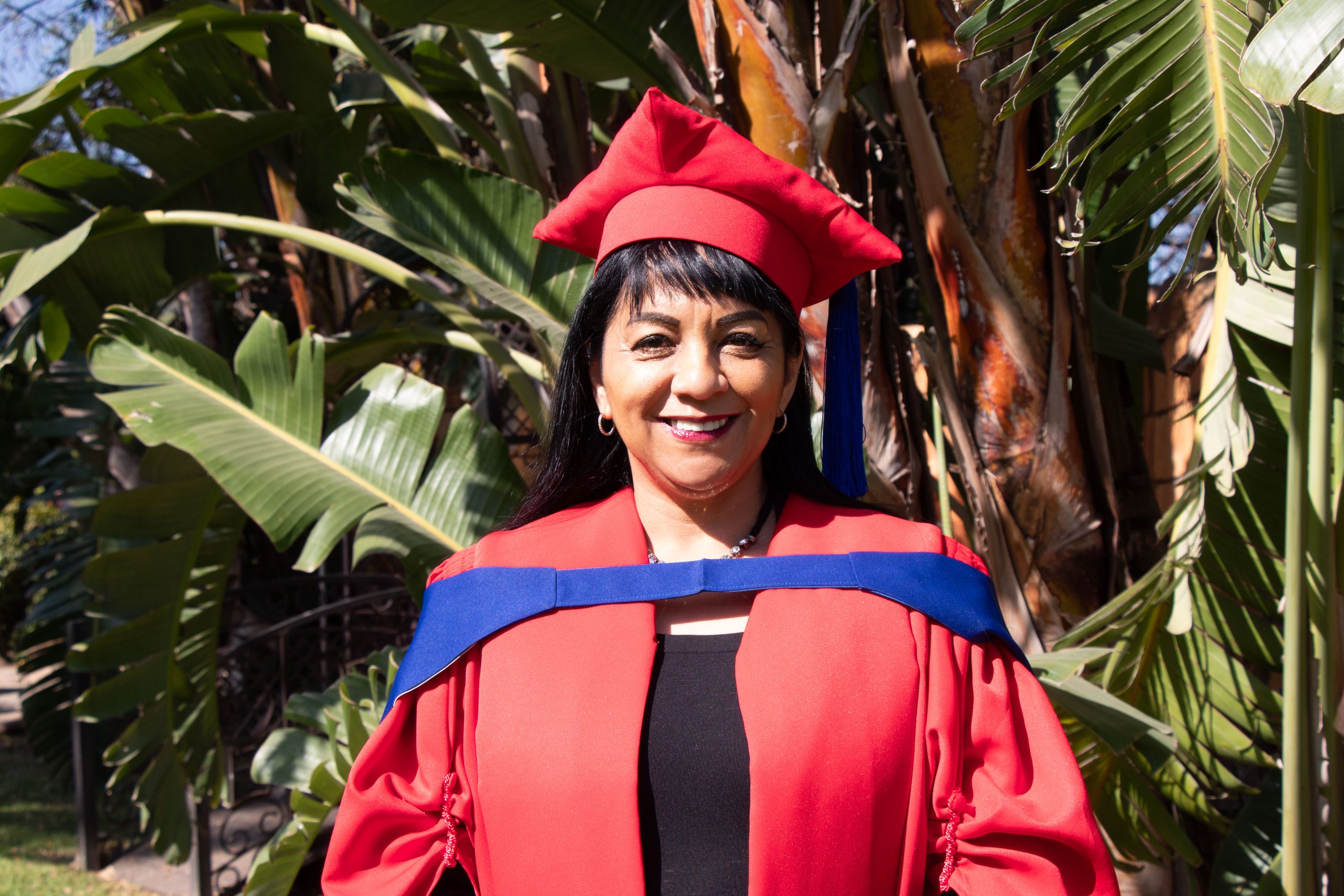
    Dr Mohamed El Mongy, can you give us a brief overview of your career to date?

    I graduated from Cairo University, Commerce, and I never worked in commerce. I was not that interested. And my career mostly was around three different elements, environment, and then conflict issues, conflict solution, and African studies on African issues.

    I worked so much on environmental conservation. I did a master’s degree in environmental science and environmental development at the University of Edinburgh. And then, this shaped the environmental part. I did a minor in African studies, but I was also always interested in how the dynamics of change I had to forget to visit more than half of the African continent. I lived in six countries, including myself. And then the elements of conflict resolution, I am a certified mediator. I work on mediation, conflict resolution, conflict resolution training. I am also currently listed among the mediators of the African Development Bank.

    Dr Mohamed El Mongy, What was your most significant challenge that you faced during your doctorate journey at The DaVinci Institute, and how did you overcome that?

    The major challenge was not related to academic pursuits. So, at the very beginning of my studies, it was unfortunate that I went through a period of a year and a half or two years of depression.

    So, I could not function properly. It is because of some family issues. And then, towards the submission of the PhD, my mom got sick. She was almost paralyzed. She was paralyzed for two months. And now she is better. And it was just like a few months before submission and I could not focus 100%, so I had to have a crash writing like the last two months or something. It is mostly that. The depression part, I used it as a leverage for courage. 

    I completed part of the story. And at the end, I chose to focus on the late parts of the day. I was shifting my day to write. Just allocating time whenever I could.

    Dr Mohamed El Mongy, can you just share a moment or an experience during your doctoral studies that you had a profound impact on the thinking or approach to your research?

    It was when I was writing about the connection to the land and the connection to the night. And I spoke with, I was living in the south of Egypt and I spoke with a Nubian friend of mine. He was telling me that I should stay in Nubia and so on. And I told him, like, I need to buy land. And he responded that, You guys, from the urban setting, want to own land. But for us, the land owns us. There is a shift in my thinking. 

    What advice would you give to incoming doctoral students at The DaVinci Institute, considering your own experience and the insight that you have gained along your journey? 

    Firstly, follow your coding. The second thing is to give time to write and you do not have to read everything on earth because knowledge is partly from the outside but also from the inside. And you give your time, give space and time to write, and focus on writing early enough, which is the mistake I made. 

  • PROFILING THE REMARKABLE – Dr Kholekile Ntsobi

    PROFILING THE REMARKABLE – Dr Kholekile Ntsobi

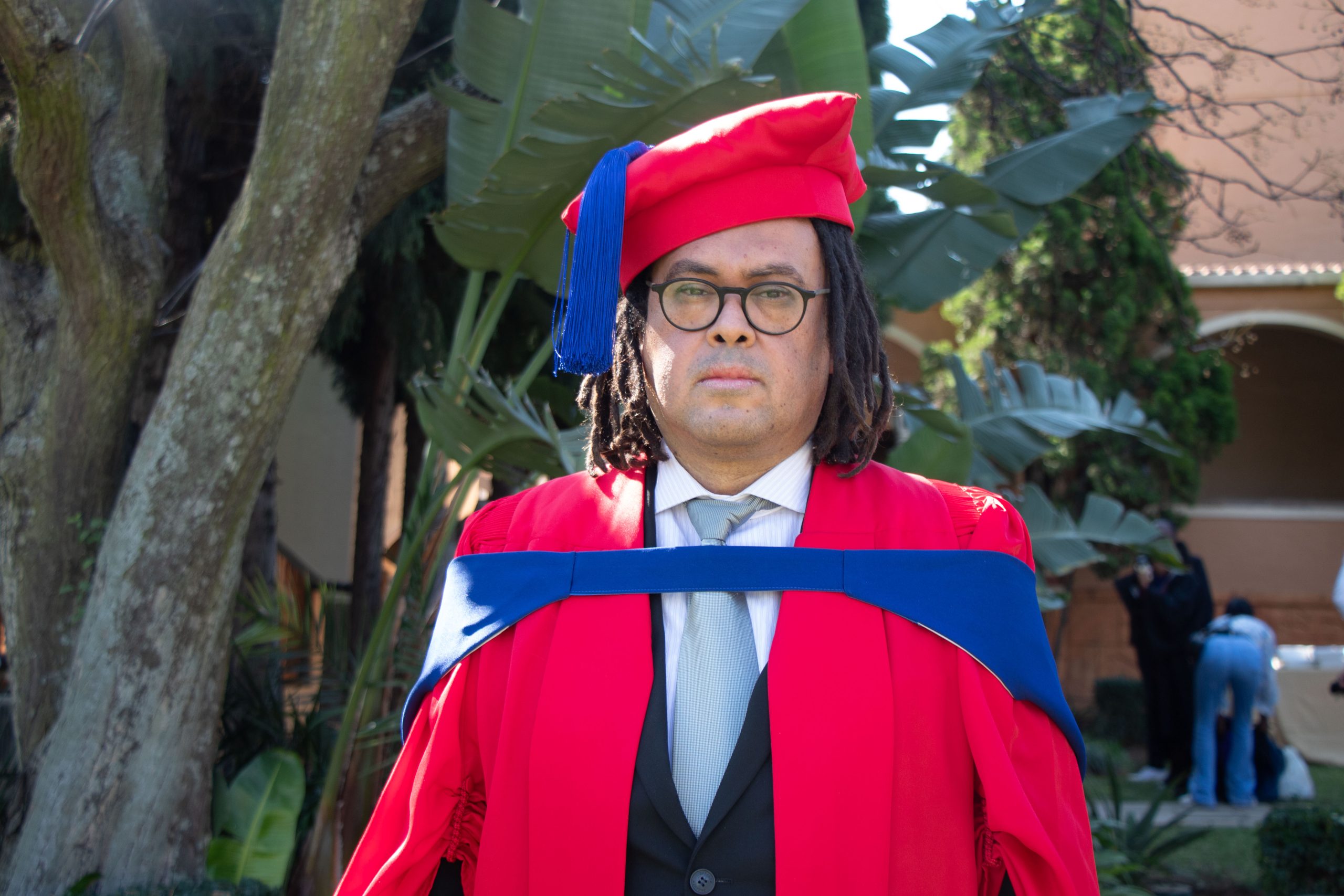
    Dr Kholekile Ntsobi,what was your most significant challenge that you faced during your doctorate journey at the DaVinci Institute, and how did you overcome it? 

    Look, the doctorate itself is a journey. And one of the issues was allocation of time, because one engages in business and studying, you know. I think for me, it was most important that I had to find discipline within the structure of the course itself. But what I found to be useful was also the support that was provided, even if you missed some of the key issues, you still have access to it through available resources.

    And for me, time was the most difficult issue that I had to maintain during the duration of my study. And that was overcome by putting discipline within myself to undertake the courses. 

    Can you share a moment or experience during your doctoral studies that had a profound impact on your thinking and approach to your research?

    You know, when we were introduced to the TIPS™ Framework, I was among the few students who were almost anti-TIPS™ Framework. I thought it was just streamlining it, but during the course, we look at how you approach technology in enhancing your studies, how you apply it in terms of your normal daily work, which has provided you know, an input in my thinking in the way I run my business, in the way I foresee my business. 

    Integrating technology and applying systems thinking has had a positive impact on my business personally. And in a few articles that I have written as well, I have seen the impact of the ethics module as provided by government systems. 

    Dr Kholekile Ntsobi, given time and opportunity, do you think you would go on this journey again? 

    Yes, it is a yes and no question. But I think I will do something higher than that. When I say higher, learn more in terms of what is being developed within the institution itself. I find it to be very constructive as well. So, I want to further explore and look at what the key developments are and all that. But in doing the whole course, never at any stage did I feel lonely, but looking at my age, I would not even try. But my thinking and understanding of learning and development are being embedded and encouraged by the support I got from the institution. 

    Dr Kholekile Ntsobi, what advice would you give to an incoming doctoral student considering your own experience and the insight that you have gained during your journey?

    I think, you know, any student that wants to undertake a study must allocate time, make use of the available resources that are available, make use of the lectures that are given online, and do not miss them, because you will find that sometimes during your time of study, you have to go back and say, I think I have missed this part of the lecture. Or, in fact, even towards the end of the exam, when you are getting your results, you could see a gap, like I did not actively listen to that.

    I would say, give yourself time to study. Use the supporting material that is given. Look at the previous students’ submissions. Look at the comments. Go onto the internet and look at the views, how they responded. That helped as well. And speak to former students that have undertaken the course, their experiences, and what they think. And that also helped me as well.

    To my advantage, my brother was also here, so I had the advantage of finding out exactly what the challenges were, and I managed to navigate my way through them. 

  • DaVinci Alumnus, Justin Nash Driving Global Business Growth

    DaVinci Alumnus, Justin Nash Driving Global Business Growth

    Justin Nash, Group CEO of IRCA Global, has undertaken a transformative journey of discovery, development, and growth through the Institute’s unique Mode 2 Knowledge Production.

    Nash’s experience was nothing short of remarkable. With a background as a Planning and Costing Technician, he pursued a customised programme in Operational Risk Management, specialising in Health and Safety. The practical, hands-on approach of The DaVinci Institute’s learning model resonated well with him, allowing him to apply theoretical concepts to real-world challenges.

    Growth and Innovation – Justin Nash

    Nash said that throughout his studies, he witnessed significant growth, not only in his knowledge but also in his professional capabilities. DaVinci’s assignments and work-based challenges pushed Nash to think critically and innovate, applying what he learned to his workplace. Nash stated that with the TIPS™ framework, he implemented new approaches to project management, costing, and sales, highlighting the versatility and impact of DaVinci Institute’s programmes.

    “My journey culminated in a remarkable career progression, from Planning and Costing Technician to Sales Director, and eventually, the Group CEO of the company,” revealed Nash.

    Nash’s experience with The DaVinci Institute equipped him with the skills and confidence to excel in leadership roles, driving innovation and growth within their organisation.

    Words of Inspiration From Justin Nash

    For those embarking on a similar journey, Nash offers words of encouragement. 

    “Focus on the end goal, and do not be discouraged by challenges. Mode 2 Knowledge Production has its difficulties, but the practical approach and application of knowledge make it exceptionally rewarding. Apply what you learn in your workplace, and you will find that it enhances your role and service delivery,” stated Nash, the Group CEO of IRCA Global.

    The DaVinci Institute’s Legacy

    Nash’s story is a testimony to the institute’s commitment to innovation, technology, and prosperity. As the institute celebrates its 20th anniversary, we honour the dedication and perseverance of our students, faculty, and staff members who have contributed to its legacy. Here is to many more years of shaping the future of education and empowering individuals to achieve their full potential.

  • Profiling The Remarkable – Dr Vincent Blennies

    Profiling The Remarkable – Dr Vincent Blennies

    Dr Vincent Blennies, what was your most significant challenge that you faced doing a doctoral degree and how did you overcome it? 

    Yeah, I think one of the most challenging things I faced was the preconceived idea or notion that I can do my doctorate within a record time. That is normally the kind of challenge that I believe we as students do face, and that opened my thinking towards the idea that, well, it is not a qualification that you should do within record time. The aim is to understand how a qualification can shape your thinking. That, for me, was one of the most challenging things I faced in my initial journey. 

    Considering your work experience, do you think there was a need for you to study for a PhD? 

    You know, PhD to me is like a comrade. It is a marathon. It is a journey that you, as an individual, must embark on. It is a lifetime achievement. I think one of the most challenging things one faces on this journey is getting that injury from your Achilles heel, as an example.

    Because on this journey, it is not, you know, it is a literal, like, emotional roller coaster. There are days when you feel that you would like to finish this thing, and there are days when you just leave your books. I think for me, from a career perspective, this journey was important. It is a needed journey, as well as based on my past, being from banking, telecommunications, as well as healthcare.

    And currently, I am the CEO of the National Film and Video Foundation of South Africa. I think this has benefited me a lot. 

    What advice would you give to an incoming doctoral student at The DaVinci Institute based on your experience?

    For me, one of the critical things I will give from an advisory perspective is that I will recommend that you give yourself time, you allow yourself the opportunity to grow. Give yourself the latitude or the palatability for you to embrace other information or knowledge and do not be afraid to ask. And something critical that I have learned on this journey is that this journey will shape your thinking and it will humble you. You get to discover how little you know. 

    Dr Vincent Blennies, in a few words, can you describe your journey to completing your qualification? 

    In a few words, my journey has been interesting. When I embarked on my journey, my biological mom was still alive. And today is an opportunity for me to celebrate this lifetime achievement in her absence, but also to dedicate this day to her and these qualifications to her. There is now a complete focus and appreciation for the journey that I have embarked on and what it will mean for our family, because in my family, I will be the first to earn a doctoral degree.

    Dr Vincent Blennies, the world is evolving quickly. Do you find the TIPS™ Framework relevant?

    I think TIPS™ plays a critical role from a technology, innovation, people, and systems perspective because organisations need to innovate. Organisations need to embrace the new change. When we look at the year 2030 and beyond, what is relevant or what was relevant five years ago will not be relevant 10 years from today. I believe TIPS™ plays a critical role from a technology perspective, innovation, people, and systems.

    Because you cannot operate an effective or manage an effective organisation without understanding the TIPS™ framework. By embracing the TIPS™ framework, I believe listed companies globally, regionally, or even nationally, will be able to enhance their current processes, be it processes, financial modeling, or even from a profitability perspective. Technology plays a critical role because that is where the systems come in.

  • DaVinci Alumni And Convocation Unites

    DaVinci Alumni And Convocation Unites

    The DaVinci Institute recently hosted a Postgraduate Alumni Breakfast, an event aimed at fostering reconnection, engagement, and dialogue about the vital role of convocation and alumni in advancing the institute’s ethos. Alumni serve as essential members and ambassadors of the institute, embodying the core principles of DaVinci.

    A Unified Vision for Convocation and Alumni

    Alumni Breakfast

    During the session, the institute’s CEO, Prof Ben Anderson, emphasised the importance of these connections, highlighting that both convocation and alumni play an important role in preserving the foundational values of DaVinci. He shared a strategic move to unify the convocation and alumni into a cohesive entity, with the convocation taking the lead.

    Welcoming a New Wave of Graduates

    Following our recent graduation ceremony, over 100 new graduates have expressed their commitment to joining the convocation.
    “This initiative marks a pivotal step as the institute evolves to empower alumni to take a proactive role in promoting the ethos of DaVinci. In recent years, the institute has struggled to maintain its essence due to a lack of empowered convocation and alumni actively participating in its affairs,” stated Prof Anderson.

    Co-Creation at the Heart of the Future

    The DaVinci Institute believes in the principle of co-creation, advocating for alumni to engage collaboratively with the institute, regardless of their geographical location. A top priority moving forward is to re-establish connections with industry stakeholders, thereby enhancing consultative capacities among industry professionals, alumni, and other key stakeholders.
    “We have initiated a process of reconnecting with the industry, focusing on how our alumni and DaVinci can collaborate effectively,” stated Dr. Sam February.

    Navigating the Future of Education with AI

    During the session, a significant topic of discussion was the future of education, particularly considering advancements in Artificial Intelligence (AI). Our Head of Faculty for Research and Systems and Executive Dean for Teaching, Learning, and Research emphasised that while AI is already integrated into our educational landscape, how we use it will shape the future of education.

    Maintaining Academic Excellence in the Age of AI

    Dr Isaacs stated that when AI is used responsibly, it has the potential to enhance academic processes and alleviate administrative burdens. In response to concerns regarding the quality of academic research in the age of AI, he assured attendees:
    “Our institute has established vigorous quality control mechanisms to safeguard the integrity of our research. The oral defense process not only serves to uphold quality standards but is also an integral part of our assessment framework.”

    What Sets DaVinci Apart

    The discussion also highlighted what sets The DaVinci Institute apart. The TIPS™ Framework and Mode 2 Knowledge Production provide a distinctive value proposition for our students and clients, enabling us to tailor our offerings to meet individual needs effectively.

    A Continued Commitment to Collaboration

    As an institution, we are committed to advancing collaborative efforts and ensuring that our alumni play an active role in our ongoing development. The alumni office will continue to create platforms for co-creation and engagement, facilitating meaningful contributions to the institute’s growth and success.

  • DaVinci Alumna Shaping Africa’s Education Future

    DaVinci Alumna Shaping Africa’s Education Future

    The DaVinci Institute celebrates its 20 years of remarkability and co-creation. Since 2004, the institute has produced quality leaders who are transforming industries and societies, one of the spotlights is Dr Linda Meyer, the current Managing Director at IIE Rosebank.

    She studied for her Doctor of Philosophy doctorate in Management of Technology and Innovation from The DaVinci Institute., with her thesis focused on Discussions in education: A post-modern approach.

    20-Year Celebration Message

    “Congratulations to The DaVinci Institute on this remarkable 20-year milestone. Your commitment to cultivating purpose-driven leadership and pioneering the integration of technology, innovation, people, and systems thinking has positioned the Institute as a global exemplar of transdisciplinary education. At a time when the world is confronting unprecedented social, economic, and environmental challenges, DaVinci’s model stands out as a beacon of relevance and resilience. May this celebration be both a moment of reflection and a launchpad for an even more profound impact on global education and human development.”

    DaVinci’s Leadership Empowerment

    Dr Meyer said her doctoral experience at DaVinci was transformative. It empowered her to interrogate systems, challenge orthodoxy, and implement evidence-based strategies across complex educational and organisational landscapes.

    “The Institute’s emphasis on contextualised research and applied knowledge strengthened my capacity to lead institutional reform and develop sustainable education ecosystems across South Africa and beyond,” stated Dr Meyer.

    The intellectual journey drawn from the institute has enriched Dr Meyer’s contributions to policy, academic leadership, and enterprise development across the African continent and in international forums focused on education and innovation.

    Impact of TIPS™ Framework and Mode 2 Knowledge Production

    What makes The DaVinci Institute unique, according to Dr Meyer, is its defining example of the TIPS™ Framework in action was during the implementation of a multi-institutional turnaround strategy. Applying Mode 2 knowledge production, she leveraged insights from staff, students, policymakers, and industry partners to co-create a responsive governance and performance model.

    “This dynamic, participative approach, so central to DaVinci’s ethos, ensured that solutions were not only academically robust but also socially attuned and practically executable. It demonstrated that knowledge, when co-created and applied systemically, can produce sustainable organisational transformation,” stated Dr Meyer.

    Significance of Co-Creation

    DaVinci’s emphasis on co-creation has deeply informed Dr Meyer’s approach to leadership in education. She alluded that by embracing collaborative innovation and rejecting siloed thinking, she has been able to drive strategies that are responsive to market shifts and community needs.

    “Whether engaging with industry to shape curricula or working with government to improve skills pipelines, the foundation laid by DaVinci has enabled me to foster cross-sector partnerships that prioritise both employability and societal advancement. This approach is increasingly critical in preparing graduates to be globally competent, ethically grounded changemakers,” stated Dr Meyer.

    Advice to Students

    Dr Meyer advised and encouraged current students and emerging scholars to remain intellectually agile, socially conscious, and relentlessly curious.

    “The world needs professionals who can traverse disciplines, engage with complexity, and lead with integrity. Use the TIPS™ Framework not just as an academic tool but as a life philosophy—one that embraces innovation, human-centred leadership, and systemic insight,” stated Dr Linda.

    Adding that journey will not be linear, but it will be gratifying if anchored in purpose and contribution. Students should learn to embrace both failure and learning as part of the path toward meaningful impact.

    Envisioning DaVinci’s Potential

    “Moving forward, I see DaVinci playing a pivotal role in shaping globally conscious, system-literate leaders who are equipped to drive inclusive development. In an era defined by artificial intelligence, climate crisis, and socio-political flux, institutions like DaVinci must continue to cultivate leaders who can navigate complexity with ethical clarity and strategic vision,” stated Dr Meyer.

    Dr Meyer, in closing, indicated that by expanding its DaVinci’s international footprint, deepening its research agenda, and continuing to foreground co-creation and innovation, DaVinci can remain a vital contributor to both African and global progress, empowering leaders who not only adapt to change but shape it.

  • DaVinci Alumna Masters Life’s Many Roles

    DaVinci Alumna Masters Life’s Many Roles

    Few people embody versatility and purpose like Thuso Mojatau, a proud DaVinci alumna. She is a mother of two, wife, and Office Support Manager at FNB’s real estate division. She somehow finds time to host a radio show, manage large-scale events, and release spiritually-inspired music, all while earning her BCom in Project Management, a journey that culminated in her graduation on 29 May 2025.

    Meet Thuso Mojatau: DaVinci Alumna and FNB Manager

    We caught up with Thuso shortly after the graduation ceremony, and her enthusiasm was infectious.

    “Honestly, I feel proud,” she said, pausing slightly as if taking it all in. “Project management has always been part of what I do, but this degree puts a name to the work I’ve been doing for years.”

    Just weeks before graduating, she was deep in preparations for the Africa Rising music concert, a major event she managed from beginning to end. It’s this kind of juggling act that seems almost impossible on paper, but for Thuso, it’s simply her way of life.

    “I live by my schedule,” she said with a chuckle. “I colour-code everything, plan out my days to the last detail. But here’s the thing, you must genuinely love what you’re doing. That’s what makes the balancing act possible.”

    Between career, family, and creative projects, it’s clear she’s not just multitasking, she’s weaving together different parts of her life in a way that feels intentional and grounded.

    The TIPS™ framework 

    One of the biggest tools that shaped her journey? The TIPS™ framework at DaVinci, short for Technology, Innovation, People and Systems Thinking.

    “It really changed the way I see things,” she explained. “Whether I’m preparing for a radio show or working on a corporate presentation, I find myself thinking in systems. It’s not something I switch off when I leave campus. It’s with me all the time.”

    Mode 2 Learning

    Another game-changer was Mode 2 learning, a fresh concept for her, but one that quickly made sense.

    “Before DaVinci, I’d never come across Mode 2. But it clicked fast. We were asked to write about real issues, things like the economic impact of COVID-19 or what’s happening in South Africa right now. That’s when learning becomes real.”

    Her academic research, in fact, came straight from her heart. It explored how spirituality in the workplace can uplift morale and boost performance, something she believes companies should embrace more.

    “My paper didn’t aim to solve a problem,” she said, thoughtfully. “It was more of an invitation to explore. What happens when employees have a space to step away, reflect, pray, or just breathe? Regardless of one’s belief system, that moment of spiritual reconnection can have a powerful impact on work culture,” said the DaVinci alumna.

    As a recording artist in the Afro-house genre, though classically trained, Thuso says her music carries the same spirit as her research: joyful, rooted, and meaningful.

    Encouragement From DaVinci Alumna to Students

    But like most stories of success, hers isn’t without moments of doubt.

    “In my first year, I had to repeat academic literacy,” she admitted. “I was embarrassed. I thought, maybe this isn’t for me. I nearly gave up. But something told me to keep going. And I’m glad I did.”

    Her advice to others?

    “Just stay. Even when it’s rough. Even when you feel alone. It takes time, but eventually, you start understanding what this learning model is about. Then it stops feeling hard and starts feeling alive.”

    With her degree now in hand, Thuso Mojatau joins the growing number of DaVinci alumni who are not only excelling in their careers but living out their purpose, in full colour.

  • Mom and Daughter Now DaVinci Alumni

    Mom and Daughter Now DaVinci Alumni

    It’s not every day that a mother and daughter walk the same academic path, and graduate from the same institution. But for Ingrid Du Boisson and her daughter, DaVinci Institute has become more than just a place of learning, it’s where two generations found purpose, clarity, and growth.

    Discovering a New Way of Thinking

    Ingrid is an experienced leader and executive with a solid background in education and human capital development. She holds a Master of Science in the Management of Technology and Innovation from DaVinci and is currently pursuing her Doctorate at the same institution. But her academic journey didn’t come easy, it was filled with both discovery and difficult decisions.

    “When I started my journey with DaVinci I was still employed at the Transport Education Training Authority heading up the Freight Forwarding and Supply Chain sector,” Ingrid explains. “I spent 21 years facilitating development of skills and strategies for capacity building in the sector nationally, and I thought I was doing a great job. Starting my Masters was an eye opener for me; it took my thinking to another level. I slowly began to realise whilst applying the TIPS Framework that I was working in a very dysfunctional organisation, and in fact it became clear to me that our country’s entire skills development system and strategy was dysfunctional. In that I became very frustrated with my reality.”

    The Power of the Cohort

    Despite the frustrations, Ingrid found joy in the classroom.

    “What I enjoyed most was attending classes, we had a great cohort, and excellent lecturers who allowed us students to have the most phenomenal discussions and debates on the application of concepts and theories. The discussions and debates were often contentious, depending which lenses were applied and on the background of individuals in our cohort, this is where a lot of my learning occurred, listening to different perspectives which lead to rigorous research on topics I wouldn’t have thought of.”

    A Tough Balancing Act

    Balancing work, studies, and parenting was no small task.

    “The challenges I must say were few, doing my master’s whilst working fulltime and being a parent was not an easy feat. The assignments almost killed me, but after each one was submitted my reality became worse! But my journey going forward became clear. I realised that working in my environment at the time was no longer feasible, my input in the work environment was ignored and seen as controversial, and so there was no improvement in the entire system. I decided it was time to move on where my thinking and contribution in co-creation would be accepted and embraced.”

    A New Chapter with DHL

    Her next chapter took her to DHL International.

    “My journey after the Transport SETA took me to DHL International as Director for Learning & Development for 4 years, this was an environment that embraced innovative thinking. I found a space to co-create and develop within the business. Again, once I had implemented innovative strategies within the company, I began to get involved in external industry initiatives at a national level, and as they say the rest is history.”

    Today, she serves as the CEO of the Institute for Customs and Freight Forwarding (ICFF), and credits DaVinci for sharpening her leadership lens.

    “It has given me the ability to look at an organisation or an industry from a strategic perspective and through different lenses, as a system and which has become 2nd nature to me. This has enabled me to understand that integration and collaboration across the industry’s value chain is the only way to address its current challenges, and address identified risks.”

    A Full-Circle Moment: Her Daughter Graduates Too

    On 29 May, Ingrid proudly watched her daughter graduate from DaVinci with a BCom in Supply Chain Management, a full-circle moment.

    “My experiences taught me to think differently and more effectively, and I wanted my daughter to learn and experience just that, to be innovative and to co-create, to make a difference in her life as it did mine and to my career. ‘Be the change you want to see’,” she says. “I have seen so many graduates come out of university that found adapting to the world of work very challenging. They had no practical experiences and suffered from death by textbook syndrome. No free thinking and curiosity to learn outside the norm.”

    Learning That Sticks

    “DaVinci’s mode 2 methodology was different, and it challenges students to research and to find solutions to their challenges for themselves, it encourages co-creation within society. My daughter started her degree straight out of school, and she adapted to this methodology and was fortunate enough to get an internship with a logistics company for most of her studies. The workbased challenges is where most of the learning happened, as its practical and research based. Suffice to say my daughters way of thinking and applying herself has grown significantly, in my opinion very different from a traditional student.”

    What Sets DaVinci Apart

    After experiencing DaVinci as both a student and a parent, Ingrid is certain of what sets it apart.

    “What sets DaVinci apart is their mode 2 methodology and their collaborative approach to industry, which makes their programs focused and which addresses industry realities. They customise offerings that address specific skills in industry as well as management leadership development which is crucial in the business reality.”

    “The TIPS Framework is a phenomenal tool which students are taught and apply during their studies and into the real world, and which I have witnessed being applied in the corporate world and how it changes students’ way of thinking. Ultimately, the return on investment from a business perspective is phenomenal.”

    Words of Wisdom for Fellow Students

    “As an alumnus I have absolute belief and trust in the institute and its ability to develop people, and in so doing related industries. I have experienced this first hand. Students should allow their minds to be opened, as was mine and not be stuck in doing the same thing and expecting results, especially in the changing world we live in. Students should be the change they want to see in which ever environment they find themselves.”

    “Being a student at Da Vinci allows you to think innovatively, creatively outside the box. The different lenses they apply will also contribute to the outcomes of their learning journey, embrace the challenges, and make the difference. My parting words are continue developing yourself, the future changes continuously, you need to innovate and change with the world or be left behind.”

  • A DaVinci Alumnus Reflects on the Journey

    A DaVinci Alumnus Reflects on the Journey

    Alumni Spotlight: Dr Rudolph Phillis

    As the DaVinci Institute marks its 20th anniversary, distinguished alumnus Dr Rudolph Phillis reflects on how his academic journey with the institution became a cornerstone of both his professional growth and personal development.

    Completing his PhD in Technology and Innovation Management in 2006 and graduating the following year, Dr Phillis describes the experience as “a significant turning point” in his life. “It set the stage for a journey filled with growth, challenges, and incredible opportunities,” he said.

    From Curiosity to Certification

    It was during his time at DaVinci that Dr Phillis developed a deep interest in the Theory of Constraints (TOC), which became a focal point in his career. In 2010, he earned the prestigious TOC Implementation Expert Certification, the highest awarded by the TOC International Certificate Organization. Over the years, he expanded his credentials with further certifications in Holistic Business Strategy, Project Management, Supply-Chain Logistics, and Thinking Processes.

    “These certifications weren’t just about adding letters to my name,” he explained. “They became powerful tools that helped me respond to complex business problems in practical ways.”

    Lifelong Learning and Lean Excellence

    Dr Phillis continued building on this foundation, branching into Lean methodologies. Over time, he worked through a rigorous learning path, eventually achieving Gold Certification in Lean in 2022. This accomplishment, he said, “represented a culmination of years of hard work and dedication.”

    From Green to Bronze to Silver, and finally Gold, each milestone reflected his drive for efficiency and improvement. “It was never about just ticking boxes. It was about internalising the philosophy of continuous improvement and applying it meaningfully.”

    Recognition That Reinforces Purpose

    Dr Phillis’ efforts have not gone unnoticed. Among his many accolades, he was awarded the PhD Excellence Award by DaVinci in 2009, a recognition he holds in high regard. He was also named Businessman of the Year in 2002 and received the Business Award for Social & Environmental Responsibility the year before.

    One of his proudest achievements came during his tenure at Harmony Gold, where he led a team that reached 1.5 million fatality-free shifts, a testament to effective leadership and prioritising safety.

    Giving Back to the Community

    Beyond personal accomplishments, Dr Phillis has remained deeply engaged with the DaVinci community. He has served on alumni committees and academic boards, and played roles as supervisor, moderator, and examiner. He was also a regular contributor to Curiosita, the institute’s knowledge-sharing platform.

    “These roles allowed me to stay connected and give back to the same environment that shaped me,” he said. “Mentorship and knowledge-sharing are vital parts of the journey.”

    A Family Affair

    Dr Phillis’ journey has also inspired those closest to him. He encouraged his wife, Monique Phillis, to enrol at DaVinci, where she completed a BCom in Business Management in 2021 and later a Postgraduate Diploma in Business Leadership in 2023.

    “I’ve seen first-hand how DaVinci’s approach can unlock potential,” he shared. His influence now extends to his brother, who is set to begin a Certificate in Management at DaVinci in 2025.

    Embracing New Challenges

    True to his lifelong learning ethos, Dr Phillis is now pursuing a second PhD,  this time in Industrial Engineering at the University of the Witwatersrand. His focus is on exploring transformative effectiveness in industrial systems.

    “I’ve always believed that learning should never stop,” he said. “This new chapter allows me to push boundaries even further and bring deeper insights into the work I do.”

    In 2024, he was recognised for his contribution to Barloworld Equipment through nominations for both the Most Improved Business Award and the Subdivision Innovation Award, reflecting his leadership in driving turnaround strategies and fostering innovation.

    Looking Ahead with Gratitude

    As DaVinci celebrates two decades of impact, Dr Phillis remains a vocal advocate for its mission. “The institute didn’t just sharpen my professional skills, it gave me a deep sense of purpose,” he said.

    His story is one of transformation, not just for himself, but for the organisations and people around him. “As we celebrate this milestone, I hope future generations are inspired to embrace creativity, challenge the status quo, and continue the pursuit of meaningful change.”