Category: DaVinci Alumni

The DaVinci Institute Alumni Association is dedicated to co-creating with, and fostering connections between, our alumni community, ensuring alumni stay connected and continue with life-long learning.

  • A DaVinci Alumnus Ascends to New Heights

    A DaVinci Alumnus Ascends to New Heights

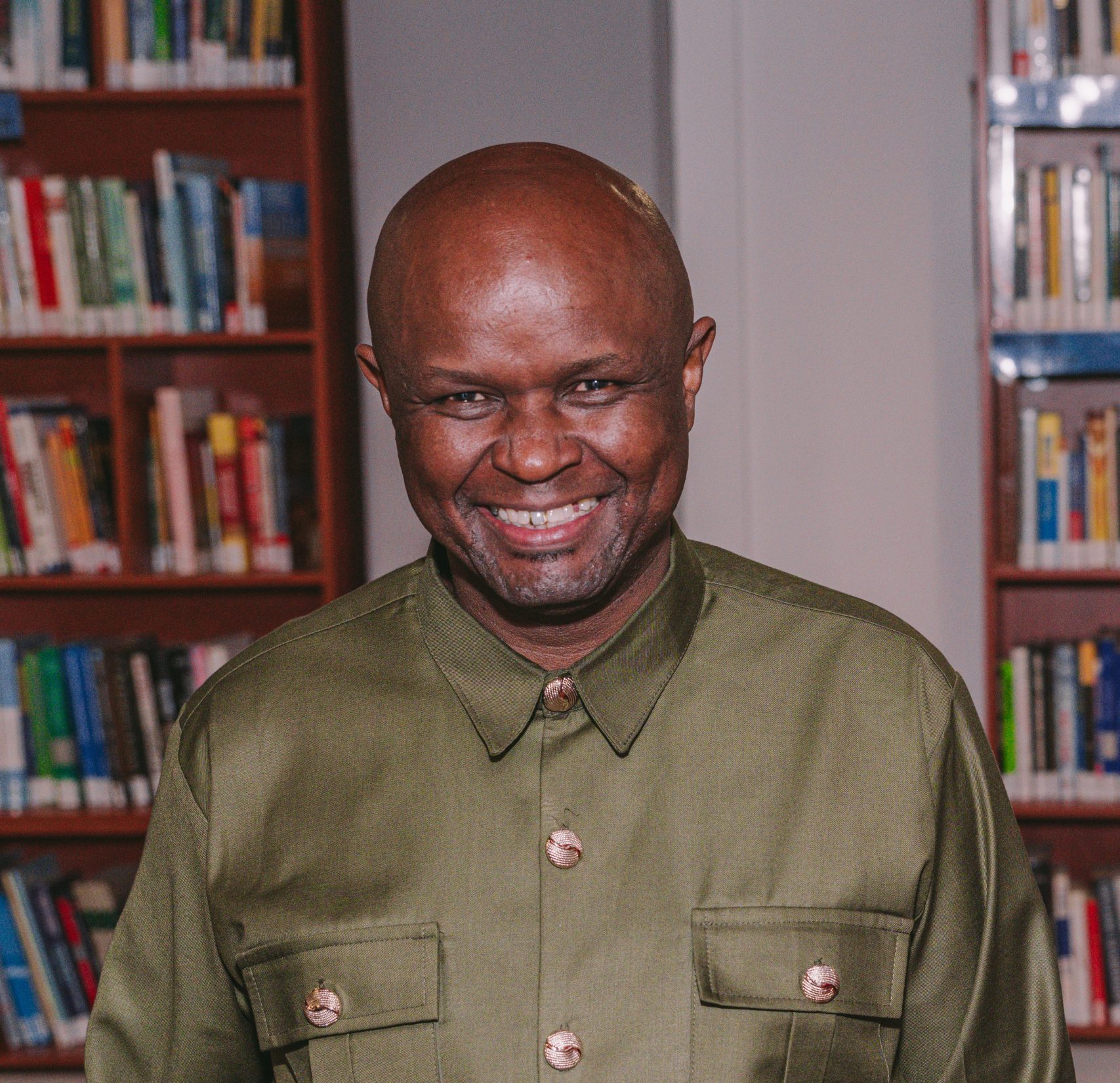
    Dr Kwanele Ngwenya, a distinguished alumnus of The DaVinci Institute, has taken on a transformative new role, he is now the Group Chief Operating Officer of Nico Holdings PLC. This marks a powerful new chapter in a career defined by excellence, purpose, and a relentless drive to elevate Africa’s financial systems. 

    Announcing the news on LinkedIn, Dr Ngwenya expressed his gratitude and humility: 

    “So it came to pass that I’ve recently moved into my next assignment, as the newly appointed Group Chief Operating Officer of Nico Holdings PLC – a position I’ve accepted with great gratitude and humility, and for which I’m deeply honoured to have been chosen. 

    It’s a step towards further development in my career, as learning continues and new lessons further enhance my life and purpose. At this stage, I can’t say I’ve reached the pinnacle, but I am certainly and continuously heading towards becoming a better leader and contributor. Really, this journey never ends. 

    I’m grateful to those who trust in my abilities and will certainly make both myself and them proud to have appointed me, as I look forward to making a meaningful, lasting impact in this role. 

    Thanks for the support from colleagues, associates, friends, and (crucially) my family for their sustained patience, love, and care. 

    The journey continues.” 

    A Leader of Impact and Innovation 

     Dr Kwanele Ngwenya
    Dr Kwanele Ngwenya

    Dr Ngwenya’s appointment is the continuation of an exceptional leadership journey. Until recently, he served as the Chief Executive Officer of NBS Bank, where he earned widespread respect for his transformational leadership. His work led to him being honoured with a 2024 Today’s Africa Award, a fitting recognition of his contributions to financial inclusion and banking innovation. 

    Under his guidance, NBS Bank introduced the Pafupi Savings and Agent Banking solutions—groundbreaking services designed to empower communities traditionally excluded from formal financial systems. His leadership has been instrumental in broadening access and creating sustainable change. 

    Academic Excellence Meets Practical Impact 

    A committed scholar-practitioner, Dr Ngwenya recently completed his Doctor of Management in Technology and Innovation at The DaVinci Institute. His thesis, titled An Effect Analysis Study of Financial Inclusion in Malawi: A Case Study of the NBS Pafupi Savings and Agent Banking, reflects a rare blend of academic rigour and real-world application. 

    His study explored the barriers marginalised populations face in accessing banking services and how inclusive financial models can make a difference. Dr Ngwenya exemplifies how knowledge, when paired with empathy and vision, can reshape communities. 

    From Nedbank to the Continent 

    With over 25 years in banking, including 14 years in executive roles—Dr Ngwenya has held key positions across South Af

    rica, Botswana, Zimbabwe, and Malawi. His journey began at Nedbank, followed by an 11-year tenure at FNB, before taking on leadership roles at NBS Bank and now, Nico Holdings. 

    In addition to his executive responsibilities, he serves on the Board of NICO Technologies and holds an advisory position with the Centre of Agricultural Transformation – testament to his broad influence across finance and development sectors. 

    A Lifelong Learner and Chartered Banker 

    Dr Ngwenya’s academic portfolio includes three master’s degrees from top UK universities, Oxford Brookes, Derby, and Bangor University – as well as Chartered Banker status from the Institute of Bankers in Scotland. He has also completed advanced programmes at Wits and GIBS Business School, consistently sharpening his leadership edge. 

    The Journey Continues 

    As Dr Ngwenya steps into his new role at Nico Holdings, he carries with him not just a legacy of results, but a vision rooted in integrity, excellence, and transformation. His journey is far from over -in fact, it’s only gaining momentum. 

    Congratulations to Dr Kwanele Ngwenya – a visionary leader, accomplished scholar, and proud DaVinci alumnus. Africa is rising, and with leaders like you, the future is indeed luminous. 

  • DaVinci Alumna Redefines Purposeful Leadership

    DaVinci Alumna Redefines Purposeful Leadership

    “Leadership is about serving others who can benefit from your knowledge and share theirs with you… being willing to learn from those whom you lead is a gift!” — Paula Krause 

    With these words proudly displayed on her LinkedIn profile, Paula Krause lives her philosophy every day. A leader in the truest sense, Paula has been with DSV for 29 years, and currently serves as General Manager of Human Resources for Solutions. Her story, marked by courage, collaboration, and deep self-awareness, is a powerful example of how adult education can reshape not just careers, but lives. 

    Taking the Leap: From Experience to Qualification 

    Paula’s journey to The DaVinci Institute began with a nudge from her HR Director. “I had the knowledge and experience, but I lacked a formal qualification,” she says. That moment of encouragement set her on a path that would change everything. 

    What tipped the scale? A conversation with a friend. “She told me about DaVinci, no exams, just assignments, it seemed much easier… famous last words!” Paula laughs. At the time, she was juggling a demanding job and a three-year-old. “Still, I knew I needed to take action.” 

    With only a week before applications closed, Paula acted fast. “I had to submit a motivation letter explaining why DaVinci was preferable to UNISA, especially because of the cost difference. I got the green light.” She even convinced her best friend to apply, giving her just two days to decide. “I honestly don’t know what I would have done without her. Having someone by your side, pushing you when you’re exhausted and feel like giving up, is crucial.” 

    The DaVinci Experience: Applied, Not Abstract 

    What set DaVinci apart was its application-based model. “Each subject included three parts, class learnings, research, and application. We had to use what we learned immediately.” Paula embraced the challenge. 

    “I literally breathed, ate, and slept what I was studying, because it was so connected to my work.” The Work-Based Challenge was particularly transformative: “It forced us to synthesise everything and apply it in real life. That made it stick.” 

    Leadership That Listens and Coaches 

    As General Manager HR, Paula describes her typical day as a balance of strategy and people development. “I solve problems, coach leaders, and encourage critical thinking. I don’t give direct answers, I help people find them.” 

    This coaching approach is a direct reflection of her DaVinci training: “How does one effectively apply what has been learned? The ability to translate knowledge into practice is essential. If you can’t apply it, it has no value.” 

    Staying Grounded in a Fast-Paced World 

    The logistics sector doesn’t stop for anyone. “This industry is fast-paced and complex—you are constantly brought to your knees. It reminds you of how much you still need to learn, both professionally and personally.” 

    Paula finds grounding in impact. “What keeps me going is seeing how others grow. That’s how I measure my own success.” She credits her MD for pushing her to grow and her team for inspiring her daily. “And personally? I’m a mother to a 14-year-old, if that doesn’t keep you grounded, nothing will!” 

    She actively seeks out learning: “I listen to podcasts, I train, I talk to other leaders—because my goal is to take my team to the next level.” 

    On Passion, Purpose, and Pushing Through 

    For young professionals and aspiring HR leaders, Paula’s advice is clear: “Whatever you do, do it with passion! If you’re not passionate about it, don’t do it. You don’t do this work because it’s easy, you do it because it’s right and because it makes a difference.” 

    She continues, “There will be tough times. But if you believe in your purpose, you can get through anything.” 

    Challenges Faced and Lessons Learned 

    Paula has never shied away from hard truths. “As a woman, it would be a lie to say that my career hasn’t been full of challenges.” She speaks candidly about being overlooked, disrespected, or marginalised because of her gender, heritage, or her field—HR. 

    But her education was her armour: “My studies gave me the confidence to say, ‘I know what I’m doing. I am the expert here.’ I’m not irreplaceable, but my passion? That’s hard to find.” 

    “When I fight for something, it’s because it’s the right thing to do—even when it’s the hardest. That’s how I sleep at night.” 

    A Proud DaVinci Alumna 

    “It’s still hard to believe I’m a DaVinci graduate,” Paula admits. “I completed my degree at 40, with a toddler in tow. It wasn’t easy, but it was worth it.” 

    She now mentors DSV’s own Da Vinci students. “We manage our talent pool through DaVinci, and I coach some of the delegates. I was one of the first to enrol, and now we send others there to grow.” 

    “Studying at Da Vinci gives you a competitive edge. It equips you with real tools for the real world. That knowledge stays with you forever.” 

    Final Reflection 

    Paula Krause’s journey is a testament to what can happen when experience meets opportunity, when learning is applied, and when leadership is lived through service. Her voice, rooted in experience and driven by empathy, offers a roadmap for anyone daring to grow, personally and professionally. 

  • DaVinci Alumna Masters Leadership Beyond Nursing 

    DaVinci Alumna Masters Leadership Beyond Nursing 

    Janet du Preez‘s journey is not just a story of academic achievement; it is a celebration of resilience, vision, and heart. A woman who began her professional life as a nurse, Janet transitioned into the dynamic world of leadership development, empowering business owners across Africa. Yet, her path to completing her Master’s degree was anything but conventional. 

    “Nursing was my first career,” Janet shares. “I was part of a team dedicated to bringing healing to complex, dynamic systems. Now, I do the same in organisations and through developing leaders.” 

    Her love for systems thinking, people development, and leadership transformation carried her through an academic marathon that took decades to complete. In her twenties, Janet embarked on a Master’s in Psychiatric Nursing, only to leave it incomplete. Her forties saw her pursue an MBL at UNISA – again, unfinished. It was only in her late fifties, through The DaVinci Institute, that she finally realised her dream. 

    Finding Her Tribe at DaVinci 

    Janet’s journey to The DaVinci Institute was serendipitous. “A former DaVinci staff member heard my story and said, ‘You need to talk to Prof Ben,’” she recalls. After a heartfelt conversation with our CEO, Prof Ben Anderson, she knew she had found her academic home. 

    “From the very first meeting, DaVinci saw me. Other institutions overlooked my unique circumstances, but DaVinci recognised my value. The personal touch, from a personalised notebook to meaningful relationships, made all the difference,” Janet says. 

    The Institute’s emphasis on Mode 2 learning and transdisciplinarity resonated deeply with her background and aspirations. “DaVinci embraced my interdisciplinary nature. By the time I left my first Curiosita event, I knew this was my kind of place.” 

    Mastering Challenges Amidst a Pandemic 

    Starting her Master of Science in the Management of Technology and Innovation in 2016, Janet’s journey stretched over six years, a test of endurance, patience, and faith. 

    “By the time COVID-19 hit, I had finished all my classes,” she explains. “Only my dissertation remained. But the pandemic still brought chaos, selling a business, managing 14-hour workdays, and writing a complex dissertation, all while battling the isolation of lockdowns.” 

    The support of her family was crucial. “My family suffered,” she admits candidly. “My husband has since forbidden me from doing a PhD!” she laughs. 

    Despite the hardships, she persevered and completed her studies, just before turning 60. 

    Research with Real-World Impact 

    Janet’s award-winning dissertation, “Improving Stakeholder Engagement in the Context of Wicked Problems,” exemplifies her passion for systemic transformation. 

    “Every single day, my dissertation informs my work. It wasn’t just an academic exercise, it was real, practical, and immediately applicable,” Janet says. 

    Her deep integration of systems thinking and transdisciplinarity earned her the prestigious Mandala Award, a rare honour. “If I had to choose an award, that would have been it,” she beams. “It was significant and meaningful recognition.” 

    Building Networks, Forging Leaders 

    Janet’s work today is a powerful extension of her personal journey. Her Astute Leader Programme and Leader Forge Game were born out of a desire to empower 21st-century leaders. 

    “Networks are powerful,” Janet emphasizes. “At DaVinci, we think alike, we value similar things. We should be partnering, collaborating.” 

    The TIPS™ Framework (Technology, Innovation, People, Systems Thinking) remains foundational in her leadership consulting. “It gave me the language and the lens to develop solutions that are beautiful, useful, and transformative.” 

    A Forever Bond with DaVinci 

    “DaVinci wasn’t just a place of study, it became family,” Janet reflects. Her involvement on the Institute’s Council cemented her connection. 

    “I miss it,” she says, her voice warm with nostalgia. “That community of wonderful, non-traditional thinkers, the meaningful relationships, it’s irreplaceable.” 

    Today, Janet is passionate about strengthening the alumni community. “We need to bring us back together. DaVinci’s alumni are an incredible force for good.” 

    Words of Wisdom 

    To emerging leaders, Janet offers heartfelt advice: “Stay committed to your growth. Embrace complexity, collaborate widely, and never lose sight of the systems at play. Your work should matter, every day.” 

    Her journey is a shining testament that it is never too late to finish what you started, and that sometimes, the winding path leads to the most beautiful destinations. 

  • How DaVinci Alumna Verdell Myburgh Optimised Workplace Processes with Systems Thinking

    How DaVinci Alumna Verdell Myburgh Optimised Workplace Processes with Systems Thinking

    In a world where efficiency and innovation are the keys to success, mastering systems theory and problem-solving has never been more crucial—particularly in South Africa, where businesses must navigate economic uncertainty, digital transformation, and the need for operational agility. According to a 2023 report by McKinsey & Company, companies that embrace systematic problem-solving and digital transformation are 30% more likely to outperform their competitors in profitability and long-term sustainability. 

    For Verdell Myburgh, a recent Higher Certificate alumnus at The DaVinci Institute and a Top Achiever in Systems Theory and Problem-Solving, this discipline is more than just a theoretical framework—it’s a game-changer. 

    A Passion for Optimisation 

    Verdell Myburgh

    Verdell, who works as an Executive Assistant at a leading provider of engineering solutions for mining, civil, and aerospace industries, was drawn to systems thinking when she recognised inefficiencies within her organisation’s processes.

    “The company I work for has been in business for over 98 years, and many of its systems are outdated,” she explains. “This module provided the perfect opportunity to introduce more efficient and modern ways of working—an initiative that, I must say, earned me some brownie points with my executives!” 

    For Verdell, the excitement lies in the power of systems thinking to drive innovation and efficiency. “Learning how to analyse and optimise systems has transformed the way I approach problem-solving, making everyday challenges more like ‘strategic opportunities,’” she adds. 

    Making an Impact 

    Earning recognition as a Top Achiever in 2024 didn’t come by chance—it was the result of hands-on application and a drive for excellence. Verdell’s approach to streamlining internal processes at Edge Tech Group played a significant role in her success.

    “I have been an Executive Assistant for 17 years, and my drive to learn and grow pushed me to go above and beyond,” she says. “One of my key contributions was refining internal workflows, making operations more efficient, and reducing unnecessary administrative burdens. By applying problem-solving techniques from my studies, I was able to introduce practical solutions that improved productivity—something my executives truly valued.” 

    Overcoming Challenges

    Like any transformative learning experience, mastering systems theory and problem-solving came with its challenges. For Verdell, the biggest hurdle was shifting from routine execution to strategic thinking. “It was easy to fall into the habit of doing things the way they’ve always been done, but this module challenged me to look at systems critically and find areas for improvement,” she shares. “‘Probing’ has since become second nature to me (HA!). I overcame this by actively applying what I learned in real work situations, seeking feedback, and constantly refining my approach.” 

    The Future of Systems Thinking in Business 

    As industries become increasingly digitised, Verdell sees systems theory and problem-solving as essential tools for the future of business. “Effective systems are crucial for any business. Optimising and streamlining processes is the key to staying ahead,” she explains. “With the rapid advancement of technology, businesses need to embrace automation, data-driven decision-making, and continuous process improvements to remain competitive. This module reinforced that working smarter—rather than just harder—is what truly drives success, saving time and resources while enhancing overall performance.” 

    Looking Ahead

    Since completing her Higher Certificate at The DaVinci Institute, Verdell has expanded her horizons beyond the corporate world. “I have ventured into entrepreneurship and currently run three small businesses alongside my full-time job,” she says. “These ventures have been profitable, and I attribute much of their success to the skills I gained at DaVinci.” 

    Looking to the future, she aims to scale her businesses while continuing to apply systems thinking to improve operations. “I’m also exploring opportunities for further learning and professional development to enhance my strategic and leadership skills.” 

    Verdell’s journey is a testament to the power of education, continuous improvement, and the ability to see problems as opportunities. Her story highlights how systems theory and problem-solving can transform not just businesses, but also careers—one optimised process at a time. 

  • WOMAN OF WONDER – Tshegofatso Gama

    WOMAN OF WONDER – Tshegofatso Gama

    Tshegofatso Gama
    Tshegofatso Gama

    In light of August being Women’s Month, we had the opportunity to chat with one of our Doctoral candidates, Tshego Gama. She shared some amazing highlights about her perspective as a woman.

     Tell us about your Woman of Wonder Story.

    In 1995 a little girl was born in a dusty township called Poortjie (South of Joburg). Poortjie is one of those small mining townships that no one knows about. This little girl was brilliant and had big dreams for a girl coming from Poortjie. She worked hard to reach every goal she desired. In 2024 while on maternity leave this young woman registered for her DBL. Many thought she was crazy, firstly she was a new mom, where would she get the time and money, she is a wife, and works hard to ensure a successful marriage. Everyone wondered but she proved herself to those who doubted her dreams. This woman is Tshegofatso Masego Gama and she is a DBL Candidate at the DaVinci Institute. I believe studying is the biggest investment I have made in myself and will surely secure the future, both for myself and for my family. From the ashes she rose.

    Being thoughtful towards others

    If you could choose one superpower, what would it be? The ability to see the future.

    If you could choose one superpower, what would it be?

    The ability to see the future.

    What advice do you have for our #FutureIsFemale leaders?

    Remember to be that elevator you once needed in life to a fellow aspiring female, it really goes a long way.

  • PROFILING THE REMARKABLE – Dr Munyaradzi Makota

    PROFILING THE REMARKABLE – Dr Munyaradzi Makota

    Dr. Munyaradzi Makota
    Dr. Munyaradzi Makota

    I am an accountant by training. My experience spans across both the private and public sectors. Apart from finance, I have had exposure to strategic management, governance, and project management. I have a passion for human resource development, and this has defined me in all the organisations I have been privileged to work for.

    The purpose of the study was to develop a strategic skills planning and implementation framework for the Chemical Industries Education and Training Authority, “CHIETA”.  Some of the contributions were the development of relevant skills programs for the sector, and increased company membership participation. The study also recommended an effective strategic skills implementation. Additionally, recommendations are made for closer collaborations amongst strategic skills stakeholders and enhance innovation within the sector.

    What would you say your three greatest attributes or characteristics are as a person that aided you on your journey?

    I would say tenacity, commitment, and perseverance are the factors that saw me through this journey.

    In a few words, describe your journey to completing your qualification.

    The journey, though daunting, was unique, enjoyable and memorable. This journey was filled with multiple interactions, learning, and unlearning activities. The greatest test was learning not to give up. Whilst the urge to surrender was real, at times pushing me to the deepest levels of hopelessness, it was the spirit to get over the crossing line that was more inviting.

    How did your journey impact your way of thinking and (or) life?

    The study journey has taught me to be patient, tolerant, analytical, and critical. I was humbled by the knowledge that exists outside of academia, knowledge that resides within industries and the potential effect of the combined knowledge sources would have on the chemical sector in particular and the economy at large.

    What is next for you on your path of remarkability?

    The journey has just begun. I intend to start publishing and after establishing myself venture into part-time academia. There is a void of experienced people in academia, and I see myself assisting in this regard.

    If you could advise a student embarking on this journey, what would it be?

    This is a long and lonely journey. Think about a topic that is of interest to you as it will take some considerable time to complete. A study and work-life balance is non-negotiable on this journey. The achievement is more than rewarding and worth the effort.

  • Innovation in Action: Dineo Sebatana’s Impactful Odyssey in IT and Academia

    Innovation in Action: Dineo Sebatana’s Impactful Odyssey in IT and Academia

    Dineo Sebatana is our remarkable alumna. Having recently graduated with a Master of Management in Technology and Innovation, she is now poised to continue in navigating the dynamic landscape of the world of work. Armed with the qualification, Dineo has honed her ability to analyse complex challenges and devise innovative, sustainable solutions. In this recent engagement with her, Dineo speaks with insightful candour and in the most incisive terms about the journey thus far…

    Dineo Sebatana: An Accomplished IT Professional
    Dineo Sebatana: An Accomplished IT Professional

    Dineo Sebatana, an accomplished IT professional with a track record of driving innovation and excellence in South Africa’s corporate landscape, her career began as a developer, and she has since played a pivotal role in shaping the strategic direction of some leading corporations. Dineo’s expertise spans backend, frontend, and integration domains. She has been instrumental in driving strategic initiatives that promote modernisation within major South African corporations.

    Specialising in crafting high-quality system requirements and processes aligning with the organisation’s vision, Dineo leads a team of Systems Analysts. Known for her exceptional leadership in developing people, ensuring well-being, managing expectations, and enforcing process compliance, she played a significant role in enhancing website functionality and access to investment portfolios and documents for a major client.

    Additionally, she led the integration of online share trading capabilities into mobile banking applications, earning recognition for her efforts. Dineo spearheaded critical application upgrades, enabling efficient reconciliation of accounts. Her journey in IT began as a trainee developer, contributing to mortgage loan applications. Overall, it is important to note that Dineo’s career is marked by her strategic acumen, innovative solutions, and commitment to driving modernisation and efficiency within South Africa’s corporate landscape.

    Dineo’s professional journey in the IT field is nothing short of remarkable. In addition, she has achieved significant academic milestones, culminating in the completion of her Master’s degree qualification with The DaVinci Institute.

    Influenced largely by a fruitful career in IT, Dineo’s dissertation entitled: “Dynamics of Working in a Dispersed Environment in a South African Retail and Commercial Bank”, is aimed at examining the dynamics of working in a dispersed environment for Agile Software Development within the context of one of the South African banks – as the title itself suggests. This study identified the challenge of dispersed teams working together on ASD and confronted by unpredictable business circumstances in the South African banking industry. The theoretical framework which underpinned this study was General Systems Theory. This study also critically reviewed relevant and recent literature on Agile Software Development and working in a dispersed environment.

    Consequently, the study’s findings showed that the impact of ASD team member participation on the communication and collaboration dynamics was examined by assessing other parts of the system, such as the dispersed environment, tools, and work-life balance. Further, this study recommends that the bank conducts multiple professional development training workshops on working in dispersed environments; the needs of the employees must mainly guide those workshops. Furthermore, theoretically and practically, this study contributes to team performance according to the team performance model.

    When asked about the attributes that ensured her success in this journey, Dineo credits her unwavering resolve. This determination empowered her to confront academic challenges head-on, maintain focus, and diligently work towards achieving her Master’s qualification. She emphasises that her unwavering resolve was key to consistent progress and mastering the subjects.

    Furthermore, Dineo demonstrated extraordinary resilience, enabling her to overcome hurdles and sustain continuous effort and learning throughout her academic journey. This resilience played a pivotal role in her ultimate success. With a clear, future-oriented vision, Dineo strategically aligned her academic pursuits with broader career objectives in technology and innovation management. This ensured that her studies were not only comprehensive but also relevant and strategically aligned with evolving industry trends.

    When quizzed about the upcoming steps on her journey, Dineo declares that the future path is illuminated by her passion for technology and personal well-being. She could potentially pioneer technological innovations that enhance personal well-being, focusing on mental health, overall personal development and skills development. Through mentorship and coaching, she hopes to guide and empower others on their journeys. Collaborative partnerships with organisations focused on skills development and well-being, coupled with continuous personal learning and adaptation, could further augment her impact. In essence, Dineo is poised to blend her technological expertise with a heartfelt commitment to nurturing skills and personal growth, and well-being in others.

    It is judicious, therefore, to afford the sagacious insights of Dineo the honour of concluding this narrative, as she imparts a discerning perspective for advice: “Embarking on this academic journey is a transformative experience. First and foremost, embrace every challenge you encounter. Each difficulty is an opportunity to build resilience and learn. Surround yourself with a supportive network of family, mentors and peers whose guidance and support will be invaluable in your journey. Prioritise your well-being, ensuring you maintain a healthy balance between your studies, work (where applicable) and personal life.

    “Let your passion be the driving force behind your efforts, keeping you motivated and focused. Lastly, maintain a mindset of continuous learning. Be receptive to new ideas, knowledge, and experiences, as they are crucial for your growth and adaptation in the ever-evolving fields of leadership, technology and innovation.”

  • Insignis Solutions COO Errol Arthur Pillay’s Quest for Holistic Youth Development in South Africa

    Insignis Solutions COO Errol Arthur Pillay’s Quest for Holistic Youth Development in South Africa

    Errol Arthur Pillay is our recent Master’s graduate; today, we keenly look into his career, academic path, and the factors that may have contributed to his accomplishments.

    Errol Arthur Pillay
    Errol Arthur Pillay

    When asked to take a deep dive in looking back and provide an overview of his career, the genesis of which occurred after completing a National Diploma in Human Resources Management, accords our Master’s alumnus, Errol Arthur Pillay.

    Accordingly, Errol then developed his career as an HR officer in the banking, pharma, FMCG, and ICT industries. During this time, he furthered his studies and obtained a B Tech Degree in Human Resources Management. Two decades later, Errol exited the corporate world as General Manager of Human Resources.

    Errol yielded to his deep desire to live a life of purpose – he became the CEO of Afrika Tikkun Services (ATS), a start-up social enterprise serving township communities in the NGO space. At ATS, Errol was able to express his call to serve and applied his skills in co-creating pathways towards change for youth seeking to unlock their full potential.

    Errol is currently the COO and one of the founding shareholders of Insignis Solutions. In this role, he lives out his purpose. Infused with a need to express his call of service to others, this purpose is influenced by the insight that youth development in South Africa is currently missing the mark, according to Errol, and, as he continues, noting that the current high investment in youth development is not producing sustainable returns. This reality is not helpful to a South African economy that is in crisis and desperately in need of skills to help change the negative growth outlook. Errol further surmises that youth skills contribute significantly to the South African labour pool, and how these skills are developed may stand the country in good stead as the economy is being rebuilt.

    The question, asks Errol, is: “Are we getting a return on investment for youth development and, if not, what is missing in our approach?”

    In attempting to answer the question, Errol’s dissertation seeked to understand the relevance of a psychosocial development framework in youth employability development programmes in South Africa. The study further researched how evident the relationship between psychosocial development and youth employability is and identified gaps in current employability development programmes that can be addressed to attend to the psychosocial development needs of youth entering the world of work. Participants included unemployed youth, employed youth, potential youth employers and youth skills training providers.

    After analysis, the emergent themes from the interviews were: Coaching and self-management, development as an enabler, youth employability, psychosocial development and ways of closing the gap. The results of this study propose a review of the current approach to a more holistic approach. An approach where psychosocial development becomes compulsory in a holistic youth development approach in youth skills development in South Africa, “a country where intentional youth development programmes are essential for our continued existence”, as Errol adds.

    When asked to share what ensured the success of uncovering the study’s findings, Errol credits the desire to be a better version of himself daily, along with his personal experience with a youth development approach that considers the value of psychosocial development. Errol’s desire is to make a meaningful contribution that will help young people discover their full potential.

    In recounting his journey to completing the dissertation, Errol states as follows: “This was one of the most challenging things to do, as I had to face so much self-doubt and criticism. I am inherently very hard on myself. It was also liberating, allowing me to re-discover my potential and contribution at this phase of my life. I have also learnt the value of being gentle with myself and the brilliance that is unlocked by this action. Overall, it reminded me that God still has a purpose for my life. I am overwhelmed with gratitude.”

    Much like his acknowledgment of the challenging academic path he traversed, however, “it has given me more confidence in my writing ability and to see value in my thinking”, concedes the reflective Errol.

  • From Electrician to Researcher: Dr Glen Jordan’s Journey and Leadership Framework for Industry 4.0

    From Electrician to Researcher: Dr Glen Jordan’s Journey and Leadership Framework for Industry 4.0

    We are thrilled to present our esteemed doctoral alumnus, Dr Glen Jordan, engaging in a conversation with DaVinci about his remarkable career and academic path. Dr Jordan graciously imparts wisdom and guidance for individuals aspiring to embark on the challenging yet rewarding journey of education and personal development. Delving into the origins of his thesis and its core essence, Dr Jordan sheds light on the intricacies of his research. Join us in this enlightening Q&A session to gain insights from one of our remarkable alumni, whose passion for co-creation, exploration, and solution-oriented thinking resonates profoundly throughout this compelling discourse…

    Dr. Jordan
    Dr. Jordan

    First, allow me to express my gratitude to God for blessing me with a career and guiding me on this journey. I initially began my career as an electrician, undergoing training and obtaining a technical diploma. Subsequently, I transitioned into the teaching profession as a technical teacher, gaining valuable insights into the social realities of the communities surrounding the school where I taught.

    In 1995, I joined Eskom Distribution as a technician and swiftly became part of the project management community within the Eskom Distribution Business. Throughout this period, I dedicated much of my time to managing projects that involved electrifying households in various communities across the Free State, Northern Cape, North-West, and later the East Rand. This afforded me the opportunity to engage with diverse stakeholders both within and outside of Eskom, providing me with a profound understanding of the lived experiences of communities lacking access to electricity.

    I held different positions in the project management environment, ranging from Project Manager and Programme Manager to Middle Manager, Portfolio Manager and Project Execution. In 2012, I joined the Eskom Project Management Office as the Chief Advisor for Project Management and later assumed the role of manager for the Compliance and Advisory Section. In this department, I gained experience in organizational project management, collaborating with various project actors across all Eskom divisions.

    With all the advanced project management software, tools, and technology available to project managers today, projects are still failing alarmingly. The well-reported project failures in South Africa, which ran over budget and behind schedule as well as the quality issues experienced on some of them, include:

    I. The Gauteng Freeway Improvement Programme cost R17.4-billion rather than the R11.4-billion initially estimated.

    II. The Gautrain budget increased from an original estimate of R6.8-billion to R25.2-billion.

    III. The capital cost of Transnet’s New Multi-Product Pipeline grew from an estimated R12.7-billion to R30.4-billion.

    IV. Eskom’s Medupi and Kusile projects surged from initial estimates of R70-billion and R80-billion respectively, to R208-billion-plus for Medupi and about R240-billion for Kusile (Watermeyer and Phillips, 2020).

    The world is now operating in the industry 4.0 economy which calls for a business model that embeds strong project management methodologies and techniques, supported by strong leadership initiatives to increase project management as a core competency (Steyn and Zovitsky, 2018).

    Many organisations, including Eskom, have implemented an Enterprise Program Management Office (EPMO) to improve their project management performance. However, the phenomena observed by the researcher is the EPMO’s lack of authority exacerbated by a lack of collaboration and engagement between the Senior Managers in the Eskom Program Management Office and the Senior Managers in the Eskom Distribution Asset Creation Offices, leading to the poor adoption of the Eskom Deliver Project Methodology by the Distribution Offices. If this lack of authority and poor level of collaboration between Senior Managers that is hampering the adoption of the Deliver Project methodology within the Distribution business remains unchanged, project performance will remain stagnant.

    This research investigated the linkages between the EPMO and the Distribution Project Offices that are influencing the poor adoption of the Eskom Deliver Project Methodology by the Distribution Business, with the aim to develop a leadership framework to re-configure the Eskom Project Management office to prepare Eskom Distribution for project management in the Fourth Industrial Revolution.

    There has not been much research focusing on developing a leadership framework for transforming the traditional Project Management Office (PMO) to prepare organisations for project management in Industry 4.0 in the South African context. This research aims to fill that vacuum. The research will also contribute to the limited research (Tsaturyan and Müller, 2015) conducted on the linkages between the EPMO and multiple Project Offices from a practitioner’s perspective. The major contribution of this study is the development of a leadership framework which can be used as a guide to assist State-Owned Entities in transforming their traditional project management offices into Flexible project management offices to respond to the disruption of project management in Industry 4.0.

    Humility – To stay humble. Emotional intelligence – To accept criticism from examiners no matter how harsh. Honesty – Be honest and truthful to yourself and others.

    It was a long and lonely journey; a tough journey as I was far from my supervisor and had to travel from Bloemfontein to Witbank if I wanted to have a face-to-face session with him. However, this journey increased my humility, increased my perseverance, and increased my understanding of the research process.

    To accept that there are multiple realities out there and those realities need to be understood and should be respected. The DaVinci Institute’s TIPS™ Managerial Leadership Framework has made a huge impact on my work life.

    I am planning to increase my presence in the organisational project management research fraternity.

    Understand the process as being a marathon and not a sprint. Collaborate with your peers and Lectures. Foster a good professional relationship with your academic supervisor. Attend as much research and writing workshops as you can. Ask for assistance.

  • Dr Rhulani Mahlaule’s Impact on Intra-Africa Trade Integration

    Dr Rhulani Mahlaule’s Impact on Intra-Africa Trade Integration

    Introducing our remarkable alumnus, Dr Rhulani Ernest Mahlaule, whose commitment to his academic journey reflects a passion for African solutions, guided by factual reasoning and innovation. Driven by the goal of co-creating strategies, Dr Mahlaule envisions a future where Africa transcends historical stagnation, guided by the lessons learned during his impactful odyssey.

    Dr. Rhulani Mahlaues
    Dr. Rhulani Mahlaues

    Our alumnus, Dr Rhulani Ernest Mahlaule comes with a rich background of boardroom work, as he is currently group chairman at Destiny Holdings and Destiny Business Science, chairman at Beyond Covid NPC, board member at the International Chamber of Commerce (ICC), council and finance committee member at the Johannesburg Chamber of Commerce and Industry (JCCI), and global board member at the Circle for Global Business Women (CGBW).Previously, the man had served as director of companies, including serving as president at the JCCI, group chairman at the Gauteng Growth and Development Agency (GGDA), chairman of risk and audit committee at the Matthew Goniwe School of Leadership and Governance, as well as the Global Advisory Committee for Advancing Business Executives (ABE) UK.

    This wealth of leadership experience may have moulded his views, shaped his thought about the state of the world – or even the African continent. In fact, Dr Mahlaule is of the perspective that the developed world has long demonstrated that there is collective leverage to be obtained in countries of the same continent – therefore, putting aside any differences they may have and optimising opportunities, this could potentially be achieved through working together as a united economic and socio-political force. This is a function of countries that maintain the necessary levels of mutual trust as evidenced by electing to trade more with one another before considering other continents. He adds, noting: “African states continue to conduct limited trade amongst themselves, characterised by high external alignment and orientation.”

    Dr. Mahlaues
    Dr. Mahlaues

    Dr Mahlaule further surmises that trading more with one another, as an actual practice, usually contributes to improved levels of economic growth and political stability. Interestingly, several studies refer to the high levels of intra-trade in the European Union and Asia, amongst others; but the question that remains unanswered is why Africa, with all its natural resources, continues to lag behind.

    In endeavouring to respond to this question, Dr Mahlaule embarked on an academic quest as a means for further investigation throughhis doctoral study with The DaVinci Institute.His thesis, thus, entitled: Intra-Africa Trade Integration and Continental Economic Prosperity,was aimed at identifying that which is needed to be done for Africa to realise its full potential. The current low levels of an estimated 12% to 18% intra-trade in the African continent, as Dr Mahlaule points, require concerted efforts to improve financial outcomes to attain levels on par or even above those of its counterparts, such as the European Union (EU) and Asia, that are in excess of 60%.

    Which is why this study aims to identify the constraints that contribute towards the current sub-optimal intra-Africa trade activities and the recommended solutions in seeking to address these issues.

    The key findings indicate that due consideration should be given to the fact that for the implementation of the Africa Continental Free Trade Agreement to be scalable towards the realisation of the intended outcomes, the adoption and customisation of identified catalytic digital solutions will play a central role in enabling the process. The findings further point to a conceptual framework for a continental social compact where all key stake holders put their trust deficit pre-occupations aside and work collaboratively. Moreover, the study’s recommendations are that in achieving the lofty ambitions of growing the economy of the continent, the key stakeholders comprising business, government, academia, social partners and labour should be willing to embrace the digital era; which, in this context, is underpinned by the Fourth Industrial Revolution technologies, such as blockchain, as a platform to enable the chosen e-commerce-based solutions.

    Dr Mahlaule sees his academic journey as a quest of “[c]ommitment to always finish what one starts irrespective of the circumstance, [of] interest in complex phenomenon underpinned by the love for knowledge acquisition, and curiosity for exploring/finding solutions for Africa by Africans themselves, instead of relying on dominant global narratives.”

    According to Dr Mahlaule, this academic path has been characterised by both challenges and opportunities simultaneously. Challenges include the opportunity cost for family, friends, and business, all due to prolonged hours of research and writing. On the other hand, opportunities, such as exploration and in-depth knowledge acquisition, accompany one throughout the broader discourse. Despite being a relatively independent journey, “it would not have been attainable without the constant support of The DaVinci Institute’s team.”

    In addition, as he notes: “Since embarking on the research work, my approach to life, in general, is one of zero tolerance for speculative narratives. Instead, I adhere to standardized primary sources and factual reasoning at all times, with a heightened intrinsic instinct for innovation and creativity. This has led to improved critical analysis and intense knowledge in relation to what needs to be done to enhance intra-Africa trade.”

    Therefore, as further asserted by Dr Mahlaule, his thesis stands as a robust foundation, providing a solid platform “for another chapter in the ongoing intra-trade implementation processes characterized by practical engagements and value-add through continuous research, writing books, journals, articles, conference platforms, speaking engagements, as well as participating in structures that seek to create African solutions and improve its position in the geo-economic and political disposition. Driven by the goal of being among the thought leaders and stakeholders who will continue to co-create and implement strategies toward the elevation of the African continent beyond its many years of stagnation, despite all interventions attempted since the formation of the OAU 59 years ago.”

    Ever wise through reflection and experience, as a seasoned sage, when imparting guidance to students venturing upon this odyssey, the words of wisdom unfurl as follows: “The journey can keep one very busy to the point of isolation and loneliness if not well managed. It is important to be organized, set goals, and strike a good balance between business, professional, family, and social life. Consider joining an academic community to benefit from others’ lived experiences, maintain self-motivation, and avoid common setbacks such as procrastination.”