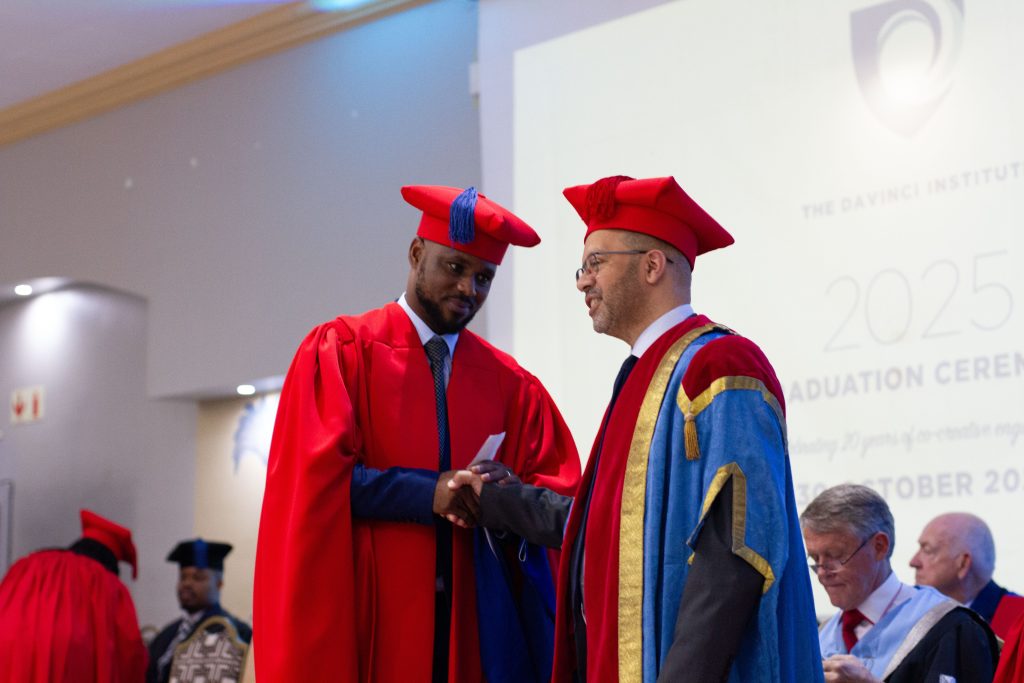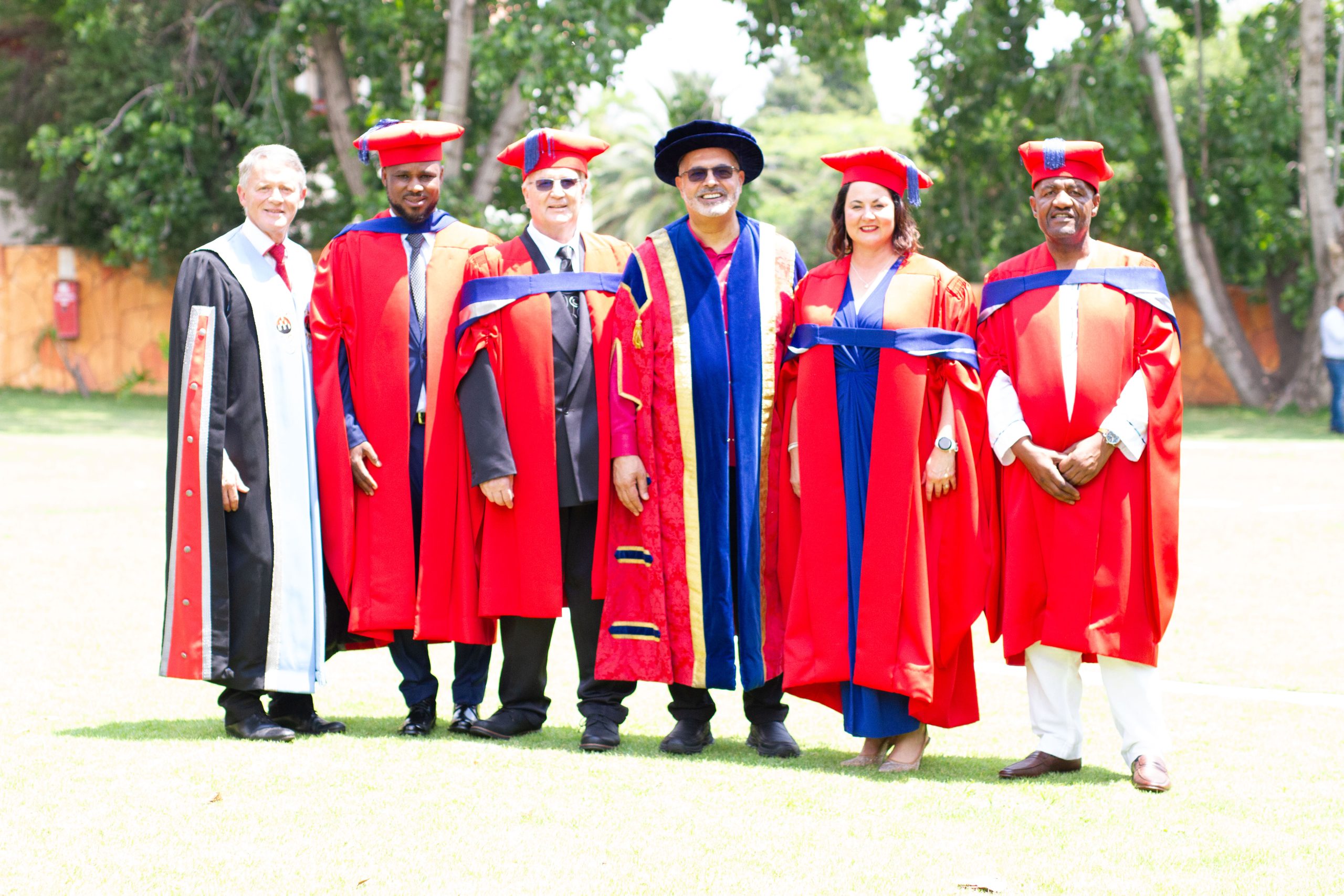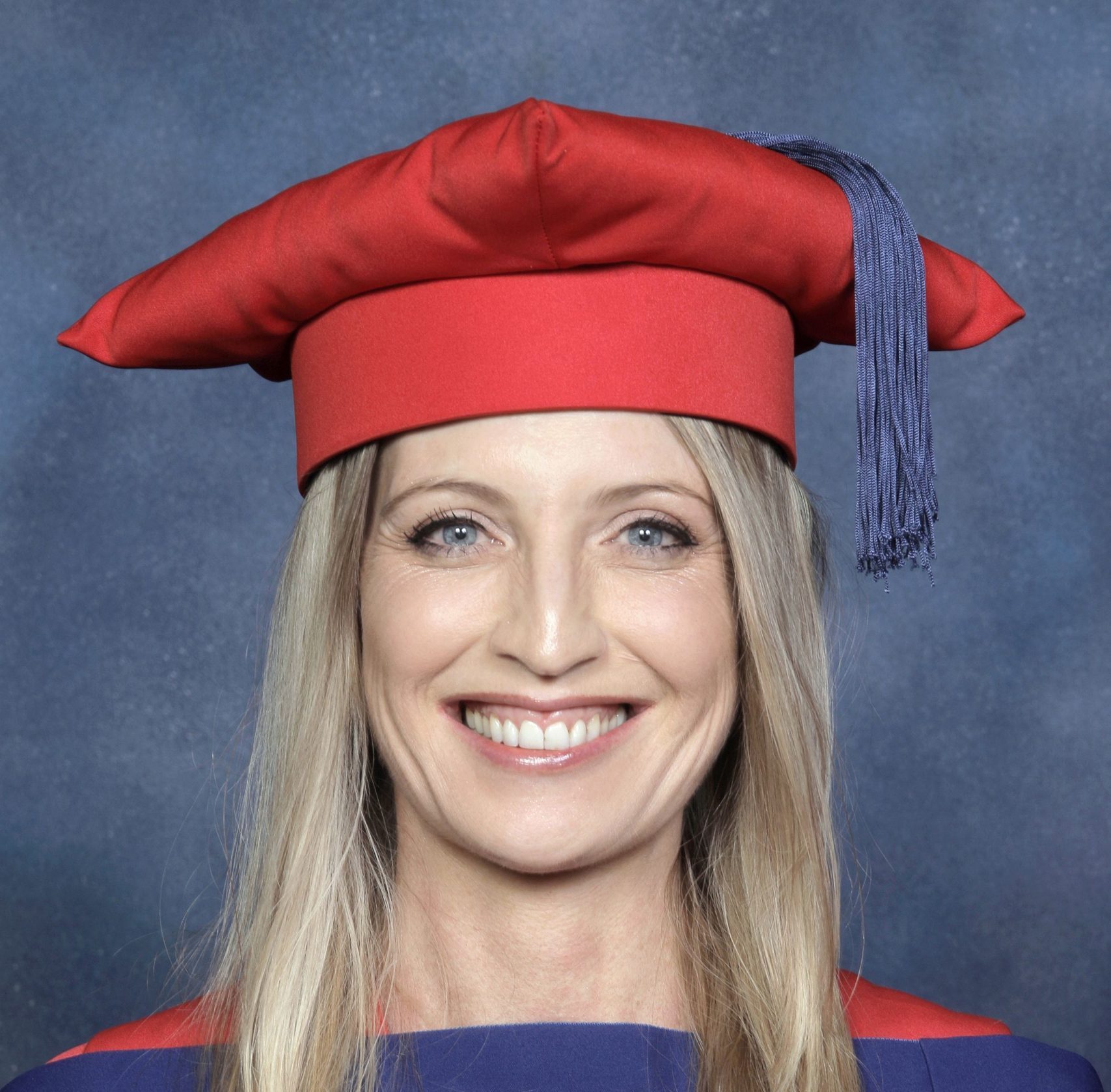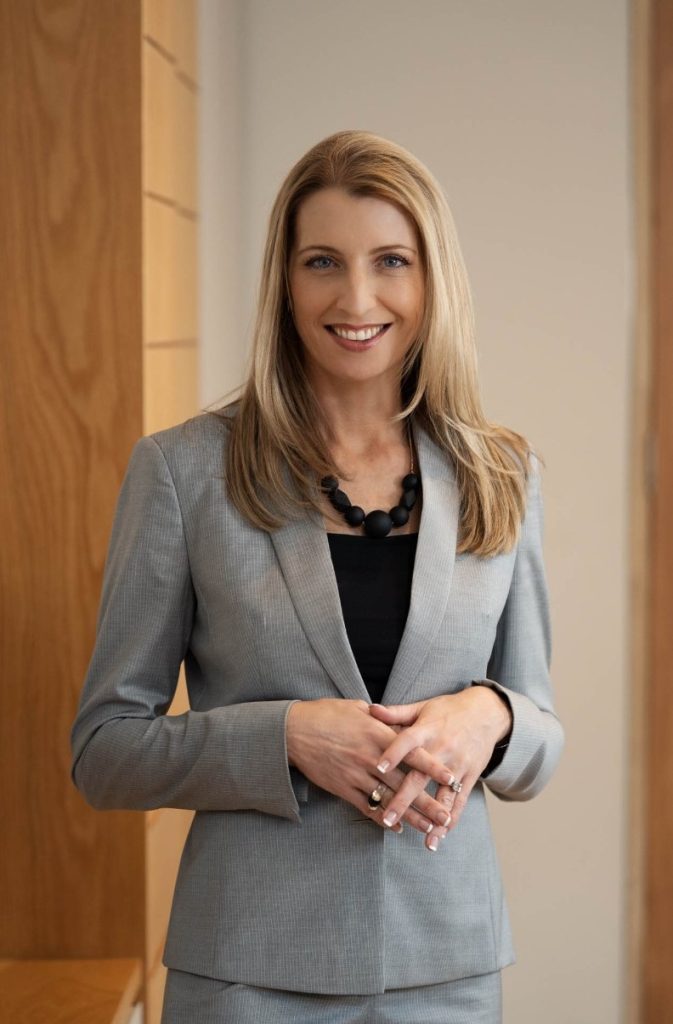
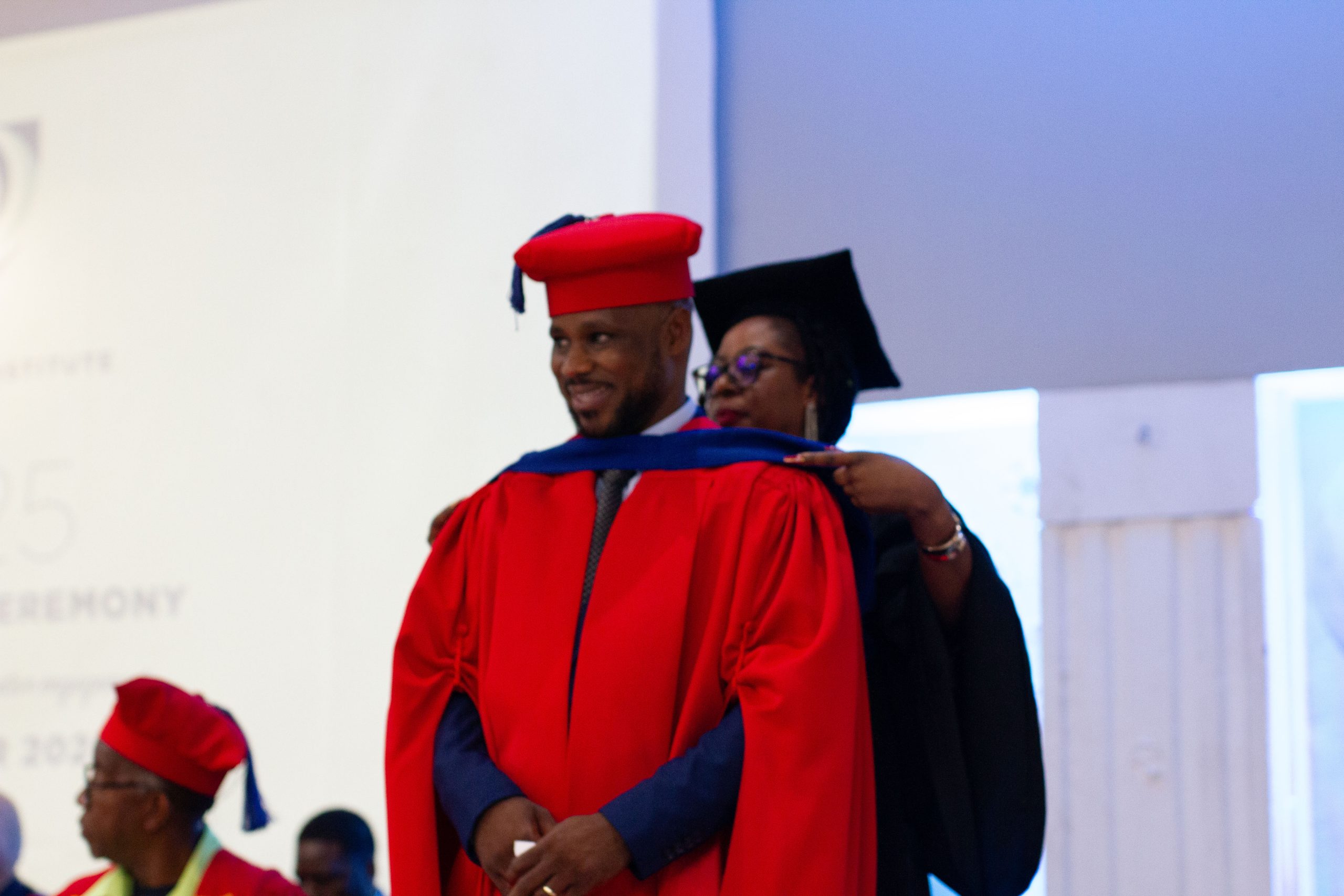
What do sports coaching realities look like in South Africa? Dr Desiree Vardhan’s doctoral thesis, “Sports Coaching Realities in South Africa: An Exploratory Study,” investigated the lived experiences of national athletes, sports coaches, and sports coaching leaders within the South African context. Conducted through The DaVinci Institute, it aimed to construct a grounded framework for developing an inclusive and professional sports coaching system suited to developing socio-economic contexts.
Purpose and Methodology
The study sought to understand the dynamics shaping sports coaching realities in South Africa. Using a qualitative, grounded theory approach, Vardhan collected data from 515 participants, including athletes, coaches, and leaders, through semi-structured interviews and focus group discussions. The analysis employed software to code, categorize, and derive key themes, ultimately informing the creation of a conceptual framework for systemic coaching development.
Key Findings and Themes
The study revealed five dominant themes reflecting the aspirations and challenges of South African sports coaching:
1. Developing an Inclusive, Fit-for-Purpose Coaching System
Participants emphasized the necessity of a system that is athlete-centred and coach-led, ensuring inclusivity, diversity, and access to education and employment opportunities. There was strong support for aligning coach development pathways with athlete development pathways and formalizing professional structures.
2. Cooperation and Collaboration Among Stakeholders
Stakeholders called for greater synergy between government bodies, sports federations, educational institutions, and funding agencies. Improved collaboration was seen as vital for ensuring resource distribution, policy alignment, and sustained professional growth.
3. Professionalisation of Coaching Practices
The research underscored the urgent need for professional standards, ethical codes of conduct, and formal recognition of coaching as a legitimate career. Participants advocated for national accreditation systems, peer-review mechanisms, and stronger leadership accountability.
4. Addressing Barriers to Professionalisation
Persistent barriers such as inadequate funding, policy gaps, lack of education opportunities, and poor implementation of frameworks were identified. Many stakeholders remained unaware of or disengaged from the South African Coaching Framework, highlighting a gap between policy intent and practice.
5. Embracing Global Coaching Practices
Participants stressed the importance of international benchmarking and knowledge exchange. They advocated integrating global best practices while maintaining local relevance, particularly through mentorship, networking, and continuous professional development.
Conceptual Framework for Sports Coaching Development
Vardhan proposed a systemic framework incorporating the five themes above. This model promotes open interaction between subsystems—such as education, funding, governance, and athlete development—illustrating a dynamic and interconnected ecosystem. The framework encourages self-improvement, sustainability, and global engagement, positioning coaching as both a profession and a developmental catalyst.
Conclusions and Recommendations
The study concluded that South Africa’s sports coaching environment requires a transformational shift toward inclusivity, professionalism, and sustainability. It recommends:
Legislative review to support professional regulation.
Capacity-building programmes for coaches and administrators.
Integration of coaching education across formal and informal learning spaces.
Strengthened collaboration between local and international sports bodies.
Implementation of continuous professional development pathways.
Significance of Sports Coaching
Dr Vardhan’s work contributes significantly to the discourse on sports development and management in Africa. By situating coaching within socio-economic realities, it provides a contextually grounded roadmap for reforming the sports ecosystem, bridging gaps between policy, practice, and lived experience.
In a world that is increasingly undefinable, Dr Morne Mostert embodies the reimagining of education’s purpose and practice. A long-time advocate for thinking as the highest form of human capability, he stands at the forefront of this transformation. In an interview with The DaVinci Institute doctoral alumnus, Dr Mostert explores the evolving purpose of education, the nature of applied learning, and the profound implications of artificial intelligence (AI) on human consciousness, creativity, and capability.
His reflections invite us to think beyond compliance-driven education and to cultivate learning systems that enable students not merely to know, but to think, imagine, and design for a shared future. Dr Mostert’s doctorate focused on an integrated approach to leadership development through systemic leadership learning.
The Future of Learning and the DaVinci Philosophy
Asked about DaVinci’s contribution to contemporary education, Dr Morne Mostert began by situating the institute within a broader global shift.
“The DaVinci Institute is not just another institution of higher learning. It represents a significant thinking movement, a deliberate effort to redefine learning as the process of expanding capability rather than accumulating information,” he said.
He shared that DaVinci’s focus on applied learning challenges the industrial-era assumption that theory precedes practice. At DaVinci, it is the reverse hierarchy. Practice is not a lower form of knowledge; it is simultaneously knowledge in action and generative of new knowledge
Dr Mostert argued that such an approach is essential in an age where the half-life of knowledge continues to shrink exponentially. Knowledge now expires faster than institutions can validate it. That means that education can no longer be thought of as transmission; it must be conceived of as transformation.
Thinking as a Capability
Throughout the conversation, Dr Mostert returned to the theme of thinking not as a generic skill but as a disciplined capability.
“When I speak about thinking, I do not mean merely cognition or logic. Thinking, particularly for senior executives, is the ability to make meaning in context, to integrate, to discern, to connect, and to imagine alternatives,” he shared.
He suggested that higher education often mistakes compliance for capability. Many institutions have become agents of obedience rather than agents of curiosity. Students learn to satisfy institutional criteria, but not necessarily to deploy thinking. That is why DaVinci’s emphasis on critical, creative, and systems thinking is so important. It restores learning as a deep human act of exploration.
According to Dr Mostert, the future belongs not to those who know the most, but to those who think best in ambiguity. In complex systems, prediction is impossible. What matters is the ability to sense, interpret, intuit and respond; to navigate meaningfully when certainty is no longer available. That is the advantage of thinking.
Artificial Intelligence and the Meaning of Human Learning
Turning to the rise of AI, Dr Mostert described it as both an opportunity and a profound philosophical challenge.
“Artificial intelligence already outperforms humans on many cognitive tasks. The question, therefore, is not whether we can compete, but whether we can collaborate and, more importantly, whether we can rediscover what is distinctly human,” said Dr Mostert.
As technology becomes pervasive, it is stirring the uncomfortable realistion that we may not know much about the nature, art and science of being human.
He noted that while AI excels at processing data, it cannot yet engage in contextual meaning-making. AI can simulate language, but it cannot experience. It can predict, but it cannot imagine with meaning. It can connect information, but it cannot connect emotion. That distinction between computation and consciousness is one of the new frontiers of education.
For Dr Mostert, this has radical implications for curriculum design. If machines can already do what institutions train students to do, then education must investigate what machines cannot: reflection, ethics, judgment, creativity, and the capacity to design alternative, more preferable futures.
On Systems Thinking and the Fifth Industrial Revolution
Dr Mostert emphasised that education must now be understood within a systems context.
“We are entering what some call the Fifth Industrial Revolution, an era that integrates technology with humanity. But this integration will succeed only if we think systemically, understanding that every action, every innovation, exists within a web of increasingly invisible relationships,” he said.
He elaborated that systems thinking is not about drawing circles and arrows. It is about perceiving wholeness, seeing how elements interact dynamically to produce emergent realities. It is the discipline of intellectual humility.
When asked how DaVinci embodies this approach, Dr Mostert highlighted its integrated model of Management, Leadership, and Innovation. He said DaVinci does not teach these as separate disciplines. It stimulates emerging insights through interdependent modes of thinking, managing complexity, leading meaningfully, and innovating responsibly.”
He added that this orientation prepares students for the ethics of the new economy.
“We cannot talk about innovation without discussing consequences. Systems thinking compels accountability, the recognition that every design has circular ripple effects. That is what distinguishes a technologist from a responsible innovator,” he said.
Purpose, Curiosity, and the Co-Creation of Knowledge
At the heart of Dr Mostert’s philosophy is the belief that education should be a co-creative process.
“Institutions do not own knowledge, but knowledge is co-created in dialogue, between learner and facilitator, between theory and practice, between self and society,” he explained.
He noted that DaVinci’s learning model encourages curiosità, a Leonardo-inspired concept of disciplined curiosity. When asked how learners can cultivate this balance, Dr Mostert emphasised the importance of bold curiosity and humble self-direction. He added that to direct yourself is to take responsibility for your learning journey, to interrogate assumptions, to frame your own challenges, and to pursue meaning rather than mere achievement.
The Role of the Educator in a Changing World
On the evolving role of educators, Dr Mostert was clear that in the new paradigm, the educator is not a transmitter of knowledge but a designer of learning experiences. The task is to create conditions where higher-order thinking can occur.
“This means educators must themselves become thinkers able to model curiosity, critical reflection, and ethical judgment. You cannot teach thinking if you are afraid of ambiguity. The educator’s power now lies not in having the answers but in framing stimulating questions,” he said.
Dr Mostert also warned against the commodification of education; adding that when learning becomes a product, curiosity dies. True education is not transactional; it is transformational. It is about awakening capability, the capacity to generate new possibilities in a rapidly changing world.
Reimagining the Future of Education
Asked to imagine the future of higher education, Dr Mostert responded thoughtfully. The future will not be defined by buildings, timetables, or credentials. It will be defined by networks of thinking, communities of practice united by curiosity and purpose.
He envisaged learning environments where technology supports contextual intelligence rather than replaces it.
“AI will not be the teacher; it will be the mirror, reflecting our thinking to us. It will challenge us to ask better questions,” he said.
Finally, he believes that the future of education depends on our ability to re-humanise learning. The next revolution is not digital; it is existential. He added that we must decide what kind of species we want to be in a world of intelligent machines. Education is the instrument through which that decision is made.
Closing Reflection: Dr Morne Mostert
Dr Morne Mostert’s reflections remind us that the true frontier of education lies not in technology, but in thought. As The DaVinci Institute continues to nurture thinkers, innovators, and leaders capable of navigating complexity with wisdom and care, its challenge is both timely and profound: to reclaim education as the art of thinking, the discipline of meaning-making, and the moral practice of designing a humane future.
The DaVinci Institute proudly congratulates Sinaye Mgolombane, one of our faculty members, on his appointment to the GAPPS Board of Directors, effective 1 July 2025. This significant milestone reflects his exceptional leadership and dedication to advancing the project management profession, both in South Africa and on the global stage.
Recognising an Accomplished Leader
Mgolombane is a distinguished Project Management Professional, Business Executive, Digital Transformation Champion, and Environmentalist based in Johannesburg. With over two decades of experience across sectors including transport, financial services, construction, defence and petrochemicals, he has successfully led complex and large-scale strategic programmes that have shaped industries and driven meaningful impact. Beyond his role at The DaVinci Institute, he serves as the Chairman of the Board of Directors for PMSA, where he continues to champion excellence and innovation in the field.
Championing Project Management in Africa
A passionate advocate for project management in Africa, Mgolombane has authored widely read articles such as “The Impact of AI in Infrastructure Development” and “Strategic Project Governance in a Non-Projectized Environment: A South African Perspective”, published in the PM World Journal. He has also delivered thought-provoking talks on topics such as strategy implementation through projects, inspiring professionals across the continent.
About GAPPS and Its Global Role
The Global Alliance for the Project Professions (GAPPS) is a nonprofit organisation that provides independent benchmarks for project management standards and assessments. Since 2003, it has brought together government, industry, professional associations, qualification bodies and academic institutions to build a shared global framework for project management. PMSA is one of GAPPS’s founding members, and this appointment further strengthens the connection between African leadership and the global project management community.
Through this directorship, Mgolombane will help advance the international recognition of PMSA designations and contribute to shaping global standards for the profession.
“I am honoured to join the GAPPS Board of Directors and look forward to contributing to its continued success. I am particularly drawn to the organisation’s commitment to thought leadership in project, programme and portfolio management, and I am eager to work alongside the talented team to achieve its objectives,” he shared.
The DaVinci Institute celebrates this remarkable achievement and extends heartfelt congratulations to Sinaye Mgolombane. His appointment is a source of pride for our academic community and a reflection of the calibre of leaders who form part of The DaVinci Institute.
Monica Palesa Mofokeng’s success story is one of DaVinci’s proud contributions. She enrolled with The DaVinci Institute back in April 2022 as a Higher Certificate student. At the time, her focus was mainly on pursuing her studies. However, she would later see an opportunity to join the institute as an intern.
At The DaVinci Institute, internships are not just opportunities; they are launchpads. The institute has a unique way of absorbing talented interns into permanent roles, creating real opportunities for young people to grow their careers. By bridging academic learning with workplace experience, DaVinci plays an active role in tackling youth unemployment, ensuring that skills gained in the classroom are not only applied but also nurtured in a professional setting.
Journey From Student to Staff Member
When Mofokeng joined The DaVinci Institute in April 2022 as a Higher Certificate student, she had no idea just how much it would change both personally and professionally. From day one, Mofokeng was drawn to DaVinci’s unique approach to education, one that blends innovation, critical thinking, systems thinking, technology, and real-world application.
“As I progressed in my studies, I was offered an internship. That’s when my journey truly began to transform. I was thrown into projects across different departments, gaining hands-on experience and building relationships that still mean a lot to me today. What struck me most was that DaVinci’s values weren’t just printed in brochures, they were lived out daily, in every conversation and decision,” she shares.
Coming from the corporate world, the culture shift was refreshing. Challenges were met with creativity and empathy. Collaboration was not just encouraged; it was a way of life that she found in DaVinci.
Lessons That Shaped Monica Mofokeng
During her internship, she sharpened skills she still relies on today, including clear communication, active listening, academic writing, and modern IT knowledge. Having completed her qualification in 2011, Mofokeng had not had many opportunities to use her academic skills until DaVinci gave her the platform to relearn and adapt to a changing digital world.
“A pivotal figure in my growth was Alpheus Smit, who patiently guided us through DaVinci’s systems and operations. His mentorship deepened my understanding and made me love my work. When he unexpectedly left, I had to step up fast. With limited knowledge, I kept things running. It was daunting, but it taught me resilience, problem-solving, and self-belief,” she explains.
One defining moment was when I was asked to train my new line manager on the system. That’s when it hit me: I had mastered most administrative processes, could troubleshoot on my own, and resolve 98% of logged tickets. That confidence made my transition from intern to permanent staff in 2024 feel natural and earned.
Inside DaVinci’s Work Culture
Four things stand out about DaVinci’s culture:
Personal and academic development go together here.
From day one, I felt like part of a team that valued mentorship and knowledge-sharing.
Even as an intern, my work mattered.
New ideas are welcomed, and many of mine were put into action.
Life Now
“Today, I work across academic, operations, and marketing departments, helping ensure that everything we do has real impact. I am not just a graduate; I am part of the team shaping the institute’s future,” Mofokeng explains her journey.
Looking Forward
She wants to deepen her leadership, innovation, and human-centred design skills while staying true to values like empathy, integrity, and curiosity. She hopes to inspire others through action, just as she was inspired when she first walked through DaVinci’s doors.
“My journey from student to intern to permanent staff shows what can happen when opportunity meets dedication. At The DaVinci Institute, I didn’t just earn a qualification. I found my purpose,” she says.
Leadership has emerged as a defining skill in a world where workplaces are constantly evolving, demanding purposeful action and authentic human connection. For The DaVinci Institute’s doctoral candidate, Gizelle Mc Intyre, a learning and development specialist and passionate advocate for coaching in the workplace, leadership begins with understanding the human being behind every role.
The Power of Coaching
Mc Intyre shared that coaching sits at the heart of what she does. She indicated that her role is to engage leadership and keep them engaged. When you strengthen leadership, you strengthen the organisation.
Her doctoral research explores how structured coaching programmes for managers can encourage engagement, boost productivity, and build workplaces where people want to come to work.
“It starts at the top. When leaders are positive and engaged, that energy filters down to everyone else,” she says.
Mc Intyre’s approach is strengths-based, focusing on what people can do, rather than what they cannot. She added that we spend too much time fixing weaknesses. When built on strengths, those weaker areas take care of themselves.
“My research formalises what I already practise daily, helping organisations make coaching accessible, effective, and measurable,” she says.
She adds that the challenge is that while most organisations acknowledge that coaching works, few implement it consistently. It is easy to say that coaching is important, but it is harder to embed it in the culture. Her goal is to make it simple and practical.”
Building Better Managers and Leaders
Mc Intyre draws a clear distinction between management and leadership. Managers oversee policies and processes. Their role is to manage people and systems within a framework. Leadership, however, is about purpose, influence, and direction; it is situational and human centred.
She cautions that many organisations promote technical experts into management roles without preparing them for the people dimension.
“Being great at your job does not mean you will be great at managing others. Many end up frustrated because they’re no longer doing what they love,” she says.
Mc Intyre said true leadership is about humility and vision. The best leaders admit when they do not know something and focus on guiding others. Leadership isn’t tied to a title; it can emerge at any level of the organisation.”
For Mc Intyre, the ideal workplace is one where managers are also leaders, creating “pockets of excellence” defined by engagement, productivity, and shared purpose.
Making Coaching Accessible
Although coaching is gaining global recognition, Mc Intyre believes awareness and access remain limited, especially in South Africa. If you read about the world’s top entrepreneurs and executives, most have coaches. Yet coaching is still seen as something for senior leaders only. That should not be the case; everyone deserves access to coaching.”
As a member of the management committee of COMENSA (Coaches and Mentors of South Africa), Mc Intyre is helping to professionalise the field and expand its reach.
“People often do not understand the difference between coaching and mentoring. Both are critical to personal and professional growth, and everyone should experience them at some stage in their lives,” she says.
Leadership Over Management
Asked whether South Africa needs more leaders or more managers, Mc Intyre does not hesitate.
“We need more leaders,” she says.
She aligns leadership with personal mastery and service. Leadership is about being the humble servant, as Nelson Mandela described. Management ensures order; leadership inspires progress. The combination of both is where transformation happens.
She argues that leadership development is not just about improving organisational performance; it is about restoring humanity to the workplace. Policies and processes are important, but people execute them. Leadership connects with the human being behind the task.
Bridging the Gap Between Study and Work
Drawing from her experience in recruitment, Mc Intyre highlights a growing mismatch between academic preparation and workplace expectations. Adding that, many graduates come in with unrealistic expectations. They believe a qualification guarantees a top job, but your degree only knocks on the door; the rest is up to you as the candidate.
“In our marketing department, interns start with three months in counter sales. When they ask what that has to do with marketing, I explain, “Everything they market comes from what we sell,” she says.
Mc Intyre also notes a lack of exposure to working environments among young people. Some have never known anyone who works, so they do not understand basic workplace norms. That is not arrogance; it is inexperience. We need to guide them, but institutions of higher learning also need to do more to bridge that gap.
The transition from study to work, she warns, can be jarring.
“When I studied, no one spoke about the real world, it was all theory. Without preparation or mentorship, that leap can be overwhelming,” she explains.
The AI Reality
On artificial intelligence, Mc Intyre is pragmatic, as it is the next bulldozer. It will change how we work, not end work.
She rejects the notion that technology inherently destroys jobs. She adds that when bulldozers replaced manual trench digging, people did not stop building instead they trained people to design, maintain, and operate the machines. AI is the same.”
In human resources, AI can streamline administrative tasks, freeing professionals to focus on strategic and relational work.
“AI won’t replace HR, it will make it more effective. The key is learning, unlearning, and relearning. Every generation has faced change; this is ours,” she says.
Mc Intyre uses AI tools daily, from screening over 12,000 CVs a month to improving communication through platforms like Grammarly. She believes it is not about replacing people, it is about improving efficiency. The challenge is teaching people to adapt and use AI wisely.
Leadership for a Changing World
For Mc Intyre, the future of work demands leaders who are both empathetic and adaptable. Leadership is about purpose, connection, and courage. When we invest in people, not just their skills, but their humanity, we build organisations where everyone thrives.
The DaVinci Institute is driven by purpose, aligned with one of its core objectives: to become an employer of choice. The story of our HR Project Administrator, Olerato Mmolai, is a testament to the Institute’s commitment to its people. From intern to permanent staff, she was given an opportunity that restored her hope.
Struggle With Employment
Like many young people in South Africa, Mmolai was no stranger to the struggle of finding employment. However, DaVinci gave her hope during a difficult time in her life. At her alma mater (Eduvos), there is an employability department, and from time to time, the coordinator sends out job adverts for entry-level positions.
The turning point came when she received a personal email about an internship opportunity with The DaVinci Institute.
“I was a bit hesitant at the time because, one, I had not heard of the Institute and the SETA that was responsible for my induction. Two, I was going through an exceedingly difficult time in my life, so looking for a job was the last thing on my mind. Still, I just thought, let me apply and see what happens,” she stated.
Little did Mmolai know that DaVinci would become her destination of choice. She secured an internship at the Institute, which later developed into a permanent position.
“My journey at the Institute went by very quickly, and a lot has happened. But most importantly, I have learned a lot in the little time that I have been here,” she added.
Mmolai’s Experience as an Intern
Mmolai’s experience as an intern at DaVinci had its difficulties, but within just a year, she had gained invaluable insights, even navigating a transition in management. She was exposed to many real-world experiences that she had never encountered in textbooks or classrooms.
It was not an easy journey, it was challenging. There were days when she doubted the stream she had chosen.
“When the good days came, it made it all worth it. Not forgetting the emotions and mental effect, People Management can put you in, it takes a strong person to pull themselves out of it and remember what the point of it all is. It has been both fulfilling and insightful,” stated Mmolai.
Turning Point in Her Career
Some of Mmolai’s greatest achievements came during her internship when she had the chance to contribute to the well-being of employees.
“This is something that is often overlooked yet important. It is a privilege to nurture and prioritise people because, in a world where there are many problems and conflicts, work should not contribute to that burden but instead be a peaceful and healthy environment where we can thrive and be at our best,” she said of her role in People Management.
Mmolai’s Reflection
According to Mmolai, being an intern can be challenging because people sometimes assume interns are incapable of doing the job. Fear nearly became an obstacle to her progress, especially during moments when she was afraid to respond to questions.
“I should have spoken up to those who doubted me. When I was asked questions, I chose not to answer because of the fear of misunderstanding the question asked. I would not change anything because I asked the relevant questions at the right time,” she explained.
Long-Term Vision
With the hands-on experience she gained at DaVinci, Mmolai now believes entrepreneurship is the path she wants to pursue. At DaVinci, we empower leaders to contribute meaningfully to society, with prosperity as one of our objectives.
“I see myself building an empire alongside my mother, who is an HR Manager in one of the Chapter 9 institutions, and assisting companies that do not have an in-house HR department. I also plan to study further. Since my degree is a double major, I might stream off into becoming a psychometrist,” stated Mmolai.
Tebogo Thabethe is a shining example of how The DaVinci Institute empowers its staff to grow into effective leaders. His journey from Graphic Design Intern in 2024 to leading the tt100 Business Innovation Awards Programme as Project Manager a year later is a true testament to the Institute’s commitment to professional development and innovation.
Tebogo Thabethe’s Background Before DaVinci
Tebogo Thabethe: tt100 Project Manager
During his second year at Nelson Mandela University, he joined Enactus, the student entrepreneurship society, a global network of leaders committed to using business as a catalyst for positive and social environmental impact. Being part of Enactus gave him practical experience in managing projects, articulating ideas, and creating presentations.
“Interestingly, my journey in Enactus evolved from being the IT and Design Officer to eventually becoming the President. In my final year, I was a Chief Innovation Officer (CIO), simply because there was no position for me after serving as president. I wanted to continue contributing meaningfully, so we created the CIO role and I transitioned into it the following term,” says Thabethe.
Experience At DaVinci
When Thabethe joined the institute as an intern, he shared that he found that the organisation was relatively new and small, very different from the government university space he had known before, where there were many people and layers.
Here, things were more intimate, which made it a fertile ground for exploration.
“I found that working with Executive: Marketing, Branding and Communication, Ofentse Rapakgadi, was very open-ended. If I had an idea, I would be encouraged to explore it, test it out, and see how far it could go. That kind of freedom and innovation is what I liked,” Thabethe shared of the internship experience.
There were deliverables he had to focus on. The journey was not always smooth. When his line manager went on maternity leave, he got a new line manager, and that was a tough transition. It was not terrible, but it was challenging.
There he had to prove his value all over again, to remind himself why he was here. The real challenge was navigating the transition from the previous visual direction, a corporate business school direction, to a black, blue, and white AI-inspired approach that felt futuristic..
“My former line manager had pushed the AI-inspired visual direction, but the new conversation was around whether this was suitable for our audience. Were we not alienating the mature students we served?” tells Thabethe.
We ultimately agreed to go with what the new line manager requested and realised that to move forward, we needed to align with management’s expectations and see how far their vision could take us.
tt100 Role – Project Manager
About a year later, Thabethe transitioned from his role in marketing as a graphic design intern to project manager, capitalising on an opportunity that arose internally.
“A good colleague of mine was leaving, and I casually asked if I could take over his role. He encouraged it. I spoke to my line manager about it, and she motivated the move, saying it aligned with my entrepreneurial outlook,” Thabethe shared.
Thabethe reached out to the CEO, Prof Ben Anderson, about the opportunity at tt100. Prof was inspired by his experience and confidence, and gave him a chance, although he had to prove himself. According to Thabethe, that opportunity was crucial. It gave him a chance to showcase what he could do beyond design.
“The knowledge I brought with me from Enactus helped. Managing tt100 projects now feels similar in some ways to the projects I managed back then, only on a larger scale, with a more professional audience. I was not fully aware of the challenges I would face, but I understood the processes required to get things done and deliver,” Thabethe shared.
A Change Thabethe Could Bring
When asked about what he wishes to change at DaVinci.
“If I could change one thing, it would be getting everyone to see this place as I do, as a space for entrepreneurial scientists. We are currently piloting a project called the “Structured Incubated Entrepreneurial Development Programme tailored for Food Producers and Food Manufacturers”, the first of its kind. We are testing, experimenting, and innovating. If everyone here could embrace that mindset, things would be so much easier. It is a co-creative environment, delivery is important, and the how is all to be innovative. When I have an idea, Executive: Business Development, Dr Sam February will say, “Run with it and see how far it goes.” Which makes this a truly co-creative space,” he shared.
The Biggest Lesson In His Career
The biggest lesson he has learned and now shares with others is failing quicker, which is common although not spoken about often, and because of that, people do not realise how many times you need to fail until you succeed at something. Thabethe emphasizes that failure is where critical learning happens.
“I do not need to know everything upfront, but I will go home, study, and come back ready. That is how I continue staying relevant,” he shared.
In reflecting on what he is mostly grateful for in this journey, it is intellectual stimulation. This environment has challenged him to expand his thinking to co-create.
“Our CEO often challenges us, questions on the spot, and I have grown to enjoy those moments. It pushed me to be more thoughtful, creative, and engaged. People here are open to sharing knowledge and listening. There is a culture of curiosity, what they call “problem probing,” to actively investigate, analyses, and address complex organisational challenges,” stated Thabethe.
Where does ICT skills development fit into solving South Africa’s youth unemployment crisis?The DaVinci Institute alumnus, Siviwe Kase’s Dissertation (2022) study explored that South Africa faces one of the highest youth unemployment rates globally, with over 60% of jobseekers between ages 15 and 24 unable to find work. Despite numerous government-led interventions, such as learnerships, youth entrepreneurship, and service programmes, these efforts have not meaningfully reduced the unemployment crisis. The disconnect between training and labour market needs remains a key obstacle.
The COVID-19 pandemic further deepened this challenge, shrinking the economy and exposing the country’s dependence on low-skill sectors. Consequently, the urgent need for coordinated investment in digital and ICT-related skills has become a national priority.
Purpose of the Study
Kase’s research investigated the role of the private sector in promoting ICT skills development for youth employment, focusing on learnership programmes under the Media, Information, Communication and Technology Sector Education and Training Authority (MICT SETA). The study specifically explored Gauteng-based ICT firms, training providers, and learners to understand how private-sector-led learnerships can bridge South Africa’s digital skills gap.
The central question is: What is the current state of the ICT learnership system, and what factors affect its effective implementation?
Methodology: A Mixed-Methods Approach
Using a pragmatic mixed-method design, Kase combined qualitative interviews (with ICT companies, MICT SETA officials, and training providers) and quantitative surveys (from learners completing ICT learnerships). This approach enabled a comprehensive analysis of stakeholder experiences, programme outcomes, and systemic challenges.
Key Findings
Low Employer Participation and Satisfaction:
Many ICT employers expressed dissatisfaction with the current learnership system, citing poor support, lack of accountability, and corruption within SETAs. However, most still regarded learnerships as a valuable mechanism for developing industry-ready talent.
Systemic Barriers:
Challenges include mismanagement of skills levies, weak monitoring systems, and learners enrolling in multiple programmes mainly for stipends rather than long-term employment outcomes.
Youth Experience:
Learners valued the practical experience gained through ICT learnerships but expressed frustration over inconsistent programme quality, limited job placement opportunities, and inadequate mentorship.
Impact of the Private Sector:
Despite limited scale, private companies that actively engaged in skills development saw tangible benefits, such as improved productivity, innovation, and employee retention—showing the business case for sustained participation.
Theoretical Contribution and Framework
The study applies The Da Vinci Institute’s TIPS Framework (Technology, Innovation, People, and Systems) to illustrate how integrated management of these four domains enhances organisational agility, alignment, and engagement. Kase argues that applying such models within ICT learnerships could improve coordination and innovation across the skills ecosystem.
Recommendations: ICT Skills Development
Reform the SETA system to improve governance, accountability, and transparency.
Create a collaborative model between government, SETAs, and the private sector to ensure learnerships are responsive to industry needs.
Incentivise private sector participation through tax benefits, innovation grants, and recognition frameworks.
Implement better monitoring and evaluation to track learner outcomes and programme impact.
Promote long-term partnerships between employers and training institutions to ensure continuous upskilling aligned with digital transformation trends.
Building a Digital-Ready Workforce
The study concluded that the private sector is critical to unlocking youth employment through ICT skills development, but its potential remains underutilised due to structural inefficiencies. Strengthening collaboration, improving implementation, and aligning learnerships with industry demand could transform South Africa’s digital economy and meaningfully reduce youth unemployment.
The research not only contributed to academic discourse but also offered a roadmap for policy and practice, calling for a renewed public–private partnership model that empowers young South Africans with the skills needed for the F
The DaVinci Institute’s Head of Faculty: Innovation Management and Head of Programme: Bachelor of Commerce, Dr Mamohau Sekgaphane’s thesis, Towards REBIRTH in Organisational Change and Development, presents a pioneering framework for inclusive organisational transformation rooted in African philosophy and integral research methodology. Centred around her work at FNB Private Wealth Client-Servicing, the study introduces REBIRTH, a holistic transformation journey that integrates self, community, and organisation to drive social innovation and ecological balance.
From Personal Journey to Organisational Renewal
The thesis intertwines three interconnected journeys:
Personal Rebirth – Dr Sekgaphane’s self-discovery and grounding in authentic African identity.
rebirth (lowercase) – The transformation journey within FNB’s business unit, aimed at reviving organisational performance and culture.
REBIRTH (uppercase) – A replicable organisational change and development (OCD) methodology that serves as her academic and practical contribution to the field.
Grounded in Botho-Ubuntu, REBIRTH reclaims African values of humanity, interdependence, and community as the foundation for sustainable organisational change.
The 4C Integral Journey: A Framework for Transformation
Dr Sekgaphane’s research draws from Lessem and Schieffer’s 4C Integral Framework, Call, Context, Co-creation, and Contribution, to guide the REBIRTH process:
Call (South): Grounding in identity, purpose, and the human spirit.
Context (East): Understanding environment and communal foundations.
Co-creation (North): Collaboration through Communities of Practice (CoPs) to identify problems and innovate collectively.
Contribution (West): Effecting sustainable transformation and social innovation.
This cyclical journey mirrors the African womb metaphor, symbolising regeneration, wisdom, and interconnectedness.
REBIRTH as a Methodology for Inclusive Transformation
REBIRTH offers a Southern-based organisational change and development model that contrasts Western technocratic approaches. It integrates eight human aspects, spiritual, emotional, intellectual, moral, physical, work, social, and leadership quotients, to develop holistic, conscious leaders.
The model employed Participatory Action Research (PAR) and Integral Research Approach (IRA), ensuring transformation emerges from within the organisation through shared dialogue, storytelling, and cultural reconnection. These methods enable authentic participation and community ownership of change.
Applying REBIRTH at FNB Private Wealth Client-Servicing
Faced with declining performance and reputational risk, FNB Private Wealth Client-Servicing became the testing ground for the REBIRTH transformation journey. Through Communities of Practice, employees collaboratively explored identity, purpose, and inclusion, guided by the unit’s philosophy, “I Care, I Can, I Commit.”
The initiative redefined leadership through a maternal, inclusive lens, promoting empathy, ethics, and collective accountability. This approach not only revived organisational culture but also enhanced innovation, client service, and employee engagement.
Towards a New Science of Organisational Change
Dr Sekgaphane positioned REBIRTH as a new science of Organisational Change and Development, blending indigenous wisdom, spiritual intelligence, and systemic innovation. It proposes that true transformation occurs when organisations reconnect with their humanity and the ecology around them.
REBIRTH, therefore, is not merely a methodology; it is a movement towards inclusive transformation, offering a uniquely African contribution to global organisational thought. It calls for enterprises to re-engage with identity, community, and moral consciousness as pathways to social and economic renewal.
Africa’s Gift to the World: Organisational Change
In conclusion, echoing Steve Biko’s vision of Africa giving the world “a more human face,” Dr Sekgaphane’s REBIRTH thesis positions the continent as a wellspring of integral, humane leadership and organisational wisdom. Through REBIRTH, she demonstrates that transformation begins within, through identity, community, and the rediscovery of our shared humanness.
The DaVinci Institute’s alumna, Dr Carin Stoltz-Urban’s study explored why non-traditional postgraduate students, typically older, working adults with family and community responsibilities, struggle to complete their studies. It also develops an institutional framework aimed at enhancing their success and retention in African higher education contexts. Using a grounded theory approach, the research draws on literature, interviews, and focus groups conducted across South Africa, Kenya, and Zimbabwe.
Key Challenges Facing Non-Traditional Students:
Balancing Work, Study, and Family
Many non-traditional students juggle demanding careers and family obligations. While workplace support can positively influence success, inflexible schedules and a lack of employer understanding often hinder progress.
Emotional and Psychological Strain
Students reported high levels of stress, anxiety, and discouragement. Feelings of uncertainty about academic ability were common, often tied to low academic self-efficacy and inadequate preparation for postgraduate demands.
Academic Literacy and Integration
Lack of academic writing and research skills was identified as a major barrier. Students struggled with understanding academic expectations at the postgraduate level, highlighting the need for stronger academic induction and literacy support.
Institutional Factors Influencing Success
Service Orientation and Flexibility
Institutions’ attitudes and responsiveness to student needs play a critical role. A student-centred culture, flexibility in access to resources, after-hours support, adaptable payment structures, and consistent communication are key enablers of success.
Management and Administration
Strong institutional management, including staff accountability, effective communication, and monitoring of student progress, supports retention. Administrative inefficiencies, in contrast, contribute to frustration and attrition.
Social and Academic Integration
While traditional models of social integration may not fully apply to non-traditional students, fostering a sense of belonging through peer support and friendly, accessible staff enhances motivation and persistence. Academic integration through clear induction and mentoring remains essential.
The Role of the Academic Supervisor
Supervisors emerged as pivotal to postgraduate success. Effective supervisors balance expertise with mentorship, provide timely feedback, maintain open communication, and offer emotional encouragement. Their accessibility and administrative efficiency significantly affect student progress.
The Proposed Institutional Framework
The framework positions the student as the centre of a multi-layered ecosystem:
Microsystem: The student’s personal skills, motivation, and resilience.
Mesosystem: Personal and family contexts influence emotional and logistical support.
Exosystem: Institutional environment, including supervisor relationships and service quality.
Macrosystem: Broader socio-economic and national education context.
Institutions should adopt a holistic, student-centred approach focusing on:
Enhancing academic self-efficacy, resilience, and self-regulated learning;
Providing flexible, responsive services and clear communication;
Strengthening management accountability and progress monitoring;
Building supportive academic and social networks;
Ensuring qualified, engaged supervisors.
Limitations and Recommendations
The study’s findings are grounded in three African countries and may need broader validation. Future research should explore non-traditional student experiences at the undergraduate level and develop a dedicated framework for academic supervision.
Conclusion: Non-Traditional Postgraduate
Dr Stoltz-Urban concluded that while student attributes, motivation, resilience, and self-efficacy are vital, the primary responsibility for enabling success rests with institutions. Universities must consciously design systems that accommodate the complex realities of non-traditional postgraduate students. A culture of flexibility, accountability, and empathy can transform retention outcomes and strengthen Africa’s postgraduate education landscape.