Author: The DaVinci Institute

  • Gain Skills for Exponential Business Growth with our Management Development Programme (MDP)

    Gain Skills for Exponential Business Growth with our Management Development Programme (MDP)

    Are you ready to advance your career and thrive in today’s ever-changing business landscape? We have exciting news for you! The DaVinci Institute is thrilled to announce the launch of a Management Development Programme (MDP) focused on Building and Managing Exponential Business.

    Designed to Empower Present and Future Leaders

    Starting in September 2023, our 12-week Management Development Programme is specifically designed to empower present and future leaders like you with the essential managerial skills and a deep understanding of exponential business growth. We know that navigating through change and driving growth can be challenging, so our comprehensive curriculum is tailored to address the complexities of today’s business world.

    Flexible Blended Learning Approach for Busy Professionals

    What makes our MDP truly unique is its relevance to today’s business landscape and its blended learning approach. We understand your busy schedule, so we offer a mix of on-campus and online delivery, allowing you to learn at your own pace while benefiting from interactive discussions and hands-on experiences. With the flexibility we provide, you can balance your professional and personal commitments while investing in your future success.

    Comprehensive Curriculum for Building and Managing Exponential Businesses

    The six modules for our Management Development Programme cover various topics crucial for building and managing exponential businesses. From fostering innovation and leveraging emerging technologies to developing effective leadership strategies, you’ll gain the skills and knowledge needed to overcome challenges and drive growth in your organisation.

    Applications Now Open for Both Intakes of the Management Development Programme

    Applications for the first and second intakes of our MDP are now open. We encourage individuals from diverse backgrounds and industries to apply and join our remarkable community of like-minded professionals. We believe in the power of collaboration and diverse perspectives to fuel innovation and create exponential impact.

    Investing in your professional growth has never been more accessible. The programme fee for our MDP is R35,000, offering exceptional value for the transformative knowledge and expertise you’ll gain. Upon completing the programme, you’ll receive a certificate from the DaVinci Institute, recognising your commitment to personal and professional development.

    Key Details for the Two Intakes of the MDP

    Here are the key details for the two intakes of our MDP:

    • Applications Open: 1 July 2023
    • Applications Close: 1 September 2023
    • Programme Starts: 4 September 2023
    • Programme Ends: 27 November 2023

    Apply or Enquire Now and Connect with Our Dedicated Team

    To apply for our MDP or obtain more information, we invite you to contact our dedicated team at mdp@davinci.ac.za. We’re here to answer your questions and support you throughout your learning journey.

    At the DaVinci Institute, we’re committed to unlocking your potential for exponential success and co-creating remarkable learning journeys. Join us in this exciting venture, connect with a community of remarkable professionals, and embrace the challenges and opportunities of the future. Your journey toward personal and professional growth starts now!

  • Alumnus in the Spotlight: Dr Tonny Mhondiwa

    Alumnus in the Spotlight: Dr Tonny Mhondiwa

    We had the opportunity to connect with our doctoral alumnus, Dr Tonny Mhondiwa, who enthusiastically shared his professional journey, insights from his academic research, and his future aspirations. In this Q&A, Dr Mhondiwa emphasises his unwavering commitment to continuous learning and his indebtedness to transferring lessons and skills learnt from his academic journey with our business school, DaVinci.

    I am an electrical engineer and project manager with experience in technology and innovation, operations, financial management and asset management at various organisations. Currently, I am the engineering and projects manager for the Western Cape region at Transnet Port Terminals. I am also the current Innovation Chairperson for the Transnet Saldanha Port terminals.

    Infrastructure projects are complex and require extensive capital budgets, and often fail to meet their intended objectives. The purpose of the research was to develop an infrastructure project success model that can help to increase success rate. By closing the gap on project failure, this research can have a significant impact on the economy and environment. Successful infrastructure projects can improve access to services such as water, energy and transportation, and can support economic development and job creation. The contributions of the research are not just theoretical but practical as well. The success model enables project practitioners and management to effectively manage infrastructure projects, helping to deliver better outcomes for stakeholders and communities.

    This model can also assist in reducing risks and costs associated with infrastructure projects and improve the overall quality of infrastructure development.

    In a few words, kindly describe your journey to completing your doctoral qualification.

    Completing this milestone was a rigorous and demanding process that required effort and dedication. The important component was that I did research on the topic of interest. The literature review was informative and the ‘research onion’ methodology was captivating and made progression straightforward. Conducting the research and analysing the findings was quite rewarding. Participants are clearly an important aspect of research. The icing on the cake was graced by the opportunity for the oral defending of the thesis in the presence of a panel and invited professionals, guests and friends. A big applause is accorded to my family, colleagues at work, management and financial support from Transnet. This was a rewarding journey that required a high level of skill, dedication and perseverance.

    What would you say your three greatest attributes or characteristics are as a person that aided you on your journey?

    • Resilience comes first as it defines the ability to continue progressing even if the situation is difficult. It provided strength to cope and forge ahead, being calm and remaining positive.
    • Motivation cannot be left out. The persistent inward desire to reach the goal of improving the rate of delivering infrastructure projects successfully kept me going with an unwavering interest and commitment.
    • Critical thinking, which is the ability to analyse facts and come up with informed decisions, provided the lubricant to the research and analysis of data. It sharpened my problem-solving abilities and helped to engage and critique the status quo, thus solving complex issues at both micro and macro levels. It promoted the ability to communicate and co-create value with stakeholders.

    How did your journey impact your way of thinking and (or) life?

    This journey was a transformative experience that had a profound impact, both at the personal (individual) and professional level. Several skills were positively impacted, including the improvement of my skill set, in critical thinking, problem-solving, project management, systematic integration of technology and people for innovative outcomes, with new perspectives and insights enhanced. The journey required adjusting to balancing personal and professional commitments. Commitment, perseverance and support from family, friends and colleagues contributed to the success.

    What is next for you on your path of thriving in remarkability?

    My interest in the field has received a boost through this journey, and this does not indicate an end but rather a continuation of the journey. I am indebted to transfer lessons learnt and skills of enhanced critical thinking, problem-solving and integration of technology and innovation and people management to deliver excellence.

    If you could give advice to a student embarking on this journey, what would it be?

    Students should choose topics that they are passionate about. This journey is long, demanding, and requires a high level of commitment and dedication. Much effort was put into the research proposal, clearly articulating the objectives, methodology and expected outcomes. Another important factor is to establish a good work-life balance to avoid burnout by paying attention to self-care, maintaining social and professional/academic connections and physical activities.

    Orally, completing a doctoral qualification is a challenging but rewarding journey. With the right mindset and support, the journey is transformative in experience and can open new opportunity avenues for personal and professional growth.

    ***

  • Edward Kieswetter, President of DaVinci, Appointed Chairperson of the WCO Council

    Edward Kieswetter, President of DaVinci, Appointed Chairperson of the WCO Council

    Johannesburg, South Africa – 26 June 2023 – Our institution, the DaVinci Institute, takes great pride in announcing that our President, Edward Kieswetter, has been appointed as the Chairperson of the World Customs Organization (WCO) Council. The appointment occurred during the 141st/142nd Sessions of the WCO Council held at its headquarters in Brussels, Belgium, from 22 to 24 June 2023.

    Edward Kieswetter
    Edward Kieswetter

    President Kieswetter, also the Commissioner of the South African Revenue Service (SARS), is the second South African to chair the prestigious organisation, succeeding Ahmed Al-Khalifa, Director General of Bahrain’s Customs Clearance and Services.

    The election of Prof. Kieswetter, a highly respected leader within South Africa’s business and customs community, acknowledges the effective leadership of the country’s tax services and marks a moment of national pride.

    “Leadership is an inordinate responsibility and a rare privilege to assist international efforts to bring matters of customs to the centre of international trade facilitation. This election is ample evidence that the leadership of SARS in matters of customs is acknowledged after many years of State capture,” said Kieswetter.

    During his tenure, Prof. Kieswetter has committed to achieving the objectives of the WCO through a practical, well-managed Secretariat, a transformational modernisation plan, and an appropriate set of priorities. His focus on technology, innovation, green customs, governance, and accountability aligns with the WCO’s 2022-2025 Strategic Plan.

    Please join us in congratulating Prof. Kieswetter on this prestigious appointment, and wish him continued success as he embarks on this new journey.

    Founded in 2004, the DaVinci Institute is a business school committed to co-creating remarkable learning journeys that empower future leaders to change the world through teachings inspired by Nelson Mandela and Leonardo Da Vinci. DaVinci brings together experts and thought leaders in business and management to provide students with a well-rounded education. The dedicated faculty, with their qualifications, research expertise, and industry experience, ensures that students receive a high-quality education grounded in real-world applications.

    For more information, please contact:

    Ofentse Olunloyo

    Executive Head: Marketing

    ofentse@davinci.ac.za

    www.davinci.ac.za

    011 608 1331

  • DaVinci Joins the African Association of Business School: Strengthening Africa’s Education Landscape

    DaVinci Joins the African Association of Business School: Strengthening Africa’s Education Landscape

    Our education institute, The DaVinci Institute for Technology Management, proudly joined the Association of African Business Schools (AABS) this month, a milestone that marks our dedication to the promotion and enhancement of business education in Africa.

    AABS is a prestigious African association, housing the largest community of business schools across the continent. It represents over 60 esteemed institutions across numerous African countries, including Nigeria, Ghana, Zimbabwe, South Africa, DRC, Egypt, Morocco, Ethiopia, Algeria, Kenya, Tanzania, Botswana, Senegal, and Mali.

    Membership in the AABS is only granted to organisations with a physical campus in Africa, that offer programmes in business education approved by a higher education authority in an African country. Each member is unique, independent in philosophy, and committed to their mission while accountable to their community.

    “We are excited to join this leading network of quality business education in Africa, focussing on relevance, impact, and sustainability, supporting African businesses through capacity building, collaboration, and quality education programmes” said Professor HB Klopper, the Chief Executive of DaVinci.

    This affiliation further solidifies our Business School’s commitment to providing world-class education in South Africa and Africa at large. DaVinci is also affiliated with the South African Private Higher Education (SAPHE), the South African Business School Association (SABSA), the South African Association of Freight Forwarders (SAAFF), and the Chartered Institute of Logistics and Transport (CILT), a global professional body that represents the transport and logistics industries.

    “We will not only have access to various tailored workshops and network events but will also actively participate in offering workshops together with other member institutions,” adds Prof Klopper.

    DaVinci is dedicated to co-creating exceptional learning journeys, providing educational solutions that yield a substantial return on investment for business leaders and individuals. Our mission is to broaden access to education and empower future leaders to effect positive change in the world.

    Our Business School places a unique emphasis on the Management of Technology, Innovation, People, and Systems Thinking (TIPS™), a proprietary framework integrated into all our programmes. This approach enhances the performance of our students and their teams, particularly within developing economies and markets.

    Offering a range of business degrees tailored to meet various needs, DaVinci allows students to study at their own pace, from anywhere and at any time. Our approach to learning transcends the traditional, ensuring a personal, social, and economic return on investment in students’ learning journey, whilst upholding best practice models.

    DaVinci’s membership with AABS sets a new precedent for our commitment to business education and strengthens its impact in shaping the future of business and innovation in Africa. This partnership will widen access to quality business education further, encourage innovative thinking, and empower more individuals to effect meaningful change in society.

  • DaVinci Alumnus in the Spotlight: Dr Henk van Rensburg

    DaVinci Alumnus in the Spotlight: Dr Henk van Rensburg

    Introducing Dr Henk van Rensburg, a recent graduate of DaVinci’s doctoral programme (class of 2023). In this interview, Dr van Rensburg shares insights into his academic journey and its profound impact on his perspective.

    Da Vinci Alumnus in the Spotlight: Dr. Henk van Rensburg
    Da Vinci Alumnus in the Spotlight: Dr. Henk van Rensburg

    My career spans 36 years in the fields of information systems delivery, project and programme management, and consulting in both public and private sector environments. The bulk of my career is in the public sector as a programme manager assigned to the delivery of several information technology-enabled enterprise transformation programmes. In addition to the practical delivery of programmes in the South African context, I also gained international exposure with a two-year assignment at a multinational space agency in Europe.

    The research investigated the lived experiences of programme managers responsible for information technology-enabled enterprise transformation programmes in the public sector in South Africa. It highlights some of the factors that influence programme managers in their day-to-day engagement with their work, stakeholders, and work environment. The research proposes policy considerations and practical measures for public sector entities to improve the effectiveness, efficiency, and overall lived experience of programme managers.

    The research results are also valuable to public sector service providers who wish to understand some of the dynamics associated with, and complexities involved in, the programme management of enterprise transformation programmes in the public sector.

    In a few words, kindly describe your journey to completing your Doctoral qualification.

    The journey towards my Doctoral degree saw many detours and, at times, there were long stopovers whilst dealing with the realities of life. When the actual study commenced, the demands of balancing work, homelife and studying were challenging – but with the support of my family, colleagues, friends and supervisor, the journey was successfully completed.

    The first two years of my actual Doctoral journey were spent in academic reintroduction, following which the research process commenced. The data gathering process was concluded prior to the COVID-19 lockdown period, with the balance of the data analysis, coding, literature study and actual write-up of the results being completed during the lockdown. The submission of the thesis for external examination coincided with the last constraints of the lockdown period being lifted – it “emerged” in the same timeframe when our society was opened following the pandemic.

    The examination process was lengthy, culminating in a successful oral defence. All-in-all an eventful, sometimes frustrating, but fulfilling journey thus. The study itself nearly faltered due to externally induced and unanticipated events that had to be overcome – some of these challenges include changing the research methodology from Action Research to Grounded Theory, responding to the withdrawal of my original supervisor, experiencing blockages to access public sector organisations and their programme managers, as well as having to work within the confines of the COVID-19 pandemic. The result was that it took a little longer than originally anticipated.

    What would you say your three greatest attributes or characteristics are as a person that aided you on your journey?

    I credit my commitment, perseverance, and the fact that I pay immense attention to detail.

    How did your journey impact your way of thinking and (or) life?

    My thinking has been broadened with the exposure to new philosophical concepts and approaches, the beauty of Systems Thinking, and the personal journey with, and insight into, people’s lived experiences of a highly complex situation or circumstance. My life is greatly enriched with the achievement of having concluded this journey – it is a long-standing dream that was realised, it illuminated the strengths that I have hidden over time, it exposed a couple of developmental areas, and is an affirmation of the value of perseverance and hard work.

    What is next for you on your path of thriving in remarkability?

    After this long journey, the first stop is to take a breather… I would be privileged to share the results of my work with my employer – there’s much to be done to improve our organisation’s engagement with programme managers, thereby increasing the chances of even better delivery of our own enterprise transformation programmes. Furthermore, the opportunity must be developed to share the results of the research with interested stakeholders in the broader public and private sectors – government departments, public sector agencies, service providers, and programme management professional bodies.

    If you could give advice to a student embarking on this journey, what would it be?

    Engage your journey with commitment, be open to new experiences and embrace the process. Unforeseen challenges can be overcome with anticipation and perseverance. Sometimes you must take a step back to reframe, but then continue with renewed energy. Build a productive relationship with your supervisor, and leverage the resources availed by The DaVinci Institute.

    ***

  • Why Are Ethics Important for Business Leaders?

    Why Are Ethics Important for Business Leaders?

    Business leaders play a critical role in shaping the culture, values, and practices of their organisations. They set the tone for how employees behave and what is considered acceptable in the workplace. In today’s competitive and fast-paced business environment, ethical behaviour has become more critical than ever before. In this blog, we explore why ethics are essential for business leaders and why South African businesses that value higher education training should prioritise ethics in their leadership development programmes.

    Ethics
    Ethics

    Business leaders who prioritise ethics help to protect their company’s reputation and brand. Companies that behave unethically can face severe consequences, such as legal action, financial loss, and reputational damage. Ethical leaders establish a culture of integrity, honesty, and transparency that helps to protect the company’s reputation and maintain the trust of stakeholders.

    Ethical leaders create a positive and inclusive work environment that fosters productivity, motivation, and loyalty. They establish a culture of trust, respect, and fairness that supports employee wellbeing and job satisfaction. Employees who work for ethical leaders feel valued and engaged, and they are more likely to stay with the company long-term.

    Business leaders who prioritise ethics meet the expectations of stakeholders, including customers, investors, and regulators. Stakeholders expect companies to behave ethically and operate with transparency, honesty, and accountability. Companies that fail to meet these expectations can lose the trust and support of their stakeholders, leading to significant consequences for the business.

    Ethical leaders encourage innovation and creativity by creating a safe and supportive work environment. Employees who work for ethical leaders feel empowered to share their ideas and take risks, knowing that their contributions will be valued and appreciated. This culture of innovation and creativity can lead to new ideas, products, and services that drive business success.

    Business leaders who prioritise ethics demonstrate social responsibility by considering the impact of their actions on society and the environment. They operate in a sustainable and responsible way, contributing to the well-being of their employees, customers, and the wider community. Ethical leaders recognise that businesses have a responsibility to be a force for good, and they act accordingly.

    At DaVinci Business School, we offer a range of leadership qualifications. Contact us today to learn more about how we can help your organisation cultivate ethical and effective leaders.

  • Cultivating a Positive Organisational Culture Through Effective Leadership

    Cultivating a Positive Organisational Culture Through Effective Leadership

    Organisational culture is the shared values, beliefs, attitudes, and behaviours that define how things get done within a company. The way a company operates can have a significant impact on its success, and leadership plays a critical role in shaping organisational culture. In this blog, we’ll explore how leadership influences organisational culture and why it’s essential for South African businesses that value higher education training to understand this relationship.

    Cultivating a Positive Organisational Culture Through Effective Leadership
    Cultivating a Positive Organisational Culture Through Effective Leadership

    Leadership sets the tone for the organisation. The values, behaviours, and attitudes demonstrated by leaders create the standard for how employees should behave. Leaders who exhibit positive qualities such as integrity, accountability, and transparency set the expectation for employees to do the same. Leaders who are not aligned with the desired culture can create confusion and undermine the efforts to create a positive culture.

    Effective communication is essential to shaping organisational culture. Leaders who communicate regularly and clearly help employees understand what is expected of them and why it is important. They help build trust, establish a sense of belonging, and create a positive work environment. In contrast, leaders who communicate poorly can create confusion and misunderstanding that can damage the culture and the organisation as a whole.

    Leadership behaviour is one of the most significant influences on organisational culture. Leaders who demonstrate the desired behaviours set the standard for what is acceptable in the organisation. If the leaders do not follow the same values or behaviours they promote, they will undermine the efforts to shape the desired culture.

    Leadership plays a critical role in creating a sense of belonging within the organisation. Leaders who foster a positive work environment, provide clear communication, and demonstrate respect and inclusivity help employees feel valued and included. A sense of belonging can help foster motivation and productivity and build a more cohesive and effective team.

    Leadership has a significant impact on organisational culture, and it is crucial for South African businesses that value higher education training to understand this relationship. Leaders set the tone, drive behaviour through communication, demonstrate the right behaviours, and create a sense of belonging. By investing in leadership development, businesses can create a positive culture that supports their values and goals, and ultimately contributes to their success. At The DaVinci Institute, we offer a range of leadership development programmes that can help businesses develop effective leaders and shape the desired culture. Contact us today to learn more about how we can help your organisation.

  • Unlocking Your Potential: How A Business Education Can Set You Up for Success

    Unlocking Your Potential: How A Business Education Can Set You Up for Success

    If you’re considering pursuing business education, you may be wondering if it’s worth the time and investment. The answer is a resounding yes! In today’s competitive business world, a business education can give you a significant advantage in the job market and set you up for long-term success. In this blog, we’ll explore ten reasons why you should go to business school, particularly if you’re a business professional who values higher education training.

    Develop Business Skills

    A business education can provide you with the skills and knowledge necessary to succeed in a wide range of business fields, from finance and marketing to operations and management.

    Increase Your Earning Potential with Business Education

    A business education can increase your earning potential by preparing you for high-paying jobs in the business world.

    Expand Your Professional Network

    Business school provides an excellent opportunity to connect with other business professionals and build a valuable network of contacts.

    Learn From Experienced Faculty

    Business school professors have years of experience working in the business world, which means they can provide valuable insights and real-world examples that you can apply to your own career.

    Gain International Exposure Through Business Education

    Many business schools offer study abroad programs, providing you with the opportunity to gain international exposure and develop a global perspective.

    Improve Your Critical Thinking Skills

    Business school courses require critical thinking and analysis, which can improve your ability to make informed decisions and solve complex problems.

    Build Your Leadership Skills

    Business school courses often focus on leadership and management, providing you with the skills necessary to lead and inspire teams.

    Enhance Your Communication Skills

    Effective communication is critical in the business world, and business school can help you develop strong communication skills through coursework and presentations.

    Access to Career Services

    Most business schools offer career services that can help you find internships and job opportunities, prepare your resume, and improve your interviewing skills.

    Gain Credibility

    A business degree can increase your credibility in the business world and demonstrate to potential employers that you have the knowledge and skills necessary to succeed.

    Going to business school can provide you with numerous advantages in the business world, including developing business skills, increasing earning potential, expanding your professional network, learning from experienced faculty, gaining international exposure, improving critical thinking and communication skills, building leadership skills, accessing career services, and gaining credibility.

    At The DaVinci Institute, we offer a range of business programmes, including undergraduate and postgraduate degrees, executive education, and professional development courses. Contact us today to learn more about how we can help you achieve your career goals. Enrol here today.

  • Early Child Development: My Schooling Memories

    Early Child Development: My Schooling Memories

    Back then, there were no crèches. Early child development took place outdoors, where children played with one another from morning until their parents returned from work. It was fun, and there was much to learn from the older boys and girls who were already at school. They proudly showed off their writing skills by writing their names in the sand or teaching us to count up to 10 or even 20, using maize kernels, lucky bean seeds, or small stones. We all knew which of the older children were patient teachers, and we jostled to be in their playgroup.

    Stories That Shaped Early Child Development at Home

    Both my parents were teachers, and my earliest memory of listening to a story being read was when my mother sat with my younger sister and me, reading from a small hardcover lime-green book. It told the adventures of a clever rabbit and her family. My favourite part of the story was when they went on a picnic one Sunday afternoon – oh, how I wished I could have joined them. The pictures in the book captured my imagination.

    My sister and I named the river that ran past the picnic spot Lily, watched sheep grazing nearby, and played games where we earned points by naming the colours of the flowers in the meadow. Many years later, I had the pleasure of reading the same book to my own children.

    First School Days and Early Child Development in the Classroom

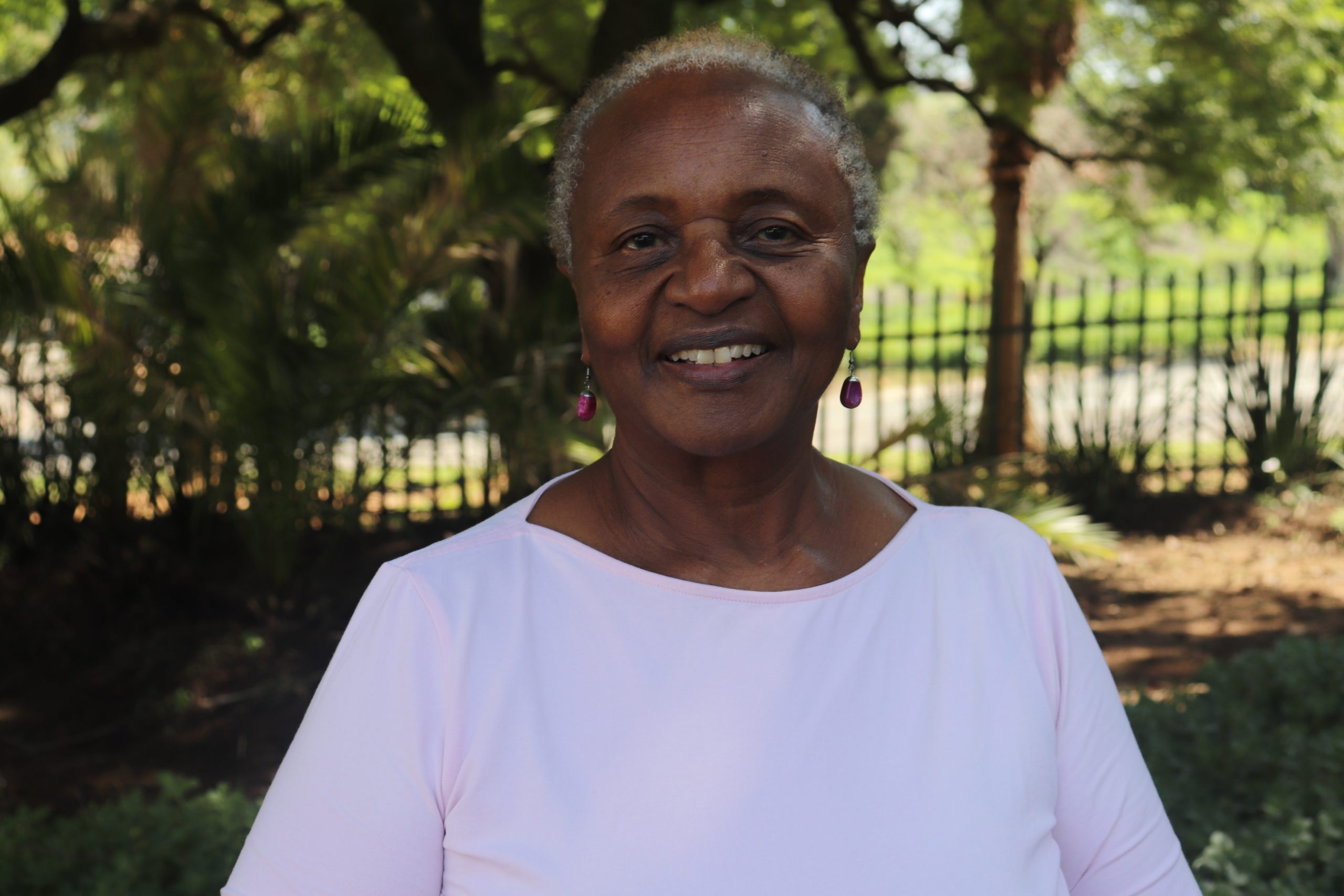
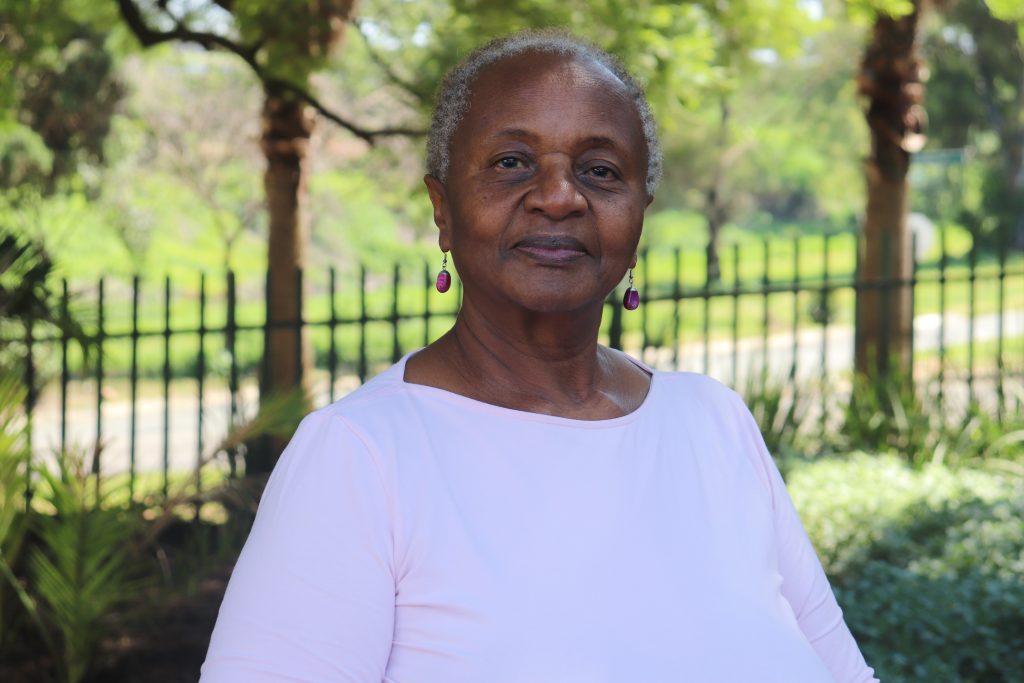
    Dr Linda
    Dr Linda Chipunza

    On my first day of school, I proudly wore my green school uniform with white socks and black shoes. That was the first and last day I wore socks and shoes, as I was almost the only child in the elementary section with shoes on. I felt awkward and, by break time, had taken them off and carefully placed them at the bottom of my school bag.

    Learning to Write: A Milestone in Early Child Development

    My classroom stood on raised ground – a long room with square openings for windows, but no glass to shut out the elements. On hot days, it was pleasant to sit near the window; on rainy days, our teacher, Mrs Khumalo, would help us move the desks away from the wet. Occasionally, a wandering cow would poke its head into the classroom, mooing loudly to our amusement.

    There were about 13 of us in sub-B – eager young learners. Our day started early. This was a mission school where priests and nuns valued discipline. Everything followed strict timelines. Before school, sub-A and sub-B classes (equivalent to today’s grades 1 and 2) gathered for assembly and prayers, led by the headmistress, a nun. We secretly hoped these sessions would run long, as this shortened arithmetic, the first lesson of the day.

    At the start, arithmetic was easy thanks to what we’d learnt from older children. But as time passed, it grew more challenging. Being practical by nature, I failed to see the point of adding 1 + 3 or any other numbers written on the board. The relevance of this exercise was never explained.

    After all, this was a time when only the teacher had a textbook, and everything we needed to know was written on the board.

    Foundations of Writing in Early Child Development

    My worst memories of Little St Augustine’s relate to how long it took before we were allowed to write in exercise books. Before that, we practised Arithmetic and English in the sand outside. A smooth patch of fine sand was ideal for writing. First, we used our forefingers to trace perfect letters and numbers. Only when Mrs Khumalo was satisfied with our progress could we use a small stick resembling a pencil.

    The next step was a black slate and a piece of chalk for practice at home. Needless to say, there was fierce competition to earn the right to use an exercise book. This competition made us take these practice sessions very seriously.

    It was a huge relief when I finally graduated from a slate board to an exercise book and a brand-new pencil, sharpened by Mrs Khumalo.

    Break Time, Play, and Early Child Development

    Break time meant playing in the field below. Games included chasing, tickling, and sharing whatever was in our lunch boxes.

    Home time was 12:30, but before leaving, we had to stand and recite the Angelus prayer after the loud bell from the church. Even if you were walking, you had to stop and say,
    “Hail Mary, full of grace, blessed is thy womb that bore our Lord Jesus Christ. Mother Mary, pray for us sinners now and for evermore. Amen.”
    I have often wondered what sins I had committed at that tender age to warrant such prayers.

    Health Interventions During Early Child Development

    One of the most memorable days of my early schooling was when a green jeep appeared behind the classrooms. Two men – one white, the other black – dressed in long white coats, set up a table with boxes and bottles. Before long, we were summoned to line up outside. Without much explanation, we were told to roll up our sleeves. One man jabbed our left shoulders, the other gave us a pink sweet that melted instantly.

    No letters of consent had been sent home, nor were we children told what was happening. I assume the headmistress had given them permission to administer the TB vaccine and a polio booster. We only learned later that there had been a serious TB outbreak, and the government was ensuring all children under 13 were vaccinated.

    Modern concepts of human rights, democracy, and parental autonomy were foreign back then. But do not get me wrong – I am not complaining. I believe those vaccinations saved many of us, myself included, from illness or even death.

    Next: Moving Beyond Early Child Development

    In my next episode, I shall recount my experiences of what was then known as upper primary.


    (Dr Linda Chipunza is responsible for Student Support at The DaVinci Institute.)

  • The Plight Faced By South Africa’s Health System

    The Plight Faced By South Africa’s Health System

    Access to healthcare is a fundamental human right, but in many countries, including South Africa, many people face significant challenges in obtaining quality medical care. This is one of the harsh realities faced every day. South Africa’s health system is underfunded, overburdened, and struggling to meet the needs of its diverse and growing population. We know this because it is reported on frequently. Despite these challenges, there is hope for a brighter future in South Africa, where access to healthcare can be a reality for all. My PhD thesis covered much of these areas.

    One of the main challenges facing the South African health system is the shortage of qualified healthcare professionals, particularly in rural areas, which results to a significant disparity in access to quality medical care between urban and rural areas. To address this issue, it is crucial to invest in programs that provide education and training opportunities for healthcare workers and increase the number of medical facilities in underserved communities. The realities of our youth having to leave SA or having to change career paths is fast becoming the norm.

    Another significant challenge in South Africa is the high cost of healthcare, which puts it out of reach for many people, especially those living in poverty. To address this, the government should work to improve the affordability and accessibility of medical services for all citizens, regardless of their financial situation. This could potentially include implementing policies that increase the number of community health clinics, providing subsidies for medical services, and increasing funding for public health facilities, to name a few.

    Moreover, it is important to address the social determinants of health that contribute to poor health outcomes and reduced access to care. This includes addressing poverty, inadequate housing, and limited access to safe water and sanitation. These social determinants of health play a significant role in preventing individuals from accessing essential medical care and must be addressed to improve overall health outcomes in South Africa. With the right investments in education, funding, and policy initiatives, our country can become brighter where access to quality medical care is a reality for everyone.

    (Dr Claudia Sigamoney is a member of faculty at The DaVinci Institute.)