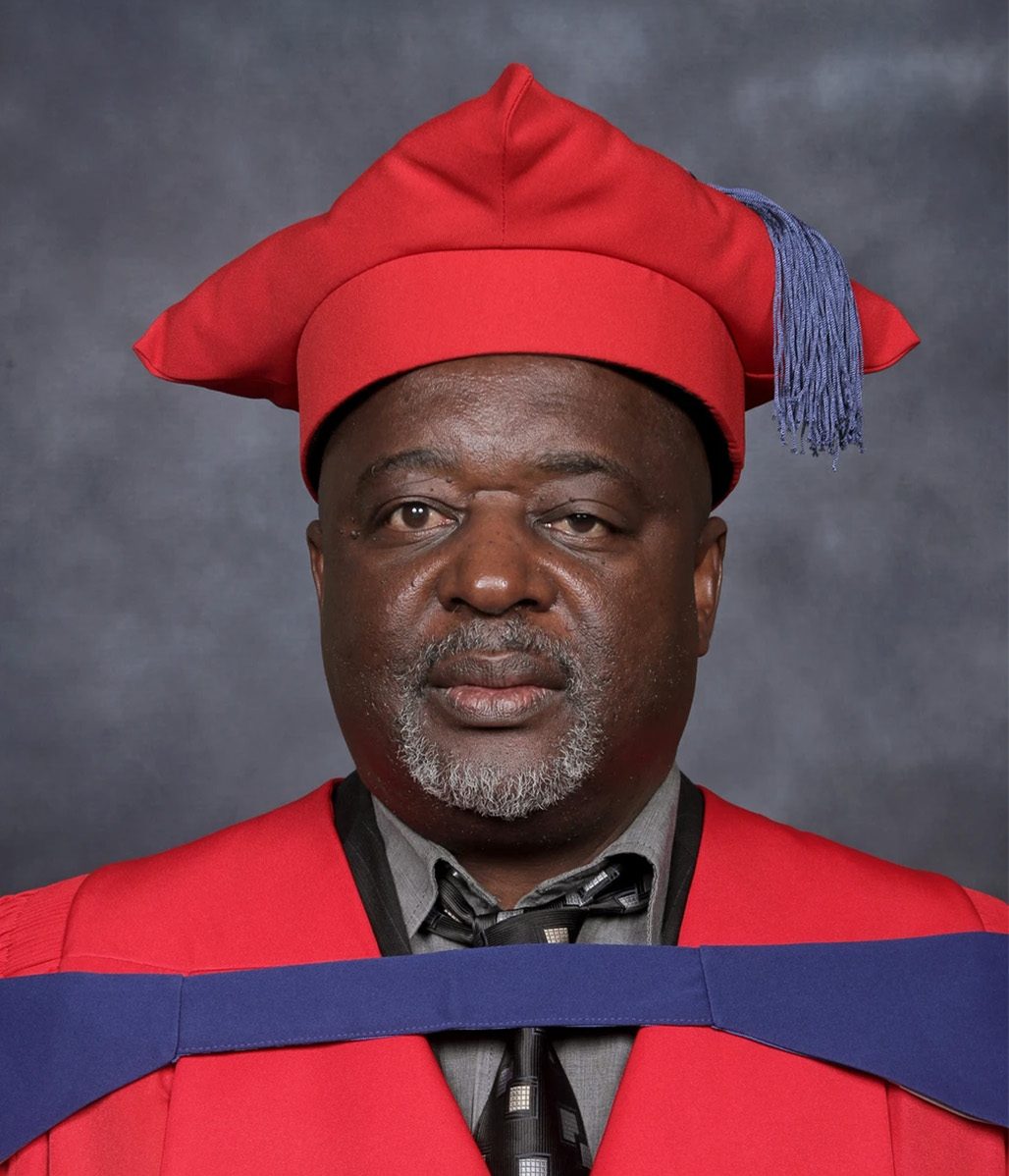
For Dr Munyaradzi Makota, completing his doctoral journey was about more than academic achievement. Drawing on a career spanning finance, strategic management, governance and project management, his research focused on developing a strategic skills planning and implementation framework for the Chemical Industries Education and Training Authority (CHIETA). His journey reflects tenacity, perseverance and a commitment to using research to strengthen skills development, industry collaboration and innovation within South Africa’s chemical sector.
Dr Munyaradzi Makota, please give us a brief overview of your career to date
I am an accountant by training. My experience spans across both the private and public sectors. Apart from finance, I have had exposure to strategic management, governance, and project management. I have a passion for human resource development, and this has defined me in all the organisations I have been privileged to work for.
Please provide us with a blurb on the purpose of your research and its contribution
The purpose of the study was to develop a strategic skills planning and implementation framework for the Chemical Industries Education and Training Authority, “CHIETA”. Some of the contributions were the development of relevant skills programs for the sector, and increased company membership participation. The study also recommended an effective strategic skills implementation. Additionally, recommendations are made for closer collaborations amongst strategic skills stakeholders and enhance innovation within the sector.
What would you say your three greatest attributes or characteristics are as a person that aided you on your journey?
I would say tenacity, commitment, and perseverance are the factors that saw me through this journey.
In a few words, describe your journey to completing your qualification.
The journey, though daunting, was unique, enjoyable and memorable. This journey was filled with multiple interactions, learning, and unlearning activities. The greatest test was learning not to give up. Whilst the urge to surrender was real, at times pushing me to the deepest levels of hopelessness, it was the spirit to get over the crossing line that was more inviting.
How did your journey impact your way of thinking and (or) life?
The study journey has taught me to be patient, tolerant, analytical, and critical. I was humbled by the knowledge that exists outside of academia, knowledge that resides within industries and the potential effect of the combined knowledge sources would have on the chemical sector in particular and the economy at large.
What is next for you on your path of remarkability?
The journey has just begun. I intend to start publishing and after establishing myself venture into part-time academia. There is a void of experienced people in academia, and I see myself assisting in this regard.
If you could advise a student embarking on this journey, what would it be?
This is a long and lonely journey. Think about a topic that is of interest to you as it will take some considerable time to complete. A study and work-life balance is non-negotiable on this journey. The achievement is more than rewarding and worth the effort.
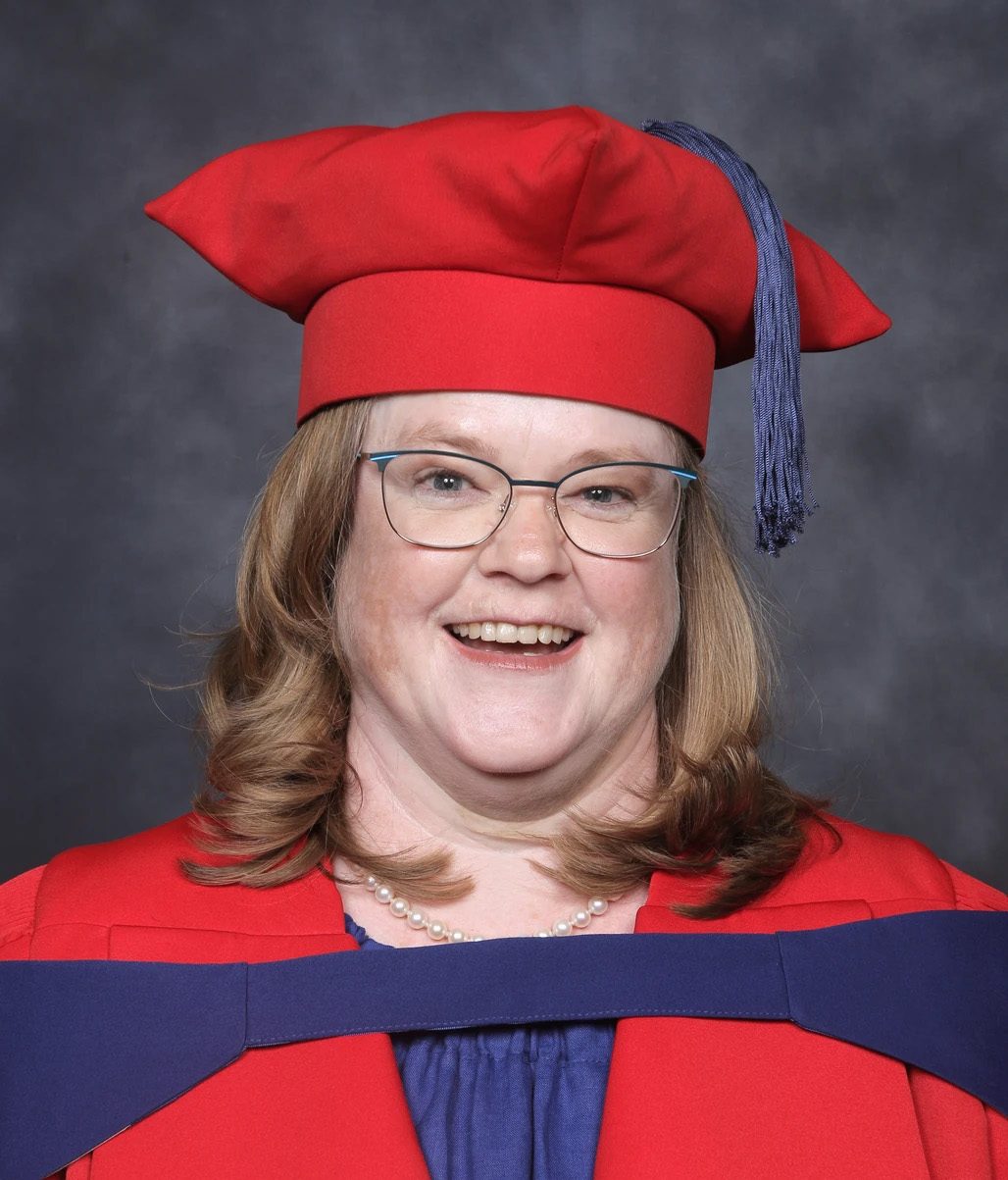
Dr. Regan Berry, Please give us a brief overview of your career to date
Regan began her working career in the mining industry with a BCom degree but shortly thereafter left the business world to embark on a career in the non-profit world. Regan has a passion for people development and facilitating people’s learning about self, others, and systems, which is enhanced by her background in social work, coaching, and systems psychodynamic training. She employs a process-oriented approach in her workshop facilitation and brings a systems perspective that considers group and organisational dynamics that might be taking place ‘beneath the surface’. Her experience in facilitating groups and workshops spans the corporate and non-profit, private and government, adult and adolescent space. Regan has over a decade of experience in supporting township school improvement and transformation with a focus on leadership and team development. Her passion and commitment to social justice was what led her to her doctoral study aiming to construct a framework to facilitate the holistic transformation of South African township schools.
Please provide us with a blurb on the purpose of your research and its contribution
The purpose of my research was to address the continued challenge of the quality of schooling we are faced with in South Africa by conducting an in-depth study of the transformation journey of a township primary school. I aimed to construct a framework to facilitate the holistic transformation of South African township primary schools. I offer a theory of change that specifies what should be changed, how it should be changed, and why this approach should work in township schools, drawing on three systems theories: Ecological Systems theory, Spiral Dynamics theory, and Systems Psychodynamic theory. I address a gap in South African basic education literature by using Systems Psychodynamic literature to offer new insights into the intractable problem of township school transformation by highlighting possible unconscious dynamics that could be obstructing processes of change. I explained how social defences are built into the school system to protect against the overwhelming anxiety and challenges in township schools, and how these defences hinder the primary task of learning and teaching. My study offers a practical and accessible contribution to school improvement literature and provides insights into how to provide containment, creating a sense of safety, to enable thinking, teaching, and learning to take place.
What would you say your three greatest attributes or characteristics are as a person that aided you on your journey?
Curiosity and a deep thirst for knowledge aided the academic part of my doctoral study journey and my passion for social justice and empathy aided the relationships I cultivated with the school community in Alexandra which was the focus of my study.
In a few words, describe your journey to completing your qualification.
My doctoral journey emerged from my collaboration and support of the transformation journey of a township primary school in Alexandra. After travelling across the country to meet with and have conversations with several supervisors my journey led me to DaVinci and Dr Rica Viljoen. I am grateful for the freedom and flexibility that DaVinci provided and the beautiful way Rica enriched my study by exposing and introducing me to elements I had not considered including autoethnography as a data-gathering method and spiral dynamics as an additional systems theory which I added to my theoretical framework. Trying to develop a greater understanding of another systems theory in my theoretical framework, systems psychodynamic theory led me to a two-year group facilitation training on unconscious dynamics in groups recognised by the Tavistock Institute. These two systems theories provided me with insights into the challenges, strengths, and possible obstacles in township school transformation that have not been considered in South Africa.
How did your journey impact your way of thinking and (or) life?
This doctoral journey and study has enriched, deepened, and stretched my thinking. I learned about the importance of “negative capability” a term coined by Wilfred Bion (Bion, 2014; French, 2001) which entails having space and capacity to tolerate ambiguity, paradox, and uncertainty being open to learning from others, and being open to allowing one’s mind to be changed by other’s and their ideas. And paradoxically growing in confidence and being willing to own and defend my own developing ideas and theory. I learned to be comfortable with not knowing as I wrestled with ideas and concepts and allowed my study to unfold, in a way that I had not imagined or planned it would. This was crucial as my study took place over the COVID-19 pandemic and had to be adjusted and expanded to collect data on the impact of this worldwide pandemic on township schools and township communities. I think through this study and the insights gained I have a greater appreciation for the complexity and the impact of systems and particularly unconscious dynamics on people, organisations, systems, and industries.
What is next for you on your path of remarkability?
To take the learning and insights from this study and determine how to apply it to other township schools, beginning with a high school in Alexandra where together with colleagues we have embarked on a journey to support, equip, and empower the leaders of the high school on their quest to transform that school. The plan is to scale up the learnings from my study to ensure the insights are shared with more township schools across the country. I plan to build on the foundational research I undertook to develop insights into the unconscious dynamics of township schools and basic education in South Africa.
If you could give advice to a student embarking on this journey, what would it be?
You will require tenacity and courage as you embark on an epic journey. Be curious and open to any path your study may take you and know that your moments of deepest learning might be in the most challenging times of your study. You are in for a rich, fulfilling but incredibly stretching learning experience so ensure you cultivate a broad, deep network of support around you as you begin this study and ensure you engage in self-care as a doctoral journey is not a sprint but more closely resembles an ultra-marathon.
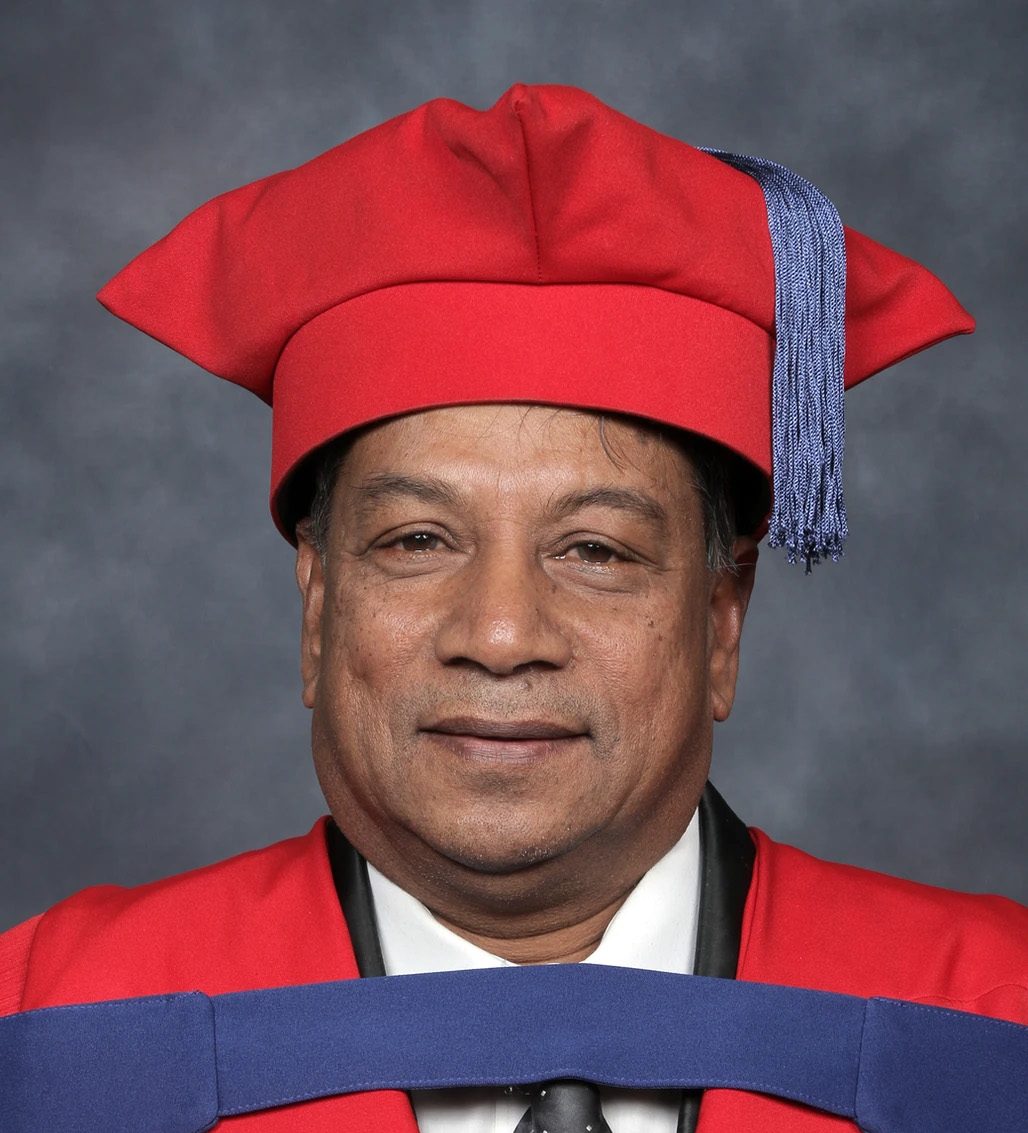
Please give us a brief overview of your career to date.
Rather than continuing my studies at a postsecondary institution, I found work as a butchery helper shortly after finishing my scholastic years out of a need to support our family financially. Later, in search of greater prospects, I travelled to Secunda and found employment at Sasol 2 and qualified as a fitter and machinist. Returning to Durban, I embraced an opportunity to be trained in the instrumentation and process control field at Mondi Paper where I later progressed to function Distributed Control Systems Senior Technician. My academic career began when I was head-hunted by the Durban University of Technology to lecture in a specialized field. Finding gaps in engineering practical skills in the university’s academic curriculum, my colleague and I started TEKmation Training Institute (now, a Leading Skills Development Provider) in KZN.
Today, apart from being a director at the TEKmation Training Institute. Currently, I consult widely in the education and skills sector and contribute immensely to the education industry through participation in various activities in the sector.
Your doctoral thesis is entitled: An Integrated Framework to Address the Work Integrated Learning Challenges Faced by Engineering Diploma Students at Select South African Universities of Technology
Inadequate placement opportunities prevent students from completing the Work-Integrated Learning component of their engineering-related qualification, delay graduation, and increase the need for technicians and engineers on the job market. The industrial technology and engineering sectors rely on highly skilled and trained technical staff to ensure high equipment and machinery uptime and maximum output. Lack of suitable placement opportunities for learners to complete the Work-Integrated Learning component of the engineering-related qualification, delaying graduation, and consequently increasing the labour market demand for technicians and engineers. For optimal productivity, the engineering and industrial technology industries depend on highly competent and qualified technical personnel to guarantee high uptime of engineering machinery and equipment.
The major contribution of this study is the development of an integrated conceptual framework to be used by WIL practitioners, Industry Mentors, and other stakeholders to effectively reduce WIL challenges and open access to industry. The study having examined the elements of various existing models recommended alternated WIL models to increase learner uptake.
In a few words, kindly describe your journey to completing your doctoral qualification.
The journey was tough, demanding, yet fulfilling. Incredible negotiation skills to eventually complete this project despite numerous competing demands were required. The ultimate benefit is that the study’s potential solutions could have a positive impact on all stakeholders involved in the WIL environment, especially the compromised learners. Unwavering support from my supervisor, the insightful and helpful DA Vinci seminars, and the unwavering support from my family all made a significant contribution to my will to endure and finish the journey. Analysing valuable data provided a better understanding of the issues facing the WIL sector, enabled me to propose potential solutions and recommend alternative WIL models. All in all, a unique and fulfilling experience.
What would you say your three greatest attributes or characteristics are as a person that aided you on your journey?
Resourcefulness – Throughout the research journey obstacles, hurdles and challenges presented themselves putting the brakes on the study progress, however, my resourceful nature powered me to find creative solutions to overcome challenges and continue again.
Innovative – During the course of the research, fresh concepts were added to my work. One of the thesis’ main features was its innovative approach to presenting, arguing, and explaining any topic.
Perseverance -The intense workload frequently had a detrimental effect on my progress, but despite these obstacles, with a strong mind I maintained my commitment to persevere through the bad times and complete the project meeting all requirements.
How did your journey impact your way of thinking and (or) life?
The impact of this journey positively touched various areas of my life. The study’s objective stemmed from a desire to assist many learners who were negatively affected by a lack of opportunities for placement in suitable industries. Throughout this study, my self-motivation, tenacity, and patience to face frustrations, obstacles, and problems developed enormously. I was able to fulfill the high levels of expectations required to complete this project with dedication, focus, and passion.
Despite the undoubtedly complex undertaking, I acquired a variety of high-level skills in the following areas:
Researching
Collaboration
Inter-personal communication
Networking
Organising, Planning and Time Management
Critical Evaluations
Problem-Solving
Presentation of arguments
Academic writing
Adaptability
Ethics
Completing an accepted, original scholarly work gave me a sense of accomplishment and self-satisfaction.
What is next for you on your path of thriving in remarkability?
To take some time to relax and recuperate, spend time with family, learn how to play the guitar, and go fishing. Maintain my growth and influence in the sphere of education and skill development, and practically implement the outputs I’ve drawn from my research whenever opportunities to do so present themselves.
If you could give advice to a student embarking on this journey, what would it be?
Students should collaborate closely with the supervisor since they will benefit greatly from the motivation and direction given. Make use of Da Vinci’s fantastic support services, seminars, and workshops; there are so many advantages that you can only succeed. It becomes evidently clear that you are making good progress when you adhere to your study schedule religiously and with passion. You will enjoy the journey if you avoid burnout, maintain balance, and incorporate breaks into your study schedule. You’ll be amazed at what you can achieve if you believe in yourself.
In light of August being Women’s Month, we had the opportunity to chat with one of our Doctoral candidates, Natasha Prins. She shared some amazing highlights about her perspective as a woman.
Tell us about your Woman of Wonder Story.
I like so many other women across the globe have gone through abuse, heartache, trauma, rejection, and abandonment but what makes me a WOW is in my weakest moments of inadequacy as a woman I go back to what my purpose is and what I am called to do. I finally got to a place in my life where I am my true self in every situation. I now share my story of pain and shame with the greatest enthusiasm hoping to help someone else realize that each of us has been created for a time such as this to empower, encourage, enlighten, enrich, and elevate each other as women instead of going through the tiresome exercise of competing. As a person, I see myself as fragmented, broken down, and yet still a masterpiece.
What do you believe is your superpower?
Kindness, compassion and empathy
If you could choose one superpower, what would it be?
I already have it –kindness, compassion, and empathy have helped me realize what a mess I am on most days and how to encourage my community, family, and team to walk in kindness, compassion, and empathy.
Fight for every woman to get a seat at the table not just the races and demographics you may identify with.
There is no need to compete with the lady sitting next to you, it’s a waste of time and energy. Rather focus on aligning your strengths with hers and supporting her weaknesses so she can support yours.
Learn to kneel first with an attitude of humility so you can stand on the shoulders of the giants that inevitably lift you up.
Learn to get comfortable in life and stick with the paths that stretch you to the limits because in that comes exponential character growth that can blow your mind.
Drive excellence not perfection in all you do. Be authentically you unapologetically so.
The pressure on female leaders to balance their feminine characteristics with the associated masculine characteristics in the workplace remains profound. We are often told as female leaders to toughen up and be unemotional in the workplace, but then we are expected to be vulnerable, nurturing and maternal within social and home contexts. We are pushed and pulled in multiple directions. We are often reminded at work to tone down the emotional, caring, nurturing and empathetic side of ourselves.
However, if you look at what makes a successful leader in the 21st century and what women leaders bring to the table, there is much synergy. Qualities such as being democratic, resilient, agile, empathetic, driving change and innovation, cooperative in engagements, skilled at the soft skills, good communicators and negotiators, collaborative, supportive, creative thinkers, design thinkers, and problem probers are all instrumental 21st century leadership skills, and closely aligned with researched qualities of female leaders.
Hence, I challenge you not to try and bring more masculinity to your workspace, but to foster the feminine qualities in each of you that will drive more agile, aligned and engaged managerial leaders and organisations into the future.
What Would You Do With Your Last Jellybean?
Ze Frank produced a video titled: The Time You Have in Jellybeans At the crux of this video, we are asked what we would do with the limited time we have on this earth to do things that are just for ourselves. And if our time is represented by jellybeans, how would we spend our time if we had just one jellybean left? How would we spend our last day?
I have no doubt many of us have thought about this, but because it is not the reality we face, we continue “to do” rather than “to be”. I would like to challenge each of us to let go of our constant need to be human “doings” and to try and harness ourselves as human “beings”, capable of finding meaning and purpose in multiple aspects of life, so that we find equilibrium to do and be simultaneously.
The Culture of Constant Achievement
We live in a culture where achievement and constantly doing things to attain this is the key focal area. We as womenkind are bombarded by messages that we must do everything, and everything well, to be considered highly successful. We are driven as a society to be task focused, and the more we do the more we feel others value us and that that is what contributes to our self-worth and success. This is termed human “doing”.
Taylor (2022) explains that:
“Human Doings only feel good about themselves when they are accomplishing things. To prove themselves, they use some measurable criteria which can range from financial or professional status to seemingly trivial things, such as how many steps they take in a day (fitness trackers are insidious reinforcers of human doingness) or the cleanliness of their households. Human doings are often “list people” who wake up every day with a tally of tasks and they are not satisfied or happy at the end of the day unless they crossed off, every item on the list. Human doings live in a constant state of discomfort that causes them to feel as if they must achieve and be successful or they are worthless people undeserving of love. This relationship between achievement and self-esteem becomes the basis for their own self-love. Having internalised their perceptions of being a human doing from their parents or culture, they come to love themselves only when they achieve success, and experience self-loathing when they are not doing, or they fail at doing.”
From Human Doing to Human Being
However, I want to challenge you to dial down the human “doing” and do more human “being”. To be present, purposeful and passionate. Human “beings” have an innate belief that their self-worth and self-esteem are not wrapped up in their accomplishments and accolades, but rather in the things that they value, their attitudes, beliefs, the effort they put into things, the determination, resilience and tenacity that they display to show up every day.
Human “beings” place great emphasis on how they treat others and how they treat themselves. Taylor (2022) explains that:
“Human beings believe that their self-worth is defined not by their accomplishments, but rather by their values, attitudes, and beliefs; their determination and effort; and how they treat people (all much kinder and gentler bases for self-evaluation). They are able to resist the tsunami of unhealthy messages from our achievement culture and make deliberate choices based on who they are and what is important to them. Human beings gain satisfaction and validation from being honest, considerate, and responsible, among other things. They also have control over what primarily affirms their self-esteem, so the vicissitudes of achievement (i.e., the inevitable failures that are a natural part of the human condition) don’t have an outsized impact on how they feel about themselves.”
Redefining Success
Consider this: “to be” and “to do” are both verbs. The difference is that “to be” denotes a verb that indicates the existence of something or somebody. We equate success with “doing”, but then we have to ask ourselves, why then do we say I want to be successful and not I want to do successful?
Perhaps if we reframe how we perceive success, we would then understand that success comes from human “being” and not human “doing”.
How to Become More of a Human Being
This begs the question: How does one become more of a human “being” rather than a human “doing”? I have reframed some of Taylor’s (2022) thoughts in this regard:
Embrace the Humanity Within Yourself
You need to embrace the humanity within yourself. You must accept that you are not perfect, but rather someone who is able to not fear failure. As a leader, you need to be someone that creates safe-to-fail workplaces in which people are able to thrive in a culture of trust, knowledge, personal integrity and a safe-to-fail learning culture where employees can feel free to express themselves in their work the best way they can, and in doing so, employees could reach their true potential (DaVinci Institute, 2020).
Reframe Success
Reframe success. Wealth, status, titles and accolades should not be at the centre of success. Rather, you need to reflect and explore what the meaning of success is to you, not from a linear perspective, but rather a holistic one. Set goals, live your passion, explore creative avenues. Remember that if you truly invest in your efforts, success will follow.
Find Your Ikigai
Find your Ikigai. “Ikigai is a Japanese concept that alludes to the purpose of why one is motivated to get up each day, in other words what makes life worthwhile. The reason for being answers the crucial question of existence (purpose) for both individuals and organisations. When synergy is found between the individual’s ikigai and the organisation’s ikigai they both find soul. When soul is found, energy is released back into the system, this energy could be referred to as engagement. Engagement is a crucial component of high performance” (DaVinci Institute, 2020).
Find Your Equilibrium
Find your equilibrium. Human “doings” seldom have balance. They live a life of constantly feeling like they are moving between the next burn out. Human “doing” often has hyper focus in one area of your life, and you may very well achieve success in that area, but it does not usually lead to a life of fulfilment and value. By creating equilibrium between the parts of your life, you can find satisfaction and success in multiple areas.
Reduce Your To-Do List
Reduce your to-do list. Human “doings” are compelled by their need “to do” to gain validation and self-worth. As they check items off their list, they are driven to keep adding to their list to keep receiving confirmation of their value. You must come to realise that not completing the entire list does not render you incompetent, but rather freer, balanced and fulfilled.
Be an Elastic Leader
Be an elastic. Human “doings” often have a very structured existence with little flexibility to be agile leaders and humans. We must allow for flexibility and resilience to pivot as needed.
Make Time for Self-Care
Make time for self-care. Self-care is an important component to become more than you are because if we love ourselves and care for ourselves, we will have so much more energy to invest in the things that we need to “do”, but also the things that hold value.
Make Time Count
Part of human “being” is to find and embrace things that add value to your life and empower you as an ever-evolving human being. Consider choosing things for yourself. We tell ourselves we have no time to, for example, study or do this or that which is important to us and adds value to our lives, but the truth is, it is not about making time but rather making time count.
If you only had one jellybean, I bet you would make time count. Shift your mindset to imagine every day as your last jellybean and find ways to make time count.
Work, Study, Family and the Search for Balance
I was asked how I balance work, study and family, and I pondered on this for much of my thirties and didn’t get it right. However, in my 40s, I had a reality-altering event that made me realise today could be any of our last days.
One bullet killed the love of my life in one second, a one-minute phone call changed my and my then four-year-old son’s reality forever, and for the last 2 321 280 minutes since then, I have tried to make my time count, “to be” a more holistic human being that does not have a linear focus on one path to success, but rather a succession of various things that build the photo album of my life.
Creating Harmony Through Presence
So how can we try find equilibrium to do more human “being”? I think it is about making the things you do count so you can be. In the grand scheme of things, time is our most valuable commodity, one that once spent, cannot be reclaimed. Therefore, it’s imperative that we make every moment count.
Spending hours on end engrossed in tasks doesn’t necessarily equate to meaningful productivity. To make the most of my time, I’ve adopted a structured approach, dividing my day into manageable chunks allocated to specific endeavours. Whether it’s work, research, study, family, or self-care, each aspect gets its dedicated time slot.
Picture of The DaVinci Institute
By adhering to this strategy, even if I don’t tick off every task on my list, I still accomplish those I’ve earmarked for attention. You must carve the time out and then stick to being focused on immersing yourself in being present in that moment doing whatever it is. By doing this, you can foster harmony and unity within your life whilst still pursuing your goals guilt-free.
Be More, Not Do More
Take the time to be more, not do more, and never forget that no one is born a warrior. Warrior women are made through their experiences, challenges, failures, resilience, tenacity and will to keep growing, moving and being.
References:
Da Vinci Institute. 2020. TIPS™ Managerial Leadership Framework. Johannesburg: Da Vinci Institute. Unpublished.
If you are pursuing a leadership position, you might not be sure which master’s degree is right for you. If you are interested in a career in leadership, an MBL degree can be a valuable investment in your future. MBL programmes help you develop the skills and knowledge you need to succeed in today’s competitive business world. Here are some reasons why a Master of Business Leadership (MBL) stands out:
Greater focus on leadership: An MBL degree typically has a greater focus on leadership. This is because an MBL degree is designed to prepare students to be leaders in all types of organisations. An MBL degree specifically develops leadership skills essential for success in today’s business world and advancing one’s career. These skills include strategic thinking and planning, problem-solving, team building as well as change management.
More personalised learning: An MBL degree offer a more personalised approach to learning, which is ideal for the most out of your education. This is because MBL programmes often have smaller class sizes and more opportunities for students to interact with faculty, mentors, and classmates, with a distinction focus on developing leaders.
Offers flexibility: An MBL degree is often offered in a variety of formats, including part-time and online, making it more accessible to working professionals with busy schedules. This flexibility allows you to tailor your coursework to your specific interests and career goals as a business leader.
Flexible curriculums: The MBL allows for elective coursework in business subjects that best suit your interests and leadership goals. An MBL degree without any doubt is a good choice when you want to focus on a specific area of leadership, such as business leadership, corporate governance, ethics, systems thinking, or project leadership. This known flexibility in curriculums, allows you to tailor your coursework to your specific interests and career goals as a business leader.
More relevant to your career goals: If you are interested in a career in leadership, an MBL degree may be a more relevant choice. This is because an MBL degree will give you the skills and knowledge you need to be an effective leader in any type of organisation. MBL graduates are also in high demand by employers, and they often command higher salaries than those with other types of business degrees.
More affordable: An MBL degree typically does not include an expensive overseas study trip to expose students to other business leaders and managerial practices. This exposure is built into the curriculum and facilitated by experienced business leaders, making the MBL a more cost-effective option.
More prestigious: Since an MBL has a proven track record in preparing candidates for leadership roles, it typically has a higher level of prestige. It is also a known fact that it assists in opening up more doors for graduates, based on the dedicated focus on leadership.
Exposure to the latest trends: An MBL degree can also be a good choice for you when you want to learn more about the latest trends in leadership, such as emotional intelligence, servant leadership, and adaptive leadership.
Powerful networking: An MBL degree can help you develop a network of other leaders, which is invaluable in your career. This network can provide support, guidance, and opportunities as you advance in your professional journey.
The Master of Business Leadership (MBL) focuses on developing the leadership skills of future business leaders. The master’s degree often includes experiential learning opportunities, such as internships or case studies, to give students the chance to apply their skills in real-world settings. Ultimately, the best degree for you will depend on your individual goals and circumstances. If you are interested in a leadership career, then an MBL degree is a good choice. It is a valuable asset for professionals who want to advance their careers in leadership roles, with aspirations beyond day-to-day business administration.
With the right degree, you can unlock exponential growth in your career and make a lasting impact in your chosen field.
A framework to facilitate the holistic transformation of South African township primary schools: Cultivating hope amid despair.
Abstract: This research originates from the researcher’s decade-long collaboration with the principal and community of a primary school in Alexandra Township, Johannesburg. The thesis contributes to the understanding of the complexity of the context of South African township schools and the critical need to transform these schools.
The study utilises constructivist grounded theory and draws on the in-depth study of one township primary school the research culminates in the construction of a framework to facilitate a process of holistic transformation of township primary schools. The study highlights nine key areas to be addressed to ensure a focus on holistic learning and teaching. The theoretical contribution of the study includes a theory of change for township schools, specifying what should be changed, how it should be changed, and why these changes should work.
The study provides systems psychodynamically informed insight into the unconscious dynamics present in township schools and basic education in South Africa, addressing a gap in education research. The study spotlights the need to create safety and containment which enable thinking, learning, and innovation and offers a practical contribution to ways of creating containment. The study was already presented at two international and two national conferences reflecting on The impact of the COVID-19 pandemic on the community of Alexandra; an autoethnographic account of collecting data in a multiracial group; the unconscious dynamics present in the school during the transformation process, magnified by the trauma of the COVID-19 pandemic; and a constructed framework to guide holistic transformation of township primary schools. Supervisor: Dr R Viljoen
Dr. Sara Bint Moneer
Dr. Sara Bint Moneer
Thesis: Islam, arts, and renewal of thought, integral approach to art advocacy, visual literacy, and engagement in the Muslim communities of Cape Town, South Africa.
Abstract: This study delved into the multifaceted world of art within the Muslim context, centered in Cape Town, South Africa. The study stemmed from the researcher’s role as a curator and a pivotal question: how can art advocacy, visual literacy, and engagement within Cape Town’s Muslim communities be enhanced to amplify their involvement in the local art scene? This inquiry arose from a revelation in 2015, uncovering the absence of Muslim voices in the city’s artistic narrative due to socio-economic hurdles, political complexities, religious intolerance, and a limited grasp of Islam in the South African art sphere. The study aimed to bolster art advocacy, visual literacy, and engagement among Cape Town’s Muslim populace, fostering dynamic discourse within the local art milieu.
The research focused on three critical facets: art advocacy to support artists, especially within the Muslim community; visual literacy to unravel unique perspectives on art within Muslim culture; and engagement to scrutinise community participation and contribution to the local art scene. Guided by the Process of Holistic Development (PHD) within the integral research framework, the doctoral process, within a vibrant ecosystem of co-learners and innovators, strived for tangible transformation through the MASHŪRAH process and the establishment of the MASHŪRAH Arts initiative.
This approach, aligned with Mode 2 social research, aimed at fostering social innovation and addressing societal imbalances. Drawing from diverse research methodologies, including hermeneutics, phenomenology, critical theory, and feminist theories, the research-to-innovation culminated in the establishment of MASHŪRAH Arts – an organisation dedicated to uplifting advocacy, visual literacy, and engagement within Muslim art communities. The inaugural exhibition ‘MASHŪRAH’, hosted at Greatmore Studios in Cape Town, generated a significant social return on investment (SROI) for the community. It fostered a sense of belonging, heightened awareness, facilitated storytelling, encouraged consultation, spurred innovation, facilitated knowledge exchange, and promoted inclusivity within Muslim art communities, making a distinctive and invaluable contribution to Cape Town’s cultural landscape.
Supervisor: Prof A Schieffer and Prof R Lessem
Dr. Pule Moeketsi
Dr. Pule Ishmael Moeketsi
Thesis: Analysis of the South African defence industry: A normative model.
Abstract: The study is located within the domain of state-owned-enterprise (SOE) performance and the associated potential contribution to the economy of a typical developmental state such as South Africa. It analyses the rise and fall of Denel SOC while demonstrating its enormous potential to bring about socio-economic development and national security in the country. The complexity of analysing various security sector reform initiatives was further compounded by challenges linked to fiscal constraints, skills shortages, corruption, and subdued domestic demand for defence hardware and services. Despite all of these factors, the researcher managed to identify core concepts, and major developments in the defence industry, both locally and internationally, and ultimately provide an integrated and coherent picture through a systems approach.
The study has contributed towards the body of knowledge through the development of a normative model which could assist various state-owned enterprises to perform optimally. It proposes mechanisms for reviving Denel SOC, beyond just recapitalisation by government. The normative model further demonstrates how government can identify and synergise hard power and soft power capabilities through companies such as Denel SOC. There is no doubt that the study has lived up to the expectation of contributing towards addressing national challenges, especially in the defence industry space.
Supervisor: Dr MB Khanyile
Dr. Munyaradzi Makota
Dr. Manyaradzi Makota
Thesis: Developing a Strategic Skills Planning and Implementation Framework: A Chemical Industries Education and Training Authority (CHIETA) Case Study.
Abstract: The study chose a topical issue on strategic skills development in South Africa and the role that the CHIETA and its strategic stakeholders can play in both skilling learners and upskilling employees thereby increasing return on investment for employers, employees, and learners involved. Skills are the drivers of economic growth and South Africa cannot transition into a developed economy without a skilled workforce.
Currently, there is no clear functioning skills integration matrix between the private sector, the government, and the CHIETA. Having determined the context of strategic skills within the chemical industry in South Africa, the need to develop an effective strategic skill planning and implementation framework became evident. The study therefore set out to examine how the CHIETA can develop a strategic skills planning and implementation framework. The researcher utilised a mixed methods case study and qualitative as well as quantitative methods of inquiry.
The researcher was interested in exploring how the CHIETA develops its strategic skills planning as well as ascertaining the level of collaboration and innovation between the CHIETA and its strategic skills stakeholders. In addition, the study set out to identify strategic skills implementation challenges within the sector with a view to suggesting corrective action. The significance of the thesis has already come to light as the researched organisation has started applying some of the recommendations from this study. Some of the major findings were that, though the CHIETA practiced strategic skills planning, the process was not well structured. Furthermore, collaborations, though existing, were found to be weak. In addition, strategic skills implementation gaps were identified.
Supervisor: Dr L Chipunza
Dr. Jay Soobramoney
Dr. Jayanathan Soobramoney
Thesis: An integrated framework to address the Work Integrated Learning challenges faced by engineering diploma students at selected South African Universities of Technology.
Abstract: The study entailed a critical analysis of the challenges encountered in securing placement opportunities for learners to complete the Work Integrated Learning (WIL) module for engineeringrelated qualifications at selected South African Universities of Technology. The researcher adopted a pragmatic research paradigm and a mixed methods approach that incorporated quantitative and qualitative data collection techniques. The data was collected via survey questionnaires as well as through focus group interviews.
The quantitative data collected from a purposeful and convenient sample of learners, academic staff, and industrial mentors using closed-ended questions was statistically analysed and presented. Data from focus group interviews with a carefully selected sample of competent and experienced participants was coded, organised into themes, and qualitatively assessed. The key findings concerning the challenges included poor mentoring, lengthy placement delays, poor understanding of industrial documentation and drawings, poor teamwork skills, and a lack of thorough understanding of WIL processes and systems.
Based on the research findings, a comprehensive WIL framework was developed to minimise barriers and improve performance among all the relevant stakeholders. Measuring the talents and competencies of Industry Mentors, whose credentials, experience, skills, training, and personality were not adequately addressed by the research, emerged as an important priority area for future research.
At DaVinci Business School, we take the voice of our students seriously. We, therefore, are pleased to announce our 2024-2026 SRC members.
The most important functions of an SRC encompass:
Representation: The SRC serves as the official voice of the student body, representing their views and concerns to the institution’s administration, faculty, and other relevant stakeholders. This ensures that student interests are considered in decision-making processes, policy drafting and review, and governance.
Advocacy: The SRC advocates for the needs and rights of students, addressing issues related to academic policies, quality teaching and learning, student wellbeing, campus facilities, and social justice. They work to ensure that student concerns are heard, understood, and acted upon, striving to improve the overall student experience.
Communication: The SRC facilitates effective communication between the student body and the institution’s administration. Through various channels, they keep students informed about important issues, policy changes, and upcoming events, ensuring transparency and fostering an informed student community.
Patrick Mugumo
PATRICK MUGUMO
President
Patrick is a highly experienced professional with over a decade of expertise in Project Management, Business Management, Information Technology, and Human Resources. Currently, he holds the position of Director at IRG Group and is a distinguished member of the South African Board for People Practices (SABPP). He has earned the Master’s HR Professional (MHRP) designation and serves as the Deputy Chair of the SABPP Ethics Committee. Patrick has a keen focus on integrating technology and innovation into HR practices, and he is a specialist in leveraging Artificial Intelligence (AI) to drive efficiency and excellence. He has a master’s degree in Programme Management and is actively pursuing a Doctorate in Leadership, Technology, and Innovation Management. Patrick has expertise in various areas, including AI implementation for Business Improvement, HR analytics, strategic HR management, change management, and HR technology consulting. He has earned several certifications in HR, Training and Development, Management, Leadership, Organizational Improvement, and Data Analysis, showcasing his commitment to continuous learning and professional growth.
Patrick’s blend of technical acumen, strategic vision, and hands-on experience makes him a valuable asset in driving organizational success through innovative HR practices and technology integration.
Nonkululeko Marambana
NONKULULEKO MARAMBANA
Vice–President
I am Nonkululeko Monica Marambana, an accomplished leader in business and social entrepreneurship with over two decades of experience. My educational background includes a Diploma in Marketing, a Degree in Banking, a Certification in Municipal Accounts Management, and an MBA specializing in entrepreneurship from Rhodes University. I hold a Professional Non-Executive Director Qualification through the Directors Association in South Africa. Currently, I am pursuing my doctoral studies at the Da Vinci Institute for Technology Management. I possess exceptional financial and banking management skills, honed during my tenure as a Chief Financial Officer for a local municipality in the Eastern Cape and my work in the banking sector.
Zestian de Wet
ZESTIAN DE WET
Secretary
My name is Zestian de Wet, a 20-year-old accountant and team leader at Business Services.Com. I am currently studying towards the BCom in Business Management through DaVinci Business School. My hobbies include reading books, playing the guitar, and lifting weights at the gym. I am passionate about transforming South Africa’s economy by enhancing the contributions of local companies. Through my professional and academic pursuits, I aim to acquire the knowledge and skills necessary to drive economic progress and support sustainable business practices in our country.
Sadia Khan
SADIA KHAN
Secretary
My name is Sadia Khan, and I am a mother of two teenagers, a wife, and a daughter. Family-oriented and grounded by my beliefs, I aspire to complete my degree and educate my children. Initially an introvert, life experiences have shaped me into an extrovert, though I sometimes revert to my original nature. I am tenacious, hardworking, and detail-oriented, with strong organizational, analytical, and investigative skills. Currently, I am a systems analyst at a major bank and am pursuing a BCom in Business Management Degree at DaVinci. I cherish learning something new every day and strive to grow both personally and professionally.
Riaan van der Schyff
RIAAN VAN DER SCHYFF
Member
I am a seasoned professional with expertise in biokinetics, education, and project management. Over the past 13 years, I have made significant contributions at a leading South African bank, gaining exposure across diverse domains such as corporate wellness, human resources, risk management, platform build and enablement, and finance. I hold an M.Phil. degree, which I earned in 2015, and I am currently pursuing the BCom in Business Management, Project Management Elective, at DaVinci.
Similo Cube
SIMILO CUBE
Member
I am Similo Cube, a dedicated student of project management, born in Sterkspruit, Eastern Cape, and raised in Johannesburg. I attended Langlaagte Technical High School and currently pursuing the BCom in Business Management, Project Management Elective, at the DaVinci Institute, where I was selected to be in the SRC. My interest in project management was inspired by my desire to make a positive impact on the world around me. I believe that education and personal growth are essential for success, both in my career and personal life. I am committed to helping those around me achieve their full potential and look forward to contributing significantly to the DaVinci community.
Tshepo Chuene
TSHEPO CHUENE
Member
I have extensive experience, having worked as a Senior Manager at the National Lotteries Commission, overseeing project grant funding, organizational strategy, and ISO 9001:2015 implementation. My roles have spanned across City Power Johannesburg as an Area Manager, Telkom in customer services, and Baitech Pty LTD as a Management Consultant. I also served as Acting Chief Technology Officer at the National Lotteries Commission. I hold a B Admin from the University of Limpopo, a Postgraduate Diploma from UNISA, and I’m currently pursuing a Master of Business Leadership at DaVinci Business School. I have additional certifications in Quality Management and Stakeholder Management.
Shadowmatch is more than just a tool; it’s a gateway to self-discovery and optimisation as a personal development tool that leverages advanced analytics to uncover an individual’s innate talents and behavioural tendencies. Shadowmatch is a well-researched system that measures and indicates an individual’s propensity towards certain selected habits and assists one in reflecting on how those habits can have a bearing on one’s work and the impact they may have on one’s managerial leadership style.
How Does Shadowmatch Work?
At its core, Shadowmatch operates on the principle that understanding oneself is pivotal to achieving peak performance. By completing an online assessment, students provide insights into their behavioural preferences and cognitive strengths. These inputs are then analysed to create a personalised profile, highlighting areas where an individual excels and where they may face challenges. The identified behavioural patterns indicate the prominence of the different behavioural patterns that emerge.
Benefits for Students
The Shadowmatch assessment as well as an analysis by a behavioural coach is included for free for all students as part of signing up with DaVinci.
Self-Awareness: Shadowmatch empowers students with deep insights into their unique behavioural traits and motivators. This self-awareness is foundational for making informed decisions about study habits, career paths, and personal development.
Students are encouraged to apply energy in developing the 18 habits identified as critical to their managerial leadership basket of tools.
Career Alignment: Beyond academics, Shadowmatch aids in career planning by aligning students’ innate talents with potential professions. This alignment not only enhances career satisfaction but also increases the likelihood of achieving professional success.
Integration into Student Life
Accessible through the DVBS platform, Shadowmatch integrates seamlessly into students’ lives. Its user-friendly interface and actionable insights make it a valuable companion throughout the educational journey, from orientation to graduation and beyond.
Embrace Your Potential
In a world where personal and academic growth go hand in hand, Shadowmatch enhances the opportunity to grow as a leader by honing existing leadership behaviours and enhancing others. By harnessing the power of self-awareness and data-driven insights, students can navigate their educational endeavours with confidence and purpose. Whether aiming for academic excellence, career advancement, or personal fulfilment, Shadowmatch equips individuals with the tools to unlock their true potential.
Get Started Today
Ready to embark on a journey of self-discovery and achievement? Explore the transformative benefits of Shadowmatch with Davinci Business School. Embrace your strengths, overcome challenges, and pave the way to a brighter future. Your potential awaits—seize it with Shadowmatch.
Embarking on a doctoral journey is a thrilling adventure filled with discoveries, challenges, and immense personal growth. However, it doesn’t have to feel like an endless marathon. With the right strategies, you can make the process enjoyable and manageable. Here’s how:
Read Daily
Dedicate just at least 30 minutes or an hour a day to reading articles and papers related to your research. This small daily commitment accumulates, enriching your understanding and naturally expanding your bibliography. Each insight you jot down builds a foundation for your thesis, making the research process less daunting and more rewarding.
Eliminate Distractions
In our hyper-connected world, distractions are plentiful. Turn off notifications, and let emails wait. Create an environment where focus thrives. The magic of deep, undisturbed focus is where your best work will emerge, propelling you closer to your goal with every distraction you eliminate.
Write as You Go
Don’t fall into the trap of saving all your writing for the end. Start writing as you gather data. This approach not only makes the process less overwhelming but also keeps your thoughts well organised and fresh. Writing consistently is key to maintaining momentum and ensuring steady progress.
At Least Thrive to Author 150 Words Per Day, Every Day
Consistency trumps volume. Aim to write just at least 150 words daily. This modest target ensures that you stay engaged with your thesis and witness its gradual growth. Over time, these small contributions add up, transforming into substantial progress without the pressure of marathon writing sessions.
Rest Strategically
Breaks are not just for resting; they’re for recharging. Think of breaks as essential pit stops in your race. Regular, strategic breaks boost your productivity and keep your remarkable doctoral journey vibrant and viable. Use these moments to step back, gain perspective, and return with renewed energy and clarity.
Develop Your Roadmap
Your table of contents is more than a mere list; it’s your doctoral roadmap. Develop it early in your research journey and let it guide you. A clear outline provides direction and helps you navigate through your thesis with confidence and purpose.
Stop Aiming for Perfection
Perfectionism can be a significant hindrance, often doubling the time it takes to complete your doctorate with little added value. Embrace the concept of “good enough.” Recognise that striving for perfection can trap you in endless revisions and delays. Instead, focus on producing high-quality work that is robust and reliable without falling into the perfectionism trap.
Embrace the Journey
Remember, a doctorate is not just about the destination but also the journey. Enjoy the process of learning, discovery, and growth. Celebrate your small victories along the way and stay connected with peers who can offer support and encouragement.
Always remember that by incorporating these strategies, you can transform your remarkable doctoral experience from an exhausting marathon into an enjoyable and productive journey. Keep your goals in sight, maintain a balanced approach, and above all, savor the intellectual adventure. Happy researching and co-creating new realities!