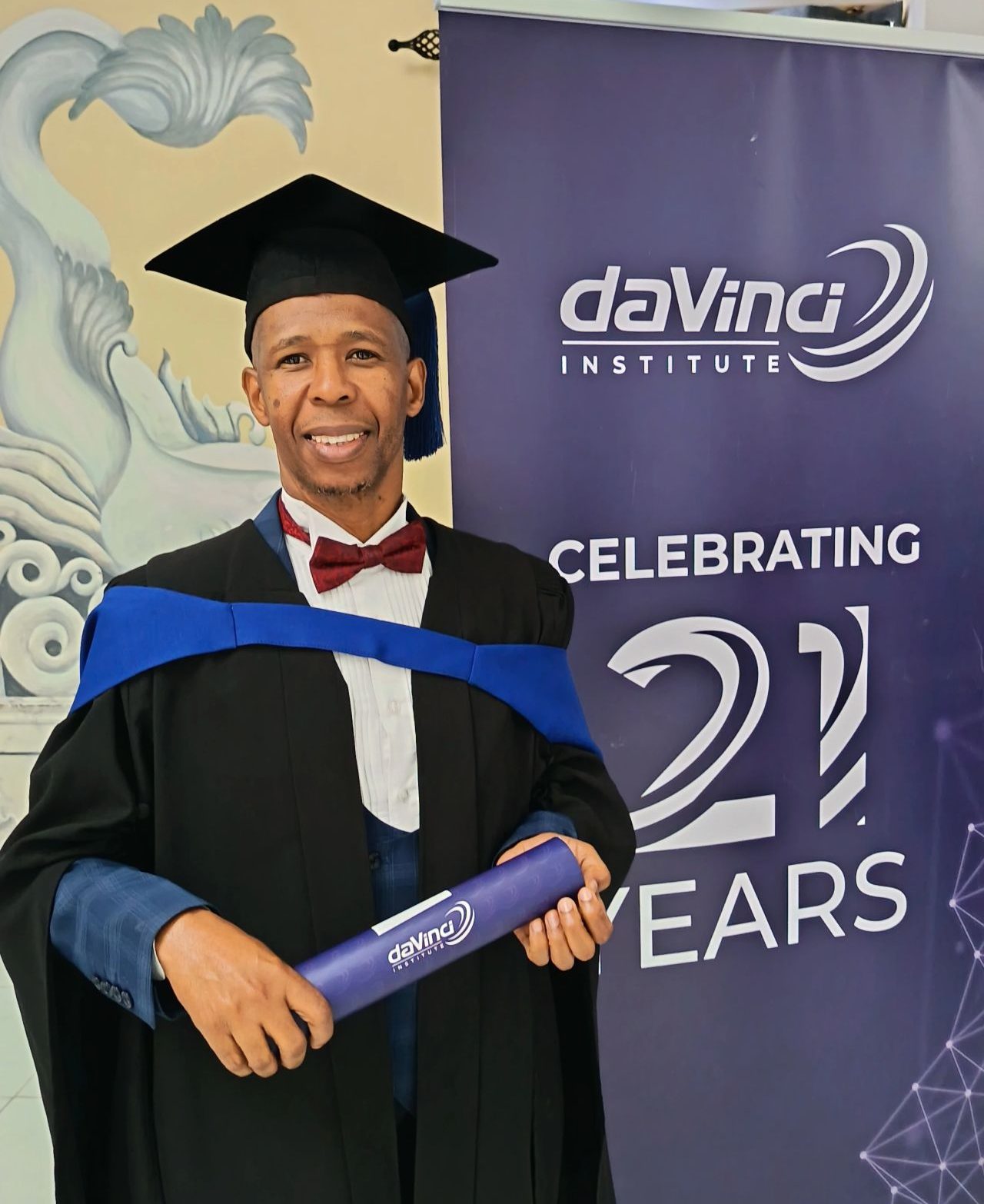
The study by Dr Sifiso Falala investigated the competence of CEOs in South Africa’s State-Owned Enterprises (SOEs). Against a backdrop of leadership instability, financial losses, and political interference, the research challenges assumptions of incompetence and explores what constitutes a competent SOE CEO. A mixed-methods approach was used, combining qualitative interviews and quantitative surveys, to assess a provisional competency framework.

Problem Statement and Objectives
State-Owned Enterprises underperformance has been linked to:
- Inherent incompetence of CEOs,
- Political interference, and
- Misalignment between Key Performance Indicators (KPIs) and organisational expectations.
The study aimed to:
- Identify reasons for poor SOE performance.
- Assess a competency framework as a measure of CEO competence.
- Examine if the framework can reliably predict CEO effectiveness.
Conceptual Framework and Hypotheses
Six hypotheses were developed, proposing that CEO competence is positively influenced by:
- Developing business success,
- Qualifications and experience,
- Interpersonal skills,
- Natural flair,
- Problem-solving skills, and
- Building for the future.
Research Design and Methodology
A mixed-methods design was adopted:
- Qualitative stage: In-depth interviews explored perceptions of CEO competence.
- Quantitative stage: Surveys and regression analysis assessed the framework statistically.
This dual approach ensured a nuanced understanding of both perception and measurable performance.
Findings and Analysis
Competency Dimensions
Regression analysis confirmed all six dimensions as strong predictors of CEO competence. The most critical were:
- Developing business success,
- Building for the future, and
- Problem-solving skills.
Key Performance Indicators (KPIs)
The study found a direct link between the use of KPIs and CEO competence. SOEs that valued KPIs more highly, like Transnet, scored better overall. However, gaps existed between the perceived importance of KPIs and their actual use, with state interference often undermining objective performance measures.
Political and Structural Constraints
Although many CEOs possessed technical skills, they were often unable to apply them due to political mandates and hierarchical constraints. SOEs were found to act more as instruments of government policy than as competitive businesses.
Contributions and Way Forward
- Policy and Governance: A standardised competency framework across SOEs would enhance recruitment, appraisal, and monitoring of CEOs.
- Practical Leadership: Emphasis should be placed on measurable KPIs, reduced state interference, and improved CEO autonomy.
- Theoretical Contribution: The study validates the competency framework as a dependable tool for assessing CEO performance in complex environments.
Conclusion: State-Owned Enterprises
The research concludes that the problem lies less in the inherent incompetence of SOE CEOs and more in the political and structural constraints that limit their effectiveness. Competence is present but underutilised, with improved frameworks and governance reforms necessary for SOEs to thrive.