In an era defined by complexity, ambiguity, and accelerating change, the role of Human Resources (HR) is undergoing a fundamental shift. No longer confined to policy, process, or compliance only, HR is increasingly called upon to act as a strategic sense-maker within the organisations, connecting people, purpose, performance, and ecosystem dynamics.
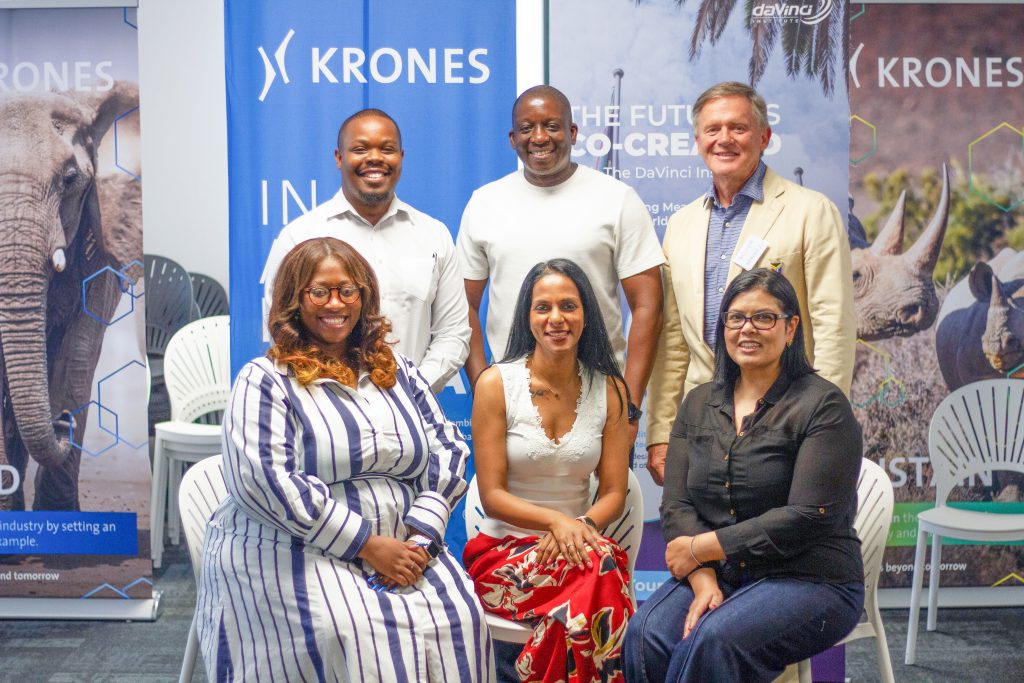
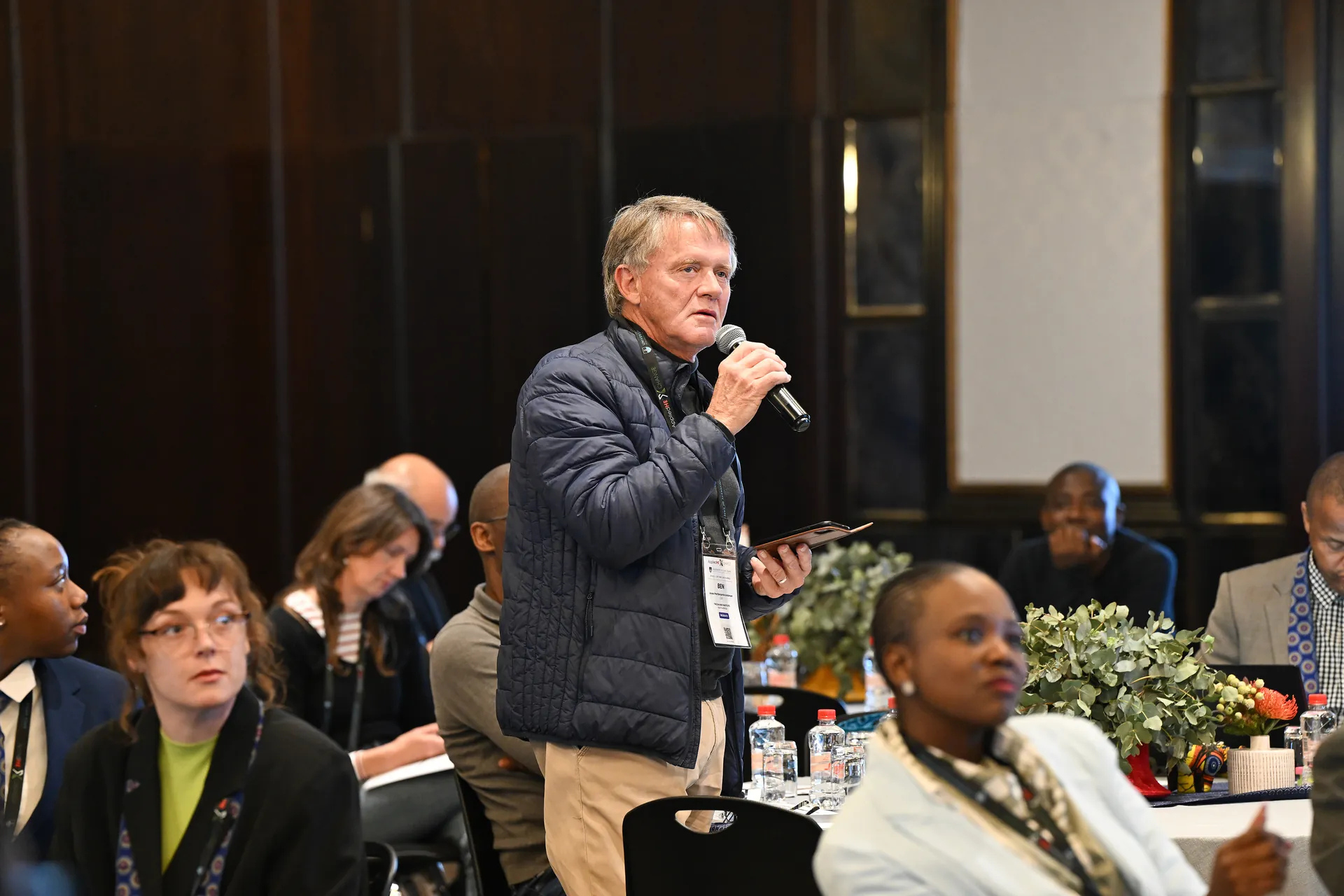
This was the central premise of a recent leadership activation session facilitated by The DaVinci Institute’s Chief Executive Officer, Prof Ben Anderson, delivered to Krones HR professionals. Rather than offering prescriptive models or best-practice checklists, the session created a reflective space for HR leaders to interrogate how they think, decide, and lead within a complex organisational system.
Self-Leadership as the Starting Point
The workshop opened with a deliberate focus on self-leadership activation, positioning HR professionals not merely as service providers but as strategic business partners. Prof Anderson challenged participants to reflect on their prevailing thinking patterns and leadership posture, asking a critical question: Are we merely collecting dots, or are we meaningfully connecting them?
This distinction proved pivotal. Collecting dots speaks to data accumulation, policies, metrics, and reports. Connecting dots, by contrast, requires interpretation, judgement, and courage, the ability to see patterns, relationships, and implications across the organisation. For HR, this marks the transition from operational responsiveness to intentional, strategic leadership.
He further challenged the participants to decide whether they want to identify as nine dots or nine dots plus professional, who will go out of their way and beyond what is known to resolve complex challenges.
Sense-Making as a Strategic HR Capability
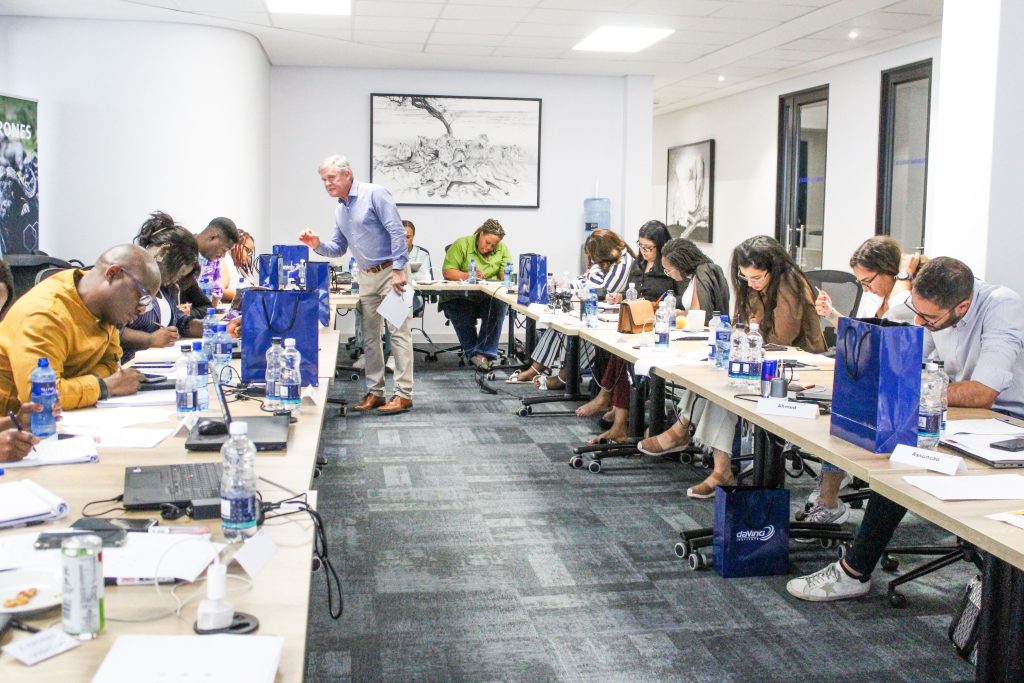
Building on this foundation, the session explored sense-making as a core HR capability. In complex organisations like Krones, workforce realities are rarely linear or self-explanatory. Data alone does not equal insight.
Prof Anderson emphasised that HR’s strategic value lies in its ability to interpret human and organisational signals, engagement trends, leadership behaviours, cultural tensions, and capability gaps and translate them into coherent strategic meaning. Sense-making enables HR leaders to move beyond reacting to symptoms and instead address underlying systemic dynamics.
Whole-Brain Decision Performance: Cynefin Framework
A critical element of the session focused on whole-brain decision performance. Participants examined how different modes of brain functioning, cognitive, emotional, and intuitive, shape decision-making and influence stakeholder outcomes.
The insight here was not about choosing emotion over logic, or vice versa, but about integration. HR decisions that ignore emotional and relational dimensions risk resistance and disengagement; decisions that neglect analytical rigour risk misalignment and inefficiency. Optimising performance, therefore, requires conscious awareness of how decisions are formed and experienced across the organisation.
Navigating Agreement, Disagreement, and Tension
As the session progressed, attention turned to social engagement dynamics, particularly the role of agreement and disagreement in organisational life. Rather than treating conflict as a dysfunction, Prof Anderson reframed it as a natural and often productive feature of adaptive systems.
HR leaders were encouraged to build capacity for managing tension, holding divergent views, and facilitating alignment without forcing consensus. This capability is increasingly critical in environments where transformation, restructuring, and innovation place pressure on relationships and trust.
Participants were urged to embrace the shadow and know themselves and whether their strengths are.
Thinking Ecosystemically at Krones
A key shift occurred as participants began mapping HR’s influence across the Krones ecosystem. Moving beyond functional boundaries, the discussion explored how energy, decision-making, and cultural signals flow across roles, teams, leadership layers, and geographies.
This ecosystemic perspective reframed HR as a systemic enabler, shaping conditions for performance, learning, and adaptation rather than controlling outcomes. It reinforced the idea that HR’s impact is often indirect but deeply influential.
Adaptive Leadership and Mode 2 Thinking
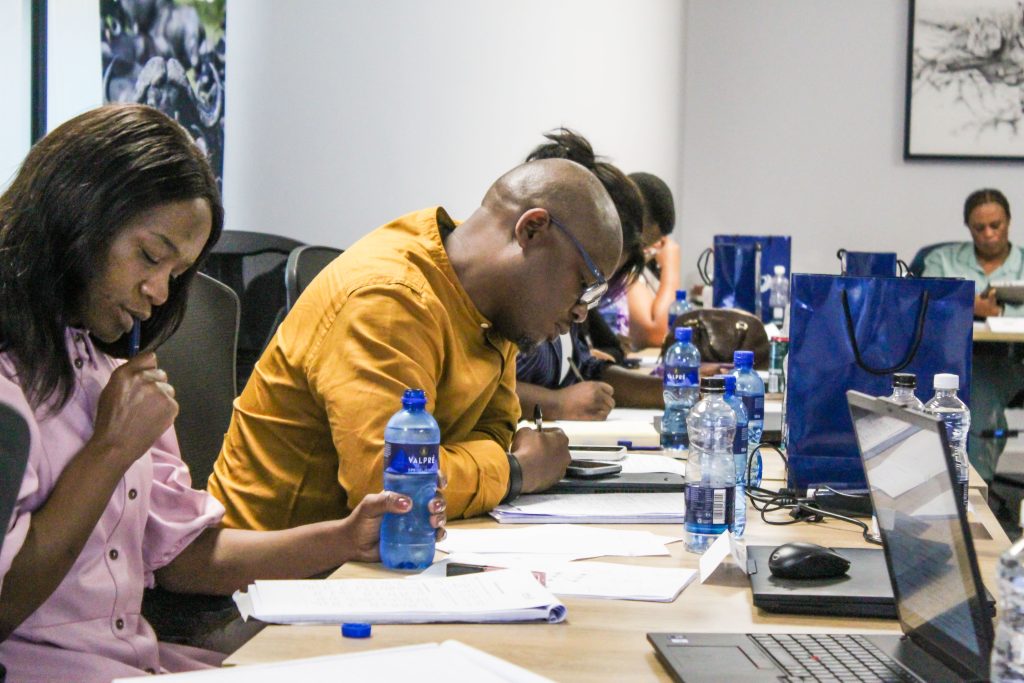
The session culminated in a deep dive into adaptive leadership in complexity, drawing on Mode 2 thinking, a way of engaging challenges where problems are ill-defined, solutions are emergent, and cause-and-effect relationships are unclear.
For HR professionals, this means resisting the urge to prematurely simplify complexity or default to familiar tools. Instead, adaptive leadership requires experimentation, reflection, dialogue, and the capacity to act without full certainty. It is less about having the right answers and more about asking better questions.
A Strategic Repositioning of HR
Taken together, the session facilitated by Prof Ben Anderson represented more than a leadership workshop. It marked a strategic repositioning of HR, from function to sense-maker, from administrator to adaptive leader, and from siloed expertise to ecosystemic influence.
For Krones HR professionals, the session reinforced a critical truth: in complex organisational environments, the future of HR lies not in doing more, but in seeing more clearly, thinking more deeply, and leading more consciously.
Leave a Reply