For years, South Africa has responded to NSFAS crises in much the same way: intervene, stabilise, and attempt to restore normality. Yet despite repeated interventions, the same challenges continue to re-emerge.
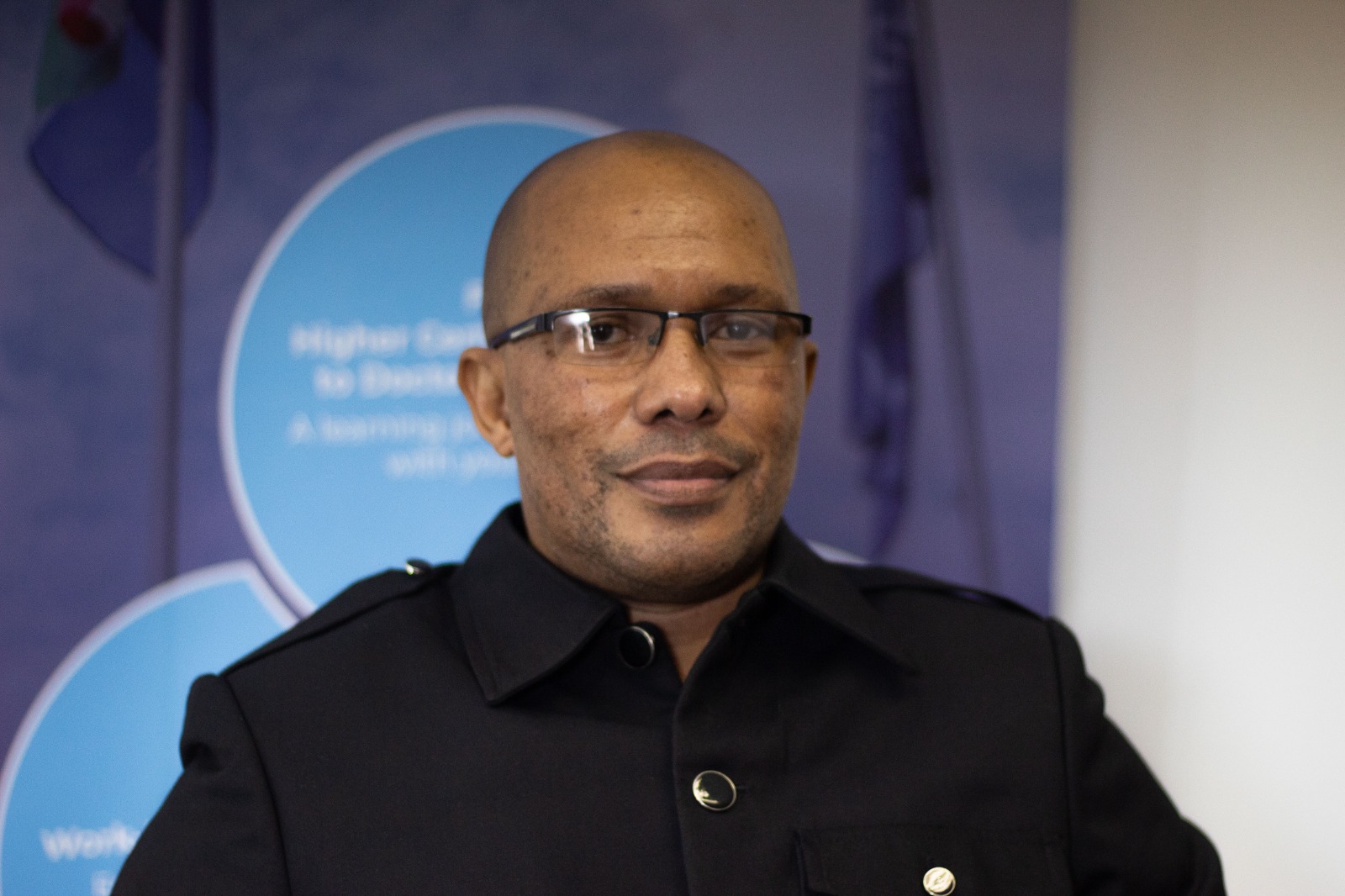
In a thought-provoking new Op-ed, Dr Ntokozo Mahlangu, Risk Management Specialist and a Strategic Advisory Board member of The DaVinci Institute, argues that the country may be asking the wrong questions. Rather than focusing on how NSFAS can be rescued yet again, he challenges policymakers and higher education leaders to consider whether the current model itself is fundamentally flawed.
Beyond Another NSFAS Crisis
As NSFAS enters yet another period of statutory administration, Dr Mahlangu raises a difficult but necessary question. Are South Africans focusing too much on fixing NSFAS each time it fails, and too little on whether the system itself needs to be fundamentally redesigned?
His latest Op-ed challenges readers to look beyond the immediate governance crisis and consider the deeper issues that continue to undermine the student funding system.
A Question Of Institutional Design
In the article, Dr Mahlangu argues that repeated interventions may be addressing the symptoms rather than the underlying causes of instability. The discussion moves beyond operational failures and explores whether the current model is equipped to deliver sustainable outcomes for students, institutions, and the broader higher education sector.
The Op-ed invites policymakers, education leaders, and governance professionals to reflect on the relationship between accountability, service delivery, and institutional design.
Rethinking The Future Of Student Funding
At the heart of the discussion is a broader question about how South Africa can create a more resilient and effective student funding system. As demands on higher education continue to grow, Dr Mahlangu suggests that the conversation may need to shift from repeated rescue efforts to meaningful reform.
His article offers a timely perspective on one of the country’s most important higher education debates and why the future may depend on asking different questions.
Read the full article in The TimesLives.
Leave a Reply