The appointment of a new board does not necessarily amount to meaningful governance reform. In his latest thought-leadership article, Dr Ntokozo Mahlangu examines why governance crisis continue to recur across South Africa’s state-owned entities, despite numerous commissions, investigations and reform initiatives.
Looking Beyond Who Sits in the Boardroom
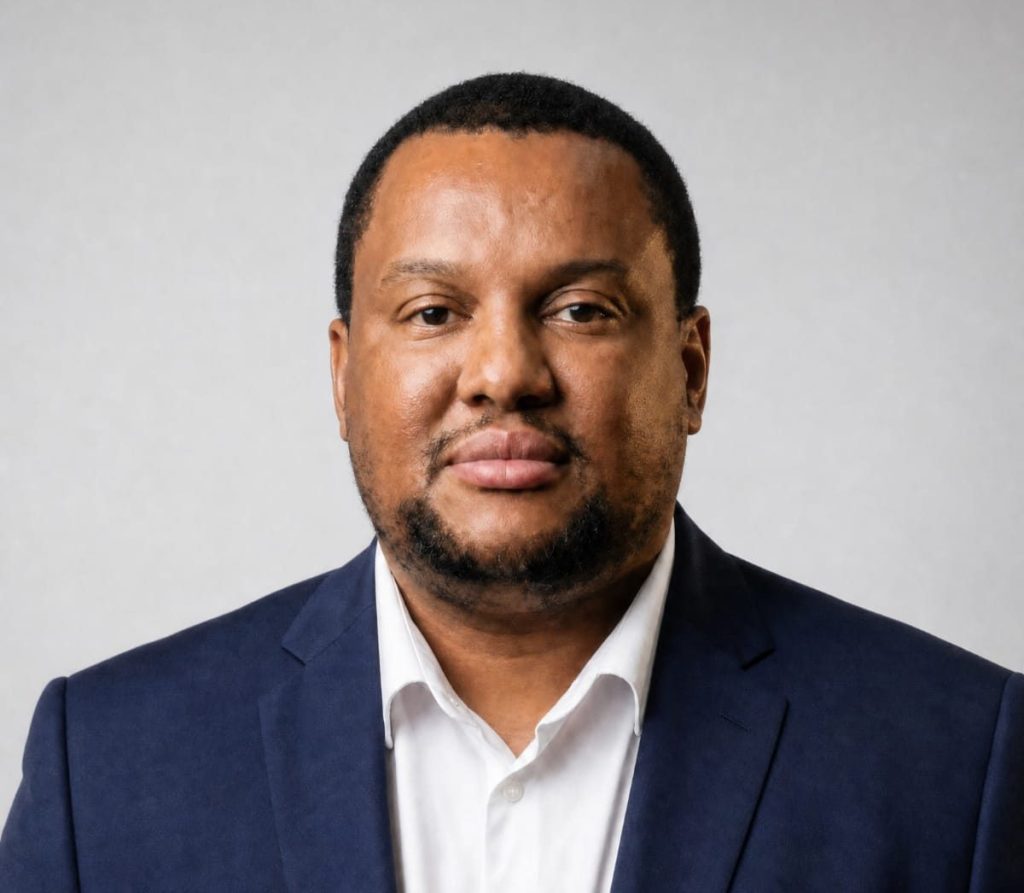
Using recent developments at the Public Investment Corporation as a point of departure, Dr Mahlangu argues that too much attention is often placed on who is appointed to boards, while too little scrutiny is given to how directors exercise oversight after their appointment.
Governance failures frequently develop gradually through unanswered questions, deferred decisions, incomplete reporting and a lack of consequences. By the time these failures attract public attention, the underlying weaknesses may have been developing for months or even years.
Strengthening Oversight and Accountability
Dr Mahlangu calls for transparent, skills-based appointment processes, regular independent board evaluations and clearer individual accountability. Boards must be able to identify warning signs early, respond decisively and ensure that those entrusted with oversight can account for the decisions they make.
Moving from Appointment to Genuine Reform
His central argument is that genuine reform requires more than replacing board members. It requires governance systems capable of translating information into action, maintaining institutional confidence and holding decision-makers accountable.
Dr Mahlangu is a risk management specialist and a member of the Strategic Advisory Board of The DaVinci Institute. Read the full opinion article in Business Day.


Leave a Reply