Shadowmatch is more than just a tool; it’s a gateway to self-discovery and optimisation as a personal development tool that leverages advanced analytics to uncover an individual’s innate talents and behavioural tendencies. Shadowmatch is a well-researched system that measures and indicates an individual’s propensity towards certain selected habits and assists one in reflecting on how those habits can have a bearing on one’s work and the impact they may have on one’s managerial leadership style.
How Does Shadowmatch Work?
At its core, Shadowmatch operates on the principle that understanding oneself is pivotal to achieving peak performance. By completing an online assessment, students provide insights into their behavioural preferences and cognitive strengths. These inputs are then analysed to create a personalised profile, highlighting areas where an individual excels and where they may face challenges. The identified behavioural patterns indicate the prominence of the different behavioural patterns that emerge.
Benefits for Students
The Shadowmatch assessment as well as an analysis by a behavioural coach is included for free for all students as part of signing up with DaVinci.
Self-Awareness: Shadowmatch empowers students with deep insights into their unique behavioural traits and motivators. This self-awareness is foundational for making informed decisions about study habits, career paths, and personal development.
Students are encouraged to apply energy in developing the 18 habits identified as critical to their managerial leadership basket of tools.
Career Alignment: Beyond academics, Shadowmatch aids in career planning by aligning students’ innate talents with potential professions. This alignment not only enhances career satisfaction but also increases the likelihood of achieving professional success.
Integration into Student Life
Accessible through the DVBS platform, Shadowmatch integrates seamlessly into students’ lives. Its user-friendly interface and actionable insights make it a valuable companion throughout the educational journey, from orientation to graduation and beyond.
Embrace Your Potential
In a world where personal and academic growth go hand in hand, Shadowmatch enhances the opportunity to grow as a leader by honing existing leadership behaviours and enhancing others. By harnessing the power of self-awareness and data-driven insights, students can navigate their educational endeavours with confidence and purpose. Whether aiming for academic excellence, career advancement, or personal fulfilment, Shadowmatch equips individuals with the tools to unlock their true potential.
Get Started Today
Ready to embark on a journey of self-discovery and achievement? Explore the transformative benefits of Shadowmatch with Davinci Business School. Embrace your strengths, overcome challenges, and pave the way to a brighter future. Your potential awaits—seize it with Shadowmatch.
Call For Papers – Inaugural Societal Regenerative Research Conference
Theme – Societal Regeneration and Wellbeing
This calls for papers for the upcoming INAUGURAL SOCIETAL REGENERATIVE RESEARCH CONFERENCE with the theme “Societal Regeneration and Societal Wellbeing.” The purpose is to promote Integral Healing, out of Africa worldwide.
As Mother Earth and its inhabitants are hurting from socio-economic
mal-functioning, this Societal Regenerative Conference, and its outcome after that is the meeting of hearts and minds to showcase and co-create social innovations aimed at bringing integral healing to enterprises, communities, and the world at large, with a particular focus on the global South.
Abstract Submission Deadline: 12 August 2024
Dates: 21-22 October 2024
Location: Eduvos Campus, Johannesburg, South Africa
Embarking on a doctoral journey is a thrilling adventure filled with discoveries, challenges, and immense personal growth. However, it doesn’t have to feel like an endless marathon. With the right strategies, you can make the process enjoyable and manageable. Here’s how:
Read Daily
Dedicate just at least 30 minutes or an hour a day to reading articles and papers related to your research. This small daily commitment accumulates, enriching your understanding and naturally expanding your bibliography. Each insight you jot down builds a foundation for your thesis, making the research process less daunting and more rewarding.
Eliminate Distractions
In our hyper-connected world, distractions are plentiful. Turn off notifications, and let emails wait. Create an environment where focus thrives. The magic of deep, undisturbed focus is where your best work will emerge, propelling you closer to your goal with every distraction you eliminate.
Write as You Go
Don’t fall into the trap of saving all your writing for the end. Start writing as you gather data. This approach not only makes the process less overwhelming but also keeps your thoughts well organised and fresh. Writing consistently is key to maintaining momentum and ensuring steady progress.
At Least Thrive to Author 150 Words Per Day, Every Day
Consistency trumps volume. Aim to write just at least 150 words daily. This modest target ensures that you stay engaged with your thesis and witness its gradual growth. Over time, these small contributions add up, transforming into substantial progress without the pressure of marathon writing sessions.
Rest Strategically
Breaks are not just for resting; they’re for recharging. Think of breaks as essential pit stops in your race. Regular, strategic breaks boost your productivity and keep your remarkable doctoral journey vibrant and viable. Use these moments to step back, gain perspective, and return with renewed energy and clarity.
Develop Your Roadmap
Your table of contents is more than a mere list; it’s your doctoral roadmap. Develop it early in your research journey and let it guide you. A clear outline provides direction and helps you navigate through your thesis with confidence and purpose.
Stop Aiming for Perfection
Perfectionism can be a significant hindrance, often doubling the time it takes to complete your doctorate with little added value. Embrace the concept of “good enough.” Recognise that striving for perfection can trap you in endless revisions and delays. Instead, focus on producing high-quality work that is robust and reliable without falling into the perfectionism trap.
Embrace the Journey
Remember, a doctorate is not just about the destination but also the journey. Enjoy the process of learning, discovery, and growth. Celebrate your small victories along the way and stay connected with peers who can offer support and encouragement.
Always remember that by incorporating these strategies, you can transform your remarkable doctoral experience from an exhausting marathon into an enjoyable and productive journey. Keep your goals in sight, maintain a balanced approach, and above all, savor the intellectual adventure. Happy researching and co-creating new realities!
Executive Dean: Academic Operations, Student Support & Learning Experience
Making Time Count for Studies and Family
Global Family Day serves as a reminder of the significance of fostering harmony and unity in the midst of diversity, principles that are equally crucial.
when it comes to balancing academic pursuits with family commitments. In the grand scheme of things, time is our most valuable commodity, one that once spent, cannot be reclaimed. Therefore, it’s imperative that we make every moment count.
Spending hours on end engrossed in tasks doesn’t necessarily equate to meaningful productivity. To make the most of my time, I’ve adopted a structured approach, dividing my day into manageable chunks allocated to specific endeavours. Whether it’s work, research, study, family, or self-care, each aspect gets its dedicated time slot. By adhering to this strategy, even if I don’t tick off every task on my list, I still accomplish those I’ve earmarked for attention.
In the context of my PhD studies, implementing this method during the final year proved immensely beneficial. Setting aside dedicated hours from 5-6 am every weekday and a portion of one weekend day for my research ensured consistent progress without the pressure of playing catch-up later on. This disciplined approach not only alleviated feelings of overwhelm but also fuelled my motivation by fostering diligence and continuity.
The same principle extends to family time. As a single parent juggling work, study, and parenting responsibilities, I’ve come to understand that it’s not about the quantity, but the quality of time spent with my son. Amidst the chaos of daily life, I carve out one sacred hour each day exclusively for him. During this time, I disconnect from distractions and fully immerse myself in his world, letting him choose our family activity of the day. It’s a cherished ritual where we bond without interruptions, setting boundaries while instilling values of consistency and dedication.
As Marie Forleo aptly puts it, “Success doesn’t come from what you do occasionally, it comes from what you do consistently.” This sentiment rings true in both my academic and familial endeavours. By prioritising quality over quantity and maintaining a steadfast commitment to my chosen pursuits, I’ve fostered harmony and unity within my home while pursuing my goals guilt-free.
This approach is adaptable and applicable to any area of life that holds significance. So, as we celebrate Global Family Day, let’s remember to cherish our loved ones and make every moment count.
Embarking on a doctoral journey is a monumental task that requires dedication, strategy, and a support system to guide you through its numerous challenges. At The DaVinci Institute, our commitment to nurturing future scholars is epitomised by the wisdom shared by Dr Raymond Toga, our Learning Coordinator for Doctoral Programmes and an alumnus of our Doctorate of Management of Technology and Innovation. In this post, Dr Toga provides a roadmap with practical tips to support current and prospective doctoral students.
Dr. Raymond Toga’s Guide to Thriving in Your Doctoral Studies
1. Set Clear Yearly Goals
“Document your yearly goals as a project plan,” advises Dr. Toga. This structured approach is about setting objectives and charting a clear path towards achieving them. This methodical planning can significantly enhance your focus and drive, providing clear milestones and accomplishments to look forward to.
2. Enhance Your Communication Skills
Effective communication is pivotal in every sphere, more so in academia. Dr Raymond emphasises the importance of articulating your ideas clearly and persuasively. “Investing in honing your communication skills can greatly benefit your journey,” he notes. Strong communication skills are invaluable, whether it’s writing your thesis, presenting your research, or simply interacting with your peers and mentors.
3. Be Present in Meetings
The interactions you have with your supervisors can greatly impact your doctoral experience. Dr Raymond Toga suggests making your presence felt from the start. “Make your presence felt within the first few minutes of starting a meeting with your supervisor,” he recommends. A proactive and engaged approach can foster a supportive and constructive relationship, making your journey smoother and more productive.
4. Establish a Personal Board of Directors
Navigating the highs and lows of a doctoral journey requires more than just academic support. Dr Toga advises establishing a ‘personal board of directors’ – a group of mentors who can provide guidance and support. This board should include individuals who understand your academic and personal aspirations, offering advice that spans the full spectrum of your life’s challenges and achievements.
5. Choose Your Associations Wisely
“You are the average of the people you associate with,” Dr Toga cautions. Surrounding yourself with positive, supportive, and similarly motivated individuals can make a significant difference in your doctoral journey. Choose to spend time with those who inspire you, challenge you constructively, and support your goals.
6. Stay Motivated
Maintaining motivation over the years it takes to complete a doctorate can be daunting. Dr. Toga underscores the importance of having cheerleaders in your corner. “Have cheerleaders and hype masters who can keep you motivated and encourage you to consistently show up at your best,” he states. Remembering why you started this journey can help you stay focused and inspired through challenging times.
The Importance of Resilience and Curiosity
Dr Toga wraps up his advice by reminding students to stay resilient, focused, and curious. “Always remain curious, open-minded, and passionate about your remarkable doctoral research journey,” he encourages. This mindset not only helps you overcome obstacles but also makes the most of the learning opportunities that come your way.
Reach Out for Support
Lastly, Dr Toga reminds students that he is just an email away for DaVinci doctoral students who need further guidance or support. His willingness to assist is a testament to DaVinci Business School’s dedication to its students.
By taking these insights to heart, current and prospective doctoral students at DaVinci Business School can enhance their educational experience and pave the way for successful and fulfilling academic careers. Remember, the journey to attaining your doctoral degree may be challenging, but with the right strategies and support, it is also incredibly rewarding.
Ready to Elevate Your Academic Journey?
Are you considering a doctoral degree to advance your career and personal growth? DaVinci Business School is here to help you achieve your ambitions with our esteemed doctoral programmes. We offer two specialised degrees tailored for visionary leaders and innovators: a Doctor of Business Leadership and a Doctor of Management in Technology and Innovation.
Embark on a transformative journey where you’ll gain knowledge and the strategic prowess and leadership skills necessary for the upper echelons of the business world. At DaVinci, you’re not just earning a degree but preparing to influence and innovate at the highest levels.
In today’s rapidly changing business landscape, pursuing a postgraduate diploma in South Africa is becoming crucial for those looking to escalate their career trajectory and enhance their expertise. Various industries demand increasingly specialised knowledge, so professionals are turning to postgraduate diplomas to secure a competitive advantage. This prestigious qualification doesn’t just enrich your theoretical and practical understanding but paves the way for higher leadership roles and further scholarly endeavours.
In this comprehensive guide, we delve into the essentials of obtaining a postgraduate diploma in South Africa, examining its equivalence to other qualifications, detailing the admission requirements, and highlighting the unique benefits it offers to propel your professional and academic goals.
What is a Postgraduate Diploma Equivalent to in South Africa?
In South Africa, a postgraduate diploma (PGDip) is a qualification equivalent to an honour’s degree. It follows a bachelor’s degree and is typically aimed at enhancing professional qualifications and expertise. The PGDip provides a focused approach to a specific field of study or professional practice, placing it between a bachelor’s degree and a master’s degree in complexity and depth. An example of a PGDip is our Postgraduate Diploma in Business Leadership.
DaVinci Alumnus
What Level is a Postgraduate Diploma in South Africa?
A postgraduate diploma in South Africa is classified as an NQF (National Qualifications Framework) level 8 qualification, the same level as an honour’s degree. This level signifies advanced knowledge and skills, focusing on specialised learning. It prepares students to solve complex practical problems and think critically within their field of study.
Is a Postgraduate Diploma Equivalent to an Honours Degree in South Africa?
While both the postgraduate diploma and an honours degree are classified at NQF level 8, they serve different purposes. An honours degree is typically more academic and research-focused, preparing students for a master’s degree. In contrast, a postgraduate diploma is more practice-oriented, aimed at enhancing professional skills and practical knowledge. However, both a PGDip and an honour’s degree led to entry into a master’s programme, such as our Master of Business Leadership and Master of Management in Technology and Innovation.
Postgraduate Diploma vs Honours Degree in South Africa
Deciding between a postgraduate diploma and an honours degree depends on your career goals and educational needs. Both are postgraduate qualifications usually offered at NQF level 8 and provide entry into a master’s degree. However, If you’re looking to bolster your professional skills and apply knowledge directly to your career, a postgraduate diploma could be the better choice.
Moreover, a postgraduate diploma could be the perfect fit if you’re considering furthering your education while keeping up with a busy work life. It’s tailored for real-world application, giving you the skills you need to shine in your job right away. The flexible nature of a postgraduate diploma means you can often balance study with your current job, moving up in your career without a pause in your professional life.
Who Qualifies for a Postgraduate Diploma?
To qualify for a postgraduate diploma in South Africa, applicants typically need a bachelor’s degree at NQF level 7 or an advanced diploma. The DaVinci Business School, for example, also considers applicants through a Recognition of Prior Learning (RPL) process, which evaluates an individual’s professional experience and previous learning.
Requirements for a Postgraduate Diploma in South Africa
The general entry requirements for a PGDip include a relevant undergraduate degree. Specific programmes, like the Postgraduate Diploma in Business Leadership at DaVinci Business School, might also require a certain level of professional experience or previous exposure to business studies.
DaVinci Alumnus
Exploring Postgraduate Diploma Options Online in South Africa
With the advancement of digital technology, some institutions now offer online postgraduate diplomas, allowing for flexibility and accessibility. These programmes are ideal for working professionals looking to advance their careers without compromising their work schedules.
In the digital age where adaptability is key, DaVinci Business School stands out as a beacon of innovation, providing a postgraduate diploma online via distance learning that seamlessly blends with the hectic lives of working professionals. With a history spanning 20 years, DaVinci has fine-tuned the art of distance education to prioritise the utmost flexibility and convenience.
This commitment to accommodating busy schedules is reflected in their learner-centric approach, where education moulds to fit your life, not the other way around. At DaVinci, education transcends the theoretical. By integrating work-based challenges into the study modules, the institution ensures a harmonious blend of academic theory with the practical demands of the business world. The curriculum is sharp and industry-focused, crafted to arm you with relevant, actionable knowledge that can be applied directly to your professional environment. Whether tuning in from the comfort of your home or between business meetings, DaVinci ensures that your educational journey is as dynamic and flexible as the industry it prepares you to lead.
Conclusion
In conclusion, a postgraduate diploma in South Africa offers a practical and esteemed pathway to further education and career advancement. Institutions like DaVinci Business School provide robust programmes to equip students with theoretical and practical business leadership skills, contributing significantly to personal and professional development. For those interested in such programmes, understanding the prerequisites, structure, and outcomes is crucial to making an informed decision.
Navigating the academic landscape to enhance professional growth through a postgraduate diploma in South Africa offers a unique opportunity to specialise and excel in competitive business environments. Institutions like DaVinci Business School are at the forefront, providing tailored programmes that align with industry demands and personal career aspirations. Whether you are aiming to bridge the gap to a master’s degree or enhance your professional skills for immediate application, a postgraduate diploma is a worthy investment. With its blend of practical focus and academic rigour, the postgraduate diploma stands out as a valuable credential for aspiring leaders and professionals committed to personal and professional excellence.
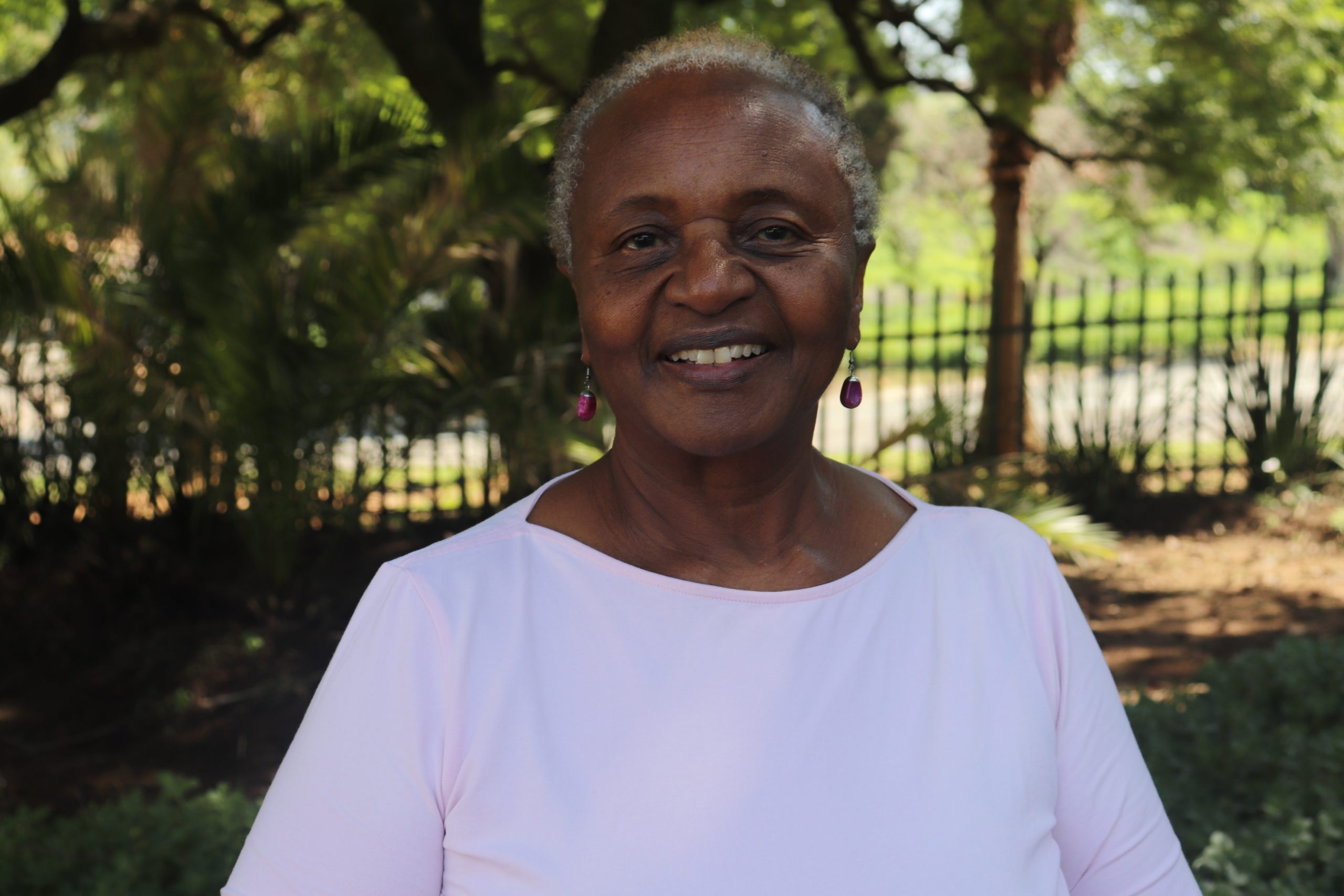
At The DaVinci Institute, student success isn’t just about compliance or ticking boxes – it’s about genuine care and development. Dr Linda Chipunza, a Learning Behavioural Specialist and our Student Support Lead is a key player in making this vision a reality. With a robust background in educational development and a passion for nurturing growth, Dr Chipunza is a cornerstone of the DaVinci community.
Dr Linda Chipunza
A Journey of Education and Empowerment
Dr Chipunza’s academic and professional journey is nothing short of inspiring. She obtained her DPhil et Litt Degree from the University of South Africa (UNISA), where both her doctoral and master’s research focused on enhancing individual potential through self-awareness and targeted support. This foundation laid the groundwork for her extensive career in education and development.
A Life Dedicated to Teaching and Learning
From the classroom to the training seminar, Dr Chipunza has dedicated her career to the art of education. She has enriched minds as a secondary school teacher and later as a teacher trainer in both primary and secondary Teacher Training Colleges. Her expertise took her to a regional university’s Department of Applied Linguistics, where she taught communication skills across various faculties.
Before joining DaVinci Business School, she honed her skills in people development at FNB, working in diverse specialist areas but always with a focus on skills development. Her roles have always centred on empowering others to excel in their respective fields.
The Heart of DaVinci’s Student Support
Here at DaVinci, student support is pivotal to our educational philosophy. It is an integral part of our online learning environment, designed to ensure retention, success, and satisfaction. Dr Chipunza’s role is crucial in this ecosystem. She leads these efforts with exemplary dedication and insight and embodies the spirit of mentorship and support that DaVinci stands for.
Her commitment to quality and leadership in student support services goes beyond traditional roles. Dr Chipunza is driven by a task-oriented, creative, and process-oriented approach. She deeply understands the nuances of distance learning and adult learners’ challenges. Her strategies are designed to foster high performance and facilitate the effective communication skills necessary for students to succeed academically and professionally.
Inspiring Future Leaders
Dr Linda’s passion for oral and written communication is evident in her interaction with students and colleagues. She believes strongly in the power of effective communication as a tool for quality output and organisational transformation.
At DaVinci, we are proud to have Dr Linda Chipunza as a vital part of our team. Her dedication to the growth and success of our students ensures that we continue to deliver informative and transformative education.
Through her work, Dr Chipunza doesn’t just support students; she inspires future leaders. Her influence stretches far beyond the confines of our campus, into the lives she touches and the communities they will go on to serve. At DaVinci Business School, we look forward to continuing this journey of excellence and impact with Dr. Chipunza leading the way in student support.
We are excited to announce a significant addition to our Strategic Advisory Board at DaVinci Business School. Professor Thuli Madonsela, a renowned professor of law and an influential figure in social justice, has joined our team of esteemed advisors. Professor Madonsela brings a wealth of experience, knowledge, and dedication that promises to enhance our institution’s mission and strategic direction significantly.
A Stalwart of Justice and Education
Professor Madonsela occupies the prestigious Law Trust Research Chair in Social Justice at Stellenbosch University and founded the Thuma Foundation for Democracy Leadership and Literacy. Her contributions to law and social justice are extensive and profound. As the former Public Protector of South Africa, she played a critical role in drafting the South African Constitution. She co-architected several constitutionally mandated laws, including the Equality Act, Employment Equity Act, and Promotion of Administrative Justice Act.
Her work has not only reshaped the landscape of South African law but has also had a ripple effect on international human rights practices. Professor Madonsela’s efforts in investigating improper conduct in state affairs have established new benchmarks for transparency and accountability in governance.
An Educator and a Leader
In her academic roles, Professor Madonsela is deeply involved in teaching and research, focusing on Constitutional Law, Social Justice Law, Administrative Law, and Constitutional Governance and Ethical Leadership courses. Her extensive publication record further underlines her commitment to advancing legal and social discourse. An advocate of the High Court of South Africa, she also holds eight honorary law doctorates and has received over 70 awards for her service and achievements.
Beyond the Professional Realm
Professor Madonsela’s commitment to social justice extends beyond her professional endeavours. She is an avid mountaineer who has twice summited Mt. Kilimanjaro in campaigns to raise awareness and funds for social causes, including the #Trek4Mandela and the Social Justice M-Plan. Her dedication to these causes speaks volumes about her character and commitment to making a tangible impact on society.
Looking Ahead
As we welcome Professor Thuli Madonsela to our Strategic Advisory Board, we look forward to the insights and inspiration she will bring to our school. Her unparalleled expertise and ethos of service will undoubtedly guide our strategic initiatives and help mould the future leaders we are committed to developing.
Stay tuned for more updates as Professor Madonsela begins her journey with us, and join us in embracing the wealth of opportunities her involvement is set to bring. We are confident that her presence on our board will be transformative, and we are eager to see the fruits of this new chapter in our school’s history.
Welcome, Professor Madonsela, to DaVinci Business School. Together, we will strive towards a brighter, more just future in business education.
In the bustling heart of Sandton, amidst the convergence of minds at the Ethics & HR Governance Conference, Professor Paul Singh, Director of Ethics Edge, delivered a compelling presentation that was both a call to arms and a guide for navigating the treacherous waters of our polarised discourse. His talk, “Depolarising Charged Conversations and Dealing with Some Uncomfortable Truths,” served as an academic discourse and a blueprint for fostering meaningful communication in an era of division.
The Crucible of Polarisation
Singh commenced by dissecting the anatomy of polarisation, elucidating how our era, dominated by digital echo chambers and binary thinking, has exacerbated the divide on various hot-button issues. He provocatively challenged the audience, through a game of “What I know?” to confront their biases and preconceptions, laying the groundwork for a journey towards understanding the complexity inherent in these discussions.
Embracing Complexity Over Simplification
A central tenet of Singh’s address was the advocacy for complexity over the seductive lure of simplification. He illustrated this through the prism of climate change discourse, where the spectrum of beliefs ranges from alarmed to dismissive. This diversity of perspectives, as Singh articulated, demands an acknowledgement of the nuanced realities that defy binary categorisation.
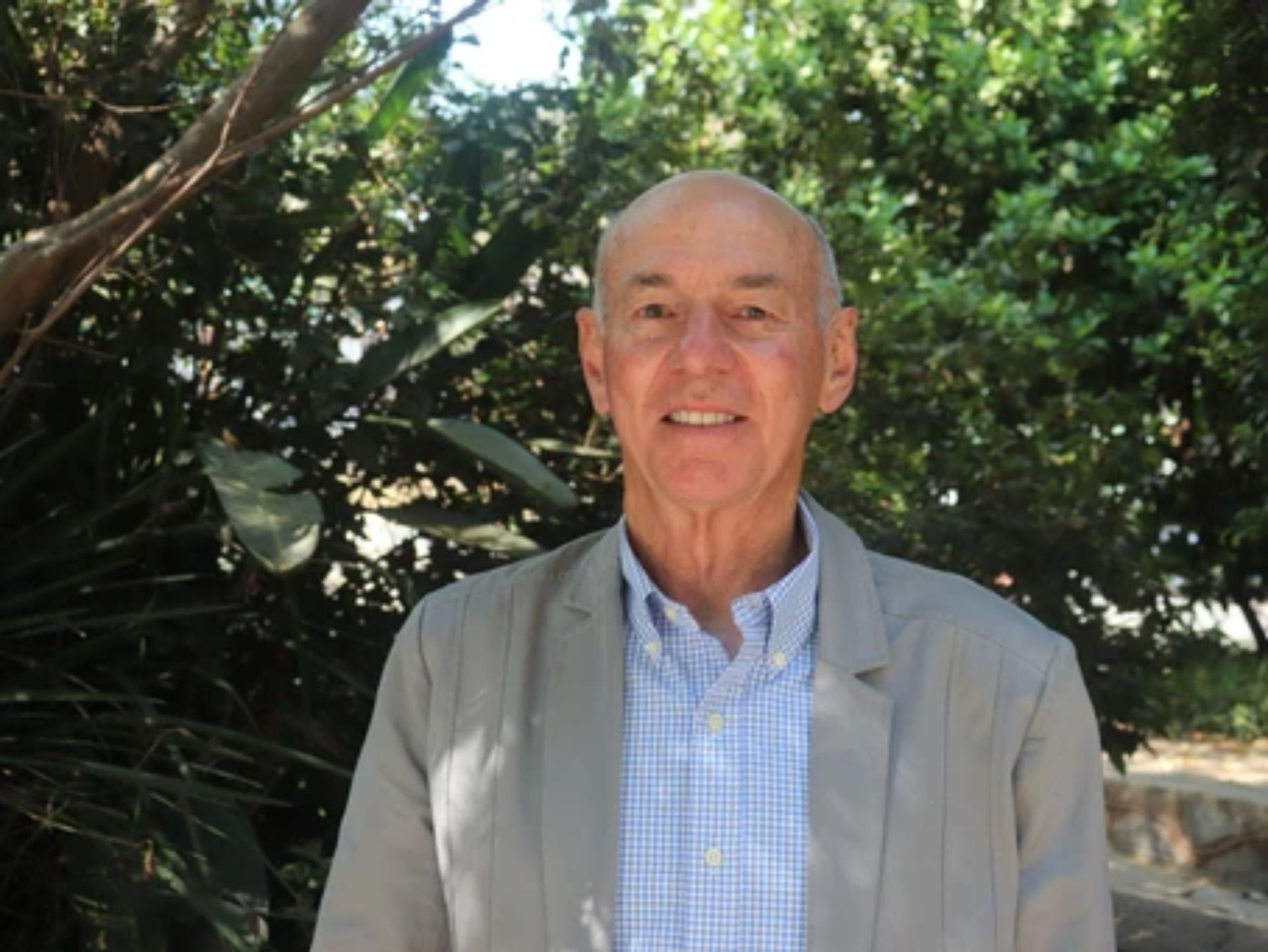
Prof. Paul Singh.
The Labyrinth of Inconvenient Truths
In an era where information is both weapon and currency, Singh stressed the importance of embracing a multifaceted approach to understanding issues. He lamented the prevalence of desirability bias and how it shapes our engagement with complex subjects like climate change. Singh illustrated the dangers of oversimplification through examples ranging from scientific consensus to the polarised media landscape on coffee consumption’s health impacts.
Caveats, Contingencies, and the Quest for Nuance
Singh’s discourse ventured into the realms of scientific communication, urging a balanced approach that acknowledges caveats and contingencies. This, he argued, opens windows to future discoveries rather than closing doors with definitive conclusions. He cautioned against the allure of narrative coherence at the expense of accuracy, advocating for recognising the complex tapestry of evidence that may not always align with our preconceived notions.
Mixed Feelings: The Human Dimension
Perhaps the most resonant part of Singh’s presentation was his exploration of the emotional landscape of polarised discussions. He delved into the complexities of empathy, challenging the simplistic advice of “walking in another’s shoes” with real-world examples that underscore the difficulty of truly understanding opposing viewpoints.
Conclusion: The Path Forward
In concluding his presentation, Singh posited that charged conversations are an invitation to embrace the complexity of reality. He urged the audience to adopt the “3 P’s” – perspective, patience, and perseverance – as tools for navigating the challenging yet invigorating journey towards greater understanding and progress.
Singh’s presentation at the SABPP Conference was more than an academic discourse; it was a clarion call for introspection, understanding, and action. As we navigate the divisive landscapes of our time, his insights offer a beacon of hope for those willing to engage with the world in all its complexity.
On 27 March 2024, the South African System Dynamics Chapter (SASDC) held its first 2024 online seminar where DaVinci Business School’s Dr Greg Tosen led a presentation titled “Design Thinking or Systems Thinking? That is the question!”. He talked about the differences between design thinking and systems thinking, which made everyone think differently about solving complex problems.
Key Points from Dr Greg Tosen
Dr Greg Tosen explained that design thinking focuses on people. It’s about understanding people’s needs, developing ideas, making prototypes, and testing them. This process doesn’t follow a straight line. He noticed that when problems get complex, people who use design thinking try to make these problems simpler than they are.
On the other hand, Dr Tosen said systems thinking looks at the big picture. It seems that people are part of a big, complicated system. This way of thinking helps us see everything as connected and circular, which can be better for solving tough problems.
The Seminar Sparks Conversation
Dr Greg’s seminar wasn’t just a lecture. It made everyone talk and share ideas. It showed how important it is to use systems thinking when we face big challenges.
Looking Ahead
The SASDC has been working since 2014 to help people in Africa (and worldwide) use system dynamics to make better decisions. This seminar is just one of the many events they’re doing this year to teach people more about system dynamics.
Dr Tosen’s talk made us think about how we solve problems. It’s clear that understanding the big system we’re all part of is important. The SASDC will keep hosting seminars like this to keep the conversation going.
What do you think about using design thinking versus systems thinking? Stay tuned for more interesting talks from the SASDC!