Category: Announcements

  • The DSV 2026 Cohort Starts Their Journey At The DaVinci Institute

    The DSV 2026 Cohort Starts Their Journey At The DaVinci Institute

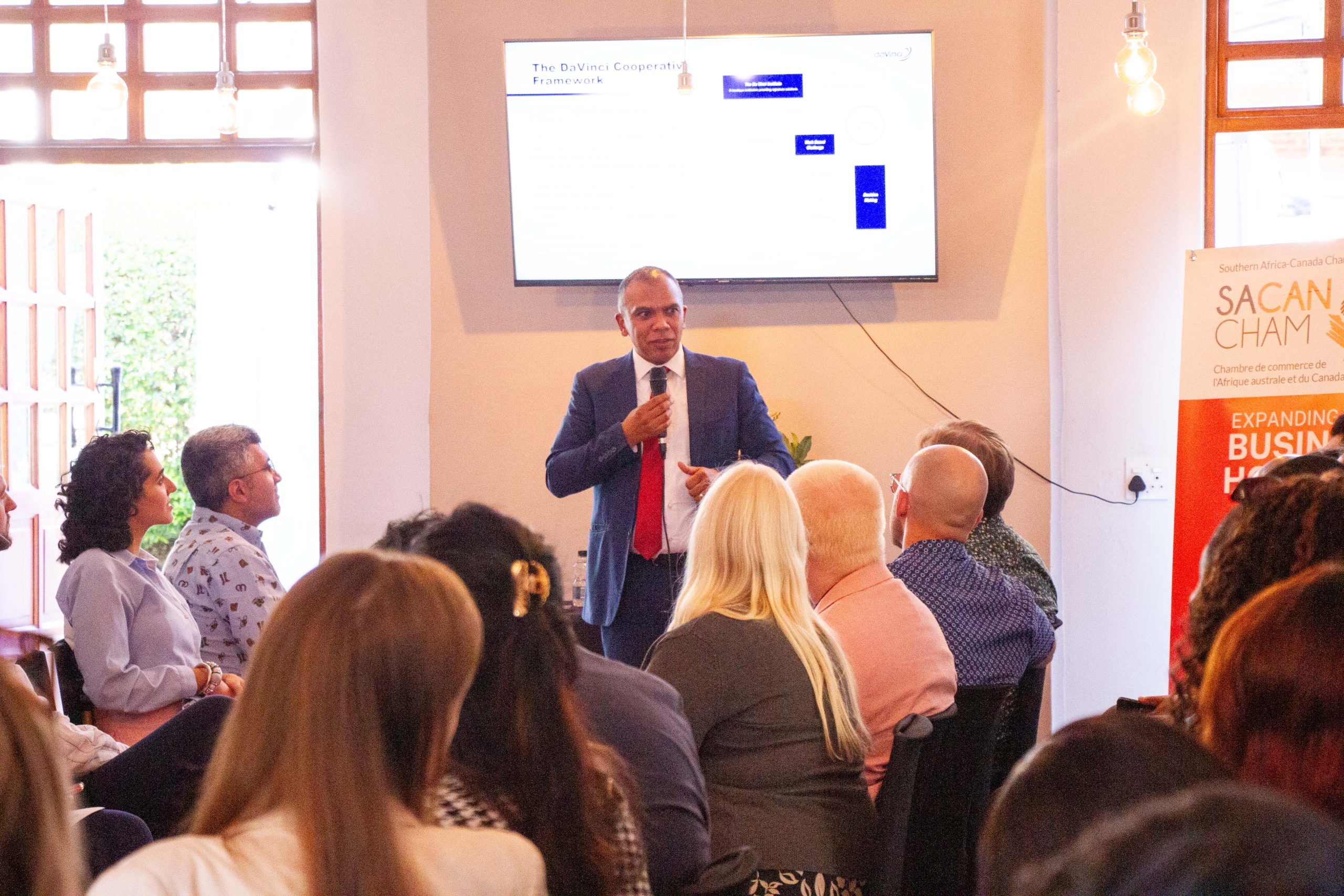
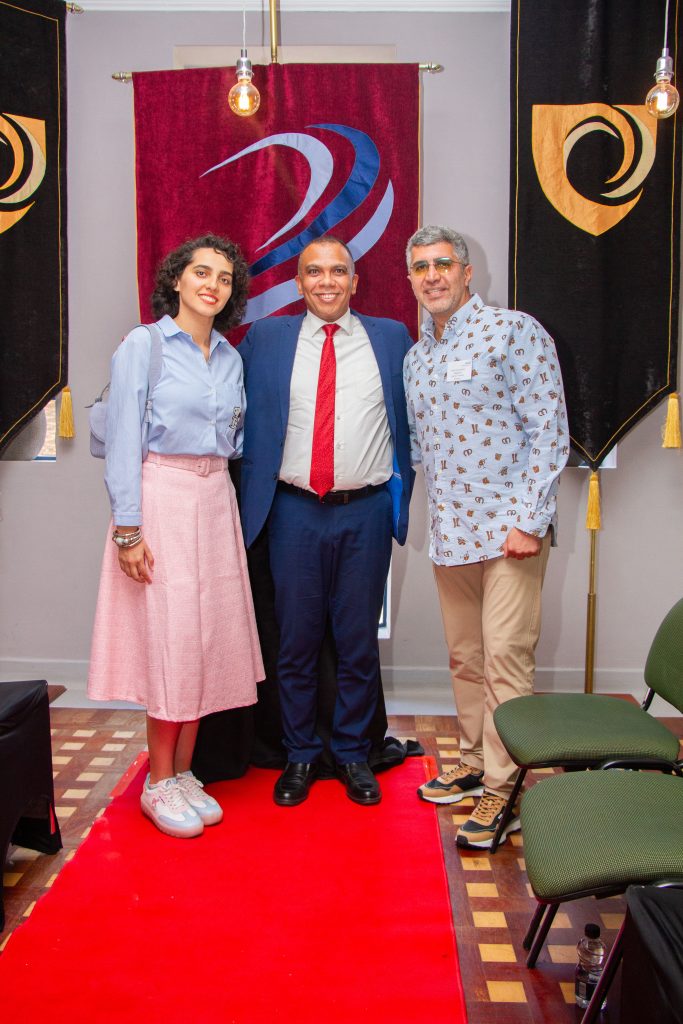
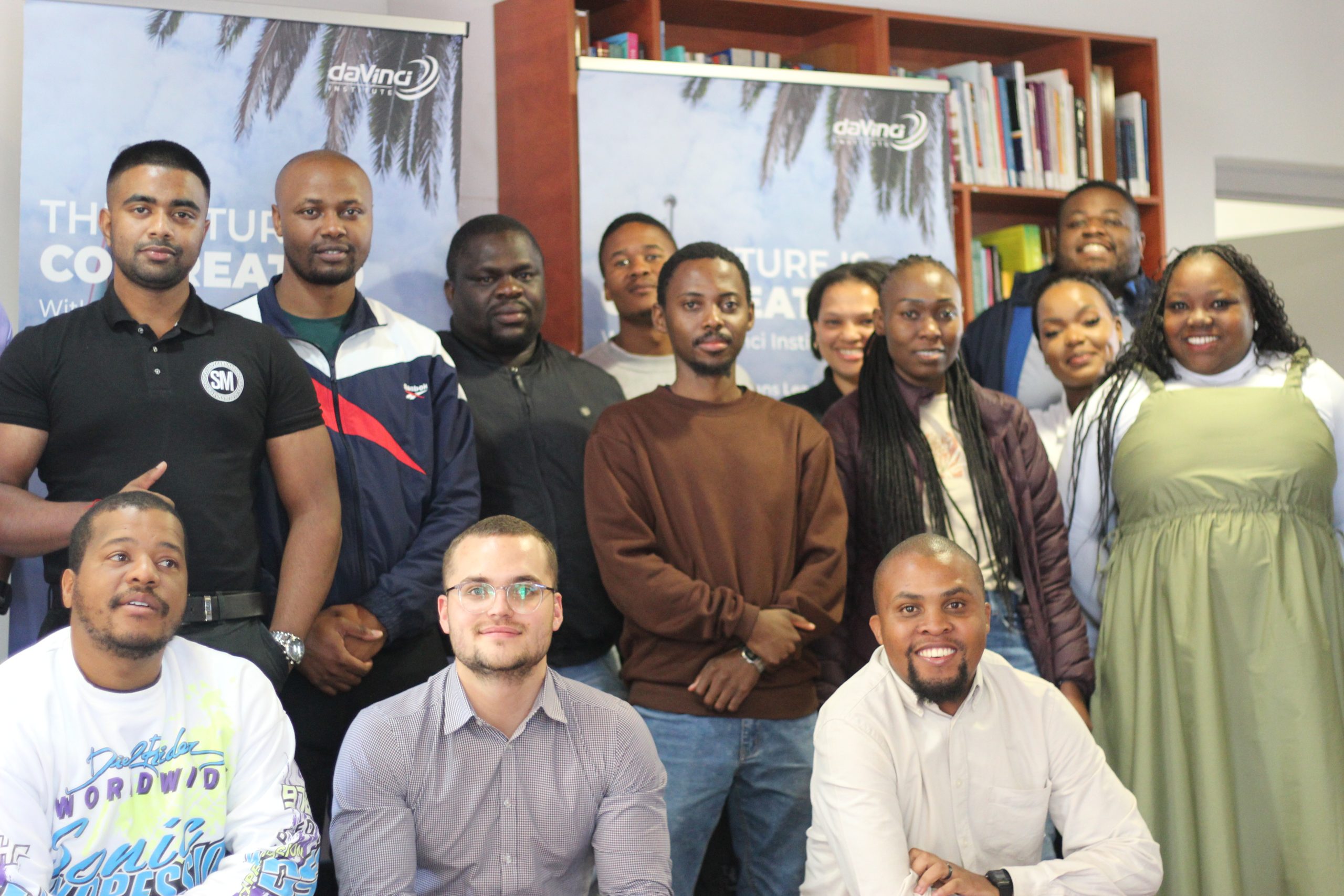
    On 16 and 17 February 2026, a new group of leaders from DSV gathered for their face-to-face onboarding at The DaVinci Institute. While it marked the start of a Higher Certificate in Technology Management and Innovation, it also reflected something more significant: the continued strengthening of a partnership between DSV and DaVinci, one built on trust, shared values and measurable impact.

    This is not a once-off collaboration. It is an evolving relationship grounded in the belief that organisational transformation begins with intentional leadership development.

    A Shared Commitment to Talent Development

    The DSV programme represents a strategic investment in people identified as having high potential across the organisation. Drawing participants from multiple regions, Gqeberha, Cape Town, Durban and Gauteng, the initiative reinforces DSV’s commitment to building interconnected leadership capacity across its national footprint.

    Rather than treating development as an isolated HR intervention, DSV positions this qualification as part of its broader transformation and innovation agenda. The programme is embedded in business realities. Participants are expected to engage directly with operational challenges, interrogate systems and design practical, work-based solutions that contribute to organisational performance.

    For DSV, the message to delegates was clear: selection into the programme reflects both recognition and expectation. This is an investment in capability, and a call to ownership.

    DaVinci’s Co-Creation Philosophy in Action

    The strength of the partnership lies in alignment. DaVinci’s learning philosophy, centred on co-creation, systems thinking and responsible leadership, integrates seamlessly with DSV’s operational complexity and global footprint.

    At DaVinci, learning is not treated as a content delivery system. It is participative, reflective and applied. Students are challenged to remain curious, seek truth beyond assumption, appreciate interconnected systems and embrace responsibility for shaping just and dynamic organisations.

    This philosophy resonates strongly in a global logistics environment, where complexity, digitisation and rapid change demand leaders who think systemically rather than operate in silos.

    The Higher Certificate at NQF Level 5 provides academic rigor and formal articulation pathways, but its real value lies in application. Each participant will develop an integrative learning project rooted in DSV’s live business challenges, presenting their insights and innovations to executive leadership.

    The classroom becomes an extension of the workplace. The workplace becomes a laboratory for innovation.

    Moving Beyond Technical Competence
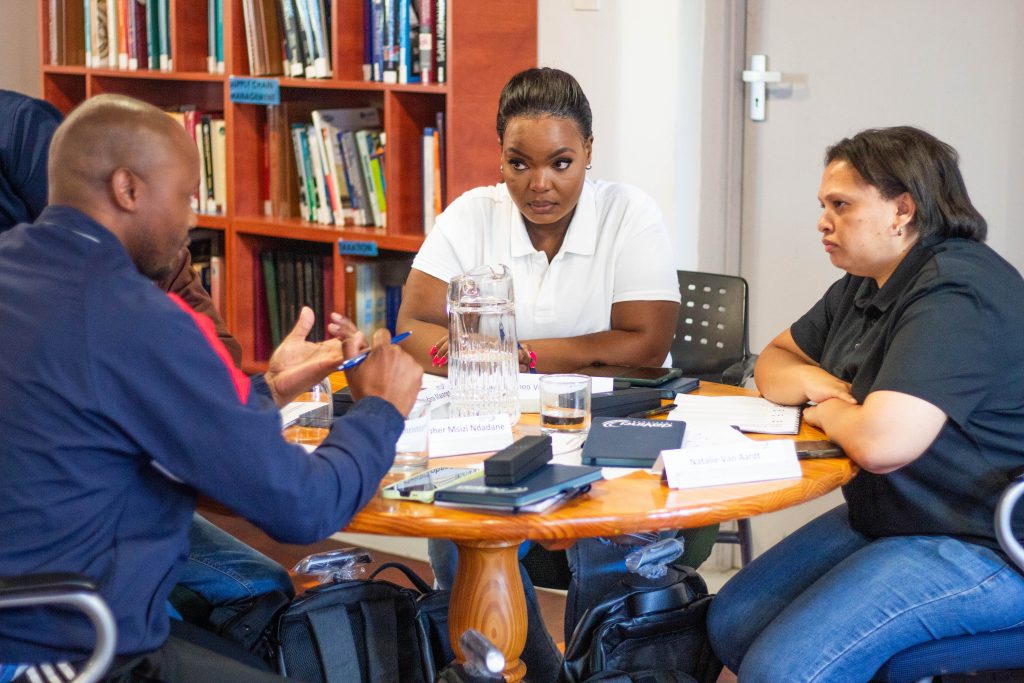
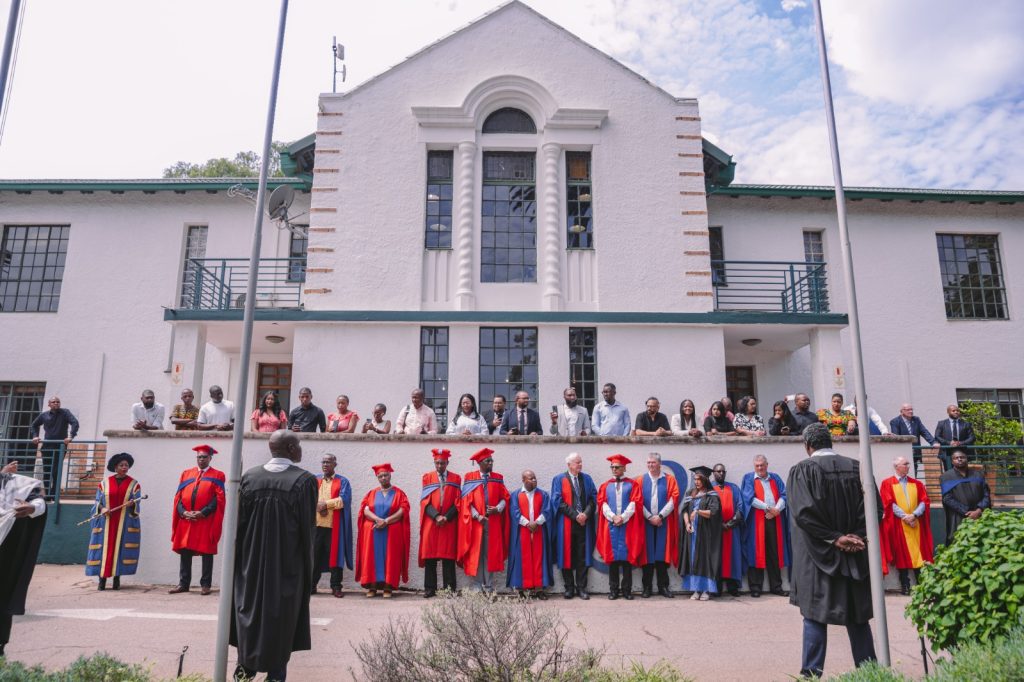
    DSV 2026 Cohort

    One of the recurring themes during onboarding was that technical expertise alone is no longer sufficient. Engineers, IT professionals, operational managers and administrators are increasingly required to lead people, manage uncertainty and interpret layered systems.

    The DSV-DaVinci partnership responds directly to this shift.

    The programme is designed not only to build knowledge, but to transform mindset, cultivating disciplined learning habits, critical thinking and collaborative problem-solving. Participants are encouraged to speak up, engage deeply and take accountability for their development.

    Importantly, the structure is intentionally supportive. A dedicated Learning Coordinator, academic guidance, digital learning platforms and leadership profiling tools ensure that participants are equipped to balance work, study and personal commitments. This integrated support model reflects the maturity of the partnership: both institutions recognise that sustained performance requires both challenge and care.

    A Model of Industry-Academic Collaboration

    The decision to host face-to-face sessions at DaVinci’s campus provides a protected space away from operational distractions. The environment aimed to encourage reflection, dialogue and cross-divisional connection, critical ingredients for innovation.

    Over successive cohorts, the partnership has demonstrated consistent success. Previous groups have achieved strong academic results, with several graduating cum laude, reinforcing DSV’s confidence in its talent identification processes and DaVinci’s ability to translate academic rigor into workplace impact.

    More significantly, the collaboration models what effective industry-academic engagement can look like:

    • Business strategy informs curriculum application.
    • Academic frameworks sharpen business thinking.
    • Organisational oversight supports learner wellbeing.
    • Work-based projects generate real value.

    This reciprocal relationship ensures that the qualification remains relevant, rigorous and responsive to evolving industry demands.

    Co-Creating the Future

    As global logistics continues to digitise and transform, the need for leaders who can integrate technology, manage complexity and drive responsible innovation becomes more urgent. Through this partnership, DSV and DaVinci are not merely delivering a qualification; they are co-creating a leadership pipeline capable of sustaining competitive advantage.

    The 2026 cohort now joins a growing community of DSV professionals shaped through this collaboration, individuals equipped not only with academic credentials but with sharpened strategic awareness and a deeper understanding of their role within interconnected systems.

    The onboarding session, therefore, symbolised more than the beginning of a study journey. It reaffirmed a shared commitment between DSV and DaVinci: to invest deliberately in people, to align learning with strategy, and to co-create the future of leadership in a complex and rapidly evolving environment.

  • The DaVinci Institute Expands Its Accredited Occupational Qualifications Portfolio

    The DaVinci Institute Expands Its Accredited Occupational Qualifications Portfolio

    In response to growing demand for workplace-ready professionals in a transforming economy, The DaVinci Institute has expanded its accredited portfolio with five nationally recognised Occupational and Higher Occupational Certificates. These qualifications, registered on the National Qualifications Framework (NQF) and listed with the South African Qualifications Authority (SAQA), strengthen DaVinci’s commitment to delivering industry-relevant, practice-based learning that advances professional capability and organisational performance.

    Occupational Certificate: Project Manager

    SAQA ID: 101869

    This qualification prepares professionals to plan, execute, monitor and close projects effectively within diverse organisational environments. The programme develops competence in project integration, scope, time, cost, quality, risk and stakeholder management. Graduates will be equipped to lead projects across sectors, ensuring delivery within defined constraints while aligning outcomes to strategic objectives.

    Occupational Certificate: Small Business Consultant

    SAQA ID: 118741

    Designed for professionals supporting entrepreneurship and enterprise development, this qualification develops expertise in advising, mentoring and guiding small businesses toward sustainability and growth. The programme strengthens capacity in business diagnostics, financial management, compliance, strategy and operational improvement, contributing meaningfully to South Africa’s entrepreneurial ecosystem.

    Occupational Certificate: Retail Chain Store Manager

    SAQA ID: 103150

    This qualification develops managerial capability within the retail sector, focusing on operational excellence, financial performance, customer experience, merchandising and team leadership. Graduates will be prepared to manage retail chain stores effectively in competitive and technology-driven environments.

    Higher Occupational Certificate: Human Resource Management Administrator

    SAQA ID: 121150

    This Higher Occupational Certificate equips learners with specialised knowledge and practical skills in HR administration, labour legislation, payroll processes, talent support and organisational compliance. The programme prepares HR professionals to function as competent administrators within complex organisational systems.

    Occupational Certificate: Training and Development Practitioner

    SAQA ID: 101321

    This qualification develops professionals who design, facilitate and evaluate learning interventions within organisations. It emphasises workplace learning, skills development legislation, instructional design and assessment practice. Graduates will be positioned to contribute meaningfully to organisational capability development and national skills advancement.

    Strengthening Professional Practice in a Transforming Economy

    The inclusion of these qualifications reflects The DaVinci Institute’s strategic commitment to:

    • Advancing occupational excellence
    • Bridging theory and practice
    • Supporting economic development and organisational sustainability
    • Enhancing employability and professional credibility

    These programmes are structured to combine theoretical insight, applied learning and workplace-based experience, ensuring graduates are workplace-ready and future-fit.

    Prospective students, corporate partners and industry stakeholders are invited to engage with The DaVinci Institute to explore enrolment pathways, corporate partnerships and customised delivery options

  • Faculty Leadership Update And Appointments

    Faculty Leadership Update And Appointments

    Dear DaVinci Community,

    We would like to share an update on recent changes and appointments within the faculty leadership at The DaVinci Institute. These changes reflect our ongoing commitment to academic continuity, strong leadership, and the purposeful growth of our learning ecosystem.

    At the end of December 2025, Prof Lucky Mathebula stepped down from his dual role as Head of Faculty: People Management and Head of Programme for the Higher Certificate in Management of Technology and Innovation, Advanced Certificate in Business Innovation Management, and Advanced Diploma in Innovation Management Practices. Prof Mathebula will continue his association with DaVinci through his organisation, Thinc Foundation, maintaining a valued relationship grounded in shared purpose and ongoing collaboration. 

    During the same period, Prof Ben Anderson stepped down from his role as Head of Faculty: Technology Management, while continuing in his role as Head of Programme for the Postgraduate Diploma in Business Leadership, Master of Management in Technology and Innovation and Master of Business Leadership. Following these changes, the Institute undertook a careful review of faculty leadership to ensure alignment with our strategic priorities and to strengthen leadership capacity across our academic environment.

    We are pleased to announce the following appointments:

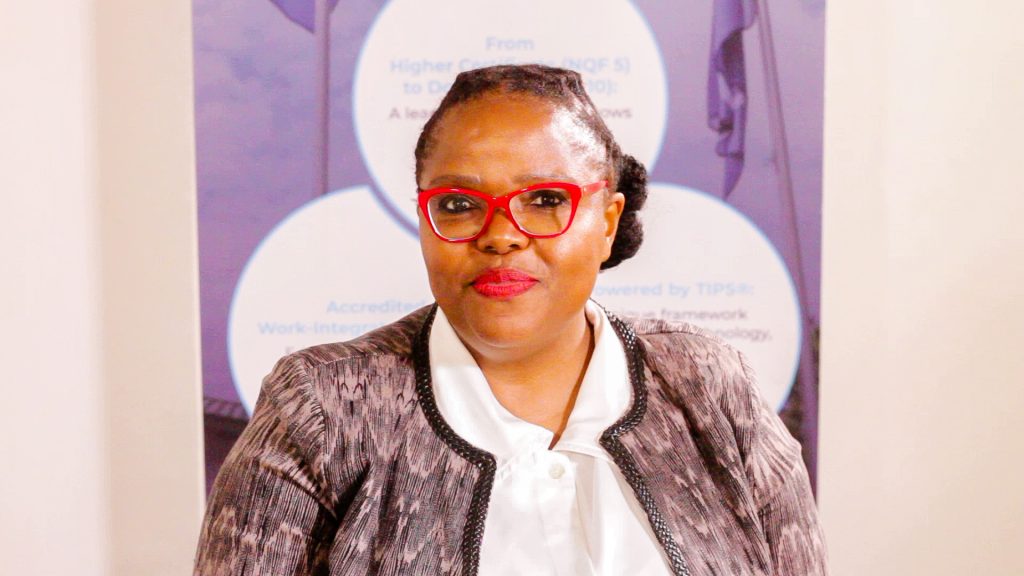
    Dr Mamohau Sekgaphane has been appointed Head of Faculty: People Management, while continuing in her role as Head of Programme: Bachelor of Commerce in Business Management. Dr Sekgaphane will lead the People Management faculty from January 2026 with a focus on academic coherence, reflective leadership, and meaningful impact. 

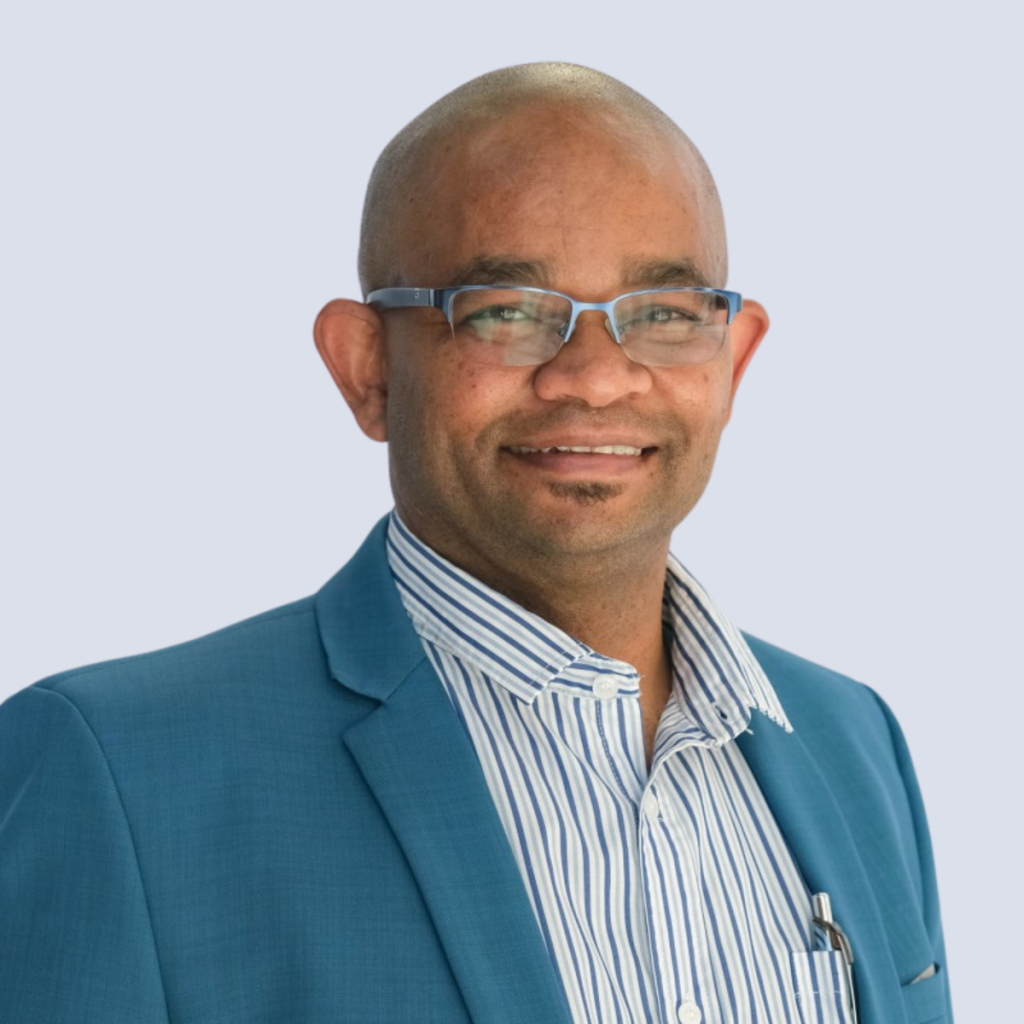
    Dr Sam February has been appointed Head of Faculty: Technology and Innovation Management, in addition to his role as Head of Programme for our Higher Certificate in Management of Technology and Innovation, Advanced Certificate in Business Innovation Management, and Advanced Diploma in Innovation Management Practices. 

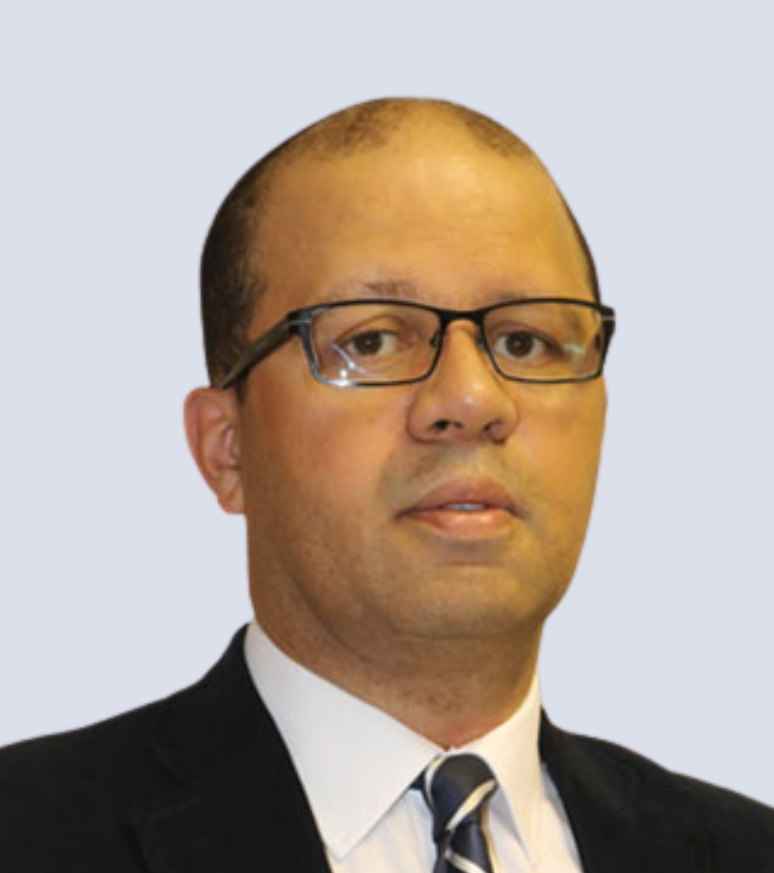
    Dr Gavin Isaacs remains Head of Faculty: Systems and Research, alongside his role as Head of Programme for our Doctor of Business Leadership and Doctor of Management in Technology and Innovation, continuing to guide DaVinci’s research depth, systemic inquiry, and scholarly integrity.

    These appointments reaffirm DaVinci’s commitment to thoughtful academic leadership, continuity, and the ongoing development of our faculties and programmes in service of our broader purpose.

    We thank our community for its continued engagement, trust, and contribution as we move forward together.

    Warm regards,
    The DaVinci Institute

    Heads of Faculty

    • Dr Sam February, Head of Faculty: Technology and Innovation Management
    • Dr Mamohau Sekgaphane, Head of Faculty: People Management
    • Dr Gavin Isaacs, Head of Faculty: Systems and Research

    Heads of Programme and Programmes

    Head of ProgrammeProgrammes/ Qualifications
    Dr Sam FebruaryHigher Certificate in Management of Technology and Innovation (NQF 5)Advanced Certificate in Business Innovation Management (NQF 6)Advanced Diploma in Innovation Management Practices (NQF 7).
    Dr Mamohau SekgaphaneBachelor of Commerce in Business Management (NQF 7)
    Prof Ben AndersonPostgraduate Diploma in Business Leadership (NQF 8)Master of Management in Technology and Innovation (NQF 9)Master of Business Leadership (NQF 9)
    Dr Gavin IsaacsDoctor of Business Leadership (NQF 10)Doctor of Management in Technology and Innovation (NQF 10)
  • Announcement Of New DaVinci Qualifications For 2026 Enrolment

    Announcement Of New DaVinci Qualifications For 2026 Enrolment

    We are excited to introduce the DaVinci new qualifications as a reflection of our belief that learning is about more than what you know. They are built to support individuals in developing the mindset and capability to engage with complexity and create meaningful change.

    Introducing New DaVinci Qualifications

    It is in this spirit that The DaVinci Institute is proud to announce the launch of two new qualifications available for enrolment from 2026:

    Designed for Emerging Leaders and Innovators

    These DaVinci new qualifications are designed for emerging leaders, entrepreneurs, and professionals who seek to navigate and shape the evolving landscapes of business and society. They offer a distinctive journey that integrates theory with practice, reflection with action, and individual purpose with organisational value creation.

    A Human-Centric Approach to Innovation and Systems Thinking

    Rooted in the institute’s human-centric approach to innovation, both programmes explore how systems thinking, strategic foresight, and design-driven innovation can open new possibilities. Students will engage deeply with contemporary models of organisational agility, ethical leadership, and creativity, aligned with the principles of the Fifth Industrial Revolution (5IR), where technology and humanity converge to create a meaningful impact.

    An Invitation to Join a Community of Change Agents

    The DaVinci House entrace
    The DaVinci Institute’s headquarters building.

    Whether you are advancing your career, building your enterprise, or reimagining your contribution to the future economy, these qualifications invite you to become part of a dynamic community of thinkers, creators, and change agents.

    Shaping Sustainable Futures Through Curiosity and Collaboration

    The institute invites you to shape sustainable futures, not through compliance, but through curiosity, collaboration, and innovation.

    More details to follow on these DaVinci qualifications. The DaVinci Institute, co-creating sustainable futures through innovation.

  • Congratulations To The Matric Class Of 2025

    Congratulations To The Matric Class Of 2025

    The DaVinci Institute wishes to congratulate the Class of 2025 on the release of their National Senior Certificate (NSC) results and commends every learner for this achievement. Completing matric is not only a personal achievement; it represents resilience, discipline and hope for South Africa’s future.

    We acknowledge the parents, teachers, school leaders and communities whose commitment has supported these learners through an increasingly complex educational and social environment.

    A Systemic Capacity Challenge in Higher Education

    However, as we celebrate this moment, we must also confront a persistent structural challenge in South Africa’s higher education system: the growing mismatch between the number of qualified school leavers and the limited capacity of public higher education institutions. Each year, hundreds of thousands of capable young people meet the academic requirements for further study. Still, many are unable to secure places at universities and TVET colleges due to space, funding and infrastructure constraints.

    This is not a failure of learners; it is a systemic capacity challenge.

    A Shared National Responsibility

    If South Africa is to realise its developmental ambitions, we must view post-school education as a shared national responsibility, requiring coordinated contribution from public institutions, private providers and industry.

    Institutions such as The DaVinci Institute play a complementary and important role in this ecosystem.

    The Role of The DaVinci Institute

    As a private higher education institution focused on innovation, leadership, and applied knowledge, DaVinci can:
    · Expand access to quality, accredited higher education through flexible learning models.
    · Provide alternative entry pathways for students who may not follow traditional academic routes.
    · Offer programmes that are closely aligned to industry needs, entrepreneurship, and societal challenges.
    · Support lifelong learning and upskilling for young people and working professionals alike.

    Private institutions do not replace the public system; they relieve pressure on it, extend its reach, and diversify the forms of learning available to South Africans.

    A Message to Learners Still Seeking Placement

    To the learners who did not secure a place at a public institution this year: your future has not been closed, it has simply taken a different route. There are credible, quality, and empowering pathways available and what matters most is not where you start, but how you grow, learn, and contribute.

    Our Ongoing Commitment

    The DaVinci Institute remains committed to being part of a higher education system that is inclusive, innovative, and responsive to the needs of our society and economy. We congratulate the Class of 2026 once again and look forward to walking alongside those who choose to continue their learning journey with us. Matriculants who meet the minimum requirements are invited to enrol for either aHigher Certificate in Management of Technology and Innovation or a Bachelor of Commerce in Business Management. To request more information, please complete this enquiry form.

  • Meet DaVinci Alumnus And New Convocation Executive Member – Bram Meyerson

    Meet DaVinci Alumnus And New Convocation Executive Member – Bram Meyerson

    The DaVinci Institute Alumnus and new Convocation Executive Member, Bram Meyerson’s professional career began in the late 1980s, when information technology was rapidly evolving. After studying Computer Science and Applied Mathematics at the University of the Witwatersrand, he began his career in 1987 at a consulting firm that operated at the interface between business and technology.

    Unlike traditional firms, the consultancy focused on IT strategy and systems design, helping organisations translate strategic intent into effective technology solutions. By 1992, Meyerson had gained enough confidence to start his own company, Quantimetrics, which brought a unique methodology to South Africa, quantitative measurement for software development projects, similar to quantity surveying in construction.

    Through this approach, he was able to measure software project size and complexity, benchmark software-delivery efficiency across companies, and help clients estimate costs and performance outcomes. Over time, his work expanded to include operational benchmarking across banks, asset managers, and insurance companies, enabling organisations to compare performance anonymously and identify efficiency gaps. 

    Measurement and Systems Thinking

    Meyerson’s interest in benchmarking evolved into a deeper curiosity about systems thinking, the understanding of cause-and-effect relationships within organisations. This curiosity led him to pursue a master’s degree at The DaVinci Institute, where his dissertation focused on “The Role and Relevance of Benchmarking in Information-Intensive Organisations.”

    “The key takeaway from my time at DaVinci was learning to think systemically. After completing a benchmarking study, I could facilitate a workshop and use systems thinking to show clients how different levers influence outcomes of operational strategies, what causes these outcomes, and where to intervene,” he recalls.

    This systems-based approach now underpins much of his work in IT management, cost evaluation, forensic analysis, and risk management, all disciplines that rely on quantifiable data and systemic insight. Meyerson’s mantra now is to help his clients ensure that they get “value” from their technology investments. 

    Governance, Risk, and Automation 

    Over the years, Meyerson’s professional interests have expanded to include corporate governance and risk management. He is a member of the Institute of Directors South Africa (IoDSA). His governance expertise includes serving as the independent Chairperson of the ITC Steering Committee within a government entity that forms part of the DTIC Group, the Department of Trade, Industry, and Competition.

    More recently, he has ventured into automation, leading a Pan-African distributorship for an Australian software company that automates complex finance processes. Unlike traditional Robotic Process Automation (RPA), which replaces low-skill manual tasks, this platform automates high-value processes managed by skilled professionals, reducing turnaround times from days to minutes while retaining human oversight.

    However, Meyerson is quick to emphasise a balanced approach to technology adoption.

    “We must be careful not to use technology to replace people. Automation should free people from repetitive work so they can focus on analysis, decision-making, and value creation,” he cautions.

    Technology and the Informal Economy

    Reflecting on South Africa’s socio-economic challenges, Meyerson acknowledges the limitations of current manual systems and the need for technology-driven insights. Yet, he warns against viewing automation solely as a tool for efficiency.

    “The challenge is not whether the technology exists, but how we use it responsibly. The solution lies in designing what he describes as “the capable enterprise”, which includes repurposing people into new roles. 

    For Meyerson, ethical technology management, a theme aligned with the new King V governance principles, must go hand-in-hand with people development. Without clear communication and proper change management, he warns, employees can feel threatened and even resist digital transformation.

    Balancing Industrialisation and the Creative Economy

    When asked about the tension between industrialisation and the creative economy, Meyerson points to the importance of attitude and education. He contrasts the digital appetite, based on his experience in automation adoption in Kenya, which he believes has an emerging innovation-driven mobile-first attitude. In South Africa, the supply of digital skills from formal education is not keeping pace with demand.

    “Governments need to provide educational pathways that match the skills required by the economy,” he alludes.

    Reimagining DaVinci’s Role and the Future of Learning

    As a newly appointed member of The DaVinci Institute’s Convocation Executive Committee, Meyerson is eager to contribute to strengthening the bridge between academia and industry. He praises the applied learning philosophy of DaVinci but believes the institute can go further in aligning student research with real-world industry challenges.

    He also sees opportunities to refresh the research methodology component, making it more engaging and practically oriented, and to embed governance and sustainability themes more deeply into the TIPS™ Framework.

    From Mode 1 to Mode 2 and Beyond

    Having studied in a Mode 1 (traditional) environment before experiencing Mode 2 (applied, transdisciplinary) learning at DaVinci, Meyerson appreciates the stark contrast and the need for both.He believes that schools and universities should promote STEM,  Science, Technology, Engineering, and Mathematics curriculum and that students should also have broader exposure to disciplines like psychology, economics, and politics, subjects that help students understand how the “world works,” he reflects. Many of South Africa’s skill challenges result from an overreliance on Mode 1 education, which prioritises theory over application. He advocates for a broader, more holistic approach to learning, one that equips graduates to think critically, adapt to change, and navigate complex systems.

    Closing Remarks

    Bram Meyerson’s journey has pivoted from the foundations of technology management to a future defined by systems thinking, ethical leadership, and responsible innovation. Bram views technology as a transformative enabler that empowers people, unlocks human potential, and propels organisations toward purposeful, sustainable growth

  • DaVinci Institute Faculty Member, Sinaye Mgolombane, Appointed To The GAPPS Board Of Directors

    DaVinci Institute Faculty Member, Sinaye Mgolombane, Appointed To The GAPPS Board Of Directors

    The DaVinci Institute proudly congratulates Sinaye Mgolombane, one of our faculty members, on his appointment to the GAPPS Board of Directors, effective 1 July 2025. This significant milestone reflects his exceptional leadership and dedication to advancing the project management profession, both in South Africa and on the global stage.

    Recognising an Accomplished Leader

    Mgolombane is a distinguished Project Management Professional, Business Executive, Digital Transformation Champion, and Environmentalist based in Johannesburg. With over two decades of experience across sectors including transport, financial services, construction, defence and petrochemicals, he has successfully led complex and large-scale strategic programmes that have shaped industries and driven meaningful impact. Beyond his role at The DaVinci Institute, he serves as the Chairman of the Board of Directors for PMSA, where he continues to champion excellence and innovation in the field.

    Championing Project Management in Africa

    A passionate advocate for project management in Africa, Mgolombane has authored widely read articles such as “The Impact of AI in Infrastructure Development” and “Strategic Project Governance in a Non-Projectized Environment: A South African Perspective”, published in the PM World Journal. He has also delivered thought-provoking talks on topics such as strategy implementation through projects, inspiring professionals across the continent.

    About GAPPS and Its Global Role

    The Global Alliance for the Project Professions (GAPPS) is a nonprofit organisation that provides independent benchmarks for project management standards and assessments. Since 2003, it has brought together government, industry, professional associations, qualification bodies and academic institutions to build a shared global framework for project management. PMSA is one of GAPPS’s founding members, and this appointment further strengthens the connection between African leadership and the global project management community.

    Advancing Global Recognition: Sinaye Mgolombane

    Through this directorship, Mgolombane will help advance the international recognition of PMSA designations and contribute to shaping global standards for the profession.

    “I am honoured to join the GAPPS Board of Directors and look forward to contributing to its continued success. I am particularly drawn to the organisation’s commitment to thought leadership in project, programme and portfolio management, and I am eager to work alongside the talented team to achieve its objectives,” he shared.

    The DaVinci Institute celebrates this remarkable achievement and extends heartfelt congratulations to Sinaye Mgolombane. His appointment is a source of pride for our academic community and a reflection of the calibre of leaders who form part of The DaVinci Institute.

  • The DaVinci Institute Hosts Futurpreneur Canada’s National NPO To Empower Small Businesses

    The DaVinci Institute Hosts Futurpreneur Canada’s National NPO To Empower Small Businesses

    At The DaVinci Institute, we believe in ideas that change the world. On 17 September 2025, we had the privilege of hosting Futurpreneur, Canada’s only national non-profit dedicated to helping aspiring entrepreneurs to turn their business dreams into reality.

    A Legacy of Supporting Young Entrepreneurs

    For over 25 years, Futurpreneur has championed young entrepreneurs by offering not only inclusive financing but also mentorship and resources that open opportunities. What makes their model remarkable is its blend of practical support and human connection, pairing ambitious founders with seasoned mentors who know the highs and lows of building something from scratch.

    A Room Full of Energy and Ideas

    The energy during the session was contagious. Entrepreneurs and emerging business leaders shared stories of their ventures and how their work is creating meaningful change within their communities. The presence of Futurpreneur reminded everyone that while entrepreneurship can feel daunting, it is never a journey that must be taken alone. With the right mentorship, support, and determination, bold ideas can evolve into thriving, sustainable enterprises.

    The DaVinci Institute’s Commitment to Innovation

    At The DaVinci Institute, we are committed to cultivating leaders who are innovative, adaptable, and purpose driven. By creating spaces where global organisations like Futurpreneur can connect with our community, we are strengthening bridges that empower entrepreneurs to step into their futures with confidence.

    Why Entrepreneurship Matters

    Hosting Futurpreneur was more than just an event; it was a reminder of why entrepreneurship matters. Beyond individual success, it fuels economies, strengthens communities, and shapes societies. At DaVinci, we are proud to play our part in nurturing the next generation of innovators, and this gathering marked another milestone in that journey.

  • The DaVinci Institute Celebrates President
Edward Kieswetter’s Technology Leader
Award

    The DaVinci Institute Celebrates President Edward Kieswetter’s Technology Leader Award

    The President of The DaVinci Institute, Edward Kieswetter, has been recognised with the Technology Leader Award at the Digital Public Service Awards. This honour is not only a celebration of his leadership, but also a moment of pride for our entire institution.

    At The DaVinci Institute, we see this recognition as proof of what is possible when bold thinking meets purpose. It is a story about innovation, courage, and the power of education to shape futures.

    Recognising Excellence in Digital Leadership

    President Kieswetter

    Hosted alongside the State Information Technology Agency’s GovTech 2025 Conference, the Digital Public Service Awards highlight excellence in technology and governance across South Africa. President Edward Kieswetter was honoured for guiding one of the country’s most complex organisations into a modern, data-driven era.

    The DaVinci Institute celebrates this as more than an award. It is a signal of the kind of leadership that can transform not just systems, but lives.

    Alignment with DaVinci’s Purpose

    For two decades, The DaVinci Institute has prepared leaders who think differently. Our approach integrates Technology, Innovation, People, and Systems (TIPS), equipping managers and leaders to thrive in a complex environment. President Kieswetter’s recognition is closely aligned with our purpose. It shows that leadership rooted in innovation is leadership that lasts.

    More than Recognition

    While the award acknowledges digital progress at the South African Revenue Service (SARS), its meaning stretches even further. It represents a commitment to transformation, resilience and forward-thinking leadership. At the institute, we are proud to share in this achievement, knowing that it resonates deeply with our mission to co-create sustainable futures.

    Looking to the Future

    As the institute celebrates 20 years of empowering remarkable leaders, this award reminds us of the road ahead. Leadership is not about titles alone. It is about vision, action and impact.

    We congratulate President Edward Kieswetter on this outstanding honour. His example inspires our students, alumni and partners to embrace change and create meaningful impact in the world.

  • DaVinci Institute Partners With Thinc Foundation To Advance Transformative Education

    DaVinci Institute Partners With Thinc Foundation To Advance Transformative Education

    The DaVinci Institute has partnered with the Thinc Foundation, marking a significant step forward in advancing transformative, future-focused education in South Africa and beyond.

    A Strategic Partnership for Future-Focused Learning

    This collaboration brings together the innovation-driven ethos of the DaVinci Institute and the developmental vision of the Thinc Foundation to co-create, facilitate, and promote accredited education programmes under the DaVinci brand.

    Shared Commitment to Empowerment

    With a shared commitment to empowering individuals and communities through learning, the partnership is poised to deliver programmes that are not only academically rigorous but also deeply responsive to the evolving social and economic landscape.

    Combining Strengths for Impact

    This association will leverage the unique strengths of both organisations:

    • DaVinci Institute’s expertise in designing human-centric, systems-thinking-based learning journeys
    • Thinc Foundation’s commitment to innovation, social impact, and entrepreneurial development

    Together, the partners aim to offer transformative educational experiences through their facilities, including programmes in Economic Transformation, Local Government, and Public Administration, among others.

    Addressing South Africa’s Key Challenges

    Mandla Letlape
    Mandla Letlape – CEO of Thinc Foundation

    “This collaboration is aimed at developing long-term thinking to address South Africa’s key challenges, using evidence-based research and academic rigour to frame and understand the issues the country faces,” said Thinc Foundation CEO, Mandla Letlape.

    Enhancing Student Learning

    Through this strategic collaboration, students can expect enriched learning experiences that integrate:

    • Real-world relevance
    • Practical insights
    • Visionary thinking

    These are all hallmarks of the DaVinci approach to education.

    Enhancing Public Sector Leadership

    Prof Ben Anderson

    “This partnership will focus on developing business leaders, using DaVinci’s TIPS™ framework to enhance the public sector through rigorous research. Furthermore, it aims to improve the state of local government in South Africa,” stated DaVinci Institute CEO, Prof Ben Anderson.

    Looking Ahead

    The DaVinci Institute and Thinc Foundation look forward to launching their first joint initiatives in the coming months. They invite all prospective students, stakeholders, and partners to join this exciting journey toward educational transformation and innovation.