
Postgraduate research is often treated as a technical exercise, a proposal to submit, a thesis or a dissertation to defend, or a qualification to complete. Yet as the room settled on the first morning at DaVinci House, it became clear that this gathering would challenge that assumption.
“Are you writing to pass or are you writing to influence?” asked Prof Ben Anderson, CEO of The DaVinci Institute.
The silence that followed was not uncertainty; it was recognition.
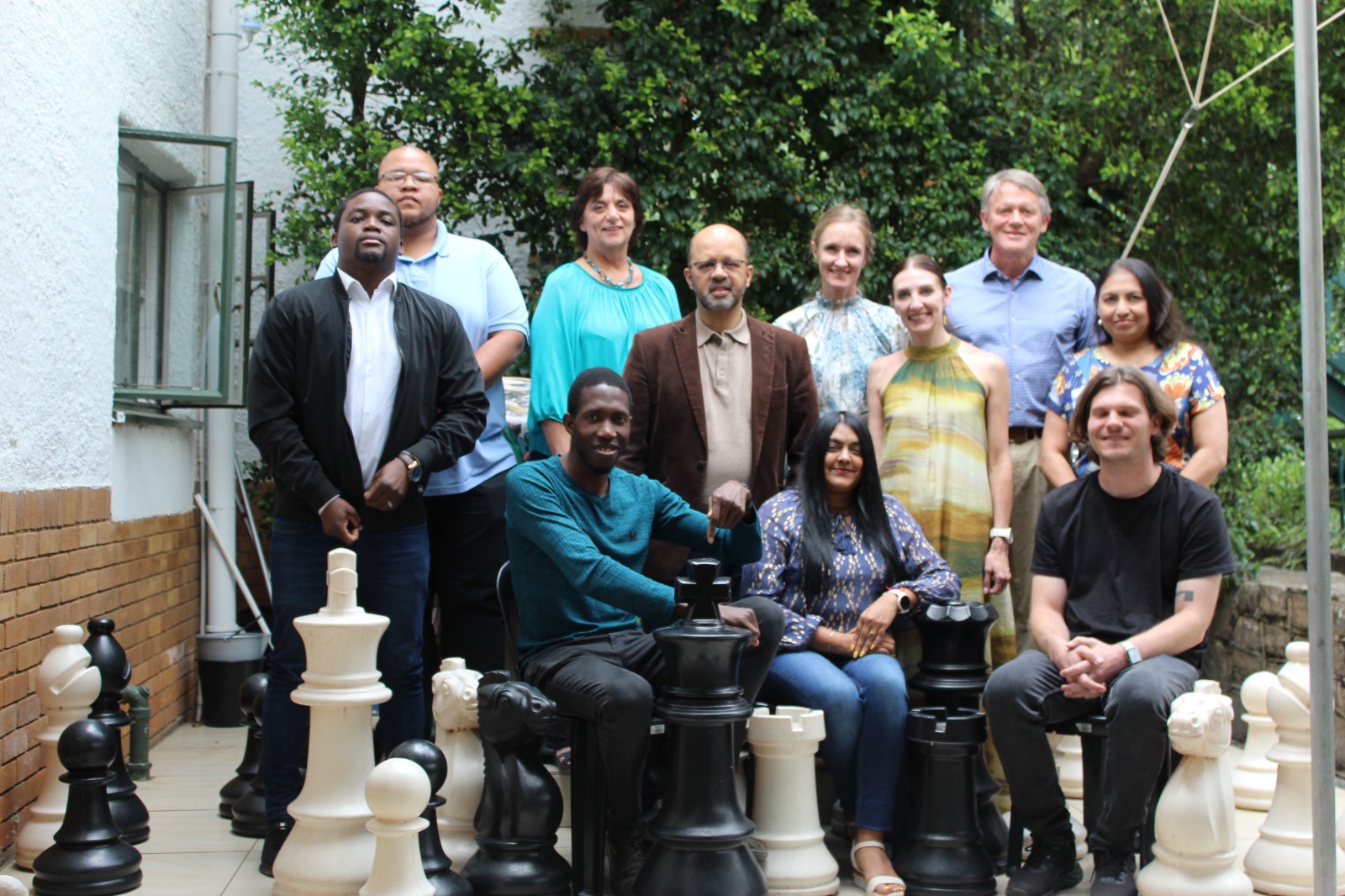
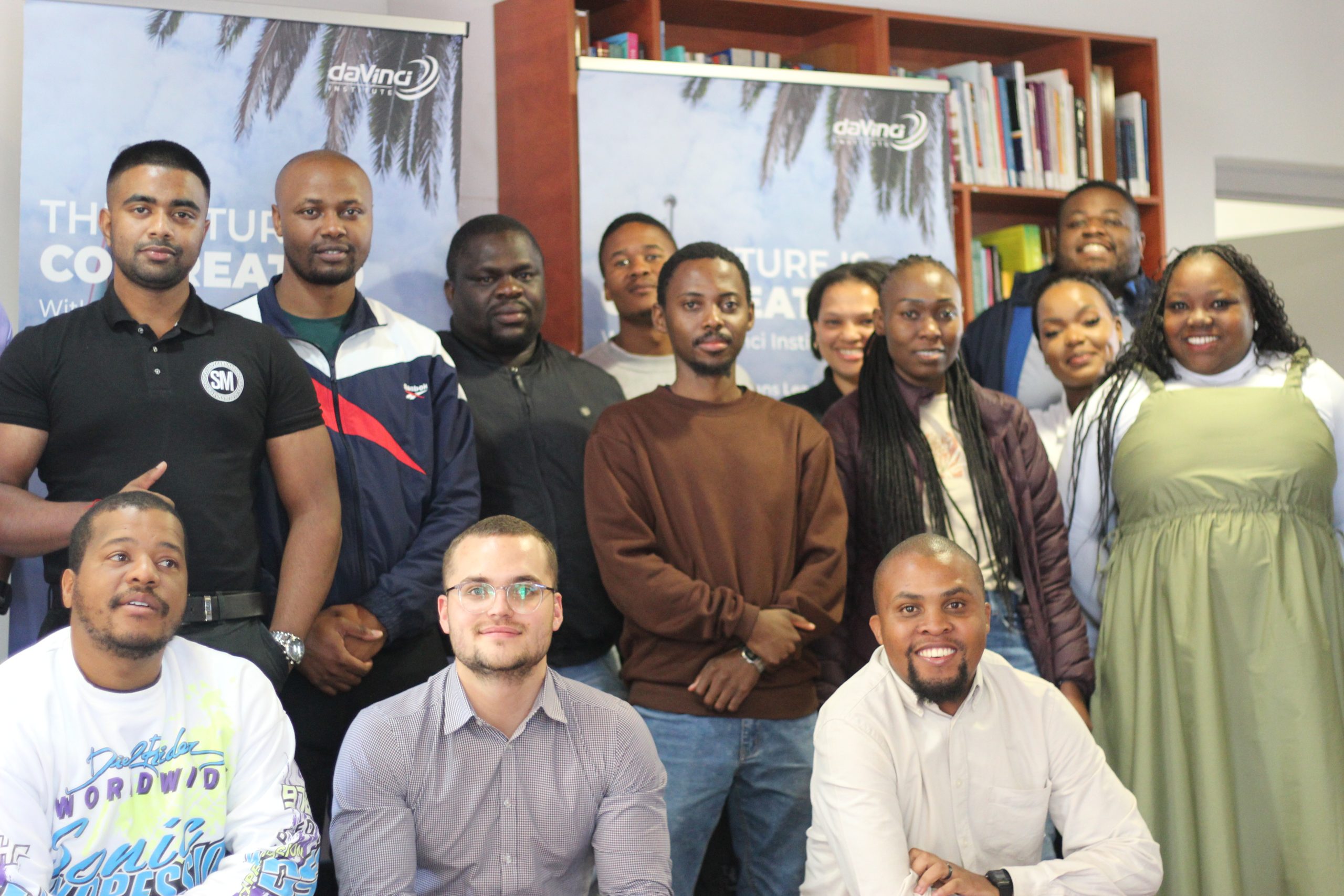
The two-day research workshop, convened by South African Private Higher Education (SAPHE) and proudly sponsored by ETDP SETA, brought together postgraduate scholars and academic leaders from across SAPHE member institutions. Present in the room were representatives from The Independent Institute of Education, INSCAPE, Foundation for Professional Development, IMM Graduate School, Eduvos, and The DaVinci Institute.
What unfolded over the two days was less a technical seminar and more an intellectual reset.
Day One: Confronting the Researcher Within
Day One opened with energy, curiosity, and at times, discomfort. Participants were invited to interrogate how they approach postgraduate research.
Some indicated that they realised they have been writing cautiously. One participant reflected during a roundtable exchange: “Almost as if I am asking permission to have a perspective.”
Another added, “I start from my professional practice, but I often struggle to translate that lived experience into scholarly argument.”
The discussion revealed a shared tension: many researchers approach postgraduate study with deep professional insight, yet hesitate to claim authority in academic spaces.
Prof Anderson challenged the group to move beyond compliance-driven research. Finding one’s scholarly voice, he argued, requires intellectual courage, the willingness to position oneself clearly within theory, methodology, and argument.
The room was animated, notebooks open, ideas crossing tables, debates forming and reforming. By mid-afternoon, conversations had shifted from “How do I complete this?” to “What am I really trying to change?”
Research Across Systems: From Micro to Macro Influence

A defining moment of the workshop came as the conversation expanded beyond individual theses to systemic influence. Participants mapped their potential impact across interconnected systems:
- Microsystem: their immediate classrooms, teams, and professional environments.
- Mesosystem: their institutions and collaborative networks.
- Exosystem: sector bodies and professional communities.
- Macrosystem: national policy and societal transformation.
The shift was refined but powerful: research was no longer framed as an endpoint, but as an intervention.
Day Two: From Concept to Completion
While Day One focused on identity and positioning, Day Two turned to craft and coherence. The workshop moved deliberately through the full research lifecycle, refining research questions, aligning methodology, interrogating theoretical frameworks, ensuring ethical integrity, and strengthening the logical progression from data to argument.
“Everything must speak to everything else. Your research problem, your theory, your method, they must form a coherent conversation,” Prof Anderson emphasised.
Participants worked through real examples, challenging one another’s assumptions, refining questions, and testing methodological fit. The energy had shifted from uncertainty to clarity. By the close of the second day, the tone in the room had changed. What began as a cautious inquest had evolved into confident articulation.
A Collective Commitment to Research Maturity
As organiser, SAPHE demonstrated the power of convening diverse private higher education institutions around a shared commitment to research excellence. The presence of multiple member institutions reinforced a broader message: postgraduate scholarship within the private higher education sector is deepening in maturity and influence.
The sponsorship by ETDP SETA further highlighted the strategic importance of building research capability within South Africa’s education and training ecosystem.
Beyond Compliance, Towards Influence
By the end of the workshop, one message stood out clearly: postgraduate research within SAPHE institutions is not peripheral; it is central to shaping practice, informing policy, and strengthening the credibility of private higher education.
As one participant concluded:
“We are not just producing dissertations or theses. We are producing knowledge that can move systems.”
Through initiatives such as this workshop, SAPHE continues to cultivate scholars who are not only academically rigorous but systemically aware, researchers prepared to contribute meaningfully at micro, meso, exo, and macro levels of influence.
Leave a Reply